Commercial automatic transfer switch. 100-400A, three-phase, open transition, contactor switching, TSC 9 controller. UL 1008 listed for emergency systems.
The Thomson TS920 is the commercial counterpart to the residential TS910, offering contactor-based automatic transfer switching in the 100-400A range for commercial standby and emergency power applications. The critical distinction from the TS910 is the UL listing: the TS920 is UL 1008 listed for legally required emergency systems (NEC Articles 700/701), while the TS910 covers only optional standby (NEC 702). Both models are available in single and three-phase configurations. A service-entrance rated variant (TS920SE) is also available.
The TS920 uses the TSC 9 microprocessor controller with commercial-specific features for voltage sensing, programmable timers, and exercise scheduling. The three-phase 400A unit measures 45.1" x 24.9" x 11" and weighs 90 pounds in the standard NEMA 1 indoor enclosure. Both NEMA 1 indoor and NEMA 3R outdoor enclosures are available.
The TS920 bridges the gap between residential (TS910) and industrial (TS970) in Thomson's contactor-based ATS range:
TS910 (100-400A, 1 or 3-phase): residential whole-house generators
TS920 (100-400A, 3-phase): small commercial buildings, restaurants, retail, multi-family common loads
TS970 (100-1200A, 3-phase): larger commercial and industrial, BMS integration via Modbus
For commercial loads under 400A that don't need Modbus or advanced controller features, the TS920 is the cost-effective choice. For loads above 400A or facilities requiring building automation integration, step up to the TS970.
We see the Thomson TS920 most commonly in small Bay Area commercial installations — restaurants, small office buildings, and retail spaces in the 200-400A range. The contactor mechanism provides fast, reliable transfers, and the TSC 9 controller is straightforward to configure.
The 400A three-phase frame at 45.1" x 24.9" x 11" is compact enough for standard electrical rooms in commercial tenant improvements. At 90 pounds, it's light enough for a two-person install without mechanical handling equipment — a practical advantage over mechanically-held alternatives in tight retrofit spaces.
Frequently Asked Questions
What is the difference between the Thomson TS910 and TS920?
Both use the TSC 9 controller and contactor-based switching in 100-400A. While both are available in single and three-phase configurations, the critical difference is the UL listing scope: the TS910 is UL 1008 listed for optional standby systems (NEC Article 702), while the TS920 is UL 1008 listed for legally required emergency systems (NEC Articles 700/701). The TS920 also has higher three-phase withstand ratings. If the authority having jurisdiction requires emergency-system listing, you must specify the TS920.
What amperage ratings are available for the TS920?
The TS920 is available in 100A, 200A, and 400A ratings for commercial standby applications. All ratings carry 100% continuous current capacity and support both copper and aluminum power cable connections.
Does the TS920 support three-phase power?
Yes. The TS920 is a three-phase (3-pole) transfer switch available at 120/208V or 120/240V with 4-wire neutral. This makes it suitable for small commercial buildings with three-phase electrical service. For single-phase residential applications, use the TS910 instead.
What are the physical dimensions of the TS920?
The three-phase 400A unit measures 45.1 inches high by 24.9 inches wide by 11 inches deep and weighs 90 pounds in the standard NEMA 1 indoor enclosure. A NEMA 3R outdoor enclosure is also available. The rust-resistant aluminum enclosure is powder coated.
When should I choose the TS920 over the TS970?
The TS920 covers 100-400A with the simpler TSC 9 controller and is positioned for small commercial buildings. The TS970 covers 100-1200A with the TSC 900 controller (7-inch color touchscreen, Modbus, programmable I/O) and targets larger commercial and industrial applications. If you need more than 400A or require building management system integration via Modbus, specify the TS970.
Service Specifications
Service
Frequency
Notes
Exercise under load
Monthly
Run generator and transfer load; TSC 9 has built-in exercise timer
Connection torque inspection
Annually
Retorque power lugs; especially important on 400A frames
Contactor inspection
Every 5 years
Check contactor contacts for pitting; verify snap-action operation
Controller battery
Every 5 years
TSC 9 internal backup for clock and event log
Key Terms
Contactor switching
Electromagnetic switching mechanism that uses a coil to snap contacts closed. Fast transfer speed, compact size, and lower cost compared to mechanically-held designs.
Open-transition transfer
A brief (100-500ms) interruption between disconnecting from one source and connecting to the other. Standard for commercial backup applications.
4-wire with neutral
The TS920 three-phase configuration includes a solid (unswitched) neutral bus for 4-wire systems. The switched poles carry the phase conductors; neutral passes through on a dedicated bus.
Found in these gensets
Generator models that ship with or are commonly paired with the Thomson TS920 Automatic Transfer Switch.
Blue Star Power Systems
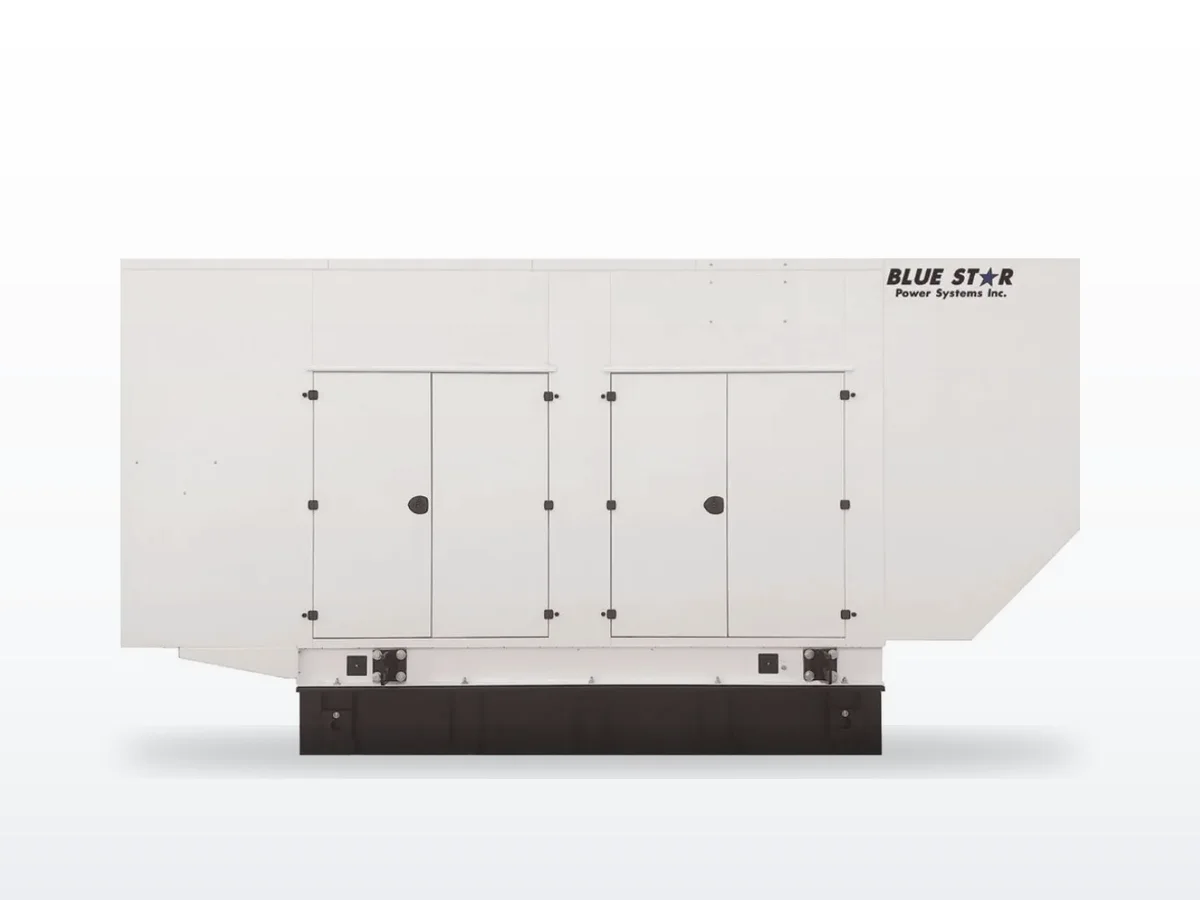
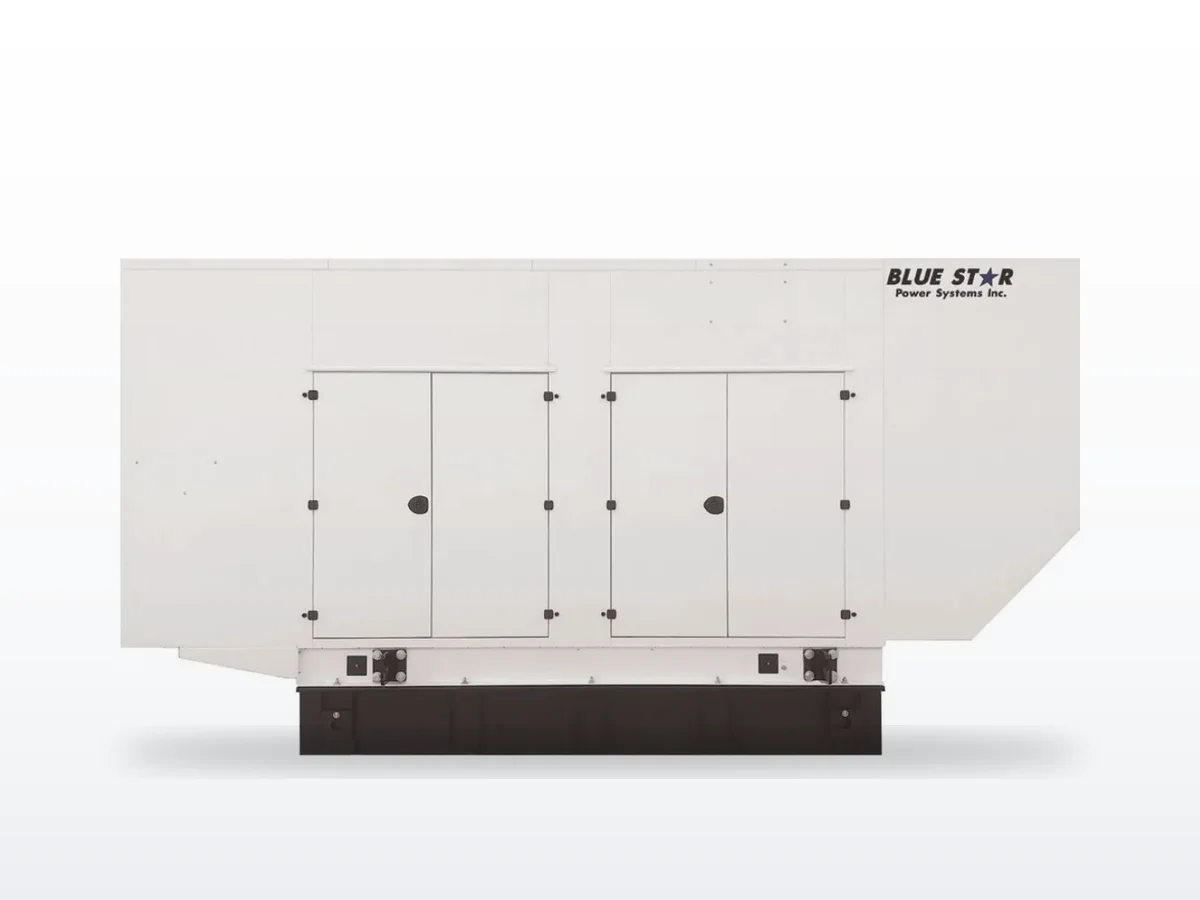
Blue Star GM100-03
Open Basler controller + PSI engine + Stamford alternator — no proprietary lock-in. Non-proprietary components serviceable by any qualified tech.
100 kW standby · Natural Gas / LPG · Liquid-cooled
100 kW natural gas standby for commercial, school, and multi-family buildings where gas-fueled backup and component independence matter.
100 kW natural gas standby generator (80 kW on LP) from Blue Star Power Systems. PSI 5.7LTCAC turbocharged charge-air-cooled V8, Stamford UCI274C alternator, DSE DCP7310 controller, 208-600V output.
Open Basler controller + PSI engine + Stamford alternator — prime-rated, no proprietary lock-in. Serviceable by any qualified tech.
60 kW standby · Natural Gas / LPG · Liquid-cooled
55 kW prime natural gas for continuous-duty commercial applications, cogeneration sites, and facilities needing 24/7 gas-fueled power.
55 kW prime / 60 kW standby natural gas / LP generator from Blue Star Power Systems. PSI 5.7L eight-cylinder V8 with catalyst/silencer, Stamford UCI224E alternator, DSE DCP7310 controller, 208-600V output.
Open Basler controller + John Deere 4045 engine + Stamford alternator — no proprietary lock-in. Serviceable by any qualified tech, not just the dealer.
100 kW standby · Diesel · Liquid-cooled
100 kW diesel standby for commercial, multi-family, and municipal facilities where value engineering and service-tech independence matter.
100 kW Tier 3 diesel standby generator built by Blue Star Power Systems. John Deere 4045HF285 engine with charge air cooling, Stamford UCI274 alternator, DSE DCP7310 controller.
Tier 33-phaselight-commercialcommercial
Blue Star Power Systems
Blue Star JD150-01
Open Basler controller + John Deere 6068 engine + Stamford alternator — no proprietary lock-in. Serviceable by any qualified tech, not just the dealer.
150 kW standby · Diesel · Liquid-cooled
150 kW diesel standby for commercial, institutional, and municipal facilities where value engineering and component independence matter.
150 kW Tier 3 diesel standby generator built by Blue Star Power Systems. John Deere 6068HF285 6-cylinder engine, Stamford UCI274/UCDI274 alternator, DSE DCP7310 controller.
Tier 33-phaselight-commercialcommercial
Blue Star Power Systems
Blue Star JD200-01
Open Basler controller + John Deere 6068 engine + Stamford alternator — no proprietary lock-in. Serviceable by any qualified tech, not just the dealer.
200 kW standby · Diesel · Liquid-cooled
200 kW diesel standby for value-engineering projects, municipal facilities, and service-savvy buyers who prioritize component independence.
200 kW Tier 3 diesel standby generator built by Blue Star Power Systems. John Deere 6068HFG85 6-cylinder engine, Stamford S4L1S/UCDI274 alternator, DSE DCP7310 controller.
Tier 33-phasecommerciallight-industrial
Blue Star Power Systems
Blue Star JD250-02
Open Basler controller + John Deere 6090 engine + Stamford alternator — no proprietary lock-in. Serviceable by any qualified tech, not just the dealer.
250 kW standby · Diesel · Liquid-cooled
250 kW diesel standby for commercial, institutional, and campus facilities where value engineering and non-proprietary component access matter.
250 kW Tier 3 diesel standby generator built by Blue Star Power Systems. John Deere 6090HF484 9.0L 6-cylinder engine, Stamford S4L1S/S4L1D alternator, DSE DCP7310 controller.
Tier 33-phasecommerciallight-industrial
Blue Star Power Systems
Blue Star JD40-03
Open Basler controller + John Deere 4045 engine + Stamford alternator — no proprietary lock-in. Serviceable by any qualified tech, not just the dealer.
40 kW standby · Diesel · Liquid-cooled
40 kW diesel standby for small commercial, retail, and light-duty facilities where component independence and value engineering matter.
40 kW Tier 3 diesel standby generator built by Blue Star Power Systems. John Deere 4045TF280 engine, Stamford UCI224 alternator, DSE DCP7310 controller.
Tier 33-phaselight-commercialsmall-office
Blue Star Power Systems
Blue Star JD40-05FT4
Open Basler controller + John Deere engine + Stamford alternator — no proprietary lock-in. Tier 4 Final compliant, serviceable by any qualified tech.
40 kW standby · Diesel · Liquid-cooled
40 kW Tier 4 Final diesel standby for small commercial and light-duty facilities requiring current emissions compliance.
40 kW Tier 4 Final diesel standby/prime generator from Blue Star Power Systems. John Deere 3029HG530 2.9L inline-three with DOC/DPF, DSE DCP7310 controller, 208-600V.
Tier 4 Final3-phasecommercialsmall-commercial
Blue Star Power Systems
Blue Star JD40-05FT4MP
Open Basler controller + John Deere engine + Stamford alternator — trailer-mounted, no proprietary lock-in. Serviceable by any qualified tech.
40 kW standby · Diesel · Liquid-cooled
40 kW Tier 4 Final mobile diesel for construction sites, emergency response, and temporary power where portability and clean emissions matter.
40 kW Tier 4 Final mobile trailer diesel generator built by Blue Star Power Systems. John Deere 3029HG530 three-cylinder engine, Stamford UCI224D alternator, DSE DCP7310 controller, 130-gallon integrated fuel tank.
Tier 4 Final3-phaseconstructiontemporary-power
Blue Star Power Systems
Blue Star JD50-03
Open Basler controller + John Deere 4045 engine + Stamford alternator — no proprietary lock-in. Serviceable by any qualified tech, not just the dealer.
50 kW standby · Diesel · Liquid-cooled
50 kW diesel standby for small commercial, retail, worship, and light-industrial sites prioritizing component independence over brand premium.
50 kW Tier 3 diesel standby generator built by Blue Star Power Systems. John Deere 4045TF280 engine, Stamford UCI224 alternator, DSE DCP7310 controller.
Tier 33-phaselight-commercialsmall-office
Blue Star Power Systems
Blue Star JD60-02
Open Basler controller + John Deere 4045 engine + Stamford alternator — no proprietary lock-in. Serviceable by any qualified tech, not just the dealer.
60 kW standby · Diesel · Liquid-cooled
60 kW diesel standby for light commercial, retail, multi-family, and telecom sites where value engineering and open-source components matter.
60 kW Tier 3 diesel standby generator built by Blue Star Power Systems. John Deere 4045TF280 engine, Stamford UCI224 alternator, DSE DCP7310 controller.
Tier 33-phaselight-commercialsmall-office
Blue Star Power Systems
Blue Star JD60-04FT4
Open Basler controller + John Deere engine + Stamford alternator — Tier 4 Final compliant, no proprietary lock-in. Serviceable by any qualified tech.
60 kW standby · Diesel · Liquid-cooled
60 kW Tier 4 Final diesel standby for commercial and light-industrial facilities requiring current emissions compliance and component independence.
60 kW Tier 4 Final diesel standby/prime generator from Blue Star Power Systems. John Deere 4045HFG04 4.5L inline-four with SCR/DOC, DSE DCP7310 controller, 208-600V.
Tier 4 Final3-phasecommercialsmall-commercial
Blue Star Power Systems
Blue Star JD60-04FT4MP
Open Basler controller + John Deere engine + Stamford alternator — trailer-mounted, no proprietary lock-in. Serviceable by any qualified tech.
60 kW standby · Diesel · Liquid-cooled
60 kW Tier 4 Final mobile diesel for construction sites, emergency response, and temporary power where portability and clean emissions matter.
60 kW Tier 4 Final mobile trailer diesel generator built by Blue Star Power Systems. John Deere 4045HFG04 four-cylinder engine, Stamford UCI224F alternator, DSE DCP7310 controller, 250-gallon integrated fuel tank.
Tier 4 Final3-phaseconstructiontemporary-power
Blue Star Power Systems
Blue Star JD80-02
Open Basler controller + John Deere 4045 engine + Stamford alternator — no proprietary lock-in. Serviceable by any qualified tech, not just the dealer.
80 kW standby · Diesel · Liquid-cooled
80 kW diesel standby for commercial, multi-family, and municipal facilities where value engineering and service-tech independence matter.
80 kW Tier 3 diesel standby generator built by Blue Star Power Systems. John Deere 4045HF285 engine with charge air cooling, Stamford UCI274/UCI224 alternator, DSE DCP7310 controller.
Tier 33-phaselight-commercialcommercial
Blue Star Power Systems
Blue Star JD80-03FT4
Open Basler controller + John Deere engine + Stamford alternator — Tier 4 Final compliant, no proprietary lock-in. Serviceable by any qualified tech.
80 kW standby · Diesel · Liquid-cooled
80 kW Tier 4 Final diesel standby for commercial, multi-family, and institutional facilities requiring current emissions and component independence.
80 kW Tier 4 Final diesel standby/prime generator from Blue Star Power Systems. John Deere 4045HFG04 4.5L inline-four with SCR/DOC, DSE DCP7310 controller, 208-600V.
Tier 4 Final3-phasecommercialsmall-commercial
Blue Star Power Systems
Blue Star JD80-03FT4MP
Open Basler controller + John Deere engine + Stamford alternator — trailer-mounted, no proprietary lock-in. Serviceable by any qualified tech.
80 kW standby · Diesel · Liquid-cooled
80 kW Tier 4 Final mobile diesel for construction, emergency response, and planned outage support where portability and clean emissions matter.
80 kW Tier 4 Final mobile trailer diesel generator built by Blue Star Power Systems. John Deere 4045HFG04 four-cylinder engine, Stamford UCI274C alternator, DSE DCP7310 controller, 250-gallon integrated fuel tank.
Tier 4 Final3-phaseconstructiontemporary-power
Blue Star Power Systems
Blue Star NG150-01
Open Basler controller + PSI engine + Stamford alternator — no proprietary lock-in. Non-proprietary components serviceable by any qualified tech.
150 kW standby · Natural Gas / LPG · Liquid-cooled
150 kW natural gas standby for commercial, institutional, and campus buildings where gas-fueled backup and component independence matter.
150 kW natural gas / LP standby generator from Blue Star Power Systems. PSI 8.1LT turbocharged inline-six, DSE DCP7310 controller, 208-600V output.
Open Basler controller + PSI engine + Stamford alternator — prime-rated, no proprietary lock-in. Serviceable by any qualified tech.
150 kW standby · Natural Gas / LPG · Liquid-cooled
125 kW prime natural gas for continuous-duty commercial and institutional applications needing 24/7 gas-fueled power with component independence.
125 kW prime-rated natural gas / LP generator from Blue Star Power Systems. PSI 8.1LT inline-six, DSE DCP7310 controller, 208-600V, continuous prime duty.
Open Basler controller + PSI engine + Stamford alternator — prime-rated, no proprietary lock-in. Serviceable by any qualified tech.
200 kW standby · Natural Gas / LPG · Liquid-cooled
175 kW prime natural gas for continuous-duty commercial and institutional applications needing 24/7 gas-fueled power with component independence.
175 kW prime-rated natural gas / LP generator from Blue Star Power Systems. PSI 11.1L inline-six, DSE DCP7310 controller, 208-600V, continuous prime duty.
Open Basler controller + Perkins engine + Stamford alternator — no proprietary lock-in. Serviceable by any qualified tech, not just the dealer.
100 kW standby · Diesel · Liquid-cooled
100 kW diesel standby for commercial, institutional, and municipal facilities where Perkins parts access and non-proprietary components matter.
100 kW Tier 3 diesel standby generator built by Blue Star Power Systems. Perkins 1104D-E44TAG2 turbocharged intercooled engine, Stamford UCI274C alternator, DSE DCP7310 controller.
Tier 33-phaselight-commercialcommercial
Blue Star Power Systems
Blue Star PD125-01
Open Basler controller + Perkins engine + Stamford alternator — no proprietary lock-in. Serviceable by any qualified tech, not just the dealer.
125 kW standby · Diesel · Liquid-cooled
125 kW diesel standby for commercial, institutional, and municipal facilities where Perkins parts access and component independence matter.
125 kW Tier 3 diesel standby generator built by Blue Star Power Systems. Perkins 1106D-E70TAG2 six-cylinder engine with charge air cooling, Stamford UCI274E alternator, DSE DCP7310 controller.
Tier 33-phaselight-commercialcommercial
Blue Star Power Systems
Blue Star PD150-01
Open Basler controller + Perkins engine + Stamford alternator — no proprietary lock-in. Serviceable by any qualified tech, not just the dealer.
150 kW standby · Diesel · Liquid-cooled
150 kW diesel standby for commercial, institutional, and municipal facilities where value engineering and Perkins global parts access matter.
150 kW Tier 3 diesel standby generator built by Blue Star Power Systems. Perkins 1106D-E70TAG2 six-cylinder engine with charge air cooling, Stamford UCI274F alternator, DSE DCP7310 controller.
Tier 33-phaselight-commercialcommercial
Blue Star Power Systems
Blue Star PD180-01
Open Basler controller + Perkins engine + Stamford alternator — no proprietary lock-in. Serviceable by any qualified tech, not just the dealer.
180 kW standby · Diesel · Liquid-cooled
180 kW diesel standby for commercial, institutional, and municipal facilities where value engineering and Perkins global parts access matter.
180 kW Tier 3 diesel standby generator built by Blue Star Power Systems. Perkins 1106D-E70TAG4 six-cylinder engine with charge air cooling, Stamford UCI274G alternator, DSE DCP7310 controller.
Tier 33-phaselight-commercialcommercial
Blue Star Power Systems
Blue Star PD200-01
Open Basler controller + Perkins engine + Stamford alternator — no proprietary lock-in. Serviceable by any qualified tech, not just the dealer.
200 kW standby · Diesel · Liquid-cooled
200 kW diesel standby for value-engineering projects, municipal facilities, and service-savvy buyers who prioritize component independence.
200 kW Tier 3 diesel standby generator built by Blue Star Power Systems. Perkins 1106D-E70TAG5 six-cylinder engine with charge air cooling, Stamford UCI274H alternator, DSE DCP7310 controller.
Tier 33-phaselight-commercialcommercial
Blue Star Power Systems
Blue Star PD250-01
Open Basler controller + Perkins engine + Stamford alternator — no proprietary lock-in. Serviceable by any qualified tech, not just the dealer.
250 kW standby · Diesel · Liquid-cooled
250 kW diesel standby for large commercial, campus, and industrial facilities where value engineering and non-proprietary component access matter.
250 kW Tier 3 diesel standby generator built by Blue Star Power Systems. Perkins 1706D-E93TAG1 six-cylinder engine with charge air cooling, Stamford S4L1D-C41 alternator, DSE DCP7310 controller.
Tier 33-phaselight-commercialcommercial
Blue Star Power Systems
Blue Star PD50-01
Open Basler controller + Perkins engine + Stamford alternator — no proprietary lock-in. Serviceable by any qualified tech, not just the dealer.
50 kW standby · Diesel · Liquid-cooled
50 kW diesel standby for small commercial, worship, and light-industrial sites prioritizing Perkins global parts availability and value engineering.
50 kW Tier 3 diesel standby generator built by Blue Star Power Systems. Perkins 1104D-44TG1 turbocharged engine, Stamford UCI224D alternator, DSE DCP7310 controller.
Tier 33-phaselight-commercialcommercial
Blue Star Power Systems
Blue Star PD60-01
Open Basler controller + Perkins engine + Stamford alternator — no proprietary lock-in. Serviceable by any qualified tech, not just the dealer.
60 kW standby · Diesel · Liquid-cooled
60 kW diesel standby for light commercial, retail, and multi-family sites where Perkins global parts network and component independence matter.
60 kW Tier 3 diesel standby generator built by Blue Star Power Systems. Perkins 1104D-E44TG1 electronically injected turbocharged engine, Stamford UCI224E alternator, DSE DCP7310 controller.
Tier 33-phaselight-commercialcommercial
Blue Star Power Systems
Blue Star PD80-01
Open Basler controller + Perkins engine + Stamford alternator — no proprietary lock-in. Serviceable by any qualified tech, not just the dealer.
80 kW standby · Diesel · Liquid-cooled
80 kW diesel standby for commercial, multi-family, and municipal sites where Perkins global parts availability and value engineering matter.
80 kW Tier 3 diesel standby generator built by Blue Star Power Systems. Perkins 1104D-E44TAG2 turbocharged intercooled engine, Stamford UCI224G alternator, DSE DCP7310 controller.
Tier 33-phaselight-commercialcommercial
Blue Star Power Systems
Blue Star PS130-01
Open Basler controller + PSI engine + Stamford alternator — no proprietary lock-in. Non-proprietary components serviceable by any qualified tech.
130 kW standby · Natural Gas / LPG · Liquid-cooled
130 kW natural gas standby for commercial, school, and multi-family buildings where gas-fueled backup and component independence matter.
130 kW natural gas / LP standby generator from Blue Star Power Systems. PSI 8.8LTCAC turbocharged V8, DSE DCP7310 controller, 208-600V output.
Open Basler controller + PSI engine + Stamford alternator — no proprietary lock-in. Non-proprietary components serviceable by any qualified tech.
150 kW standby · Natural Gas / LPG · Liquid-cooled
150 kW natural gas standby for commercial, school, and institutional buildings where gas-fueled backup and component independence matter.
150 kW natural gas / LP standby generator from Blue Star Power Systems. PSI 8.8LTCAC turbocharged-aftercooled V8, DSE DCP7310 controller, single- and three-phase 120-600V.
Open Basler controller + PSI engine + Stamford alternator — prime-rated, no proprietary lock-in. Serviceable by any qualified tech.
40 kW standby · Natural Gas / LPG · Liquid-cooled
35 kW prime natural gas for continuous-duty commercial applications and facilities needing 24/7 gas-fueled power with component independence.
35 kW prime / 40 kW standby natural gas / LP generator from Blue Star Power Systems. PSI 4.3L six-cylinder V6 engine with catalyst/silencer, Stamford UCI224C alternator, DSE DCP7310 controller, 208-600V output.
Open Basler controller + Volvo Penta engine + Stamford alternator — Tier 4 Final compliant, no proprietary lock-in. Serviceable by any qualified tech.
100 kW standby · Diesel · Liquid-cooled
100 kW Tier 4 Final diesel standby for commercial and institutional facilities requiring current emissions compliance and component independence.
100 kW Tier 4 Final diesel standby/prime generator from Blue Star Power Systems. Volvo Penta TAD581VE 5.13L inline-four with SCR/DPF/DOC, DSE DCP7310 controller, 208-600V.
Tier 4 Final3-phasecommercialsmall-commercial
Blue Star Power Systems
Blue Star VD100-04FT4MP
Open Basler controller + Volvo Penta engine + Stamford alternator — trailer-mounted, no proprietary lock-in. Serviceable by any qualified tech.
100 kW standby · Diesel · Liquid-cooled
100 kW Tier 4 Final mobile diesel for construction, emergency response, and temporary power where portability and clean emissions matter.
100 kW Tier 4 Final / EU Stage 5 mobile trailer diesel generator built by Blue Star Power Systems. Volvo Penta TAD581VE four-cylinder engine, Stamford UCI274D alternator, DSE DCP7310 controller, 250-gallon integrated fuel tank.
Tier 4 Final3-phaseconstructiontemporary-power
Blue Star Power Systems
Blue Star VD125-02FT4
Open Basler DGC-2020 controller + Volvo Penta engine + Stamford alternator — Tier 4 Final, no proprietary lock-in. Serviceable by any qualified tech.
125 kW standby · Diesel · Liquid-cooled
125 kW Tier 4 Final diesel standby for commercial and institutional facilities requiring current emissions compliance and component independence.
125 kW Tier 4 Final diesel standby generator from Blue Star Power Systems. Volvo Penta TAD572VE engine with charge-air cooling, paired with Basler DGC-2020 controller.
Tier 4 Final3-phasecommerciallight-industrial
Blue Star Power Systems
Blue Star VD125-04FT4
Open Basler controller + Volvo Penta engine + Stamford alternator — Tier 4 Final compliant, no proprietary lock-in. Serviceable by any qualified tech.
125 kW standby · Diesel · Liquid-cooled
125 kW Tier 4 Final diesel standby for commercial and institutional facilities requiring current emissions compliance and component independence.
125 kW Tier 4 Final diesel standby/prime generator from Blue Star Power Systems. Volvo Penta TAD582VE 5.13L inline-four with SCR/DPF/DOC, DSE DCP7310 controller, 208-600V.
Tier 4 Final3-phasecommercialsmall-commercial
Blue Star Power Systems
Blue Star VD125-04FT4MP
Open Basler controller + Volvo Penta engine + Stamford alternator — trailer-mounted, no proprietary lock-in. Serviceable by any qualified tech.
125 kW standby · Diesel · Liquid-cooled
125 kW Tier 4 Final mobile diesel for construction, emergency response, and temporary power where portability and clean emissions matter.
125 kW Tier 4 Final / EU Stage 5 mobile trailer diesel generator built by Blue Star Power Systems. Volvo Penta TAD582VE four-cylinder engine, Stamford UCI274E alternator, DSE DCP7310 controller, 250-gallon integrated fuel tank.
Tier 4 Final3-phaseconstructiontemporary-power
Blue Star Power Systems
Blue Star VD150-04FT4
Open Basler controller + Volvo Penta engine + Stamford alternator — Tier 4 Final compliant, no proprietary lock-in. Serviceable by any qualified tech.
150 kW standby · Diesel · Liquid-cooled
150 kW Tier 4 Final diesel standby for commercial, institutional, and municipal facilities requiring current emissions and component independence.
150 kW Tier 4 Final diesel standby/prime generator from Blue Star Power Systems. Volvo Penta TAD881VE 7.7L inline-six with SCR/DPF/DOC, DSE DCP7310 controller, 208-600V.
Tier 4 Final3-phasecommerciallarge-commercial
Blue Star Power Systems
Blue Star VD150-04FT4MP
Open Basler controller + Volvo Penta engine + Stamford alternator — trailer-mounted, no proprietary lock-in. Serviceable by any qualified tech.
150 kW standby · Diesel · Liquid-cooled
150 kW Tier 4 Final mobile diesel for construction, planned outage support, and temporary power requiring portability and clean emissions.
150 kW Tier 4 Final / EU Stage 5 mobile trailer diesel generator built by Blue Star Power Systems. Volvo Penta TAD881VE six-cylinder engine, Stamford UCI274F alternator, DSE DCP7310 controller, 250-gallon integrated fuel tank.
Tier 4 Final3-phaseconstructiontemporary-power
Blue Star Power Systems
Blue Star VD200-04FT4
Open Basler controller + Volvo Penta engine + Stamford alternator — Tier 4 Final compliant, no proprietary lock-in. Serviceable by any qualified tech.
200 kW standby · Diesel · Liquid-cooled
200 kW Tier 4 Final diesel standby for commercial, institutional, and campus facilities requiring current emissions and component independence.
200 kW Tier 4 Final diesel standby/prime generator from Blue Star Power Systems. Volvo Penta TAD1180VE 10.8L inline-six with SCR/DPF/DOC, DSE DCP7310 controller, 208-600V.
Tier 4 Final3-phasecommerciallarge-commercial
Blue Star Power Systems
Blue Star VD200-04FT4MP
Open Basler controller + Volvo Penta engine + Stamford alternator — trailer-mounted, no proprietary lock-in. Serviceable by any qualified tech.
200 kW standby · Diesel · Liquid-cooled
200 kW Tier 4 Final mobile diesel for construction, planned outage support, and temporary power requiring portability and clean emissions.
200 kW Tier 4 Final / EU Stage 5 mobile trailer diesel generator built by Blue Star Power Systems. Volvo Penta TAD1180VE six-cylinder engine, Stamford UCDI274J1 alternator, DSE DCP7310 controller, 350-gallon integrated fuel tank.
Tier 4 Final3-phaseconstructiontemporary-power
Blue Star Power Systems
Blue Star VD230-01
Open Basler controller + Volvo Penta engine + Stamford alternator — no proprietary lock-in. Serviceable by any qualified tech, not just the dealer.
230 kW standby · Diesel · Liquid-cooled
230 kW diesel standby for commercial, institutional, and campus facilities where value engineering and non-proprietary component access matter.
230 kW Tier 3 diesel standby generator from Blue Star Power Systems. Volvo Penta TAD851GE 7.7L inline-six with DSE DCP7310 controller, 208-600V output.
Tier 33-phasecommerciallarge-commercial
Blue Star Power Systems
Blue Star VD250-03
Open Basler controller + Volvo Penta engine + Stamford alternator — no proprietary lock-in. Serviceable by any qualified tech, not just the dealer.
250 kW standby · Diesel · Liquid-cooled
250 kW diesel standby for large commercial, campus, and institutional facilities where value engineering and non-proprietary component access matter.
250 kW Tier 3 diesel standby generator from Blue Star Power Systems. Volvo Penta TAD852GE 7.7L inline-six, DSE DCP7310 controller, 208-600V output.
Tier 33-phasecommerciallarge-commercial
Blue Star Power Systems
Blue Star VD250-04FT4
Open Basler controller + Volvo Penta engine + Stamford alternator — Tier 4 Final compliant, no proprietary lock-in. Serviceable by any qualified tech.
250 kW standby · Diesel · Liquid-cooled
250 kW Tier 4 Final diesel standby for commercial, campus, and institutional facilities requiring current emissions and component independence.
250 kW Tier 4 Final diesel standby/prime generator from Blue Star Power Systems. Volvo Penta TAD1381VE 12.8L inline-six with SCR/DPF/DOC, DSE DCP7310 controller, 208-600V.
Tier 4 Final3-phasecommerciallarge-commercial
Blue Star Power Systems
Blue Star VD250-04FT4MP
Open Basler controller + Volvo Penta engine + Stamford alternator — trailer-mounted, no proprietary lock-in. Serviceable by any qualified tech.
250 kW standby · Diesel · Liquid-cooled
250 kW Tier 4 Final mobile diesel for construction, planned outage support, and large-scale temporary power with clean emissions.
250 kW Tier 4 Final / EU Stage 5 mobile trailer diesel generator built by Blue Star Power Systems. Volvo Penta TAD1381VE six-cylinder engine, Stamford S4L1D-D41 alternator, DSE DCP7310 controller, 350-gallon integrated fuel tank.
Tier 4 Final3-phaseconstructiontemporary-power
Caterpillar
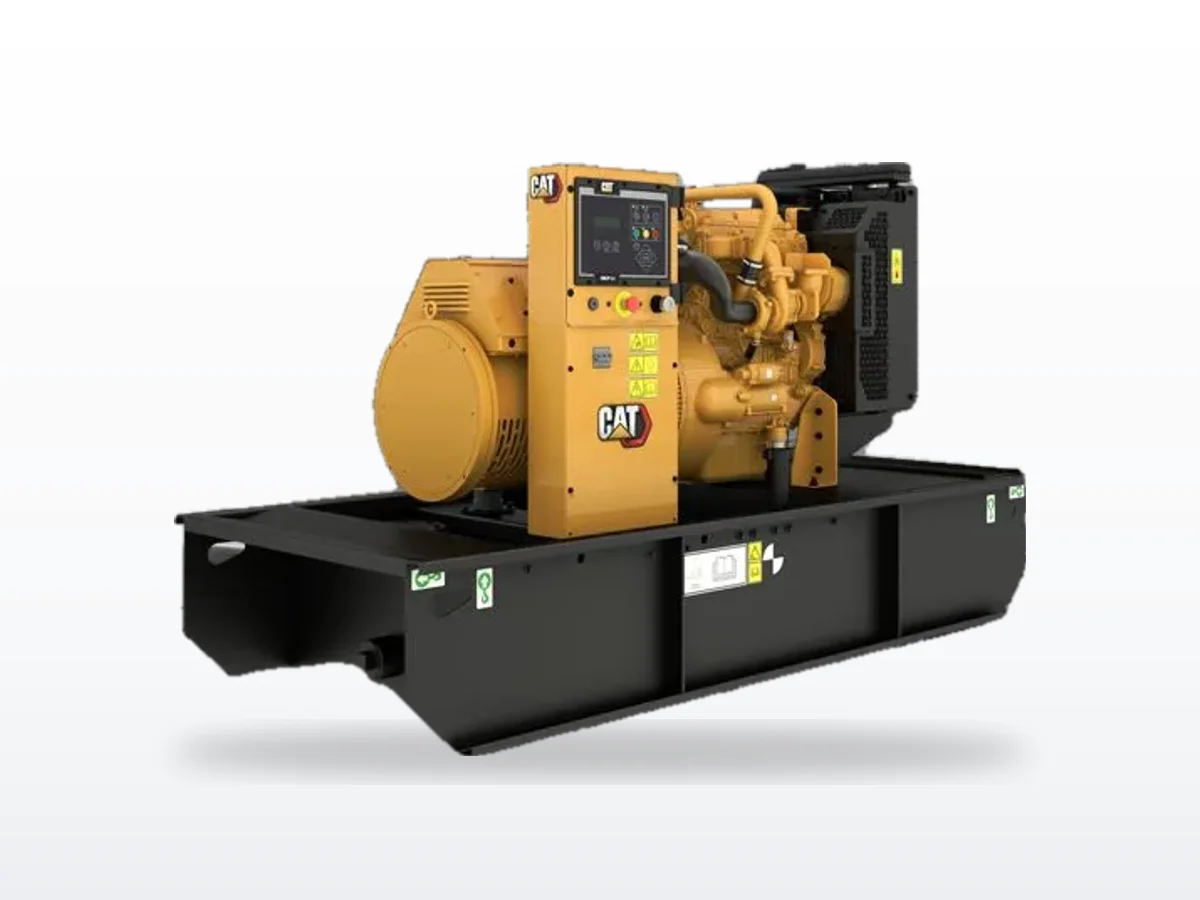
Cat C3.3
45 kW compact diesel with CAT C3.3 engine. Premium build quality. Best resale value. ~200 US dealer network.
45 kW standby · Diesel · Liquid-cooled
45 kW diesel standby for small commercial, bank branches, and light-industrial with CAT fleet.
45 kW diesel standby generator with Cat C3.3 turbocharged inline-4 engine. Versatile platform for commercial standby and prime power applications.
3-phasecommercial-standbyprime-power
Caterpillar
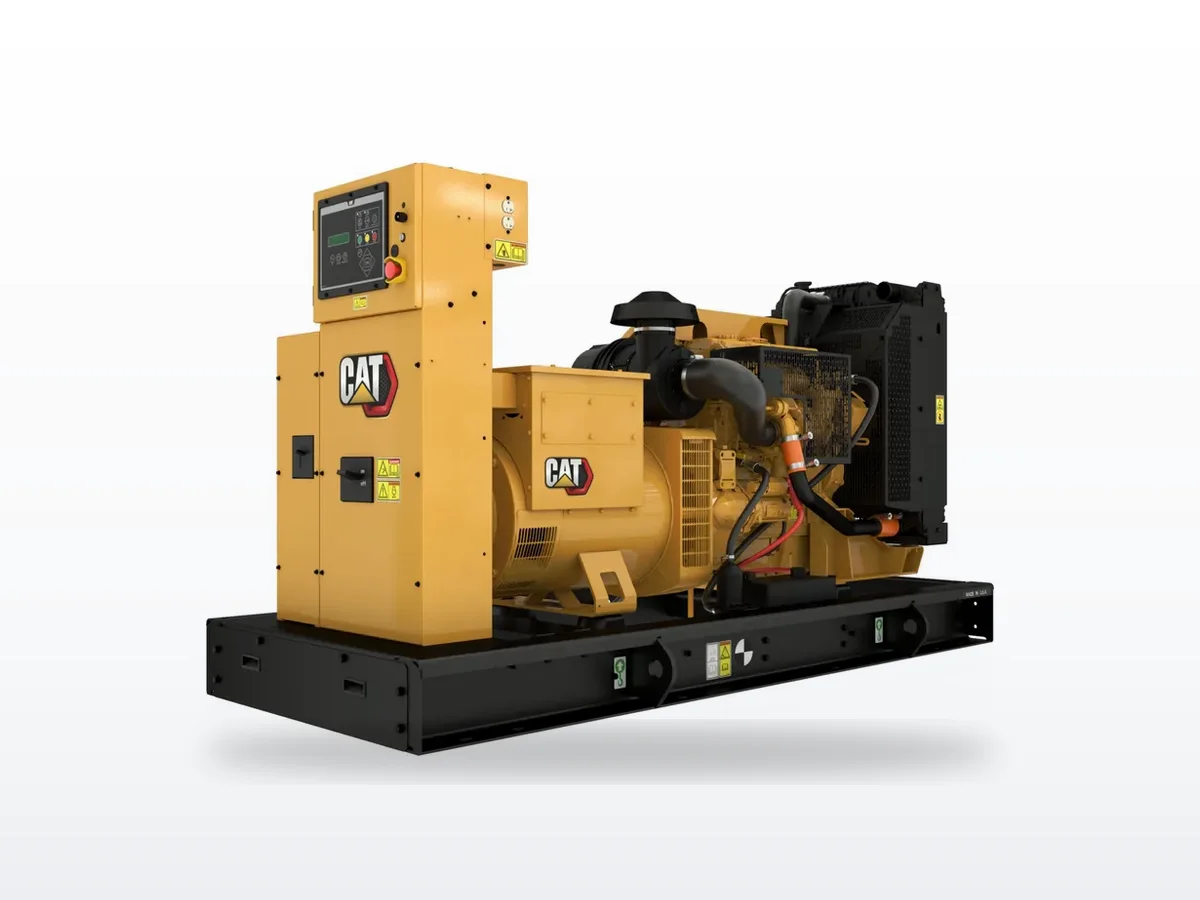
Cat C4.4
80 kW compact diesel with CAT C4.4 turbo inline-4. Premium build quality. Best resale value. ~200 US dealer network.
80 kW standby · Diesel · Liquid-cooled
80 kW diesel standby for mid-size commercial, assisted living, and schools with CAT fleet.
80 kW diesel standby generator with Cat C4.4 turbocharged inline-4 engine. Reliable platform for commercial standby and prime power applications.
3-phasecommercial-standbyprime-power
Caterpillar
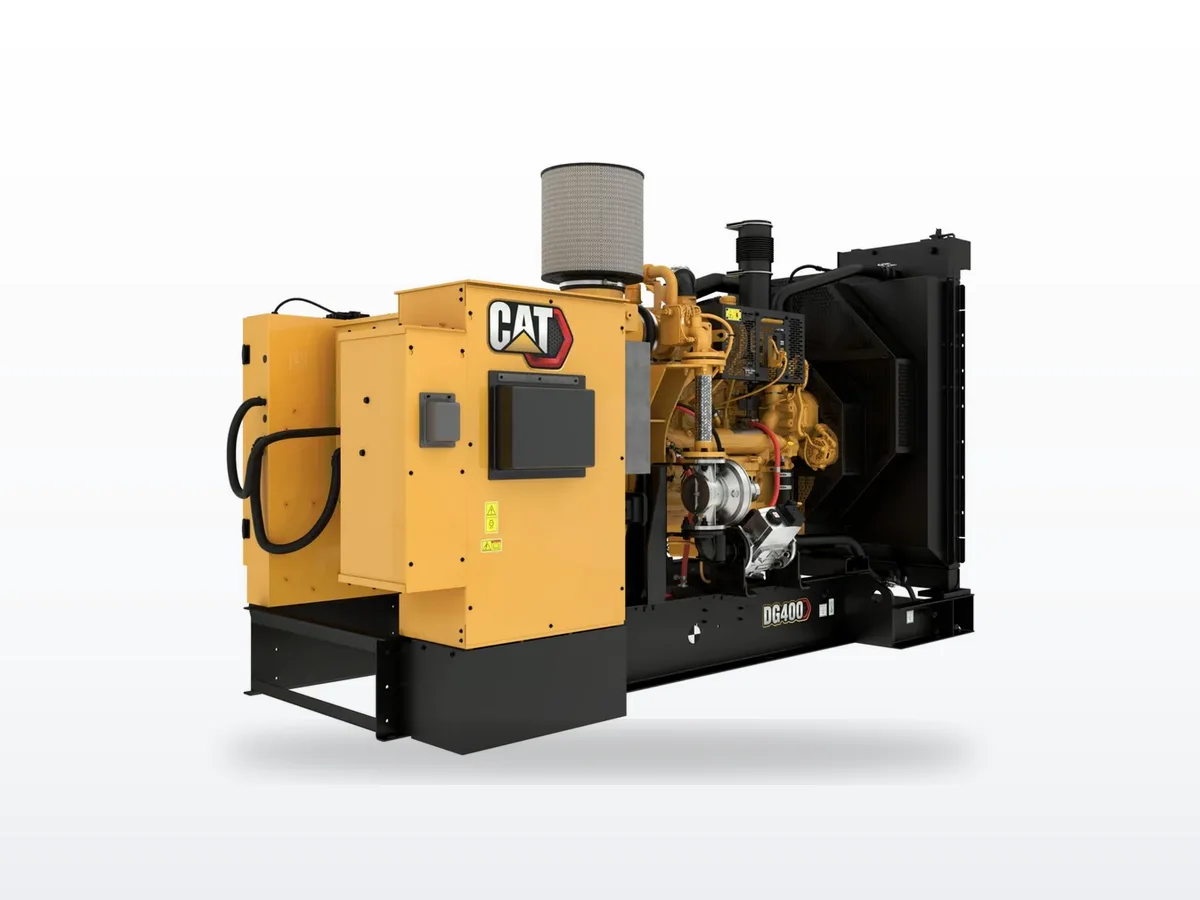
Cat DG200
200 kW natural gas with CAT DG200. No diesel storage needed. EPA certified for demand response. ~200 US dealers.
200 kW standby · Natural Gas / LPG · Liquid-cooled
200 kW natural gas standby/DR for commercial buildings, hospitals, and facilities on gas mains.
200 kW natural gas generator with 10.3L V8 engine. Emergency standby, demand response, and prime power for commercial and industrial applications.
3-phasecommercial-standbydemand-response
Caterpillar
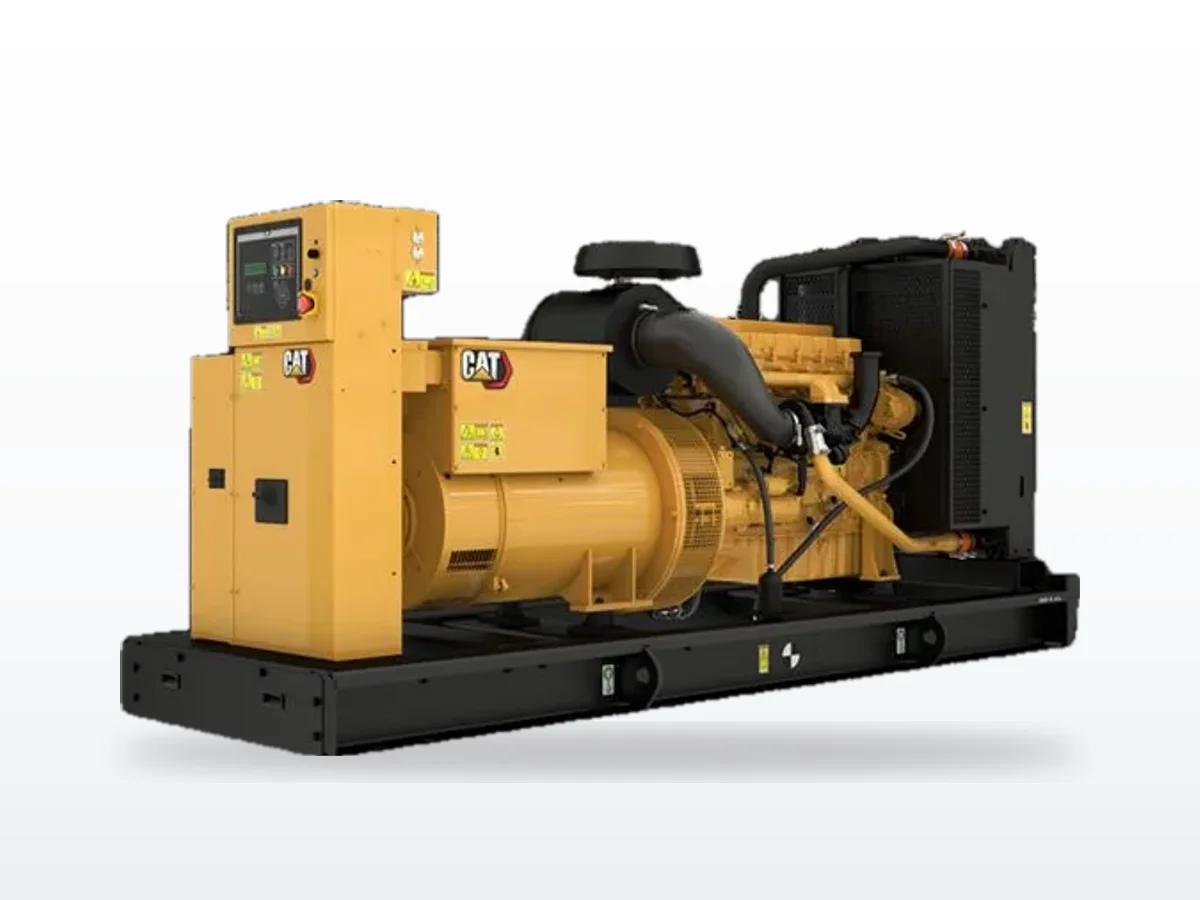
Caterpillar C7
200 kW diesel with CAT C7 ACERT inline-6. Best resale value in class. ~200 US dealers. Compact footprint.
200 kW standby · Diesel · Liquid-cooled
200 kW diesel standby for retail, telecom, and small commercial with CAT fleet standardization.
The Caterpillar C7.1 ACERT is a 200 kW standby diesel generator with EPA Tier 3 certification. 7.01L inline-6 with MEUI fuel injection. Compact standby power for small commercial and retail applications.
Tier 33-phasecommercial-standbyretail
Caterpillar
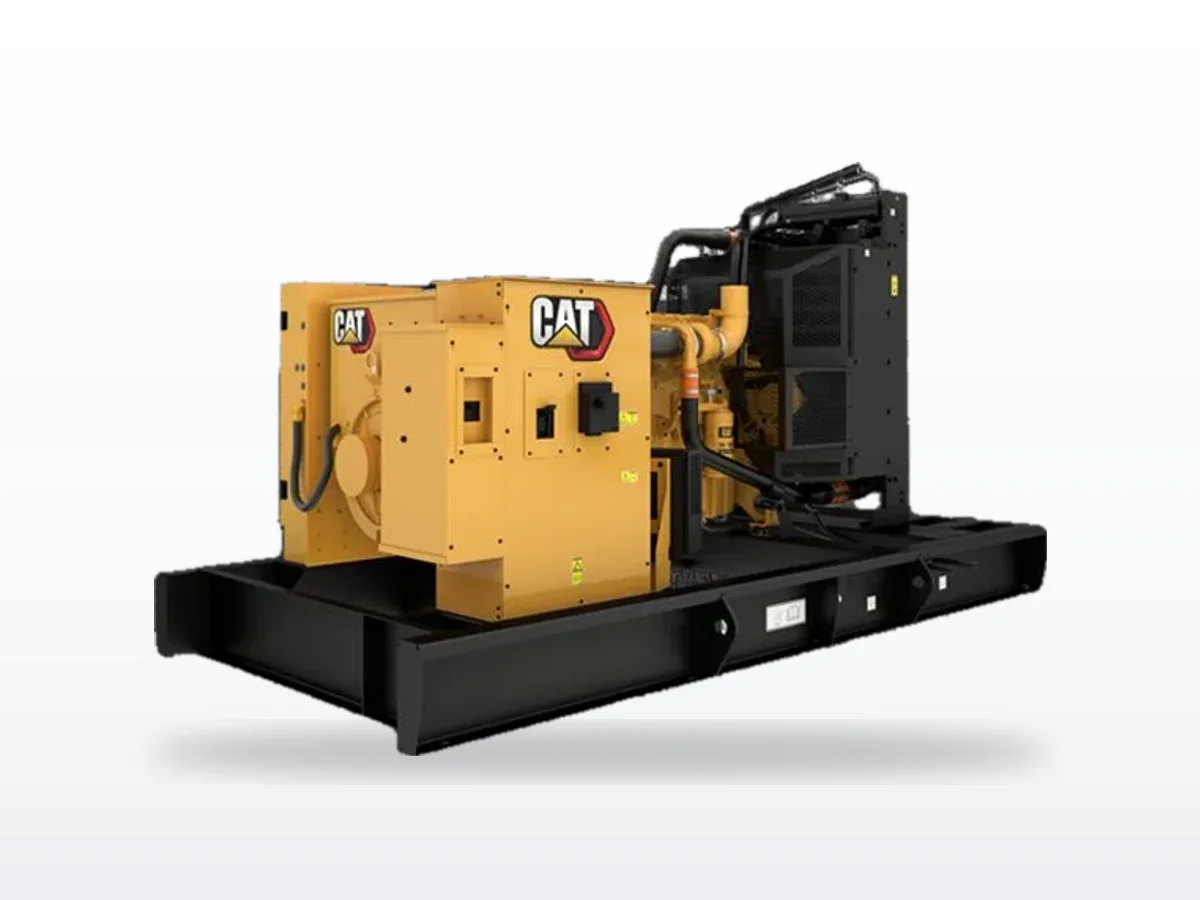
Caterpillar C9
250 kW diesel with CAT C9 ACERT inline-6. Best resale -- retains 15-25% more than competitors. ~200 US dealers.
250 kW standby · Diesel · Liquid-cooled
250 kW diesel standby for mid-size commercial, schools, and light-industrial with CAT fleet.
The Caterpillar C9 ACERT is a 250 kW standby diesel generator with EPA Tier 3 emissions certification. 8.8L inline-6 with MEUI fuel injection. Ideal for retail, telecom, and light-industrial standby applications.
Tier 33-phasecommercial-standbyretail
Cummins
Cummins C100 D6
100 kW diesel with full Cummins vertical integration. 100% load acceptance in 10 seconds. Single-source warranty.
100 kW standby · Diesel · Liquid-cooled
100 kW diesel standby for office complexes, hotels, and commercial buildings requiring fast load pickup.
100 kW EPA Tier 3 diesel standby generator with QSB5-G13 engine and PowerCommand 2.3 control. Sound-attenuated aluminum enclosure, UL 2200 listed, NFPA 110 Level 1 capable.
Tier 33-phasecommercial-standbylight-industrial
Cummins
Cummins C100 N6
100 kW natural gas with full Cummins vertical integration. 100% load in 10 seconds. No diesel logistics.
100 kW standby · Natural Gas / LPG · Liquid-cooled
100 kW natural gas standby for hotels, office campuses, and healthcare clinics with gas service.
100 kW natural gas standby generator with QSJ5.9G-G3 engine. 100 kW / 125 kVA standby, PowerCommand controls, AmpSentry protection, UL 2200, EPA certified. Dry weight 2812 lbs.
3-phasecommercial-standbyindustrial-standby
Cummins
Cummins C1000 N6b
1000 kW natural gas standby powered by the QSK60G. NFPA 110 Type 10 capable for mission-critical facilities without diesel infrastructure.
1 MW standby · Natural Gas / LPG · Liquid-cooled
1000 kW natural gas standby for hospitals, Tier III+ data centers, large campuses, and mission-critical facilities requiring NFPA 110 Type 10 compliance.
1000 kW natural gas standby generator with QSK60G engine. 1000 kW / 1250 kVA standby, NFPA 110 Type 10 capable, PowerCommand controls, UL 2200, EPA certified.
3-phasecommercial-standbyindustrial-standby
Cummins
Cummins C110 D6
112 kW diesel on the Cummins 6BT5.9-G6 platform. Reliable commercial standby power with full Cummins vertical integration.
112 kW standby · Diesel · Liquid-cooled
112 kW diesel standby for commercial buildings and light-industrial facilities requiring mid-range emergency power between the C100 and C125.
112 kW diesel standby generator with Cummins 6BT5.9-G6 engine and PowerCommand control. Liquid-cooled, for commercial standby applications.
Tier 33-phasecommercial-standbylight-industrial
Cummins
Cummins C1100 N6
1100 kW natural gas standby powered by the QSK60G. High-output megawatt-class gas power without diesel fuel infrastructure.
1.1 MW standby · Natural Gas / LPG · Liquid-cooled
1100 kW natural gas standby for hospitals, data centers, large campuses, and industrial facilities with natural gas service.
1100 kW natural gas standby generator with QSK60G gas engine. 1100 kW / 1375 kVA standby, PowerCommand controls, AmpSentry protection, UL 2200, EPA certified.
3-phasecommercial-standbyindustrial-standby
Cummins
Cummins C125 D6
125 kW diesel with Cummins QSB5-G6 engine. Top of the QSB5 4-cylinder range. 100% load acceptance in 10 seconds. Single-source warranty.
125 kW standby · Diesel · Liquid-cooled
125 kW diesel standby for hotels, office complexes, and commercial buildings requiring fast load pickup in a compact 4-cylinder package.
125 kW EPA Tier 3 diesel standby generator with Cummins QSB5-G6 engine and PowerCommand 1.1 control. Sound-attenuated aluminum enclosure, UL 2200 listed, NFPA 110 Level 1 capable.
Tier 33-phasecommercial-standbylight-industrial
Cummins
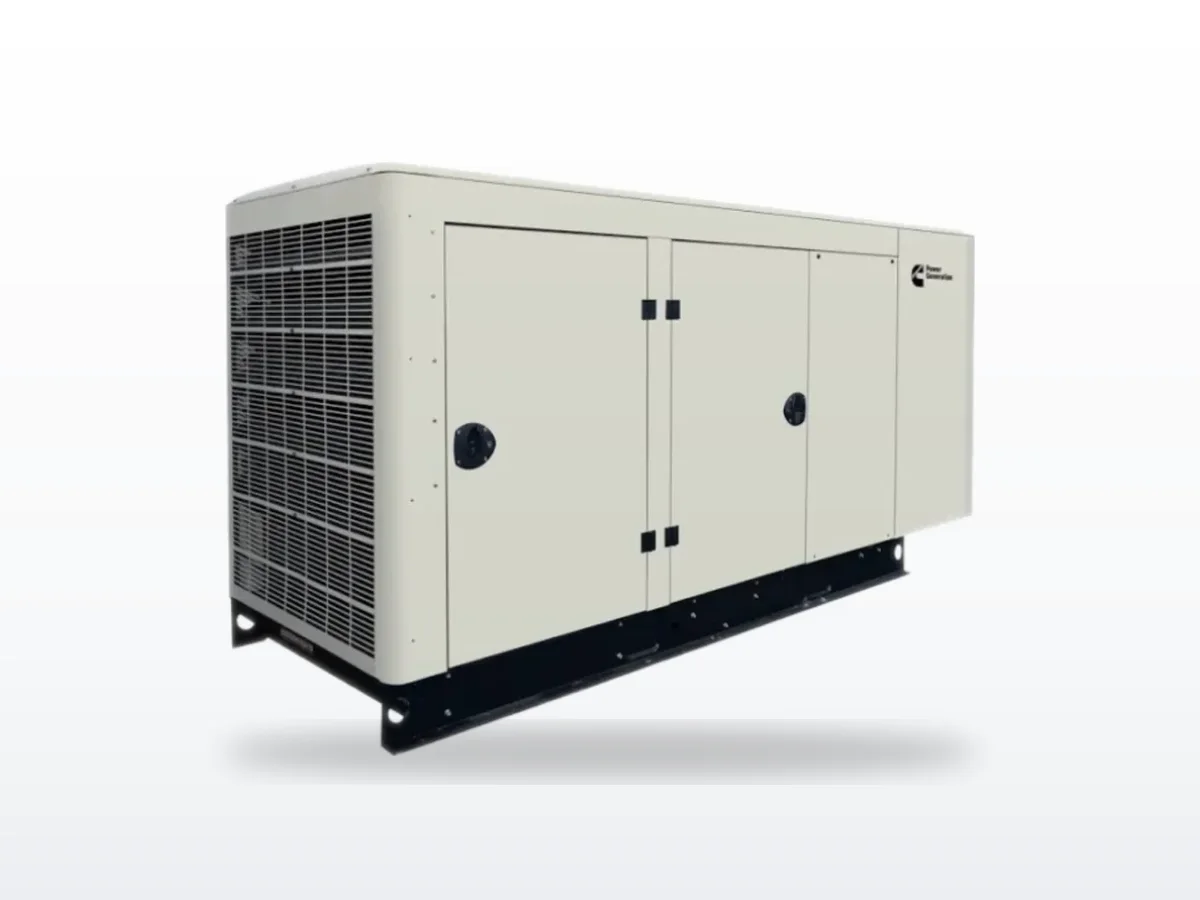
Cummins C125 N6
125 kW natural gas with full Cummins vertical integration. 100% load in 10 seconds. Single-source warranty.
125 kW standby · Natural Gas · Liquid-cooled
125 kW natural gas standby for mid-size commercial, schools, and healthcare facilities on gas mains.
125 kW natural gas standby generator with QSJ8.9G engine. 125 kW standby, PowerCommand 2.3 controls, UL 2200, IBC Seismic, NFPA 110 capable. Quiet Connect RS125 series, weight 3915 lbs.
3-phasecommercial-standbyindustrial-standby
Cummins
Cummins C1250 N6
1250 kW natural gas standby powered by the QSV91G. High-capacity gas power for mission-critical facilities without diesel infrastructure.
1.3 MW standby · Natural Gas / LPG · Liquid-cooled
1250 kW natural gas standby for hospitals, Tier III+ data centers, large campuses, and industrial facilities with natural gas service.
1250 kW natural gas standby generator with QSV91G gas engine. 1250 kW / 1563 kVA standby, PowerCommand controls, AmpSentry protection, UL 2200, EPA certified.
3-phasecommercial-standbyindustrial-standby
Cummins
Cummins C1300 N6
1300 kW natural gas standby powered by the QSK60G. NFPA 110 Type 10 capable for mission-critical facilities at the top of QSK60G output range.
1.3 MW standby · Natural Gas / LPG · Liquid-cooled
1300 kW natural gas standby for hospitals, Tier III+ data centers, large campuses, and mission-critical facilities requiring NFPA 110 Type 10 compliance.
1300 kW natural gas standby generator with QSK60G engine. 1300 kW / 1625 kVA standby, NFPA 110 Type 10 capable, PowerCommand controls, UL 2200, EPA certified.
3-phasecommercial-standbyindustrial-standby
Cummins
Cummins C1400 N6c
1400 kW natural gas standby powered by the QSV91G. High-capacity megawatt-class gas power for mission-critical facilities.
1.4 MW standby · Natural Gas / LPG · Liquid-cooled
1400 kW natural gas standby for hospitals, Tier III+ data centers, large campuses, and industrial facilities with natural gas service.
1400 kW natural gas standby generator with QSV91G gas engine. 1400 kW / 1750 kVA standby, PowerCommand controls, AmpSentry protection, UL 2200, EPA certified.
3-phasecommercial-standbyindustrial-standby
Cummins
Cummins C150 D6
150 kW diesel with full Cummins vertical integration. 100% load acceptance in 10 seconds. 10-15% below CAT pricing.
150 kW standby · Diesel · Liquid-cooled
150 kW diesel standby for hotels, warehouses, and mid-size commercial requiring fast load transfer.
150 kW EPA Tier 3 diesel standby generator with QSB7-G5 inline-6 engine and PowerCommand 1.1 control. NFPA 110 Level 1 compliant, UL 2200 listed, sound-attenuated aluminum enclosure.
Tier 33-phasecommercial-standbylight-industrial
Cummins
Cummins C150 N6
150 kW natural gas with full Cummins vertical integration. 100% load in 10 seconds. No diesel permitting needed.
150 kW standby · Natural Gas / LPG · Liquid-cooled
150 kW natural gas standby for hotels, large retail, and commercial campuses with gas service.
150 kW natural gas/propane standby generator with Cummins QSJ8.9G 8.9L turbocharged inline-6 engine. PowerCommand control, UL 2200 listed, NFPA 110 Level 1 capable. Wet weight 1,776 kg (3,915 lbs).
1540 kW natural gas standby powered by the QSV91G at its top-end gas rating. Maximum QSV91G output without diesel infrastructure.
1.5 MW standby · Natural Gas / LPG · Liquid-cooled
1540 kW natural gas standby for hospitals, Tier III+ data centers, large campuses, and industrial facilities with natural gas service.
1540 kW natural gas standby generator with QSV91G gas engine. 1540 kW / 1925 kVA standby, PowerCommand controls, AmpSentry protection, UL 2200, EPA certified.
3-phasecommercial-standbyindustrial-standby
Cummins
Cummins C175 D6
175 kW diesel with Cummins QSB7-G5 inline-6 engine. Full Cummins vertical integration. 100% load acceptance in 10 seconds.
175 kW standby · Diesel · Liquid-cooled
175 kW diesel standby for hotels, office complexes, and mid-size commercial buildings requiring substantial emergency power capacity.
175 kW EPA Tier 3 diesel standby generator with Cummins QSB7-G5 inline-6 engine and PowerCommand 1.1 control. Sound-attenuated aluminum enclosure, NFPA 110 Level 1 capable, UL 2200 listed.
Tier 33-phasecommercial-standbylight-industrial
Cummins
Cummins C175 N6
175 kW natural gas with full Cummins vertical integration. 100% load in 10 seconds. No diesel infrastructure.
175 kW standby · Natural Gas · Liquid-cooled
175 kW natural gas standby for schools, mid-size hotels, and commercial campuses on gas mains.
175 kW natural gas standby generator with GTA 8.3G engine. 175 kW / 219 kVA standby, PowerCommand 1.1 controls, 2202 CFH full-load, dimensions 115 x 40 x 59 in. ISO 9001:2015 manufactured.
3-phasecommercial-standbyindustrial-standby
Cummins
Cummins C1750 N6cb
1750 kW natural gas standby powered by the HSK78G. Near-2-MW gas power for mission-critical facilities without diesel infrastructure.
1.8 MW standby · Natural Gas / LPG · Liquid-cooled
1750 kW natural gas standby for large hospitals, hyperscale data centers, major campuses, and industrial facilities with utility-grade gas service.
1750 kW natural gas standby generator with HSK78G gas engine. 1750 kW / 2188 kVA standby, PowerCommand controls, AmpSentry protection, UL 2200, EPA certified.
3-phasecommercial-standbyindustrial-standby
Cummins
Cummins C200 D6
200 kW diesel with full Cummins vertical integration. 100% load in 10 seconds. Power Command controller standard.
200 kW standby · Diesel · Liquid-cooled
200 kW diesel standby for hospitals, data centers, and large commercial requiring rapid load acceptance.
200 kW EPA Tier 3 diesel standby generator with QSB7-G5 inline-6 engine. PowerCommand 1.1 control, NFPA 110 Level 1 compliant, UL 2200 listed, rated for 50°C ambient operation.
Tier 33-phasecommercial-standbyindustrial
Cummins
Cummins C200 N6
200 kW natural gas with full Cummins vertical integration. 100% load in 10 seconds. Power Command controller.
200 kW standby · Natural Gas / LPG · Liquid-cooled
200 kW natural gas standby for large commercial, healthcare, and office towers on gas mains.
200 kW natural gas/propane commercial standby generator. Cummins' flagship gaseous unit with QSJ8.9G engine and PowerCommand 2.3 controller.
2000 kW natural gas standby -- the largest gas generator in the Cummins lineup. Full 2 MW single-unit gas power for the most demanding mission-critical facilities.
2 MW standby · Natural Gas / LPG · Liquid-cooled
2000 kW natural gas standby for large hospitals, hyperscale data centers, major campuses, and heavy industrial facilities with utility-grade gas service.
2000 kW natural gas standby generator with HSK78G gas engine. 2000 kW / 2500 kVA standby, PowerCommand controls, AmpSentry protection, UL 2200, EPA certified. Largest gas generator in the Cummins lineup.
3-phasecommercial-standbyindustrial-standby
Cummins
Cummins C250 D6
250 kW diesel with Cummins QSL9-G7 engine and HPCR fuel system. PowerCommand 2.3 control with AmpSentry protection. Single-source warranty.
250 kW standby · Diesel · Liquid-cooled
250 kW diesel standby for hospitals, data centers, and large commercial buildings requiring substantial emergency power with fast load acceptance.
250 kW EPA Tier 3 diesel standby generator with Cummins QSL9-G7 inline-6 engine and PowerCommand 2.3 control. HPCR fuel system, sound-attenuated enclosure, for commercial and industrial standby applications.
Tier 33-phasecommercial-standbylight-industrial
Cummins
Cummins C250 N6
250 kW natural gas with full Cummins vertical integration. 100% load in 10 seconds. No diesel logistics.
250 kW standby · Natural Gas · Liquid-cooled
250 kW natural gas standby for hospitals, multi-building campuses, and data centers on gas mains.
250 kW natural gas standby generator with Cummins GTA855E 14L inline-6 engine. PowerCommand 3.3 control, UL 2200 listed, NFPA 110 Type 10 Level 1/2 capable. EPA SI NSPS stationary emergency certified.
275 kW diesel with Cummins QSL9-G7 engine and HPCR fuel system. Available in Tier 3 (DQDAB) and Tier 4 (C275D6D) configurations. Single-source warranty.
275 kW standby · Diesel · Liquid-cooled
275 kW diesel standby for hospitals, data centers, and large commercial buildings requiring high-capacity emergency power.
275 kW EPA Tier 3 diesel standby generator with Cummins QSL9-G7 inline-6 engine and PowerCommand 2.3 control. HPCR fuel system, sound-attenuated enclosure, for commercial and industrial standby applications.
Tier 33-phasecommercial-standbylight-industrial
Cummins
Cummins C300 D6
300 kW diesel with Cummins QSL9-G7 engine. Top of the QSL9 standby range. PowerCommand 2.3 control with AmpSentry protection. Single-source warranty.
300 kW standby · Diesel · Liquid-cooled
300 kW diesel standby for hospitals, data centers, and large commercial facilities requiring the maximum QSL9 standby output.
300 kW EPA Tier 3 diesel standby generator with Cummins QSL9-G7 inline-6 engine and PowerCommand 2.3 control. HPCR fuel system, sound-attenuated enclosure, for large commercial and industrial standby applications.
Tier 33-phasecommercial-standbylight-industrial
Cummins
Cummins C350 N6
350 kW natural gas standby with Cummins vertical integration. Mid-range gas power without diesel logistics.
350 kW standby · Natural Gas / LPG · Liquid-cooled
350 kW natural gas standby for mid-size commercial buildings, hotels, and healthcare facilities with natural gas service.
350 kW natural gas standby generator. 350 kW / 438 kVA standby, PowerCommand controls, AmpSentry protection, UL 2200, EPA certified.
3-phasecommercial-standbyindustrial-standby
Cummins
Cummins
Cummins C55 D5
44 kW / 55 kVA diesel with full Cummins vertical integration -- engine, alternator, controls all in-house. One manufacturer warranty.
44 kW standby · Diesel · Liquid-cooled
44 kW diesel standby for international 50 Hz commercial, retail, and light-industrial applications.
44 kW / 55 kVA diesel generator from Cummins' international D5 export series. 50 Hz model for markets outside North America. Liquid-cooled standby generator for commercial applications.
3-phasecommercial-standbyinternational-export
Cummins
Cummins C550 N6
550 kW natural gas standby powered by the GTA28 gas engine. Industrial-grade gas power without diesel logistics.
550 kW standby · Natural Gas / LPG · Liquid-cooled
550 kW natural gas standby for large commercial buildings, hospitals, data centers, and industrial facilities with natural gas service.
550 kW natural gas standby generator with GTA28 gas engine. 550 kW / 688 kVA standby, PowerCommand controls, AmpSentry protection, UL 2200, EPA certified.
3-phasecommercial-standbyindustrial-standby
Cummins
Cummins C60 N6
60 kW natural gas with full Cummins vertical integration. QuietConnect-class sound levels. No diesel storage needed.
60 kW standby · Natural Gas / LPG · Liquid-cooled
60 kW natural gas standby for restaurants, small offices, and commercial buildings on gas mains.
600 kW natural gas standby powered by the GTA38 gas engine. Industrial-grade gas power without diesel fuel infrastructure.
600 kW standby · Natural Gas / LPG · Liquid-cooled
600 kW natural gas standby for hospitals, data centers, large commercial buildings, and industrial facilities with natural gas service.
600 kW natural gas standby generator with GTA38 gas engine. 600 kW / 750 kVA standby, PowerCommand controls, AmpSentry protection, UL 2200, EPA certified.
3-phasecommercial-standbyindustrial-standby
Cummins
Cummins C650 N6
650 kW natural gas standby powered by the GTA38 gas engine. Top-end GTA38 output without diesel fuel infrastructure.
650 kW standby · Natural Gas / LPG · Liquid-cooled
650 kW natural gas standby for hospitals, data centers, large commercial buildings, and industrial facilities with natural gas service.
650 kW natural gas standby generator with GTA38 gas engine. 650 kW / 813 kVA standby, PowerCommand controls, AmpSentry protection, UL 2200, EPA certified.
3-phasecommercial-standbyindustrial-standby
Cummins
Cummins C80 D6
80 kW diesel with full Cummins vertical integration. 100% load acceptance in 10 seconds. One throat to choke.
80 kW standby · Diesel · Liquid-cooled
80 kW diesel standby for commercial buildings, healthcare clinics, and municipal water systems.
80 kW EPA Tier 3 diesel standby generator with QSB5-G13 engine and PowerCommand 2.3 control. Sound-attenuated aluminum enclosure, liquid-cooled, rated for 50°C ambient operation.
Tier 33-phasecommercial-standbylight-industrial
Cummins
Cummins C80 N6
80 kW natural gas with full Cummins vertical integration. QuietConnect-class sound levels. No fuel storage permits.
80 kW standby · Natural Gas / LPG · Liquid-cooled
80 kW natural gas standby for mid-size commercial, assisted living, and retail with gas service.
80 kW natural gas standby generator with QSJ5.9G engine. PowerCommand 1.1 controls, UL 2200, IBC Seismic, NFPA 110 capable. Quiet Connect RS80 series in sound-attenuated aluminum enclosure.
3-phasecommercial-standbylight-commercial-standby
Cummins
Cummins C800 N6
800 kW natural gas standby powered by the GTA50 gas engine. High-capacity gas power without diesel fuel infrastructure.
800 kW standby · Natural Gas / LPG · Liquid-cooled
800 kW natural gas standby for hospitals, data centers, large commercial complexes, and industrial facilities with natural gas service.
800 kW natural gas standby generator with GTA50 gas engine. 800 kW / 1000 kVA standby, PowerCommand controls, AmpSentry protection, UL 2200, EPA certified.
3-phasecommercial-standbyindustrial-standby
Cummins
Cummins QSB7 (C200 D6)
200 kW diesel with QSB7 engine. Full Cummins vertical integration. 100% load in 10 seconds. Best cold-weather start (-40F).
200 kW standby · Diesel · Liquid-cooled
200 kW diesel standby for hospitals, office complexes, and commercial buildings in any climate.
200 kW diesel commercial standby generator with Cummins QSB7 6.7L engine. The mid-range diesel workhorse for commercial and institutional facilities.
Tier 33-phasecommercialhealthcare
Generac
Generac SD050
50 kW industrial diesel with Generac 3.4L engine. 10-15% below Kohler pricing. Digital controller, NFPA 110 ready.
50 kW standby · Diesel · Liquid-cooled
50 kW diesel standby for restaurants, small grocery stores, and light-industrial facilities.
50 kW industrial diesel standby generator. Generac 3.4L turbocharged-aftercooled inline-4, EPA Certified Stationary Emergency, Digital H control with NFPA 110 Level I/II.
130 kW industrial diesel with Iveco/FPT engine. 10-15% below Kohler pricing. Digital controller with paralleling capability.
130 kW standby · Diesel · Liquid-cooled
130 kW diesel standby for mid-size commercial, light manufacturing, and healthcare clinics.
130 kW industrial diesel standby generator. Iveco/FPT 6.7L turbocharged-aftercooled inline-6, EPA Certified Stationary Emergency, Digital H control with NFPA 110 Level I/II.
3-phasecommercial-standbylight-industrial
Generac
Generac SD150
150 kW industrial diesel with 10,000+ dealer support network. 10-15% below Kohler pricing. NFPA 110 compliant.
150 kW standby · Diesel · Liquid-cooled
150 kW diesel standby for hotels, warehouses, and commercial office buildings.
150 kW industrial diesel standby generator. Iveco/FPT 6.7L turbocharged-aftercooled inline-6 with electronic injection, EPA Certified Stationary Emergency, Digital H control with NFPA 110 Level I/II.
175 kW diesel standby for large retail, assisted living, and mid-size industrial facilities.
175 kW industrial diesel standby generator. Generac 6.7L turbocharged-aftercooled inline-6 with electronic injection, EPA Certified Stationary Emergency, Digital H control with NFPA 110 Level I/II.
3-phasecommercial-standbylight-industrial
Generac
Generac SD200
200 kW industrial diesel with Iveco/FPT 8.7L engine. 10-15% cost advantage over Kohler. Paralleling-ready controller.
200 kW standby · Diesel · Liquid-cooled
200 kW diesel standby for hospitals, data centers, and large commercial complexes.
250 kW industrial diesel at 10-15% below Kohler equivalent. Proven Iveco/FPT engine. Largest US dealer network.
250 kW standby · Diesel · Liquid-cooled
250 kW diesel standby for hospitals, manufacturing plants, and high-rise buildings.
250 kW industrial diesel standby generator. Iveco/FPT 8.7L turbocharged-aftercooled inline-6 with common rail injection, EPA Certified Stationary Emergency, Digital H control with NFPA 110 Level I/II.
3-phasecommercial-standbylight-industrial
Generac
Generac SG040
40 kW natural gas/LP standby. No diesel storage or spill containment needed. 10-15% below Kohler pricing.
40 kW standby · Natural Gas · Liquid-cooled
40 kW natural gas standby for offices, restaurants, and small commercial with gas service.
50 kW natural gas/LP standby. No fuel storage permits needed. 10-15% below Kohler gas equivalent.
50 kW standby · Natural Gas · Liquid-cooled
50 kW natural gas standby for grocery stores, medical offices, and chain retail with gas service.
50 kW standby natural gas generator with Generac 4.5L turbocharged spark-ignited engine. EPA certified stationary emergency. Single and three-phase configurations.
3-phasecommercial-standbyindustrial-standby
Generac
Generac SG060
60 kW natural gas/LP standby. No diesel logistics. Largest dealer network (10,000+) for fast local service.
60 kW standby · Natural Gas · Liquid-cooled
60 kW natural gas standby for mid-size commercial, medical clinics, and chain restaurants.
60 kW standby natural gas generator with Generac 4.5L turbocharged spark-ignited engine. EPA certified stationary emergency. Single and three-phase configurations.
70 kW natural gas standby for large restaurants, small hotels, and commercial buildings on gas mains.
70 kW standby natural gas generator with Generac 4.5L turbocharged spark-ignited engine. EPA certified stationary emergency and demand response. Single and three-phase.
80 kW natural gas standby for assisted living, mid-size offices, and retail distribution centers.
80 kW standby natural gas generator with Generac 9.0L V8 naturally aspirated spark-ignited engine. EPA certified stationary emergency and demand response. Single and three-phase.
3-phasecommercial-standbyindustrial-standby
Generac
Generac SG100
100 kW natural gas industrial standby. No on-site diesel storage. 10-15% below Kohler at comparable kW.
100 kW standby · Natural Gas / LPG · Liquid-cooled
100 kW natural gas standby for hotels, office campuses, and healthcare clinics with gas service.
100 kW industrial gaseous standby generator. Generac's commercial natural gas/LP platform competing with Kohler KG100 and Cummins C100 N6.
Factory-direct at 15-30% below major brands. PSI 8.8L high-output turbo V8 + DSE controller — no proprietary lock-in. 3-7 day lead times.
200 kW standby · Natural Gas · Liquid-cooled
200 kW natural gas standby for commercial buildings, hotels, multi-family housing, and data centers.
200 kW natural gas stationary standby generator. Made-in-USA commercial unit with PSI 8.8L high-output turbocharged V8, Stamford alternator, and DSE 7420 MKII controller. NG only.
Factory-direct at 15-30% below major brands. Perkins engine + DSE controller — no proprietary lock-in. 3-7 day lead times.
100 kW standby · Diesel · Liquid-cooled
100 kW diesel standby for commercial buildings, telecom sites, pump stations, and light industrial facilities.
100 kW stationary diesel standby generator with Perkins 1104D-E44TAG2 engine. Made-in-USA with Stamford UCI274D alternator and DSE 7420 MKII controller.
Tier 33-phasecommercialtelecom
Gillette
Gillette SPD-1500
Factory-direct at 15-30% below major brands. Perkins 7.0L I6 engine + DSE controller — no proprietary lock-in. 3-7 day lead times.
150 kW standby · Diesel · Liquid-cooled
150 kW diesel standby for hospitals, hotels, commercial buildings, and municipal infrastructure.
150 kW stationary diesel standby generator with Perkins 1106D-E70TAG4 engine. Made-in-USA with Stamford UCI274G alternator and DSE 7420 MKII controller.
Tier 33-phasecommercialhospital
Gillette
Gillette SPD-2000
Factory-direct at 15-30% below major brands. Perkins 7.0L I6 engine + DSE controller — no proprietary lock-in. 3-7 day lead times.
200 kW standby · Diesel · Liquid-cooled
200 kW diesel standby for hospitals, hotels, water treatment, and mid-size commercial or municipal facilities.
200 kW stationary diesel standby generator with Perkins 1106D-E70TAG5 engine. Made-in-USA with Stamford UCID274J alternator and DSE 7420 MKII controller.
Tier 33-phasecommercialhospital
Gillette
Gillette SPD-600
Factory-direct at 15-30% below major brands. Perkins engine + DSE controller — no proprietary lock-in. 3-7 day lead times.
60 kW standby · Diesel · Liquid-cooled
60 kW diesel standby for commercial buildings, telecom sites, retail stores, and pump stations.
60 kW stationary diesel standby generator with Perkins 1104D-E44TG1 engine. Made-in-USA with Stamford UCI224F alternator and DSE 7420 MKII controller.
Tier 33-phasecommercialtelecom
Gillette
Gillette SPJD-1000
Factory-direct at 15-30% below major brands. John Deere 4045 engine + DSE controller — no proprietary lock-in. 3-7 day lead times.
100 kW standby · Diesel · Liquid-cooled
100 kW diesel standby for commercial, telecom, pump stations, and municipal buyers. Buy American compliant.
100 kW stationary diesel standby generator with John Deere 4045HF285 engine. Made-in-USA with Stamford UCI274D alternator and DSE 7420 MKII controller.
Tier 33-phasecommercialtelecom
Gillette
Gillette SPJD-1550
Factory-direct at 15-30% below major brands. John Deere 6068 engine + DSE controller — no proprietary lock-in. 3-7 day lead times.
155 kW standby · Diesel · Liquid-cooled
155 kW diesel standby for hospitals, hotels, commercial buildings, and municipal infrastructure. Buy American compliant.
155 kW stationary diesel standby generator with John Deere 6068HF285 engine. Made-in-USA with Stamford UCI274G alternator and DSE 7420 MKII controller.
Tier 33-phasecommercialhospital
Gillette
Gillette SPJD-2100
Factory-direct at 15-30% below major brands. John Deere 6068 engine + DSE controller — no proprietary lock-in. 3-7 day lead times.
210 kW standby · Diesel · Liquid-cooled
210 kW diesel standby for hospitals, hotels, water treatment, and commercial facilities. Buy American compliant.
210 kW stationary diesel standby generator with John Deere 6068HF485 engine. Made-in-USA with Stamford UCID274J alternator and DSE 7420 MKII controller.
Tier 33-phasecommercialhospital
Gillette
Gillette SPJD-600
Factory-direct at 15-30% below major brands. John Deere engine + DSE controller — no proprietary lock-in. 3-7 day lead times.
60 kW standby · Diesel · Liquid-cooled
60 kW diesel standby for cost-conscious commercial, telecom, and municipal buyers. Buy American compliant.
60 kW stationary diesel standby generator with John Deere engine. Made-in-USA commercial diesel unit with DSE controller and Stamford or Marathon alternator.
Tier 33-phasecommercialtelecom
Gillette
Gillette SPVD-2500
Factory-direct at 15-30% below major brands. Volvo Penta 7.7L engine + Basler controller — no proprietary lock-in. 3-7 day lead times.
250 kW standby · Diesel · Liquid-cooled
250 kW diesel standby for hospitals, hotels, data centers, and mid-size commercial or industrial facilities.
250 kW stationary diesel standby generator with Volvo Penta TAD852GE 7.7L engine. Stamford S4L1D alternator, Basler DGC-2020 controller. Made in USA.
Tier 33-phasecommercialhospital
Gillette
Gillette T4D-1000
Factory-direct Tier 4 Final at 15-30% below major brands. Volvo Penta engine + Basler controller — EPA/CARB compliant, no lock-in.
100 kW standby · Diesel · Liquid-cooled
100 kW Tier 4 Final diesel for air-quality-restricted sites, prime power, and commercial standby in CARB jurisdictions.
100 kW Tier 4 Final / Stage 5 diesel generator with Volvo Penta TAD581VE 5.13L engine. SCR aftertreatment, DEF system, Basler DGC-2020 controller. Made in USA.
Tier 4 Final3-phasecommercialhospital
Gillette
Gillette T4D-1500
Factory-direct Tier 4 Final at 15-30% below major brands. Volvo Penta 7.7L engine + Basler controller — EPA/CARB compliant, no lock-in.
150 kW standby · Diesel · Liquid-cooled
150 kW Tier 4 Final diesel for air-quality-restricted sites, hospitals, and prime power in CARB jurisdictions.
150 kW Tier 4 Final / Stage 5 diesel generator with Volvo Penta TAD881VE 7.7L engine. SCR aftertreatment, DEF system, Basler DGC-2020 controller. Made in USA.
Tier 4 Final3-phasecommercialhospital
Gillette
Gillette T4D-2000
Factory-direct Tier 4 Final at 15-30% below major brands. Volvo Penta 10.8L engine + Basler controller — EPA/CARB compliant, no lock-in.
200 kW standby · Diesel · Liquid-cooled
200 kW Tier 4 Final diesel for hospitals, municipal sites, construction, and prime power in CARB jurisdictions.
200 kW Tier 4 Final / Stage 5 diesel generator with Volvo Penta TAD1180VE 10.8L engine. SCR aftertreatment, DEF, Basler DGC-2020 controller. Made in USA.
Tier 4 Final3-phasecommercialhospital
Gillette
Gillette T4D-2500
Factory-direct Tier 4 Final at 15-30% below major brands. Volvo Penta 12.8L engine + Basler controller — EPA/CARB compliant, no lock-in.
250 kW standby · Diesel · Liquid-cooled
250 kW Tier 4 Final diesel for hospitals, municipal sites, and prime power in air-quality-restricted CARB jurisdictions.
250 kW Tier 4 Final / Stage 5 diesel generator with Volvo Penta TAD1381VE 12.8L engine. SCR aftertreatment, DEF, Basler DGC-2020 controller. Made in USA.
Tier 4 Final3-phasecommercialhospital
Kohler
Kohler 100REOZJF
THD below 3% at 100 kW -- the healthcare and commercial default. John Deere 4045HF285 with Decision-Maker controller.
100 kW standby · Diesel · Liquid-cooled
100 kW commercial standby for hospitals, schools, retail, and institutional facilities requiring clean power and NFPA 110 compliance.
100 kW diesel commercial standby generator. Mid-range diesel workhorse for commercial facilities, healthcare, and institutional applications.
Tier 33-phasecommercialhealthcare
Kohler
Kohler 100REZGD
100 kW industrial gaseous -- General Motors Vortec 5.7L with PM alternator, sub-3% THD. No on-site fuel storage required.
100 kW standby · LPG · Liquid-cooled
100 kW commercial standby on NG/LP for retail, offices, and light commercial preferring gaseous fuel over diesel.
100 kW LPG industrial standby generator. Enclosed gaseous standby for commercial and institutional applications requiring clean-burning propane fuel.
3-phasecommercialhealthcare
Kohler
Kohler 100RZGD
100 kW industrial gaseous -- General Motors Vortec 5.7L with PM alternator, sub-3% THD. No on-site fuel storage required.
100 kW standby · LPG · Liquid-cooled
100 kW commercial standby on NG/LP for retail, offices, and light commercial preferring gaseous fuel over diesel.
100 kW LPG industrial standby generator. Open-frame gaseous standby for commercial and industrial applications on propane.
3-phasecommercialhealthcare
Kohler
Kohler 125REOZJ4
THD below 3% at 130 kW -- the healthcare and commercial default. John Deere 6068HG550 with Decision-Maker controller.
130 kW standby · Diesel · Liquid-cooled
130 kW commercial standby for hospitals, schools, retail, and institutional facilities requiring clean power and NFPA 110 compliance.
130 kW diesel commercial standby generator powered by John Deere. Reliable standby power for commercial and institutional facilities.
Tier 4 Final3-phasecommercialhealthcare
Kohler
Kohler 125REOZJG
THD below 3% at 125 kW -- the healthcare and commercial default. John Deere 4045HF285K with Decision-Maker controller.
125 kW standby · Diesel · Liquid-cooled
125 kW commercial standby for hospitals, schools, retail, and institutional facilities requiring clean power and NFPA 110 compliance.
125 kW diesel commercial standby generator. John Deere-powered mid-range diesel for commercial, healthcare, and institutional applications.
3-phasecommercialhealthcare
Kohler
Kohler 145REOZT4
130 kW mobile diesel trailer -- Tier 4 John Deere 6068HG550. DOT-towable for large temporary power and emergency deployment.
130 kW standby · Diesel · Liquid-cooled
130 kW mobile standby for large construction projects, event power, emergency response, and planned outage bridge power.
130 kW diesel mobile trailer Tier 4 Final commercial standby generator powered by John Deere. Reliable standby power for commercial and institutional facilities.
Tier 4 Final3-phasecommercialhealthcare
Kohler
Kohler 150REOZJ4
THD below 3% at 150 kW -- the healthcare and commercial default. John Deere 6068HG550 with Decision-Maker controller.
150 kW standby · Diesel · Liquid-cooled
150 kW commercial standby for hospitals, schools, retail, and institutional facilities requiring clean power and NFPA 110 compliance.
154 kW diesel commercial standby generator powered by John Deere. Reliable standby power for commercial and institutional facilities.
Tier 4 Final3-phasecommercialhealthcare
Kohler
Kohler 150REOZJF
THD below 3% at 154 kW -- the healthcare and commercial default. John Deere 6068HF285K with Decision-Maker controller.
154 kW standby · Diesel · Liquid-cooled
154 kW commercial standby for hospitals, schools, retail, and institutional facilities requiring clean power and NFPA 110 compliance.
154 kW diesel commercial standby generator powered by John Deere. Reliable standby power for commercial and institutional facilities.
Tier 33-phasecommercialhealthcare
Kohler
Kohler 150REZGC
150 kW industrial gaseous -- PSI 8.8L Industrial with PM alternator, sub-3% THD. No on-site fuel storage required.
150 kW standby · LPG · Liquid-cooled
150 kW commercial standby on NG/LP for retail, offices, and light commercial preferring gaseous fuel over diesel.
150 kW LPG industrial standby generator. Enclosed gaseous standby with PSI engine for mid-range commercial and institutional applications.
3-phasecommercialhealthcare
Kohler
Kohler 150RZGC
150 kW industrial gaseous -- PSI 8.8L Industrial with PM alternator, sub-3% THD. No on-site fuel storage required.
150 kW standby · LPG · Liquid-cooled
150 kW commercial standby on NG/LP for retail, offices, and light commercial preferring gaseous fuel over diesel.
135 kW LPG industrial standby generator. Open-frame gaseous standby with PSI engine for commercial and industrial facilities.
3-phasecommercialhealthcare
Kohler
Kohler 175REOZT4
150 kW mobile diesel trailer -- Tier 4 John Deere 6068HG550. DOT-towable for large temporary power and emergency deployment.
150 kW standby · Diesel · Liquid-cooled
150 kW mobile standby for large construction projects, event power, emergency response, and planned outage bridge power.
154 kW diesel mobile trailer Tier 4 Final commercial standby generator powered by John Deere. Reliable standby power for commercial and institutional facilities.
Tier 4 Final3-phasecommercialhealthcare
Kohler
Kohler 180REOZJG
THD below 3% at 180 kW -- the healthcare and commercial default. John Deere 6068HFG82E with Decision-Maker controller.
180 kW standby · Diesel · Liquid-cooled
180 kW commercial standby for hospitals, schools, retail, and institutional facilities requiring clean power and NFPA 110 compliance.
180 kW diesel commercial standby generator powered by John Deere. Reliable standby power for commercial and institutional facilities.
Tier 33-phasecommercialhealthcare
Kohler
Kohler 180REZXB
190 kW industrial gaseous -- Doosan D111TIC with PM alternator, sub-3% THD. No on-site fuel storage required.
190 kW standby · LPG · Liquid-cooled
190 kW commercial standby on NG/LP for retail, offices, and light commercial preferring gaseous fuel over diesel.
190 kW LPG industrial standby generator. Enclosed gaseous standby with Doosan engine for commercial, healthcare, and institutional applications.
3-phasecommercialhealthcare
Kohler
Kohler 180RZXB
190 kW industrial gaseous -- Doosan D111TIC with PM alternator, sub-3% THD. No on-site fuel storage required.
190 kW standby · LPG · Liquid-cooled
190 kW commercial standby on NG/LP for retail, offices, and light commercial preferring gaseous fuel over diesel.
170 kW LPG industrial standby generator. Open-frame gaseous standby with Doosan engine for commercial and industrial facilities.
3-phasecommercialhealthcare
Kohler
Kohler 200REOZJF
200 kW diesel standby with sub-3% THD -- John Deere 6068HFG85. Healthcare and data center default in this power class.
200 kW standby · Diesel · Liquid-cooled
200 kW commercial standby for hospitals, data centers, government, and mid-size facilities requiring NFPA 110 Level 1.
200 kW diesel commercial standby generator. Large commercial diesel for hospitals, data centers, and institutional facilities.
Tier 33-phasehospitaldata-center
Kohler
Kohler 200REZXB
200 kW industrial gaseous -- Doosan D111TIC with PM alternator. No fuel storage, no SPCC plan, lower emissions than diesel.
200 kW standby · LPG · Liquid-cooled
200 kW commercial standby on NG/LP for mid-to-large commercial, multi-tenant buildings, and institutional applications.
200 kW LPG industrial standby generator. Enclosed gaseous standby with Doosan engine for commercial, healthcare, and institutional applications.
3-phasecommercialhealthcare
Kohler
Kohler 200RZXB
200 kW industrial gaseous -- Doosan D111TIC with PM alternator. No fuel storage, no SPCC plan, lower emissions than diesel.
200 kW standby · LPG · Liquid-cooled
200 kW commercial standby on NG/LP for mid-to-large commercial, multi-tenant buildings, and institutional applications.
175 kW LPG industrial standby generator. Open-frame gaseous standby with Doosan engine for commercial and industrial facilities.
3-phasecommercialhealthcare
Kohler
Kohler 230REOZJE
230 kW diesel standby with sub-3% THD -- John Deere 6090HF484C. Healthcare and data center default in this power class.
230 kW standby · Diesel · Liquid-cooled
230 kW commercial standby for hospitals, data centers, government, and mid-size facilities requiring NFPA 110 Level 1.
230 kW diesel commercial standby generator powered by John Deere. Reliable standby power for commercial and institutional facilities.
Tier 33-phasecommercialhealthcare
Kohler
Kohler 40REOZK
40 kW compact diesel standby -- Kohler KDI 3404TM turbo at 1800 RPM. Sub-3% THD with quiet enclosure options.
40 kW standby · Diesel · Liquid-cooled
40 kW commercial standby for small-to-mid commercial, retail, branch offices, and light industrial applications on diesel.
40 kW diesel commercial standby generator. Kohler-powered diesel for commercial, healthcare, education, and government standby applications.
3-phasecommercialhealthcare
Kohler
Kohler 40REOZK4
40 kW compact diesel standby -- Kohler KDI 2504 TCR turbo at 1800 RPM. Sub-3% THD with quiet enclosure options.
40 kW standby · Diesel · Liquid-cooled
40 kW commercial standby for small-to-mid commercial, retail, branch offices, and light industrial applications on diesel.
40 kW Tier 4 Final diesel commercial standby generator. Kohler-powered diesel with EPA Tier 4 Final emissions compliance for commercial and institutional applications.
Tier 4 Final3-phasecommercialhealthcare
Kohler
Kohler 45REOZT4
40 kW mobile diesel trailer -- Tier 4 Kohler KDI 2504 TCR. Road-towable for temporary power, construction, and emergency deployment.
40 kW standby · Diesel · Liquid-cooled
40 kW mobile standby for construction sites, planned outages, and emergency response requiring Tier 4 emissions compliance.
45 kW Tier 4 Final diesel mobile trailer generator. Kohler-powered portable diesel for construction, events, and temporary power applications.
Tier 4 Final3-phasecommercialhealthcare
Kohler
Kohler 48REOZK4
47 kW compact diesel standby -- Kohler KDI 3404 TCR turbo at 1800 RPM. Sub-3% THD with quiet enclosure options.
47 kW standby · Diesel · Liquid-cooled
47 kW commercial standby for small-to-mid commercial, retail, branch offices, and light industrial applications on diesel.
48 kW Tier 4 Final diesel commercial standby generator. Kohler-powered diesel with EPA Tier 4 Final emissions compliance for commercial and institutional applications.
Tier 4 Final3-phasecommercialhealthcare
Kohler
Kohler 50REOZK
50 kW compact diesel standby -- Kohler KDI 3404TM turbo at 1800 RPM. Sub-3% THD with quiet enclosure options.
50 kW standby · Diesel · Liquid-cooled
50 kW commercial standby for small-to-mid commercial, retail, branch offices, and light industrial applications on diesel.
50 kW diesel commercial standby generator. Kohler-powered diesel for commercial, healthcare, education, and government standby applications.
3-phasecommercialhealthcare
Kohler
Kohler 55REOZT4
47 kW mobile diesel trailer -- Tier 4 Kohler KDI 3404 TCR. DOT-towable for temporary and emergency power deployment.
47 kW standby · Diesel · Liquid-cooled
47 kW mobile standby for construction, planned utility outages, disaster response, and rental fleet applications.
55 kW Tier 4 Final diesel mobile trailer generator. Kohler-powered portable diesel for construction, events, and temporary power applications.
Tier 4 Final3-phasecommercialhealthcare
Kohler
Kohler 60REOZK
60 kW compact diesel standby -- Kohler KDI 3404TM turbo at 1800 RPM. Sub-3% THD with quiet enclosure options.
60 kW standby · Diesel · Liquid-cooled
60 kW commercial standby for small-to-mid commercial, retail, branch offices, and light industrial applications on diesel.
60 kW diesel commercial standby generator. Kohler-powered diesel for commercial, healthcare, education, and government standby applications.
3-phasecommercialhealthcare
Kohler
Kohler 80REOZJ4
85 kW compact diesel standby -- John Deere 4045HFG04 turbo at 1800 RPM. Sub-3% THD with quiet enclosure options.
85 kW standby · Diesel · Liquid-cooled
85 kW commercial standby for small-to-mid commercial, retail, branch offices, and light industrial applications on diesel.
80 kW Tier 4 Final diesel commercial standby generator. John Deere-powered diesel with EPA Tier 4 Final emissions compliance for commercial and institutional applications.
Tier 4 Final3-phasecommercialhealthcare
Kohler
Kohler 80REOZJF
80 kW compact diesel standby -- John Deere 4045HF285H turbo at 1800 RPM. Sub-3% THD with quiet enclosure options.
80 kW standby · Diesel · Liquid-cooled
80 kW commercial standby for small-to-mid commercial, retail, branch offices, and light industrial applications on diesel.
80 kW diesel commercial standby generator. John Deere-powered diesel for commercial, healthcare, education, and government standby applications.
Tier 33-phasecommercialhealthcare
Kohler
Kohler 90REOZT4
85 kW mobile diesel trailer -- Tier 4 John Deere 4045HFG04. DOT-towable for temporary and emergency power deployment.
85 kW standby · Diesel · Liquid-cooled
85 kW mobile standby for construction, planned utility outages, disaster response, and rental fleet applications.
90 kW Tier 4 Final diesel mobile trailer generator. John Deere-powered portable diesel for construction, events, and temporary power applications.
Tier 4 Final3-phasecommercialhealthcare
Kohler
Kohler KG100
100 kW industrial gaseous -- Kohler KG6208THD turbo V8, sub-3% THD, rare-earth PM alternator. No fuel storage or SPCC required.
100 kW commercial standby on NG/LP for mid-size commercial, multi-family, and light industrial with reliable gas supply.
100 kW gaseous-fueled commercial standby generator. Upper-mid-range industrial gaseous unit for larger commercial facilities on natural gas or propane.
45 kW commercial standby on NG/LP for retail, offices, and light commercial where diesel storage is impractical or prohibited.
45 kW gaseous-fueled commercial standby generator with Brushless Rare-Earth Permanent-Magnet alternator. Industrial gaseous unit for commercial backup on natural gas or propane.
53 kW commercial standby on NG/LP for retail, offices, and light commercial where diesel storage is impractical or prohibited.
53 kW gaseous-fueled commercial standby generator with Brushless Rare-Earth Permanent-Magnet alternator. Industrial gaseous unit for commercial backup on natural gas or propane.
60 kW commercial standby on NG/LP for retail, offices, and light commercial where diesel storage is impractical or prohibited.
60 kW gaseous-fueled commercial standby generator with Kohler 6.2L engine, EPA Subpart JJJJ certified for stationary emergency. Specs, service intervals, common failure modes, and compatible transfer switches.
WhisperWatt 125 kVA — 66 dBA at 7m, Isuzu BR-4HK1X 5.2L, 169-gal tank for 24-hr runtime at full load. DEF/SCR Tier 4 Final.
110 kW standby · Diesel · Liquid-cooled
Large portable at 100 kW prime. Diesel at 7.11 gph, 169-gal tank minimizes refueling, commercial backup and large events.
125 kVA (100 kW prime) portable diesel generator. Mid-large WhisperWatt Super-Silent for commercial construction, events, and emergency power.
Tier 4 Final3-phaseconstruction-largerental-fleet
MQ Power
MQ Power DCA-150 WhisperWatt
WhisperWatt 150 kVA — John Deere 6068HFG05 6.8L inline-6, 66 dBA, 319-gal tank for 36-hr full-load runtime. JD dealer network parts.
132 kW standby · Diesel · Liquid-cooled
Major construction/disaster recovery at 120 kW prime. Diesel at 8.9 gph, 319-gal tank for 5-7 day deployments, Tier 4 Final.
150 kVA (120 kW prime) portable diesel generator. John Deere-powered WhisperWatt Super-Silent for major construction, large events, and emergency commercial power.
WhisperWatt 180 kVA — John Deere 6068HFG05, 70 dBA at 7m, 319-gal tank for 31+ hours at half load. Fills the gap between the DCA-150 and DCA-300.
158 kW standby · Diesel · Liquid-cooled
Large portable at 144 kW prime. Bridges the DCA-150 (120 kW) and DCA-300 (240 kW) for sites needing more than 150 kVA without stepping up to a 300.
180 kVA (144 kW prime) portable diesel generator. John Deere-powered WhisperWatt Super-Silent with 319-gallon tank for extended runtime.
Tier 4 Final3-phaseconstruction-largerental-fleet
MQ Power
MQ Power DCA-220 WhisperWatt
WhisperWatt 220 kVA — John Deere 6068HFG06 6.8L, 69 dBA at 7m, 319-gal fuel + 29.7-gal DEF. Right-size option between the DCA-150 and DCA-300.
194 kW standby · Diesel · Liquid-cooled
Large portable at 176 kW prime. For sites needing 150-200 kW without stepping up to a 300 kVA unit. Construction, events, emergency response.
220 kVA (176 kW prime) portable diesel generator. John Deere-powered WhisperWatt Super-Silent at 69 dBA with 319-gallon tank.
Tier 4 Final3-phaseconstruction-largerental-fleet
MQ Power
MQ Power DCA-36 WhisperWatt
The largest single-phase WhisperWatt — 36 kW prime from an Isuzu 4LE2X, 65 dBA at 7m, 120/240V only, 79.2-gal tank. Same engine as the DCA-45 but optimized for single-phase loads.
40 kW standby · Diesel · Liquid-cooled
Large single-phase portable at 36 kW. For commercial and residential sites needing maximum single-phase power: large homes, small buildings, and construction sites with heavy single-phase tool loads.
36 kW prime (40 kW standby) portable diesel generator. The largest single-phase WhisperWatt — Isuzu 4LE2X powered at 65 dBA with 79.2-gal tank.
WhisperWatt 45 kVA — 66 dBA at 7m, Isuzu 4LE2X 2.93L, no DEF required (DPF+EGR only), switchable phase output, 79-gal tank.
40 kW standby · Diesel · Liquid-cooled
Mid-size portable at 36 kW prime. Diesel at 2.93 gph, no DEF logistics, construction and events up to 36 kW.
45 kVA (36 kW prime) portable diesel generator. Compact WhisperWatt Super-Silent for construction sites, events, and commercial temporary power.
Tier 4 Final3-phaseconstruction-largerental-fleet
MQ Power
MQ Power
MQ Power DCA-600 WhisperWatt
The largest WhisperWatt — 480 kW prime from a Volvo TWD1672GE 16.1L, 71 dBA at 7m. 825 HP of portable power in a sound-attenuated enclosure.
528 kW standby · Diesel · Liquid-cooled
Flagship portable at 480 kW prime. Major construction, data center temporary power, large emergency response, and industrial applications requiring portable 400-500 kW.
600 kVA (480 kW prime) portable diesel generator. The largest WhisperWatt — Volvo-powered at 71 dBA for major construction and emergency response.
Tier 4 Final3-phaseconstruction-largerental-fleet
MQ Power
MQ Power DCA-70 WhisperWatt
WhisperWatt 70 kVA — 65 dBA at 7m (same as DCA-25). Isuzu BR-4JJ1X 3.0L, DEF/SCR Tier 4 Final, 103-gal tank, switchable phase.
62 kW standby · Diesel · Liquid-cooled
Commercial temporary power at 56 kW prime. Diesel at 4.4 gph, 103-gal tank for multi-day runtime, film and events.
70 kVA (56 kW prime) portable diesel generator. Quiet WhisperWatt Super-Silent for large construction sites, commercial events, and emergency temporary power.
Tier 4 Final3-phaseconstruction-largerental-fleet
MTU
MTU 10V0068 GS100
100 kW NG/LP standby on MTU's own 6.8L V10. Dual-fuel capable, compact under 87 in, 3-way catalyst, no diesel storage needed.
100 kW standby · Natural Gas / LPG · Liquid-cooled
Commercial dual-fuel standby at 100 kW. 1,100 CFH natural gas, same 100 kW on LP, compact V10 footprint.
100 kW natural gas standby generator with MTU 6.8LT V10 engine, 6.8 L turbocharged 10-cylinder V, dual-fuel capable (NG/LP), 1800 rpm. 3-way catalyst, EPA compliant.