Frequently Asked Questions
Answers to common questions about backup generators for homes, businesses, and critical facilities.
A partial-home generator covering essential circuits starts around $10,000 installed. A whole-home standby generator that powers your entire panel typically starts around $14,000 installed. Costs vary based on generator size, fuel type, electrical complexity, and permitting requirements. Every project begins with a free on-site consultation so we can provide an accurate quote with no surprises.
A standby generator monitors your utility power continuously. When it detects an outage, an automatic transfer switch disconnects your home from the grid and starts the generator within 10 to 30 seconds. It runs on natural gas or propane, powering your home until utility power is restored — then it shuts down automatically. No manual intervention required.
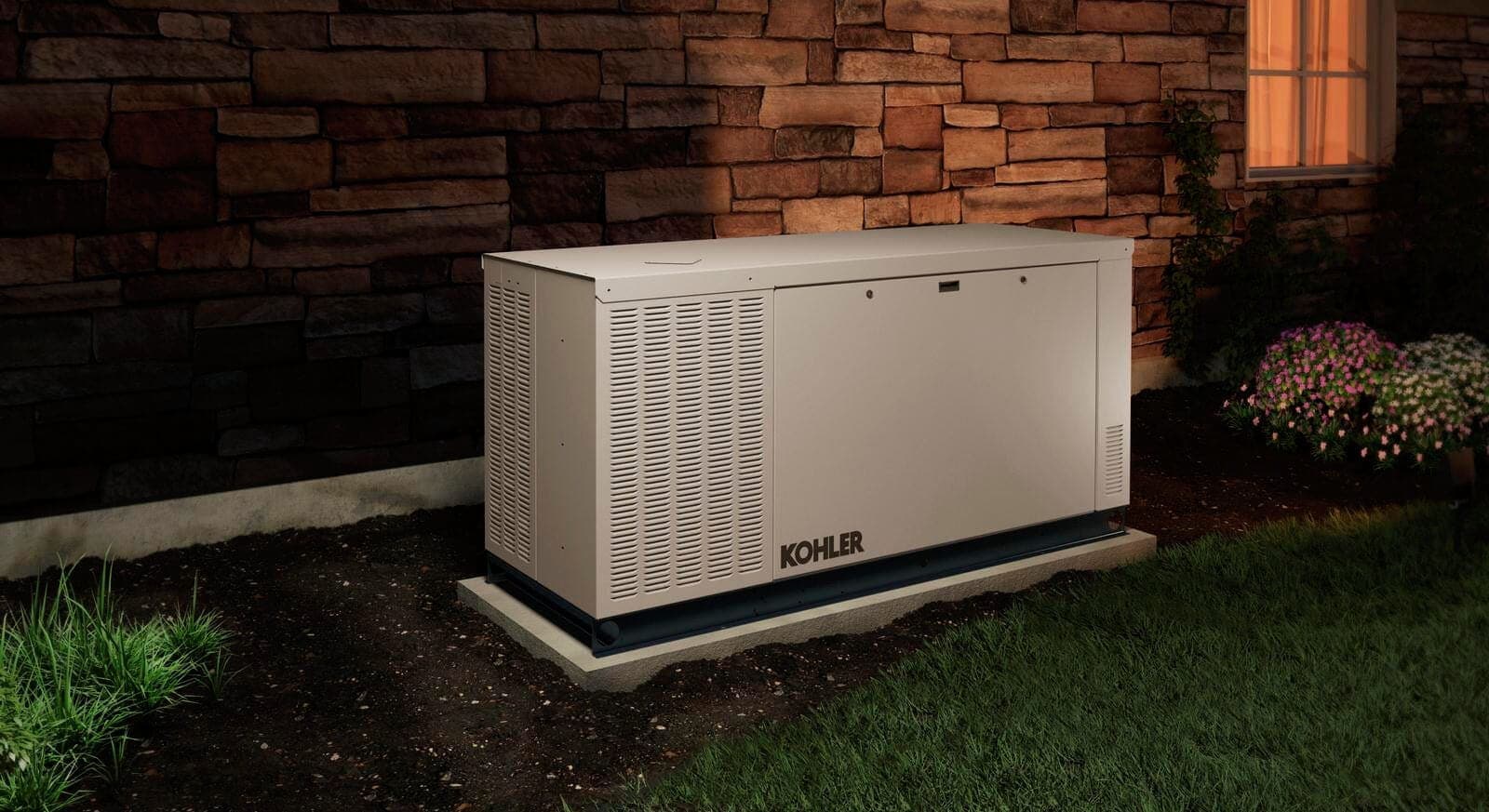
The unit must be at least 5 feet from windows, doors, and fresh air intakes, and at least 18 inches from exterior walls. We recommend a level concrete pad in an accessible location. Our installation team handles all placement planning, permitting, and code compliance.
A whole-home system powers your entire electrical panel — HVAC, kitchen, lighting, everything. A partial-home system uses a sub-panel to power only critical circuits like the refrigerator, furnace, medical equipment, and select lighting. Partial systems cost less and use smaller generators. We help you decide which approach fits your needs and budget.
Often yes. During your consultation, we evaluate your gas meter capacity and coordinate with PG&E if an upgrade is needed. The utility performs the upgrade at no charge in most cases, though it can add 2 to 4 weeks to the timeline.
Most residential installations complete within 1 to 2 weeks from permit approval. The process: free consultation, system design, permitting, site prep (concrete pad, gas line), installation, and commissioning with a full walkthrough.
Roughly $1 per hour under typical load for a residential natural gas generator. Weekly exercise cycles (12 minutes) cost negligibly. Propane costs slightly more per hour but offers on-site fuel storage independent of utility infrastructure.
15 to 20 years with proper maintenance. Since residential generators run relatively few hours per year (mainly during outages and weekly exercises), lifespan is determined by maintenance quality more than runtime.
Annual service includes oil and filter changes, spark plug inspection, air filter replacement, battery testing, coolant check, transfer switch inspection, and a full load test. Between annual services, the generator exercises automatically each week. OnPoint Generators offers maintenance plans with scheduled visits and priority emergency service.
Generac includes a 5-year limited warranty, upgradeable to 7 or 10 years within the first year. Kohler and Cummins offer similar structures. Our installation workmanship is separately warranted. We recommend extended coverage for whole-home systems.
Yes. Most modern generators include WiFi connectivity. Generac's Mobile Link lets you monitor status, maintenance schedule, and run history from your smartphone with real-time alerts. We configure WiFi as part of every installation.
Yes. We offer flexible financing through our financial partners with online pre-qualification that won't affect your credit score. Monthly payments and terms vary based on your credit profile and project scope.
Commercial generator sizing depends on your total electrical load, which circuits are critical, redundancy requirements, and compliance standards. We handle buildings from 10kW single-phase retail to 3.5MW industrial power plants. Every project starts with a detailed load analysis — we review your electrical panels, identify critical loads, and specify the right system. There is no one-size-fits-all answer, which is why the site assessment is essential.
NFPA 110 governs emergency and standby power systems for facilities where life safety depends on backup power — hospitals, data centers, high-rise buildings, and certain government facilities. It requires documented maintenance programs, regular load bank testing, monthly exercise testing, and comprehensive record-keeping. We provide turnkey NFPA 110 compliance services including assessments, documentation, audit preparation, and remediation.
We recommend quarterly service for commercial and critical facilities. Each visit includes oil and filter service, coolant and fuel system checks, battery testing, transfer switch inspection, and NFPA-compliant documentation. Annual load bank testing verifies the generator delivers full rated power. Facilities with higher runtime or compliance requirements may need monthly service.
Load bank testing connects a calibrated resistive load to your generator to verify it produces its full rated output under real conditions. Our process: pre-test gauge check, generator startup, gradual load application, performance monitoring at 25%, 50%, 75%, and 100% of rated capacity, and a detailed compliance-grade report. Testing takes 2 to 4 hours and does not interact with your building's electrical system.
Maintenance program customers receive priority scheduling for emergency service. We provide 24/7 on-call support with same-day response for critical facilities within our service area. For non-emergency maintenance, we schedule visits within the current service cycle. Contact us at (831) 375-1463 for emergency support.
Yes. We currently serve clients with portfolios of 10+ buildings across the Bay Area, Central Coast, Central Valley, and Northern Nevada. We coordinate maintenance schedules, compliance deadlines, and emergency response across all your sites through a single point of contact. Our clients include leading commercial property managers, industrial operators, and facility management firms.
We carry above-standard coverage including general liability, umbrella liability, auto, and workers' compensation. We process Certificate of Insurance (COI) requests within 24 hours. Our coverage meets or exceeds the requirements of major property management firms and general contractors.
Yes. Through our partners Sunbelt Rentals and EquipmentShare, we coordinate temporary power from 20kW to 2MW+ for emergencies, planned outages, generator replacements, and construction projects. We handle sizing, delivery, electrical connection, and fuel management — you get a single point of contact.
We are certified dealers for Kohler, Cummins, Generac, Caterpillar, MQ, Gillette, and Isuzu. We also service most other commercial generator brands. Our technicians hold factory certifications and have access to OEM parts and technical support across all major manufacturers.
Yes. We have experience with public works projects requiring prevailing wage compliance, and we work with state and local government agencies across California and Nevada. We are licensed in both states.
A partial-home generator covering essential circuits starts around $10,000 installed. A whole-home standby generator that powers your entire panel typically starts around $14,000 installed. Costs vary based on generator size, fuel type, electrical complexity, and permitting requirements. Every project begins with a free on-site consultation so we can provide an accurate quote with no surprises.
A standby generator monitors your utility power continuously. When it detects an outage, an automatic transfer switch disconnects your home from the grid and starts the generator within 10 to 30 seconds. It runs on natural gas or propane, powering your home until utility power is restored — then it shuts down automatically. No manual intervention required.
The unit must be at least 5 feet from windows, doors, and fresh air intakes, and at least 18 inches from exterior walls. We recommend a level concrete pad in an accessible location. Our installation team handles all placement planning, permitting, and code compliance.
A whole-home system powers your entire electrical panel — HVAC, kitchen, lighting, everything. A partial-home system uses a sub-panel to power only critical circuits like the refrigerator, furnace, medical equipment, and select lighting. Partial systems cost less and use smaller generators. We help you decide which approach fits your needs and budget.
Often yes. During your consultation, we evaluate your gas meter capacity and coordinate with PG&E if an upgrade is needed. The utility performs the upgrade at no charge in most cases, though it can add 2 to 4 weeks to the timeline.
Most residential installations complete within 1 to 2 weeks from permit approval. The process: free consultation, system design, permitting, site prep (concrete pad, gas line), installation, and commissioning with a full walkthrough.
Roughly $1 per hour under typical load for a residential natural gas generator. Weekly exercise cycles (12 minutes) cost negligibly. Propane costs slightly more per hour but offers on-site fuel storage independent of utility infrastructure.
15 to 20 years with proper maintenance. Since residential generators run relatively few hours per year (mainly during outages and weekly exercises), lifespan is determined by maintenance quality more than runtime.
Annual service includes oil and filter changes, spark plug inspection, air filter replacement, battery testing, coolant check, transfer switch inspection, and a full load test. Between annual services, the generator exercises automatically each week. OnPoint Generators offers maintenance plans with scheduled visits and priority emergency service.
Generac includes a 5-year limited warranty, upgradeable to 7 or 10 years within the first year. Kohler and Cummins offer similar structures. Our installation workmanship is separately warranted. We recommend extended coverage for whole-home systems.
Yes. Most modern generators include WiFi connectivity. Generac's Mobile Link lets you monitor status, maintenance schedule, and run history from your smartphone with real-time alerts. We configure WiFi as part of every installation.
Yes. We offer flexible financing through our financial partners with online pre-qualification that won't affect your credit score. Monthly payments and terms vary based on your credit profile and project scope.
Commercial generator sizing depends on your total electrical load, which circuits are critical, redundancy requirements, and compliance standards. We handle buildings from 10kW single-phase retail to 3.5MW industrial power plants. Every project starts with a detailed load analysis — we review your electrical panels, identify critical loads, and specify the right system. There is no one-size-fits-all answer, which is why the site assessment is essential.
NFPA 110 governs emergency and standby power systems for facilities where life safety depends on backup power — hospitals, data centers, high-rise buildings, and certain government facilities. It requires documented maintenance programs, regular load bank testing, monthly exercise testing, and comprehensive record-keeping. We provide turnkey NFPA 110 compliance services including assessments, documentation, audit preparation, and remediation.
We recommend quarterly service for commercial and critical facilities. Each visit includes oil and filter service, coolant and fuel system checks, battery testing, transfer switch inspection, and NFPA-compliant documentation. Annual load bank testing verifies the generator delivers full rated power. Facilities with higher runtime or compliance requirements may need monthly service.
Load bank testing connects a calibrated resistive load to your generator to verify it produces its full rated output under real conditions. Our process: pre-test gauge check, generator startup, gradual load application, performance monitoring at 25%, 50%, 75%, and 100% of rated capacity, and a detailed compliance-grade report. Testing takes 2 to 4 hours and does not interact with your building's electrical system.
Maintenance program customers receive priority scheduling for emergency service. We provide 24/7 on-call support with same-day response for critical facilities within our service area. For non-emergency maintenance, we schedule visits within the current service cycle. Contact us at (831) 375-1463 for emergency support.
Yes. We currently serve clients with portfolios of 10+ buildings across the Bay Area, Central Coast, Central Valley, and Northern Nevada. We coordinate maintenance schedules, compliance deadlines, and emergency response across all your sites through a single point of contact. Our clients include leading commercial property managers, industrial operators, and facility management firms.
We carry above-standard coverage including general liability, umbrella liability, auto, and workers' compensation. We process Certificate of Insurance (COI) requests within 24 hours. Our coverage meets or exceeds the requirements of major property management firms and general contractors.
Yes. Through our partners Sunbelt Rentals and EquipmentShare, we coordinate temporary power from 20kW to 2MW+ for emergencies, planned outages, generator replacements, and construction projects. We handle sizing, delivery, electrical connection, and fuel management — you get a single point of contact.
We are certified dealers for Kohler, Cummins, Generac, Caterpillar, MQ, Gillette, and Isuzu. We also service most other commercial generator brands. Our technicians hold factory certifications and have access to OEM parts and technical support across all major manufacturers.
Yes. We have experience with public works projects requiring prevailing wage compliance, and we work with state and local government agencies across California and Nevada. We are licensed in both states.
Still Have Questions?
Our team is happy to answer any questions about generators, installation, or maintenance. Contact us anytime.