Kohler · KG Series (Industrial Gaseous)

New

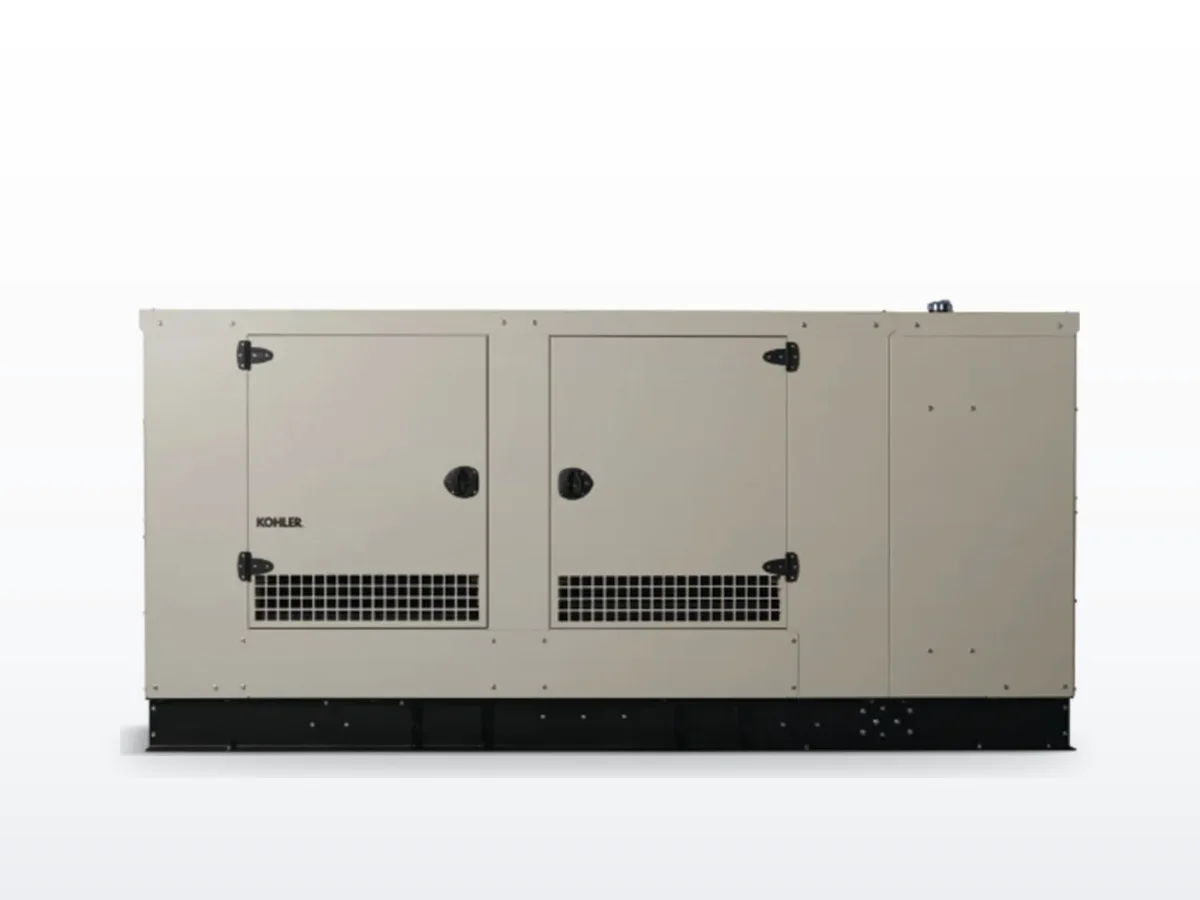
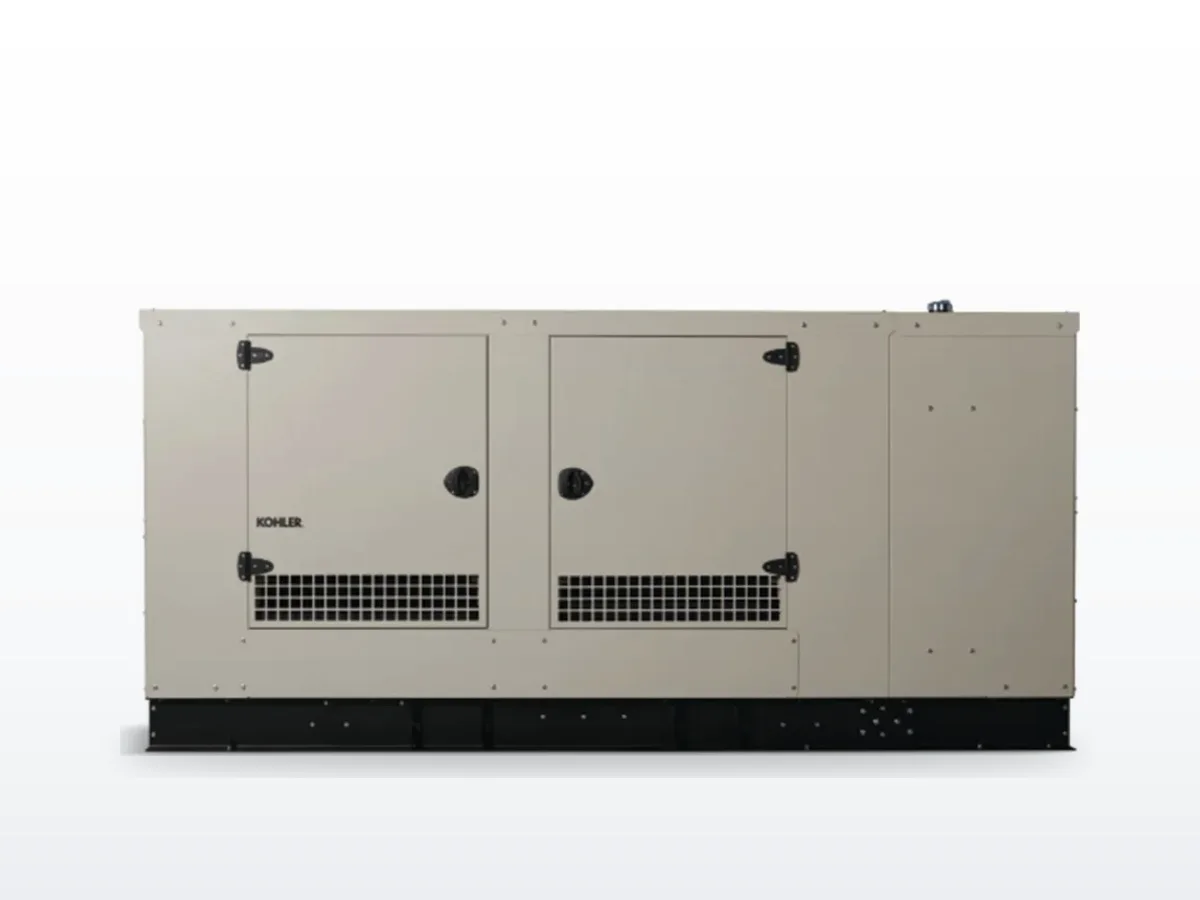
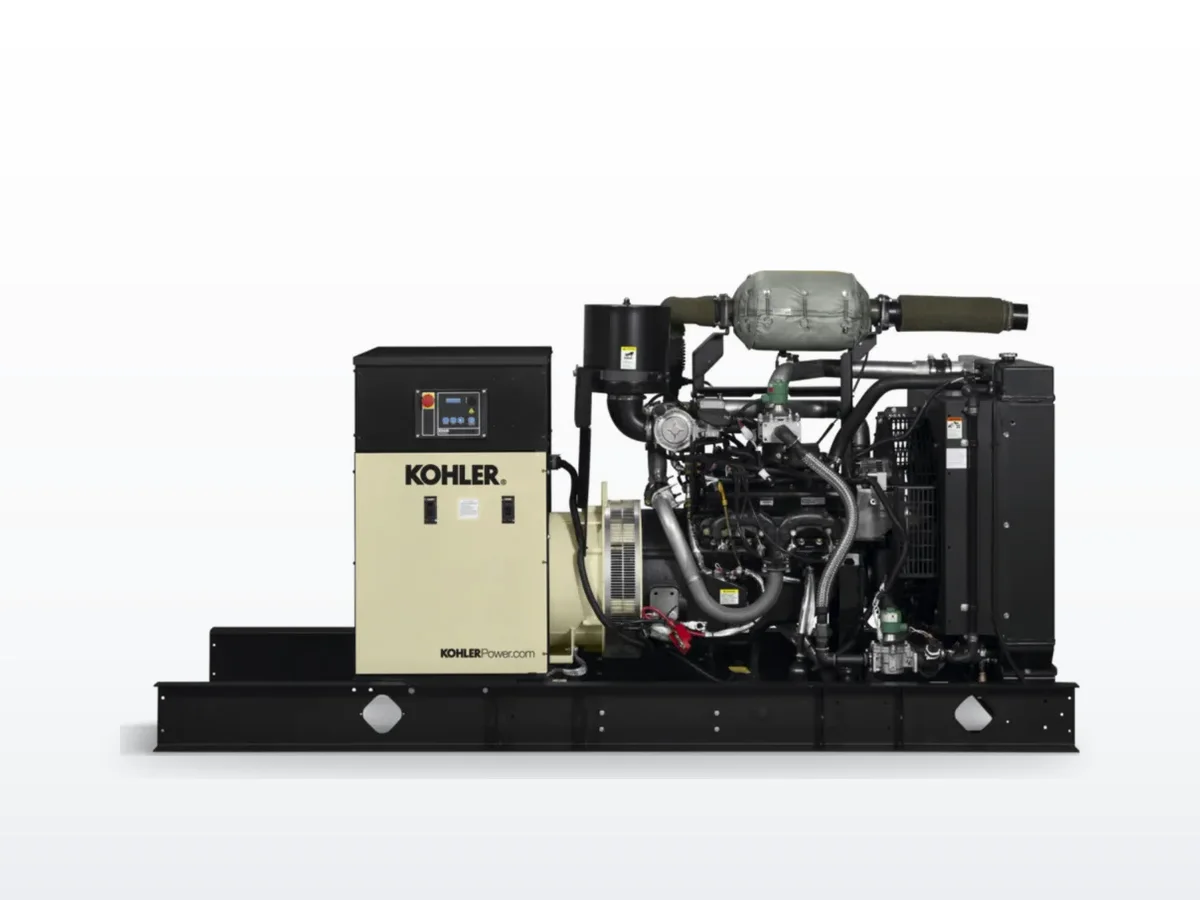
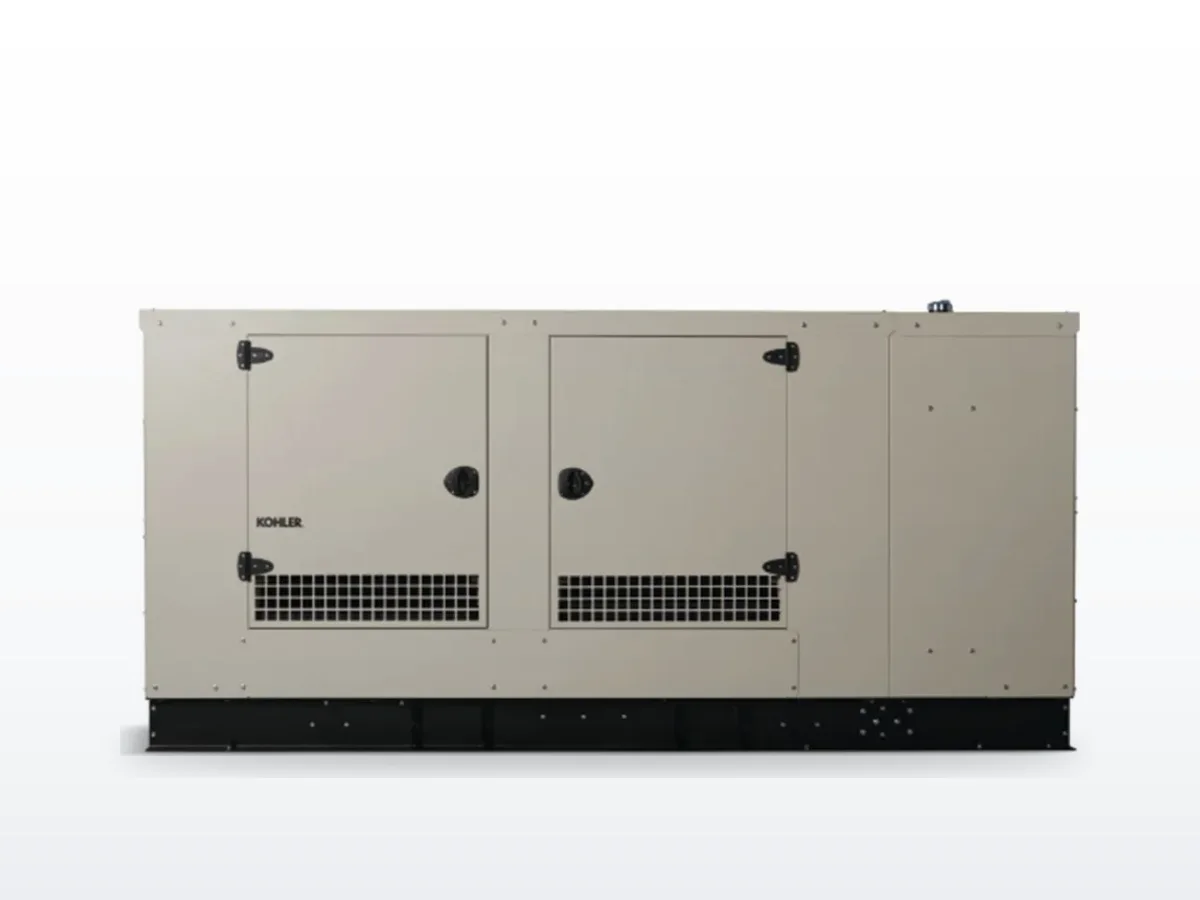
Kohler KG100

100 kW standby / 90 kW prime · Natural Gas / LPG / Dual Fuel (NG/LPG) · Liquid-cooled

100 kW gaseous-fueled commercial standby generator. Upper-mid-range industrial gaseous unit for larger commercial facilities on natural gas or propane.

Standby power
100 kW / 90 kW prime
Voltage options
120/240V, 208V, 240V, 480V
Frequency / Phase
60 Hz · 1/3-phase
Engine
Kohler KG102 · 9.3L
EPA / Emissions
EPA Stationary Spark Ignition
Alternator
Kohler 4UA14
medium-commerciallarge-retailhotelhospital-non-criticaldata-closetmulti-familyindustrial-lightcold-storage

Overview#

The Kohler KG100 is a 100-kilowatt commercial standby generator and the first turbocharged unit in the KG gaseous lineup. Below it, the KG60 and KG80 use naturally-aspirated engines; at 100 kW and above, Kohler transitions to forced-induction platforms that deliver more power from a similar footprint.

This is the sweet spot for medium-to-large commercial facilities: full-service hotels, large retail centers, multi-family residential buildings, light industrial operations, and non-critical hospital loads where gaseous fuel is preferred over diesel.

The turbo difference#

The KG100's turbocharged inline-6 is a meaningful platform change from the KG60/KG80 naturally-aspirated V8s:

Sizing guidance#

The KG100 is the right call when your load study shows 60-80 kW peak with meaningful motor-starting transients that the KG80 can't absorb cleanly.

OnPoint service experience#

The KG100 turbo platform requires slightly different attention than the NA units below it. We add turbo inspection (bearing play, oil drain condition, intercooler hose integrity) to the annual service checklist. Otherwise, the ignition and coolant service patterns mirror the rest of the KG line. The inline-6 is notably smoother and quieter than the V8 under sustained load — building occupants notice the difference.

Service intervals

Manufacturer-recommended intervals for the Kohler KG100 under standby duty. Field intervals may differ based on load profile, ambient conditions, and fuel quality.

Oil & filter
Every 500 hours or 12 months
Coolant change
Every 4000 hours
Air filter
Every 1000 hours
Spark plugs
Every 2000 hours
Major overhaul
20,000 hours
Load bank test
Every 12 months

Common failure modes

What we've seen fail on this platform. Use as a service-planning reference, not a diagnostic — actual failure modes depend heavily on duty cycle and maintenance history.

ComponentSymptomTypical hoursSeverity
Turbocharger bearings / sealsOil in intake, blue smoke, reduced power output12,000+moderate
Spark plugs / ignition coilsMisfire under load, cylinder dropout codes2,000+minor
Intercooler hoses (if equipped)Boost leak, reduced power, audible hiss8,000+minor
Coolant thermostatOvercooling at light load, slow warmup, high fuel consumption10,000+minor
Battery (starting)Slow crank, low voltage during exercise8,760+minor

Parts cross-reference

oil Filter
Kohler GM30378
air Filter
Kohler GM62256
spark Plug
Champion RN14YC
starting Battery
Group 31 (recommended), Deka 9A31

Frequently Asked Questions

What is the standby power rating of the Kohler KG100?
The KG100 is rated 100 kW standby (90 kW prime) at 60 Hz. It's the first turbocharged unit in the KG line, offering significantly more power density than the naturally-aspirated KG80.
What engine is in the Kohler KG100?
The KG100 uses a turbocharged 9.3L inline-6 engine at 1800 RPM. The turbo enables 100 kW from a compact package — the step up from the NA V8 in the KG80.
Is the KG100 louder than the KG60 or KG80?
Slightly, but the turbocharged inline-6 actually produces a smoother exhaust note than the naturally-aspirated V8s below it. In a sound-attenuated enclosure, expect approximately 68-72 dBA at 7 meters.
What ATS sizing for the KG100?
At 480V three-phase: 200A ATS. At 208V three-phase: 400A ATS. Common pairings: Kohler KCS, ASCO 300 or 7000 Series, Eaton ATC-900.

Compatible equipment

Need service or parts for the Kohler KG100?

We service every major OEM and stock genuine parts for the most common models.