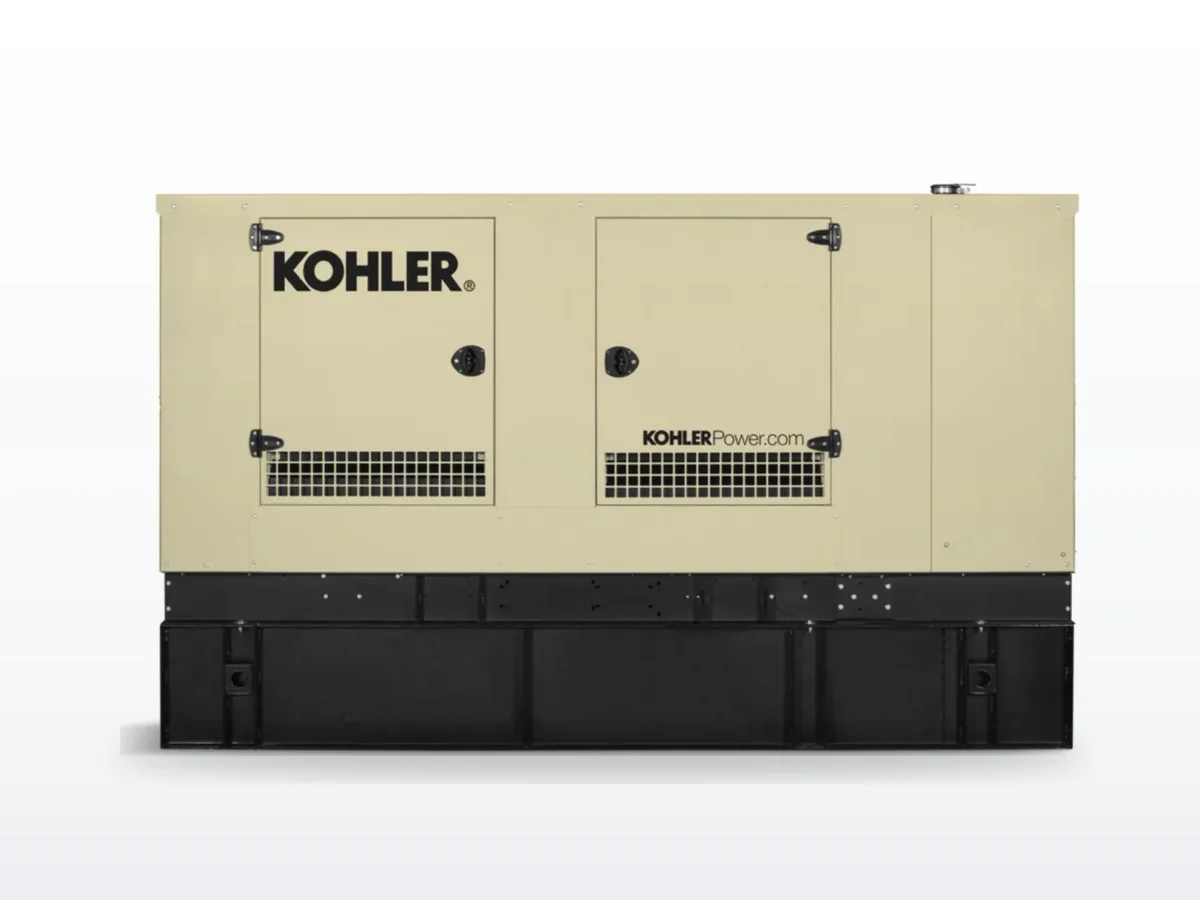
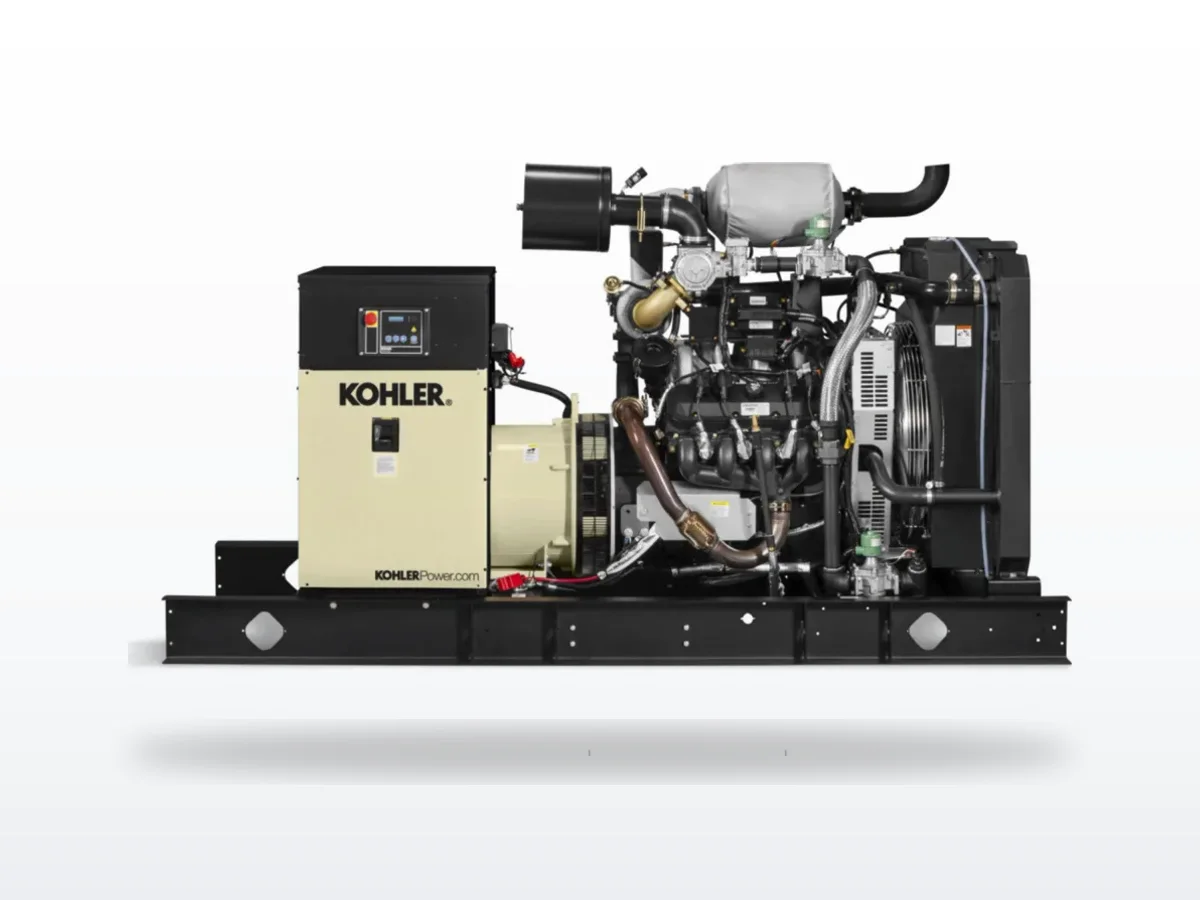
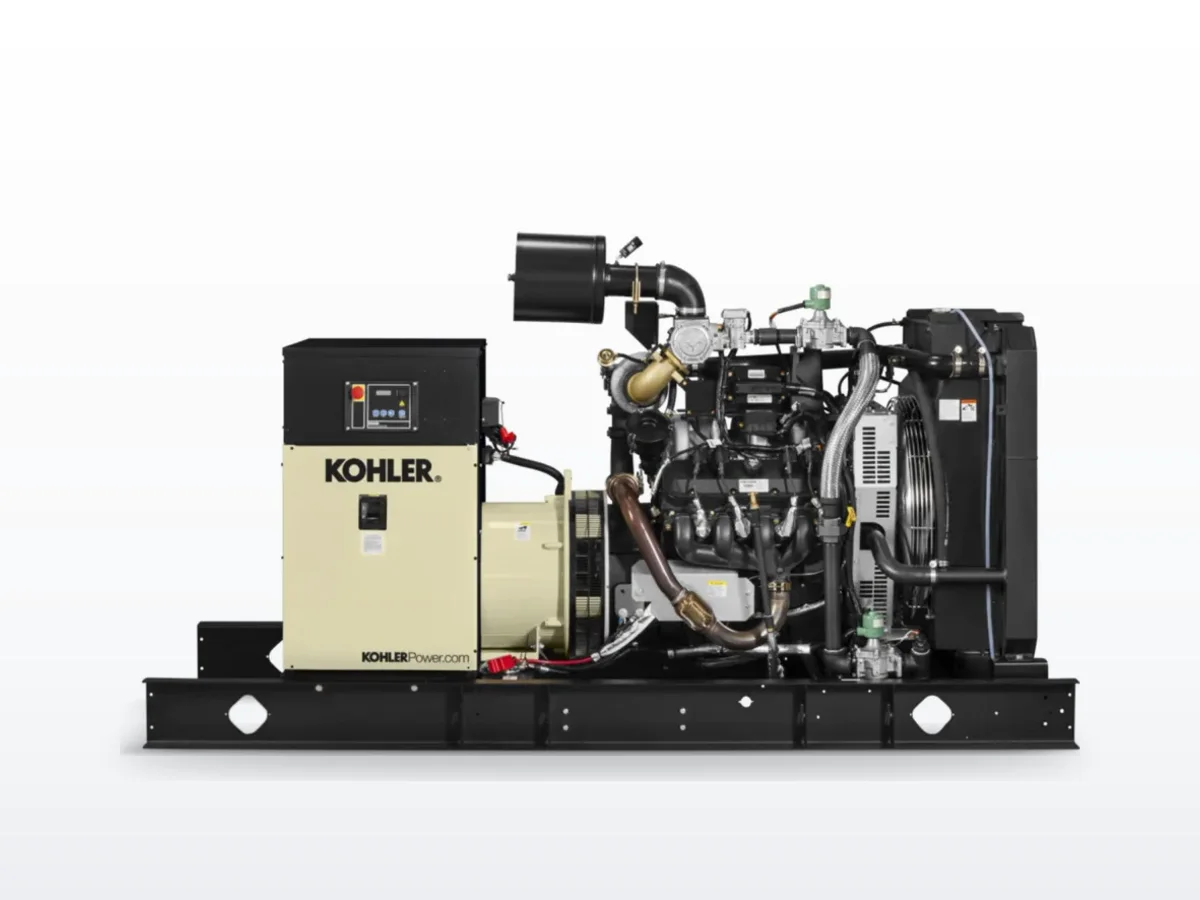
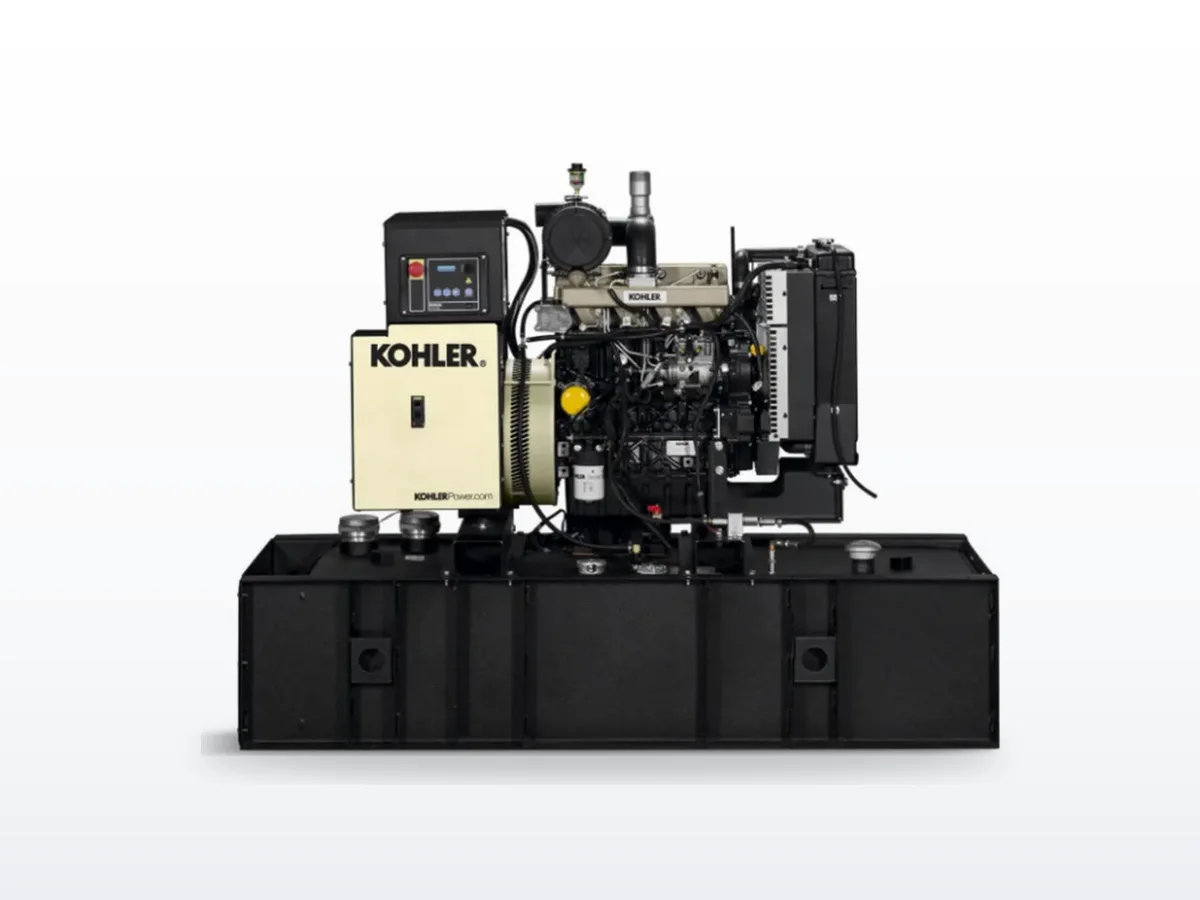
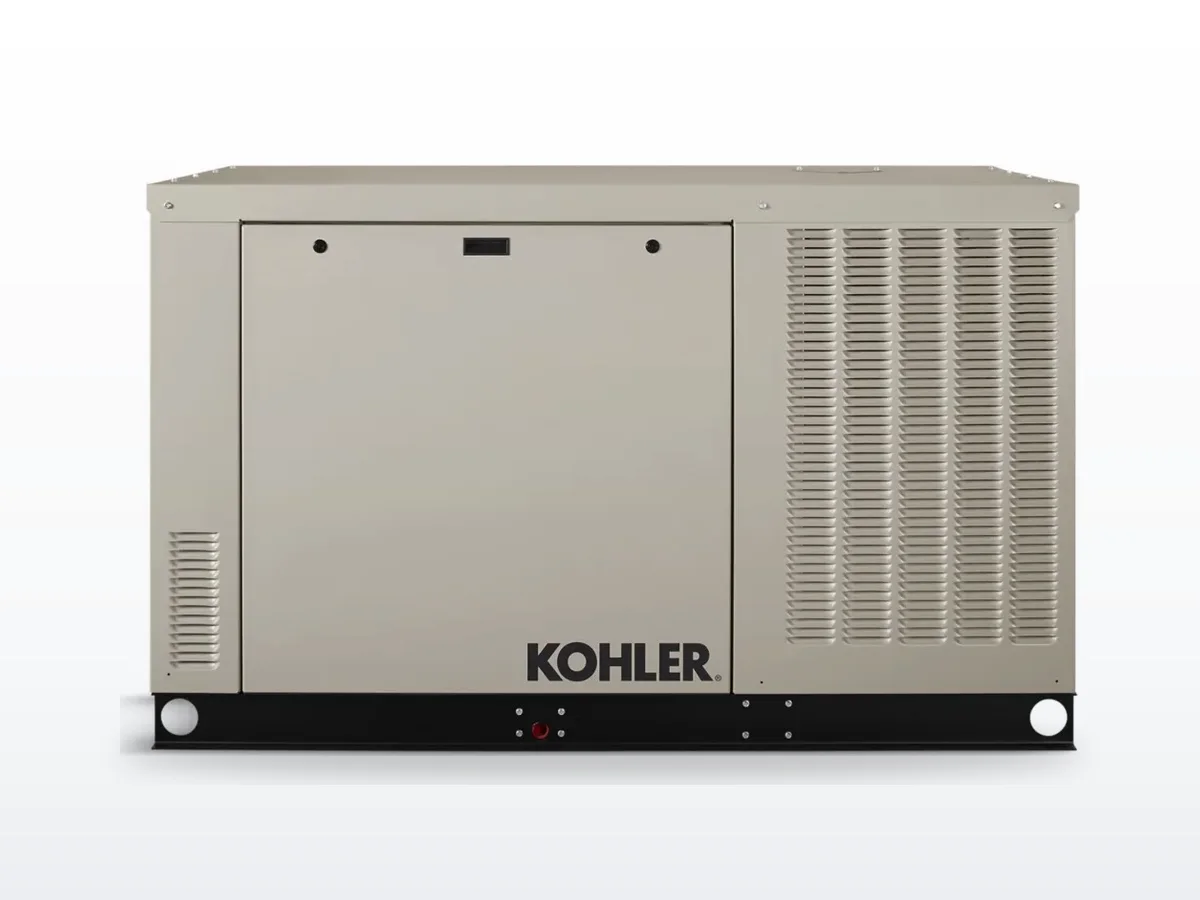
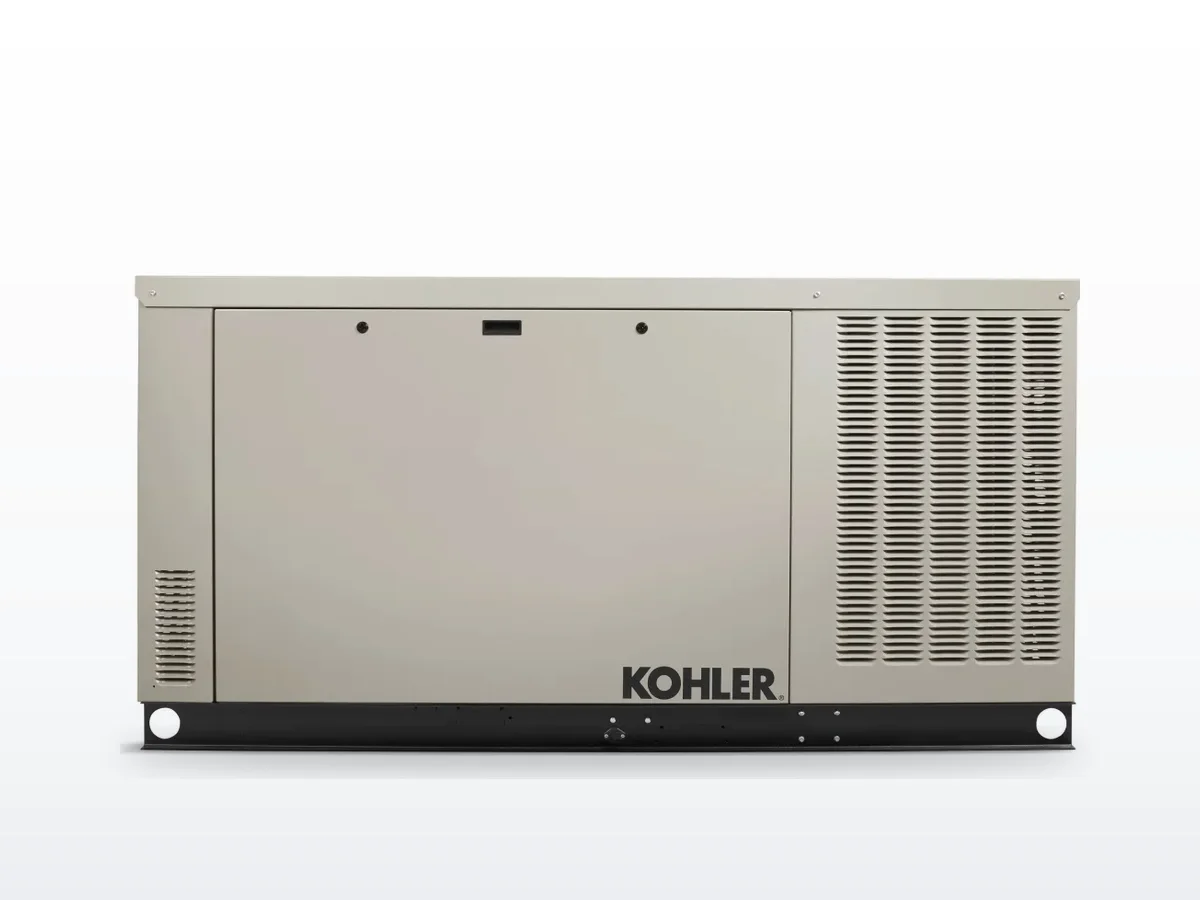
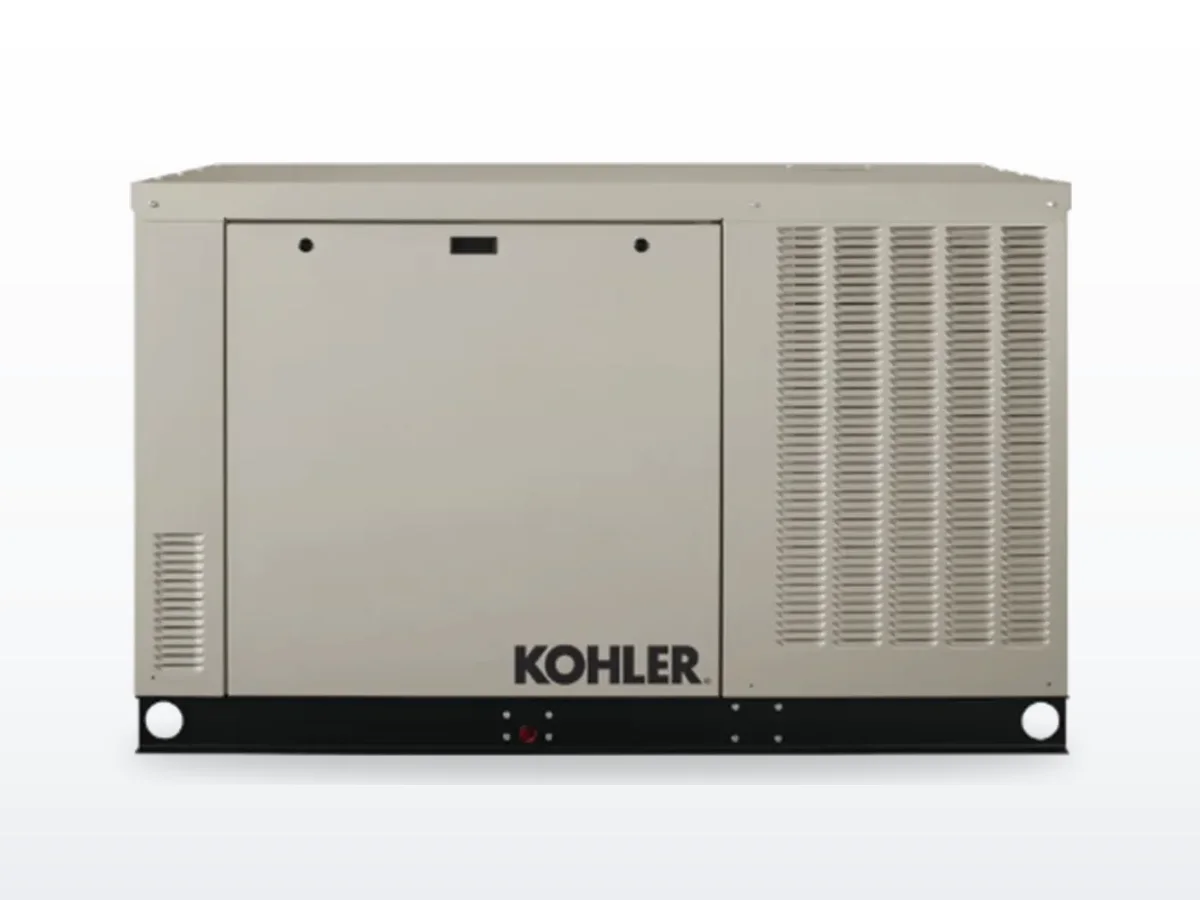
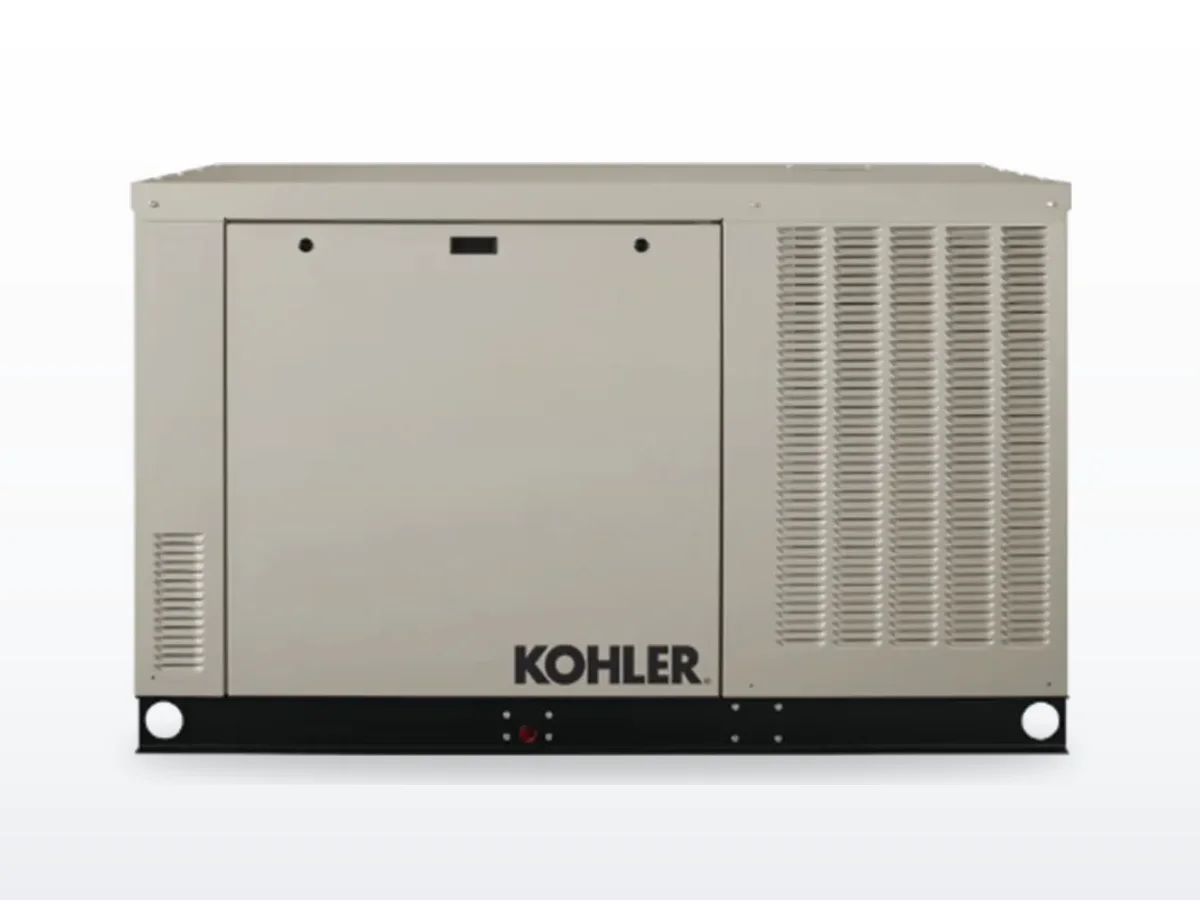
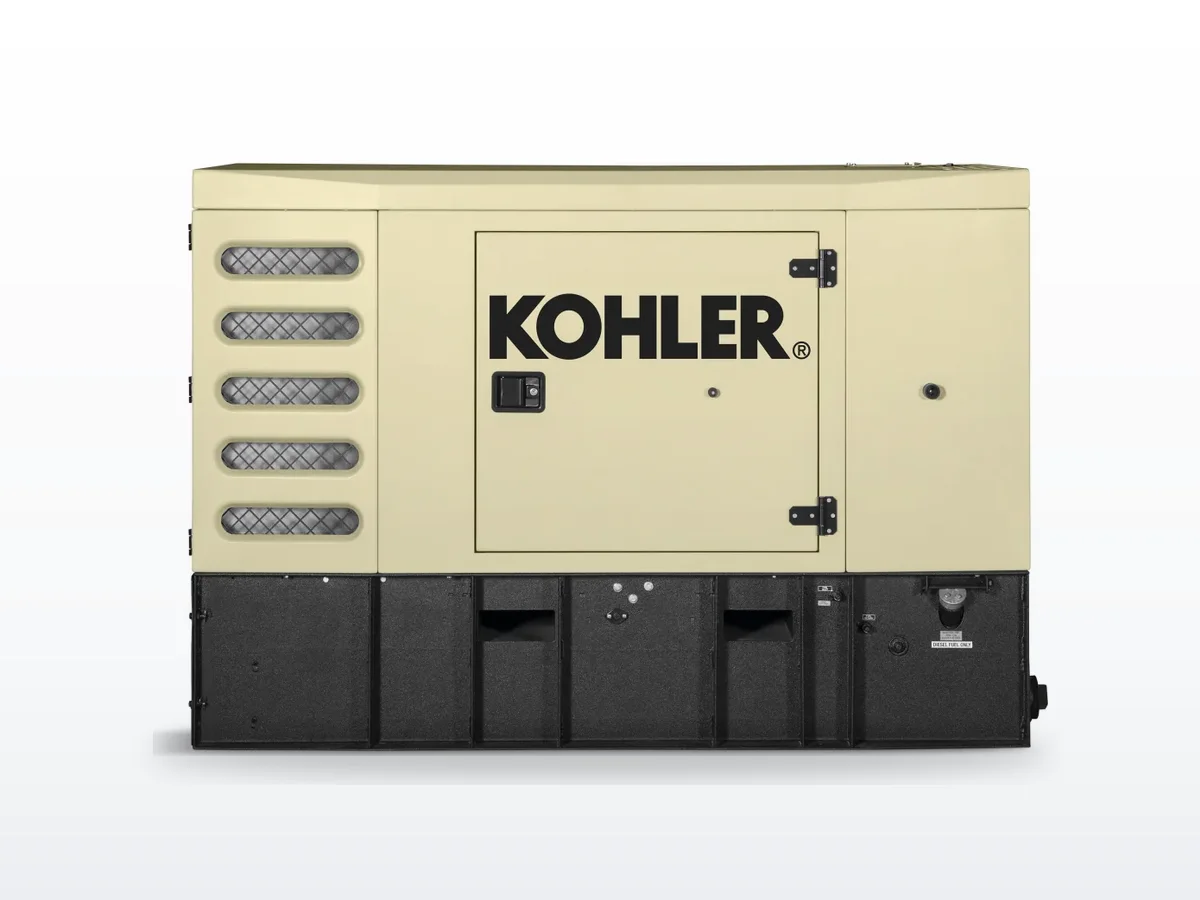
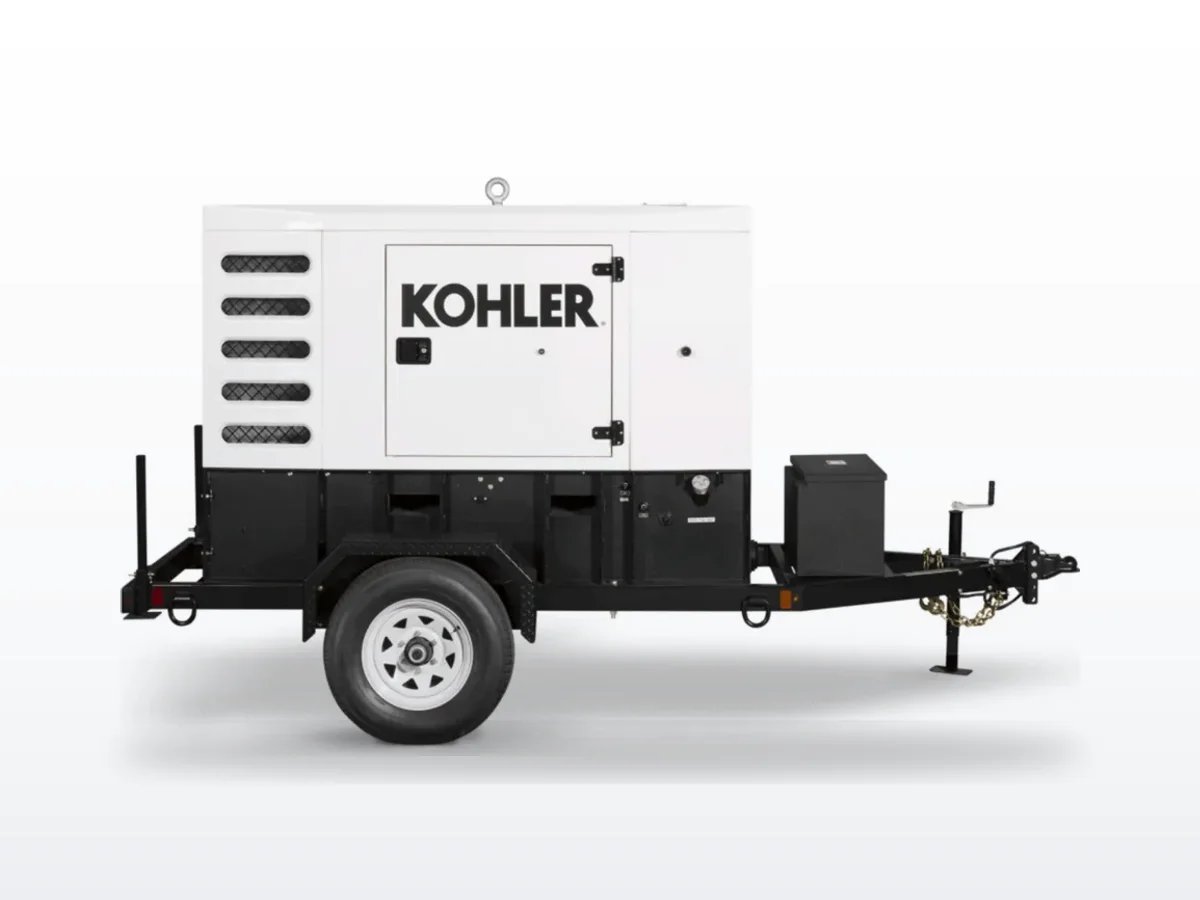
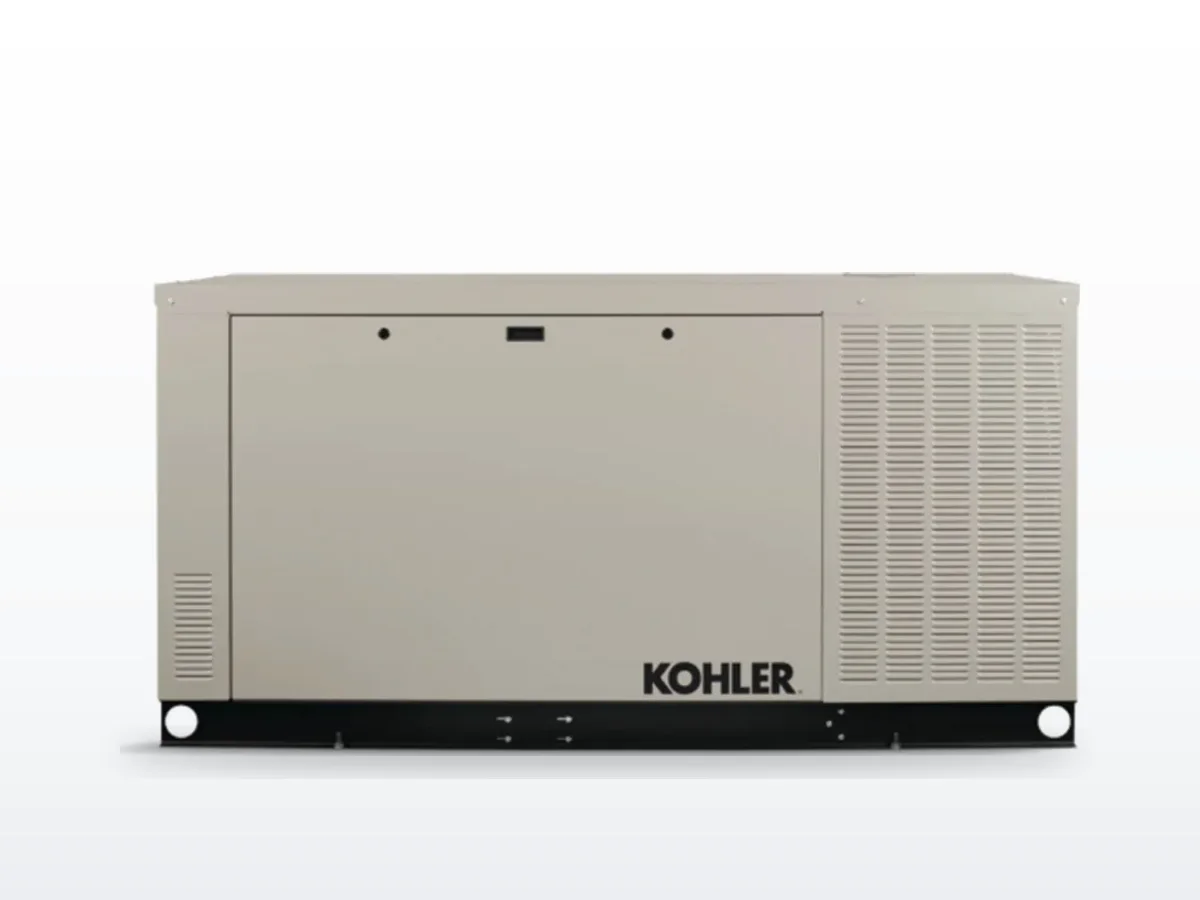
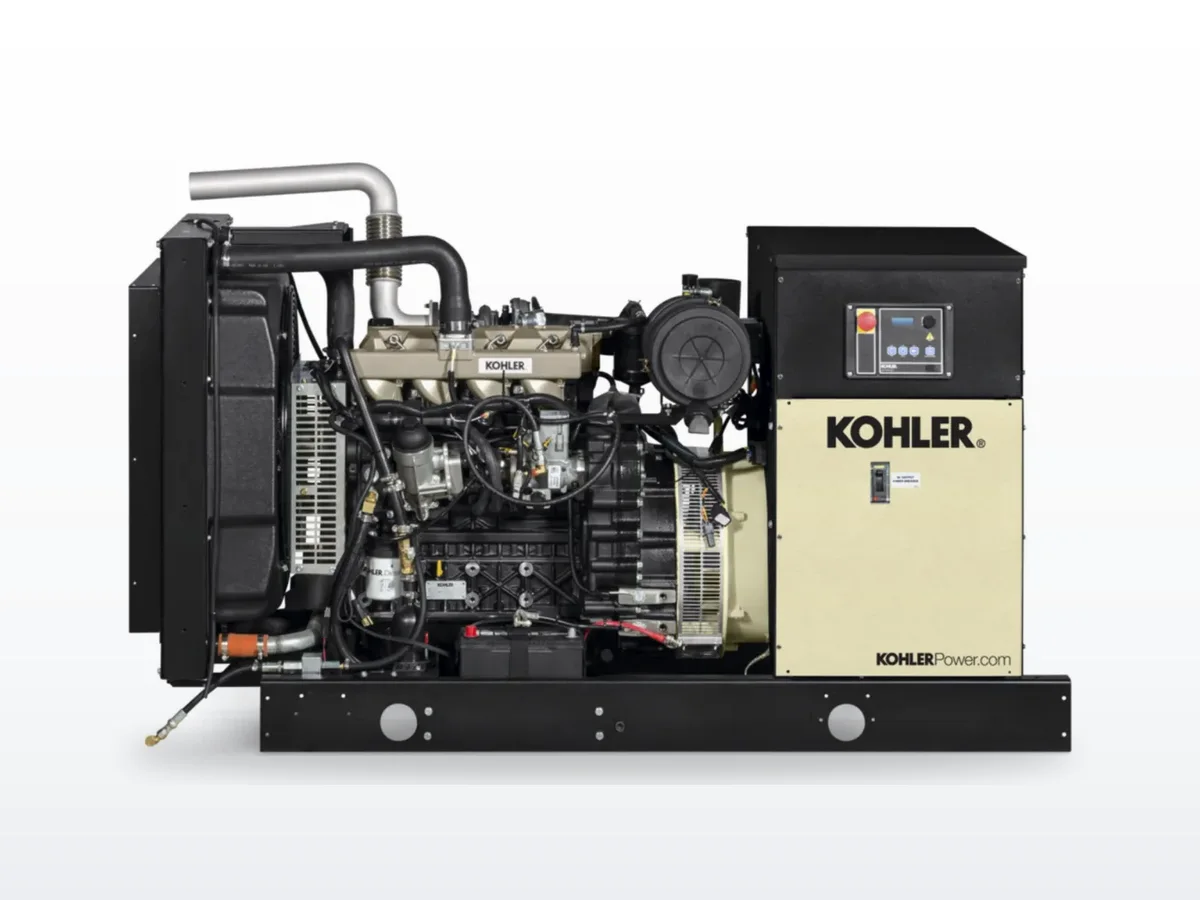
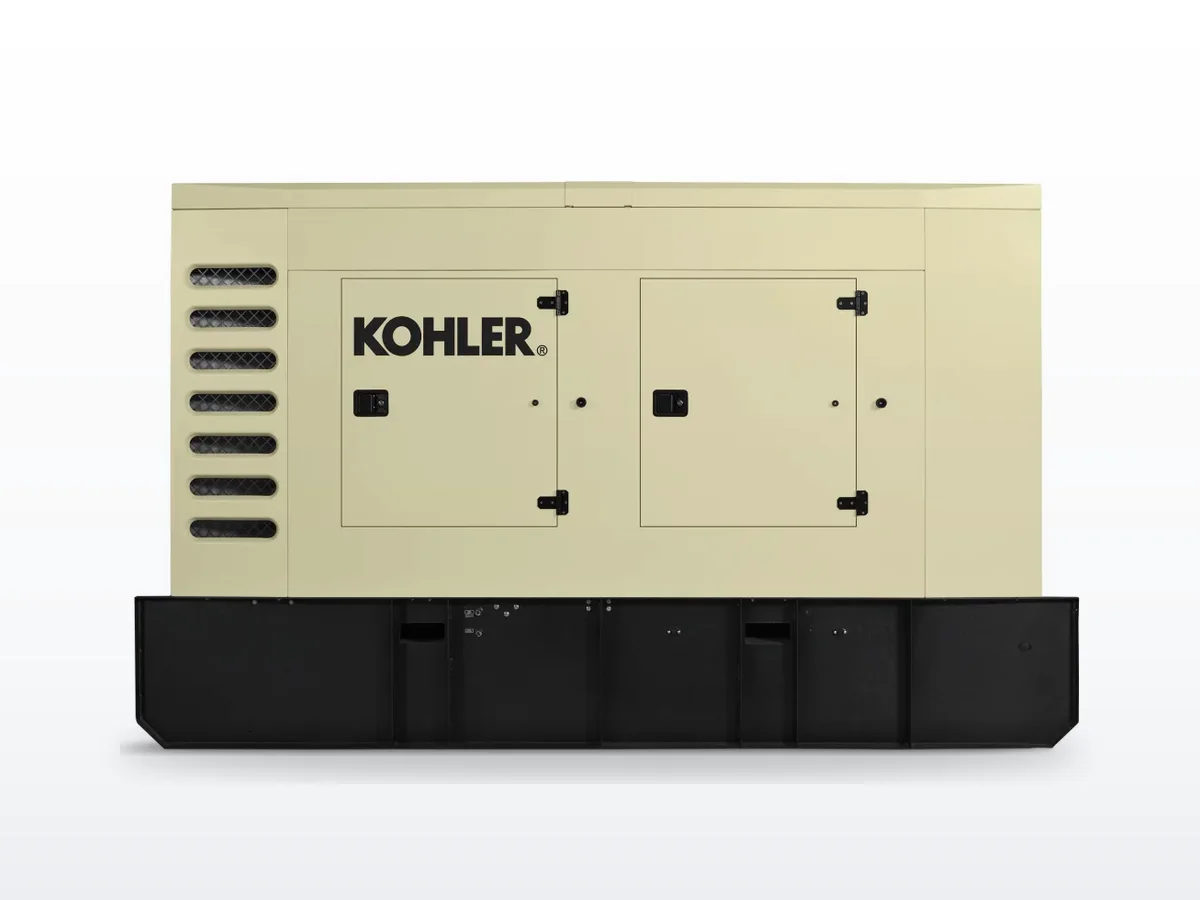
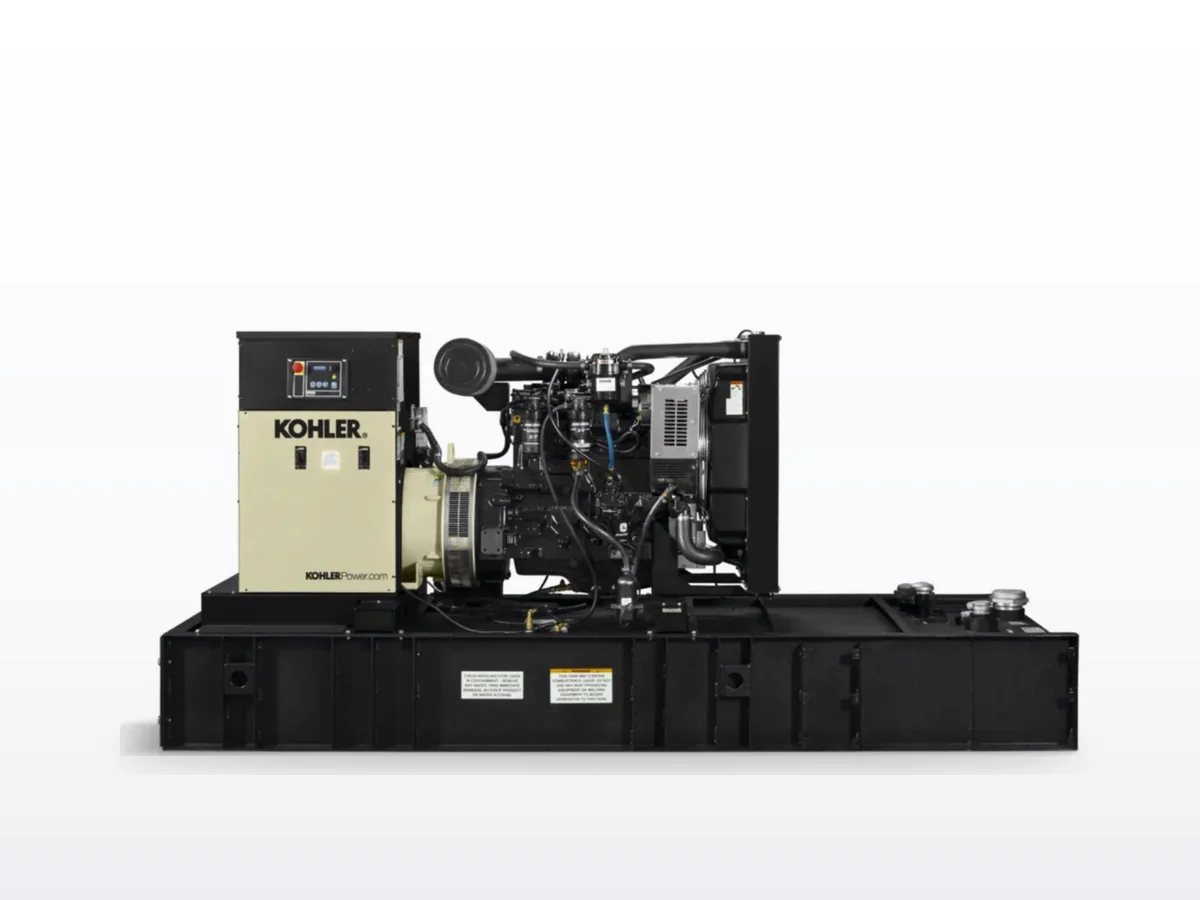
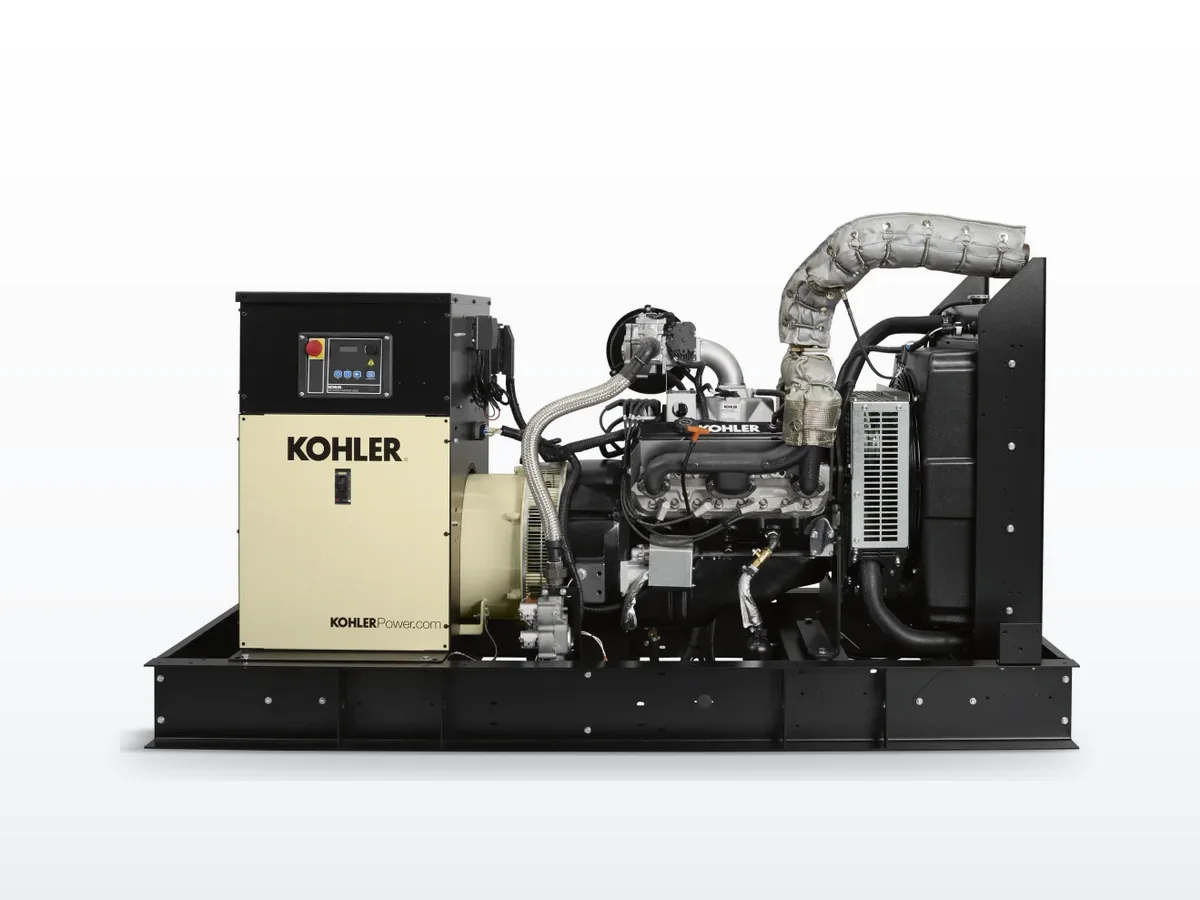
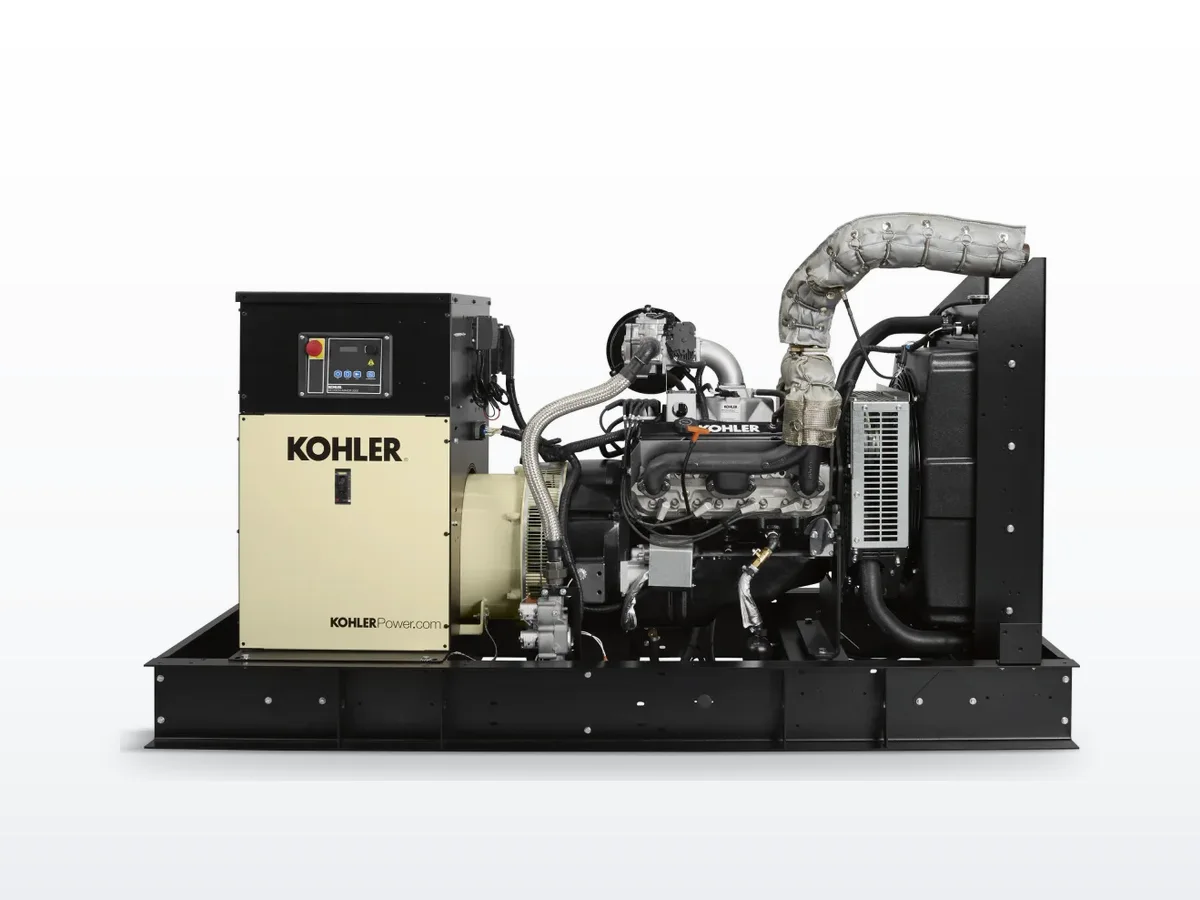
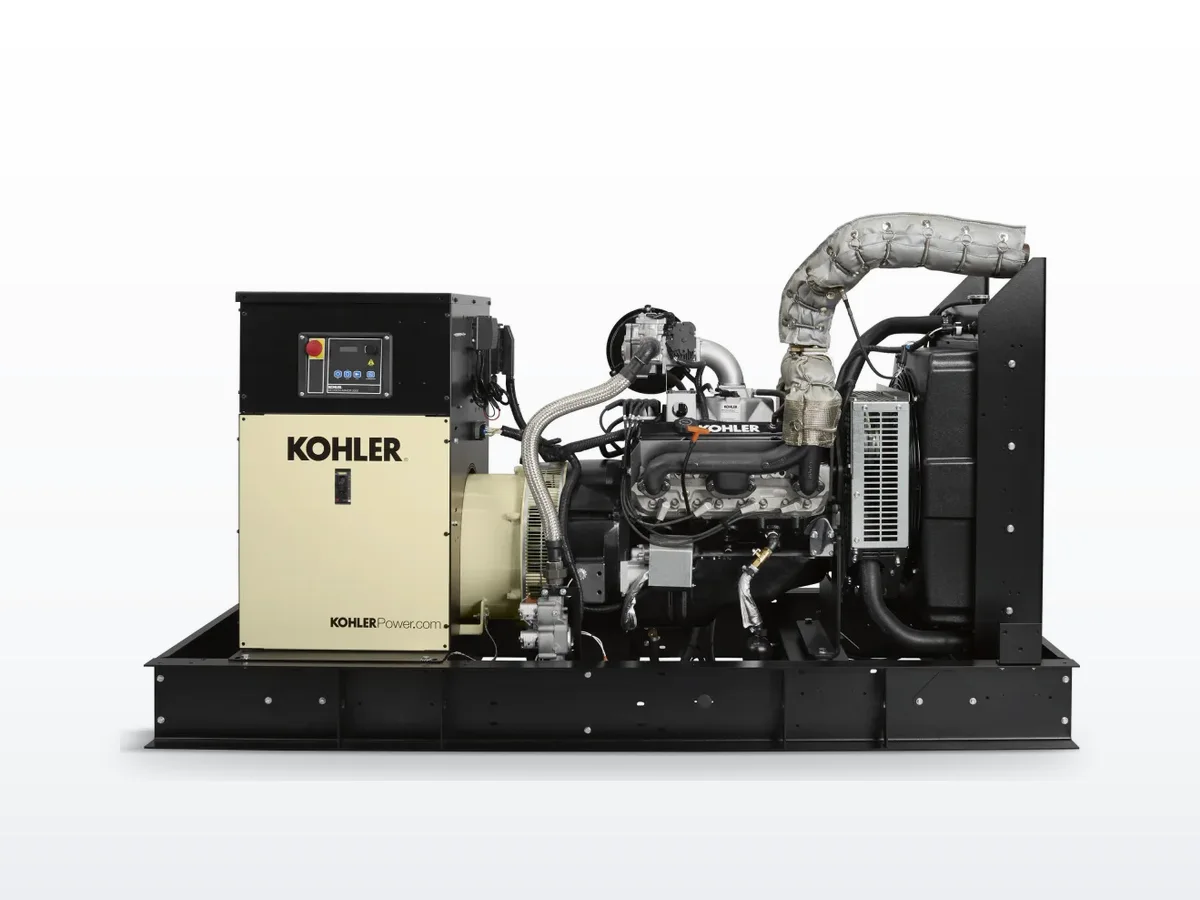
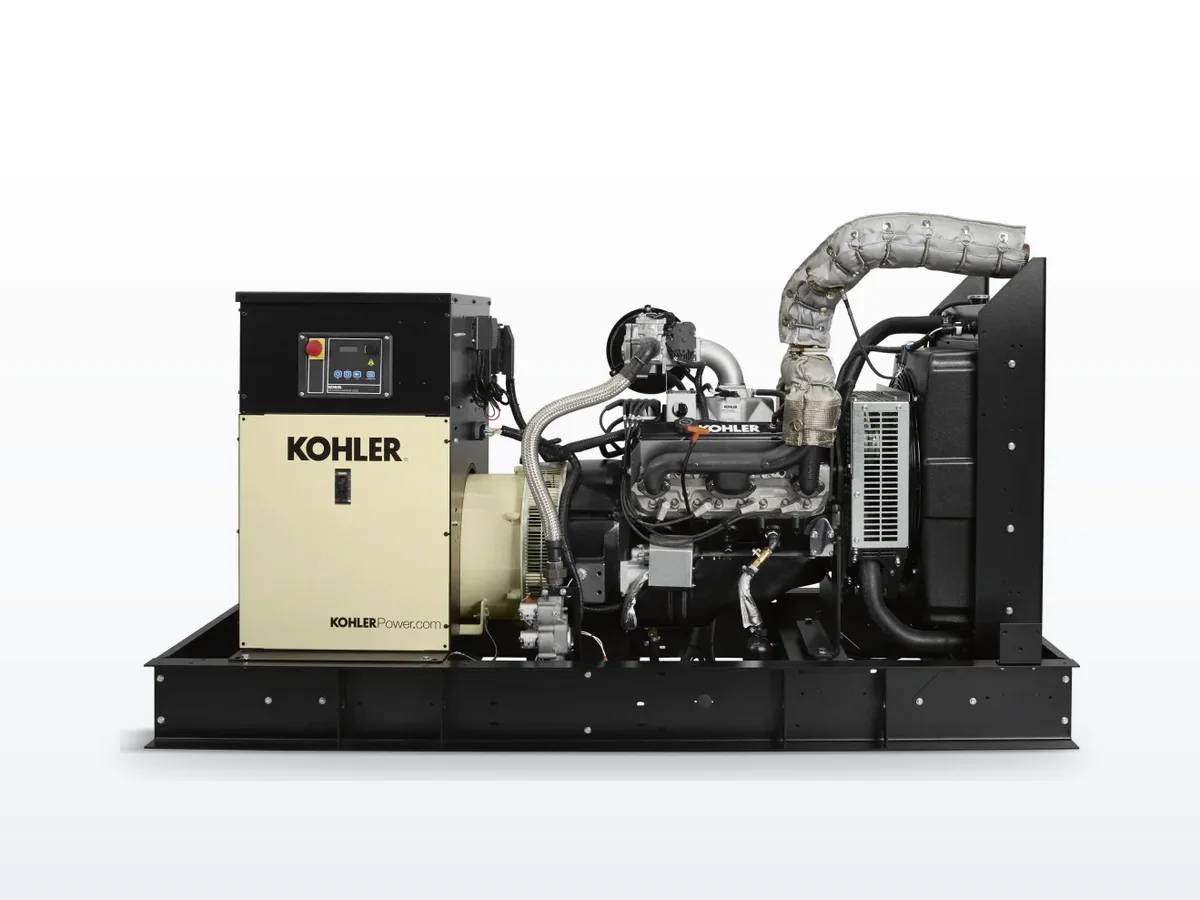
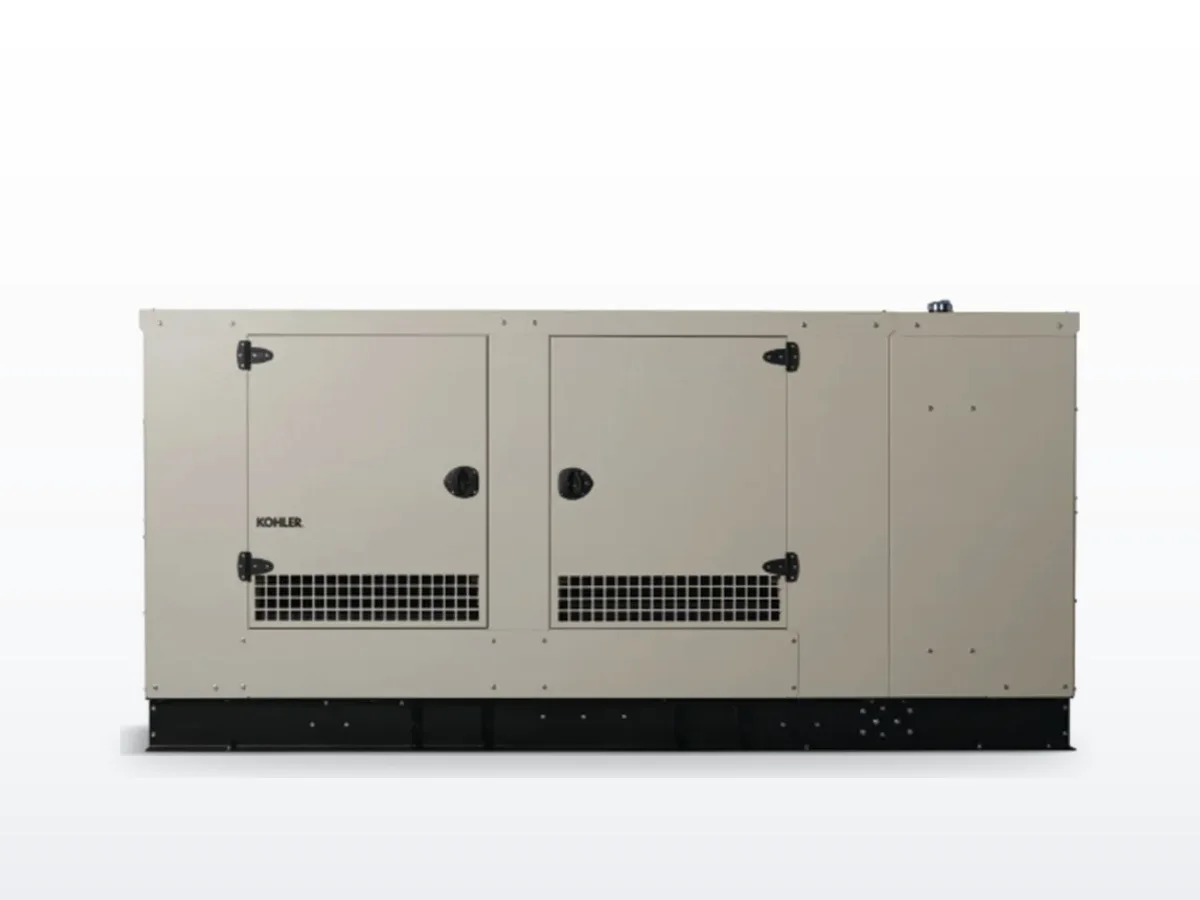
30-230 amp standard automatic transfer switch with MPAC controller. UL 1008 listed, single or three phase, service-entrance variants. Pairs natively with Kohler KG and KD series gensets.
The Kohler KCS Series is the standard automatic transfer switch in Kohler's industrial lineup for 30-230A applications. It's the natural pairing for the KG and KD-series gensets on the smaller end (KG60, KG80, KG100, KD800-class, etc.), but it's a fully OEM-agnostic ATS — any genset controller that can produce a start contact and accept transfer feedback can drive a KCS.
For amperage above 230A, Kohler's lineup continues into the KCC Series, which scales further on the same controller family. Kohler distributors publish KCC frames as high as 4000A.
MPAC 1500 controller integration. When paired with a Kohler genset, the MPAC 1500 speaks Kohler's native serial protocol, making the OnCue monitoring platform plug-and-play. Other ATS+genset pairings work fine but require Modbus mapping.
Service-entrance variants. Kohler offers service-entrance configurations of the KCS chassis (verify the exact suffix combination against the current Kohler ATS configurator), eliminating a separate main breaker upstream.
Compact footprint. The KCS chassis is significantly smaller than equivalent ASCO 300 Series at the same amperage — useful in retrofit scenarios where panel-room real estate is constrained.
Year 1: commissioning timer mis-configurations. The MPAC controller has a lot of programmable timers (engine start delay, transfer delay, return delay, cooldown delay, exerciser duration). If the commissioning agent leaves defaults, behavior often surprises operators on the first outage. Always tune.
Year 5-10: torque drift on lugs at higher amperage frames. Annual torque inspection catches this.
Year 10+: MPAC 1200 / 1500 controllers from earlier production runs occasionally have backlight degradation. Replacement controllers retain config via the firmware import file.
We service Kohler KCS Series across the central California coast as part of standard genset maintenance contracts. Annual service includes lug torque inspection, monthly exerciser verification, MPAC firmware check, and load-bank-coordinated transfer test. Common parts in stock: MPAC battery, lug hardware, gasket kits.
Frequently Asked Questions
What is the Kohler KCS Series amperage range?
Per Kohler TP-6833, the KCS/KCP/KCC family is published 30 to 4000 amperes. The KCS portion specifically covers 30-230 amperes; Kohler's lineup continues with the KCP Series (also through 230A but with different breaker compatibility) and the KCC Series for the higher amperages up to 4000A. The KCS/KCP/KCC family share controllers and largely the same chassis architecture, scaled to amperage.
What is the difference between KCS, KCP, and KCC?
All three are open-transition transfer switches sharing the same controller family (MPAC 1200/1500). KCS is the standard any-breaker-rated chassis. KCP is the standard specific-breaker-rated alternative. KCC is the larger-amperage continuation; Kohler distributors publish KCC frames up to 4000A.
Can the Kohler KCS be used as service-entrance equipment?
Yes. Kohler offers service-entrance variants of the KCS chassis. The model number suffixes encode breaker, enclosure, and pole configuration — confirm the exact suffix for service-entrance against the current Kohler ATS configurator or TP-6833 before specifying.
What controller does the KCS Series use?
The MPAC 1200 (entry-level) or MPAC 1500 (advanced) controller. The 1500 adds programmable I/O, expanded comms (Modbus over RS485), event logging with timestamps, and color-coded fault indication. For BMS integration, spec the MPAC 1500.
Does the Kohler KCS pair only with Kohler gensets?
No. The KCS is OEM-agnostic. It accepts a dry-contact start signal from any genset controller (DSE, ComAp, ASCO, GE Zenith, etc.) and provides standard mains/genset sensing back. That said, when paired with a Kohler genset, the MPAC 1500 controller can speak natively over Kohler's serial protocol, exposing more data to the OnCue monitoring platform.
Can the KCS Series do closed-transition transfer?
No — the KCS Series is open-transition only. For closed-transition (sub-100ms paralleled transfer), Kohler offers separate model series. If your load can't tolerate even brief transfer interruption, look at Kohler's closed-transition lineup or pair the genset with a UPS.
Is the Kohler KCS NFPA 110 compliant?
Yes — the KCS Series with MPAC 1500 is acceptable for NFPA 110 Level 1 emergency systems when properly configured. It supports the required test exerciser, alarm contacts, and event logging. For Level 1 healthcare applications, confirm with the AHJ that the specific configuration meets local interpretations.
Service Specifications
Service
Frequency
Notes
Monthly exercise
Monthly under load (NFPA 110)
30+ minutes of runtime, with load transfer if practical
Lug torque inspection
Annually
All bus and load connections; per Kohler torque spec table
Contact inspection
Every 5 years or 1,000 cycles
Visual on main contacts; replace as a set if pitted
MPAC controller battery
Every 5 years
Coin cell on the controller PCB; preserves event log + RTC
Annual load bank test
Yearly
Exercise the transfer mechanism under full load, not just no-load
Key Terms
MPAC 1200 vs 1500
MPAC 1200 is the entry-level controller (basic timers, exercise, alarms). MPAC 1500 adds programmable I/O, Modbus, color status indication, and detailed event log.
Any-breaker rated vs specific-breaker rated
Any-breaker-rated (KCS) accepts circuit-breaker compatibility from multiple manufacturers. Specific-breaker-rated (KCP/KSSB) is engineered to pair with one circuit-breaker family — typically lower cost, less flexibility.
Found in these gensets
Generator models that ship with or are commonly paired with the Kohler KCS Series ATS.
Kohler
Kohler 100REOZJF
THD below 3% at 100 kW -- the healthcare and commercial default. John Deere 4045HF285 with Decision-Maker controller.
100 kW standby · Diesel · Liquid-cooled
100 kW commercial standby for hospitals, schools, retail, and institutional facilities requiring clean power and NFPA 110 compliance.
100 kW diesel commercial standby generator. Mid-range diesel workhorse for commercial facilities, healthcare, and institutional applications.
Tier 33-phasecommercialhealthcare
Kohler
Kohler 100REZGD
100 kW industrial gaseous -- General Motors Vortec 5.7L with PM alternator, sub-3% THD. No on-site fuel storage required.
100 kW standby · LPG · Liquid-cooled
100 kW commercial standby on NG/LP for retail, offices, and light commercial preferring gaseous fuel over diesel.
100 kW LPG industrial standby generator. Enclosed gaseous standby for commercial and institutional applications requiring clean-burning propane fuel.
3-phasecommercialhealthcare
Kohler
Kohler 100RZGD
100 kW industrial gaseous -- General Motors Vortec 5.7L with PM alternator, sub-3% THD. No on-site fuel storage required.
100 kW standby · LPG · Liquid-cooled
100 kW commercial standby on NG/LP for retail, offices, and light commercial preferring gaseous fuel over diesel.
100 kW LPG industrial standby generator. Open-frame gaseous standby for commercial and industrial applications on propane.
3-phasecommercialhealthcare
Kohler
Kohler 10REOZDC
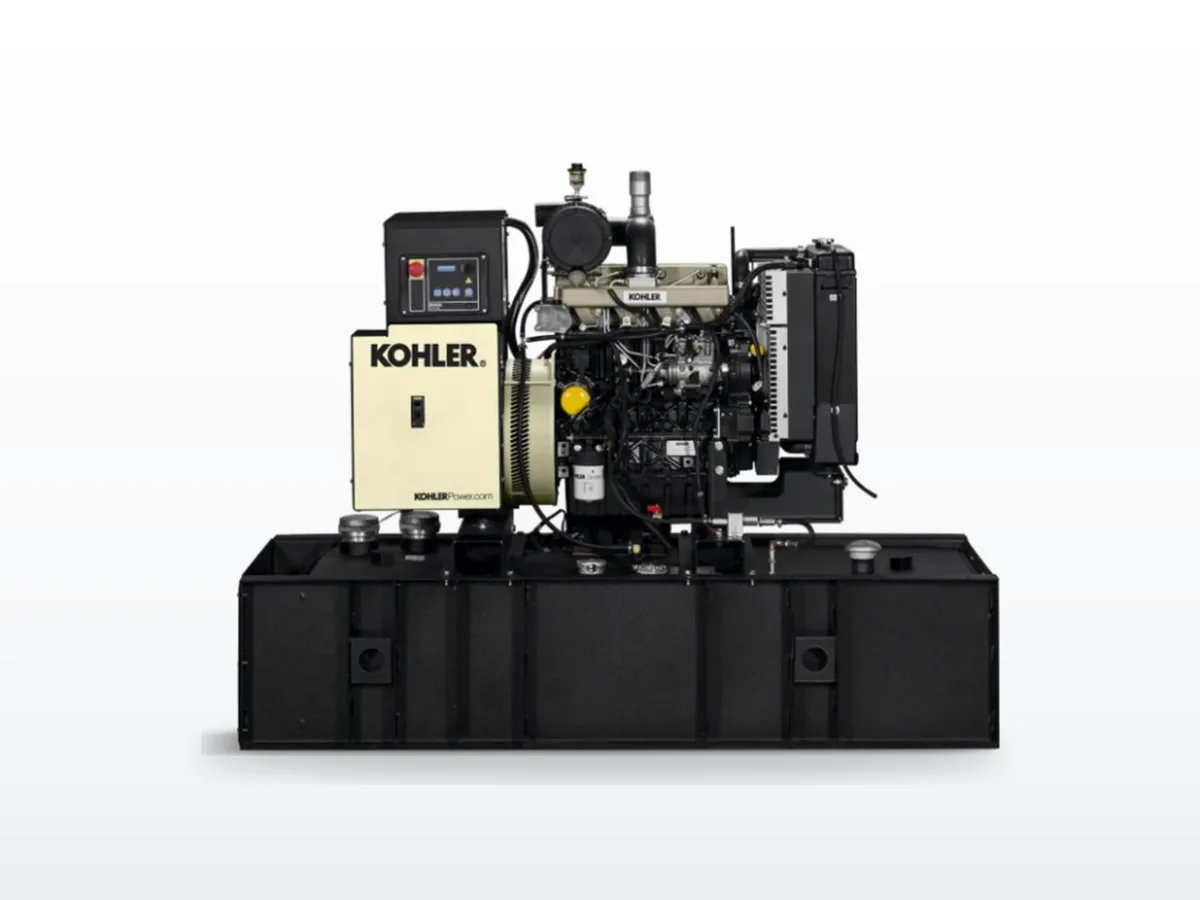
Compact 10 kW diesel standby -- Yanmar 3TNV82A at 1800 RPM. Quiet operation with sub-3% THD for sensitive loads.
10 kW standby · Diesel · Liquid-cooled
10 kW diesel standby for small commercial, retail, telecom, and remote facilities where natural gas is unavailable.
10 kW diesel commercial standby generator. Compact Yanmar-powered diesel for small commercial, retail, and light institutional applications.
3-phasecommercialhealthcare
Kohler
Kohler 125REOZJ4
THD below 3% at 130 kW -- the healthcare and commercial default. John Deere 6068HG550 with Decision-Maker controller.
130 kW standby · Diesel · Liquid-cooled
130 kW commercial standby for hospitals, schools, retail, and institutional facilities requiring clean power and NFPA 110 compliance.
130 kW diesel commercial standby generator powered by John Deere. Reliable standby power for commercial and institutional facilities.
Tier 4 Final3-phasecommercialhealthcare
Kohler
Kohler 125REOZJG
THD below 3% at 125 kW -- the healthcare and commercial default. John Deere 4045HF285K with Decision-Maker controller.
125 kW standby · Diesel · Liquid-cooled
125 kW commercial standby for hospitals, schools, retail, and institutional facilities requiring clean power and NFPA 110 compliance.
125 kW diesel commercial standby generator. John Deere-powered mid-range diesel for commercial, healthcare, and institutional applications.
3-phasecommercialhealthcare
Kohler
Kohler 145REOZT4
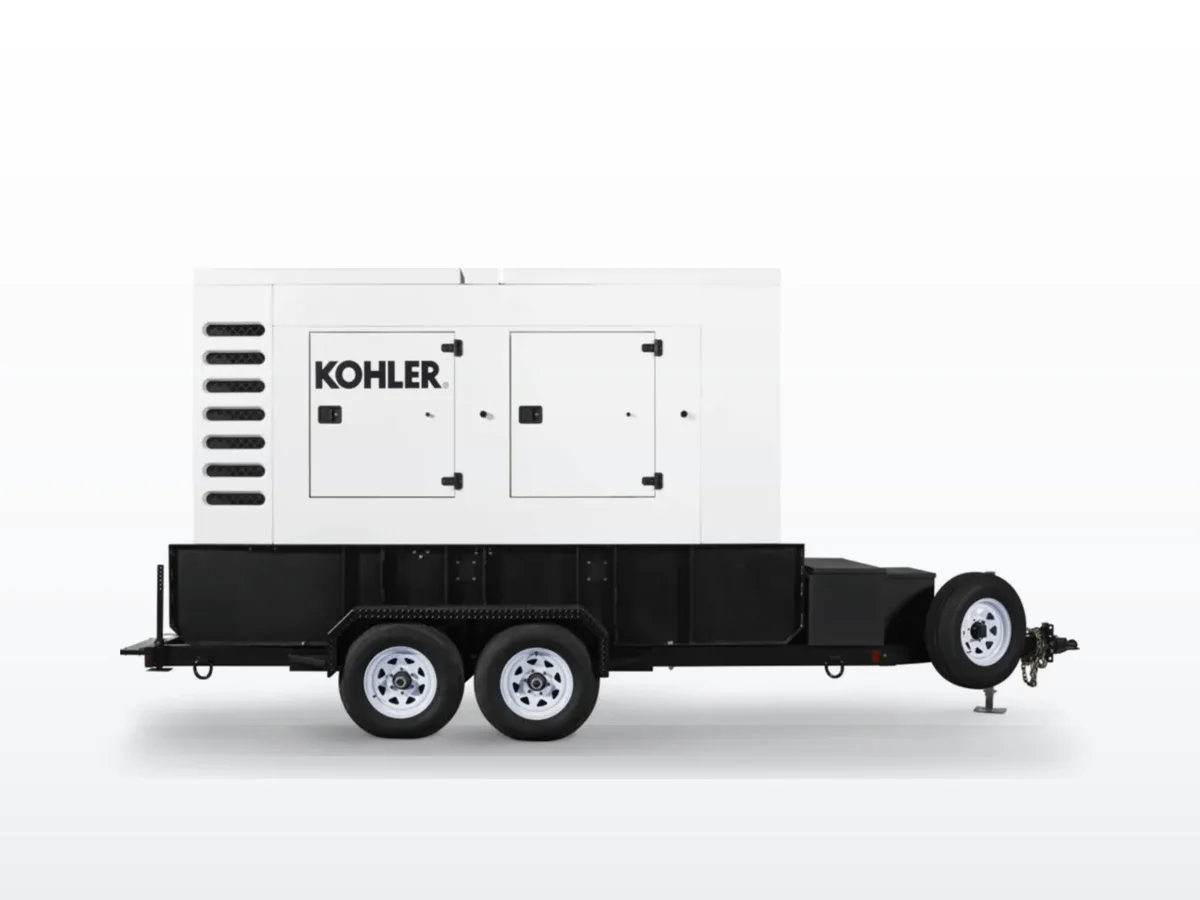
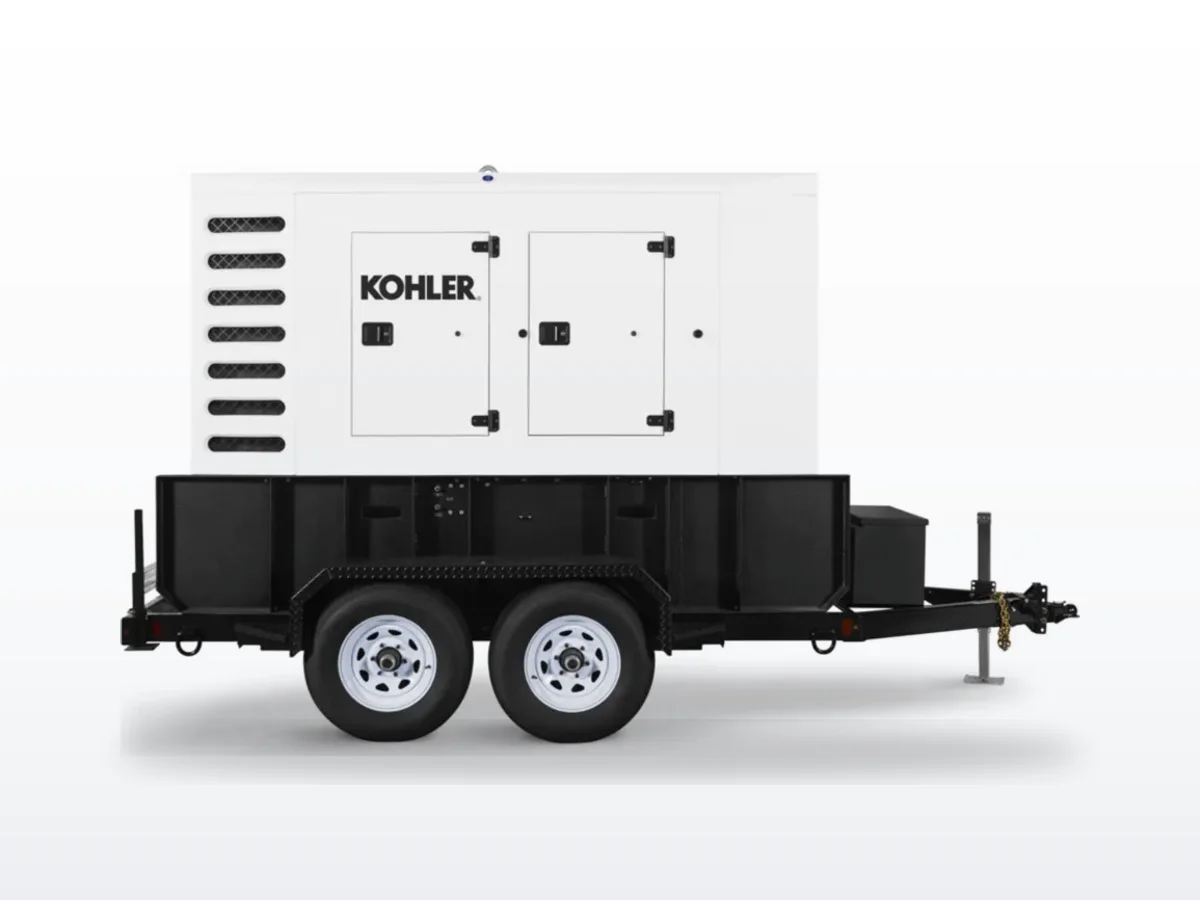
130 kW mobile diesel trailer -- Tier 4 John Deere 6068HG550. DOT-towable for large temporary power and emergency deployment.
130 kW standby · Diesel · Liquid-cooled
130 kW mobile standby for large construction projects, event power, emergency response, and planned outage bridge power.
130 kW diesel mobile trailer Tier 4 Final commercial standby generator powered by John Deere. Reliable standby power for commercial and institutional facilities.
Tier 4 Final3-phasecommercialhealthcare
Kohler
Kohler 14RCA
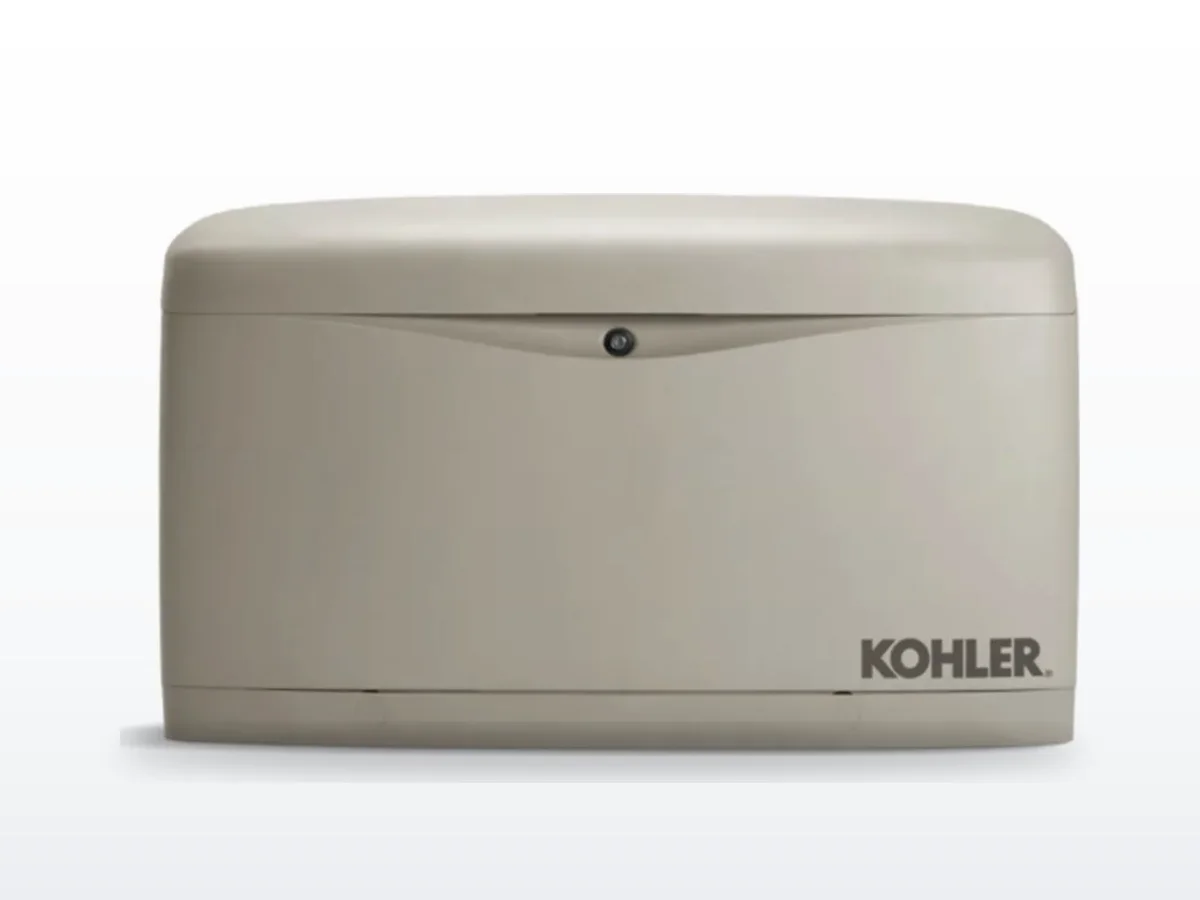
Entry-level Kohler standby at 14 kW -- Kohler CH740 V-twin with Decision-Maker controller. Quieter than most air-cooled competitors.
14 kW standby · Natural Gas / LPG · Air-cooled
14 kW residential standby for small-to-medium homes on natural gas or propane. Covers standard HVAC, kitchen, and essential circuits.
14 kW residential air-cooled standby generator. Kohler's entry-level whole-house backup on natural gas or propane.
Single-phaseresidential-smallwhole-house-basic
Kohler
Kohler 150REOZJ4
THD below 3% at 150 kW -- the healthcare and commercial default. John Deere 6068HG550 with Decision-Maker controller.
150 kW standby · Diesel · Liquid-cooled
150 kW commercial standby for hospitals, schools, retail, and institutional facilities requiring clean power and NFPA 110 compliance.
154 kW diesel commercial standby generator powered by John Deere. Reliable standby power for commercial and institutional facilities.
Tier 4 Final3-phasecommercialhealthcare
Kohler
Kohler 150REZGC
150 kW industrial gaseous -- PSI 8.8L Industrial with PM alternator, sub-3% THD. No on-site fuel storage required.
150 kW standby · LPG · Liquid-cooled
150 kW commercial standby on NG/LP for retail, offices, and light commercial preferring gaseous fuel over diesel.
150 kW LPG industrial standby generator. Enclosed gaseous standby with PSI engine for mid-range commercial and institutional applications.
3-phasecommercialhealthcare
Kohler
Kohler 150RZGC
150 kW industrial gaseous -- PSI 8.8L Industrial with PM alternator, sub-3% THD. No on-site fuel storage required.
150 kW standby · LPG · Liquid-cooled
150 kW commercial standby on NG/LP for retail, offices, and light commercial preferring gaseous fuel over diesel.
135 kW LPG industrial standby generator. Open-frame gaseous standby with PSI engine for commercial and industrial facilities.
3-phasecommercialhealthcare
Kohler
Kohler 15REOZK
Compact 15 kW diesel standby -- Kohler KDI1903M at 1800 RPM. Quiet operation with sub-3% THD for sensitive loads.
15 kW standby · Diesel · Liquid-cooled
15 kW diesel standby for small commercial, retail, telecom, and remote facilities where natural gas is unavailable.
15 kW diesel commercial standby generator. Kohler-powered compact diesel for small commercial, retail, and light institutional standby applications.
3-phasecommercialhealthcare
Kohler
Kohler 175REOZT4
150 kW mobile diesel trailer -- Tier 4 John Deere 6068HG550. DOT-towable for large temporary power and emergency deployment.
150 kW standby · Diesel · Liquid-cooled
150 kW mobile standby for large construction projects, event power, emergency response, and planned outage bridge power.
154 kW diesel mobile trailer Tier 4 Final commercial standby generator powered by John Deere. Reliable standby power for commercial and institutional facilities.
Tier 4 Final3-phasecommercialhealthcare
Kohler
Kohler 200REOZJF
200 kW diesel standby with sub-3% THD -- John Deere 6068HFG85. Healthcare and data center default in this power class.
200 kW standby · Diesel · Liquid-cooled
200 kW commercial standby for hospitals, data centers, government, and mid-size facilities requiring NFPA 110 Level 1.
200 kW diesel commercial standby generator. Large commercial diesel for hospitals, data centers, and institutional facilities.
Tier 33-phasehospitaldata-center
Kohler
Kohler 20RCA
20 kW air-cooled standby -- Kohler CH1000 V-twin at 3600 RPM. Decision-Maker controller with mobile monitoring and self-test.
20 kW standby · Natural Gas / LPG · Air-cooled
20 kW whole-house residential standby on NG/LP for medium homes with central A/C, full kitchen, and home office loads.
20 kW residential air-cooled standby generator. Mid-range air-cooled backup for medium homes on natural gas or propane.
Single-phaseresidential-mediumwhole-house
Kohler
Kohler 20REOZK
Compact 20 kW diesel standby -- Kohler KDI2504ESM at 1800 RPM. Quiet operation with sub-3% THD for sensitive loads.
20 kW standby · Diesel · Liquid-cooled
20 kW diesel standby for small commercial, retail, telecom, and remote facilities where natural gas is unavailable.
20 kW diesel commercial standby generator. Kohler-powered diesel for small commercial, retail, and light institutional standby applications.
3-phasecommercialhealthcare
Kohler
Kohler 24RCL
Liquid-cooled 24 kW standby -- quieter and heat-rated where air-cooled units derate. Kohler KG2204 at 1800 RPM.
24 kW standby · Natural Gas / LPG · Liquid-cooled
24 kW residential standby for medium-to-large homes requiring quiet operation and full-load performance in hot climates on NG/LP.
24 kW residential liquid-cooled standby generator. Kohler's whole-house backup for medium homes on natural gas or propane.
25 kW residential/light commercial standby on NG or propane. Sized for whole-house backup and small retail with motor-starting loads.
25 kW gaseous-fueled standby generator with Brushless Wound-Field alternator and PowerBoost excitation. Sized for residential and light commercial backup on natural gas or propane.
Single-phaseresidentialcommercial-small
Kohler
Kohler 26RCA
Top-of-line air-cooled at 26 kW -- Kohler CH1006 V-twin. Largest capacity before stepping up to liquid-cooled RCL series.
26 kW standby · Natural Gas / LPG · Air-cooled
26 kW residential standby for larger homes on NG/LP where liquid-cooled cost is not justified but full-house coverage is required.
26 kW residential air-cooled standby generator. The largest air-cooled unit in Kohler's residential lineup for larger homes on a budget.
Single-phaseresidential-largewhole-house
Kohler
Kohler 30CCL
30 kW gaseous standby with PowerBoost -- 300% short-circuit for 10 sec. Kohler KG2204T turbo, no fuel storage required.
30 kW residential/light commercial standby on NG or propane. Sized for whole-house backup and small retail with motor-starting loads.
30 kW gaseous-fueled standby generator with Brushless Wound-Field alternator and PowerBoost excitation. Mid-range CCL series unit for residential and light commercial backup.
Single-phaseresidentialcommercial-small
Kohler
Kohler 30RCL
30 kW liquid-cooled residential -- Kohler KG2204T turbo at 1800 RPM. Quieter than 3600 RPM air-cooled with longer service life.
30 kW standby · Natural Gas / LPG · Liquid-cooled
30 kW whole-house standby for large homes and estates with dual-zone HVAC, pool equipment, or EV charging on NG/LP.
30 kW residential liquid-cooled standby generator. Premium whole-house backup for larger homes with multiple HVAC zones.
Compact 30 kW diesel standby -- Kohler KDI2504TM/G18 at 1800 RPM. Quiet operation with sub-3% THD for sensitive loads.
30 kW standby · Diesel · Liquid-cooled
30 kW diesel standby for small commercial, retail, telecom, and remote facilities where natural gas is unavailable.
30 kW diesel commercial standby generator. Kohler-powered diesel for commercial, healthcare, education, and government standby applications.
3-phasecommercialhealthcare
Kohler
Kohler 30REOZK4
Compact 30 kW diesel standby -- Kohler KDI 1903 TCR at 1800 RPM. Quiet operation with sub-3% THD for sensitive loads.
30 kW standby · Diesel · Liquid-cooled
30 kW diesel standby for small commercial, retail, telecom, and remote facilities where natural gas is unavailable.
30 kW Tier 4 Final diesel commercial standby generator. Kohler-powered diesel with EPA Tier 4 Final emissions compliance for commercial and institutional applications.
Tier 4 Final3-phasecommercialhealthcare
Kohler
Kohler 35REOZT4
30 kW mobile diesel trailer -- Tier 4 Kohler KDI 1903 TCR. Road-towable for temporary power, construction, and emergency deployment.
30 kW standby · Diesel · Liquid-cooled
30 kW mobile standby for construction sites, planned outages, and emergency response requiring Tier 4 emissions compliance.
35 kW Tier 4 Final diesel mobile trailer generator. Kohler-powered portable diesel for construction, events, and temporary power applications.
Tier 4 Final3-phasecommercialhealthcare
Kohler
Kohler 36CCL
36 kW gaseous standby with PowerBoost -- 300% short-circuit for 10 sec. Kohler KG2204T turbo, no fuel storage required.
36 kW residential/light commercial standby on NG or propane. Sized for whole-house backup and small retail with motor-starting loads.
30-36 kW gaseous-fueled standby generator with Brushless Wound-Field alternator and PowerBoost excitation. Largest CCL series unit for residential and light commercial backup.
Single-phaseresidentialcommercial-small
Kohler
Kohler 38RCL
38 kW liquid-cooled residential -- Kohler KG2204T turbo at 1800 RPM. Quieter than 3600 RPM air-cooled with longer service life.
38 kW standby · Natural Gas / LPG · Liquid-cooled
38 kW whole-house standby for large homes and estates with dual-zone HVAC, pool equipment, or EV charging on NG/LP.
38 kW residential liquid-cooled standby generator. Premium whole-house backup for large estates and homes with heavy electrical loads.
40 kW compact diesel standby -- Kohler KDI 3404TM turbo at 1800 RPM. Sub-3% THD with quiet enclosure options.
40 kW standby · Diesel · Liquid-cooled
40 kW commercial standby for small-to-mid commercial, retail, branch offices, and light industrial applications on diesel.
40 kW diesel commercial standby generator. Kohler-powered diesel for commercial, healthcare, education, and government standby applications.
3-phasecommercialhealthcare
Kohler
Kohler 40REOZK4
40 kW compact diesel standby -- Kohler KDI 2504 TCR turbo at 1800 RPM. Sub-3% THD with quiet enclosure options.
40 kW standby · Diesel · Liquid-cooled
40 kW commercial standby for small-to-mid commercial, retail, branch offices, and light industrial applications on diesel.
40 kW Tier 4 Final diesel commercial standby generator. Kohler-powered diesel with EPA Tier 4 Final emissions compliance for commercial and institutional applications.
Tier 4 Final3-phasecommercialhealthcare
Kohler
Kohler 45REOZT4
40 kW mobile diesel trailer -- Tier 4 Kohler KDI 2504 TCR. Road-towable for temporary power, construction, and emergency deployment.
40 kW standby · Diesel · Liquid-cooled
40 kW mobile standby for construction sites, planned outages, and emergency response requiring Tier 4 emissions compliance.
45 kW Tier 4 Final diesel mobile trailer generator. Kohler-powered portable diesel for construction, events, and temporary power applications.
Tier 4 Final3-phasecommercialhealthcare
Kohler
Kohler 48RCL
48 kW liquid-cooled residential -- Kohler KG6208 V8 at 1800 RPM. Estate-class capacity with commercial-grade power quality.
48 kW standby · Natural Gas / LPG · Liquid-cooled
48 kW whole-house standby for large estates, multi-structure properties, and high-end homes with heavy electrical loads on NG/LP.
48 kW residential liquid-cooled standby generator. Ultra-premium whole-estate backup for the largest residential electrical systems.
47 kW compact diesel standby -- Kohler KDI 3404 TCR turbo at 1800 RPM. Sub-3% THD with quiet enclosure options.
47 kW standby · Diesel · Liquid-cooled
47 kW commercial standby for small-to-mid commercial, retail, branch offices, and light industrial applications on diesel.
48 kW Tier 4 Final diesel commercial standby generator. Kohler-powered diesel with EPA Tier 4 Final emissions compliance for commercial and institutional applications.
Tier 4 Final3-phasecommercialhealthcare
Kohler
Kohler 50REOZK
50 kW compact diesel standby -- Kohler KDI 3404TM turbo at 1800 RPM. Sub-3% THD with quiet enclosure options.
50 kW standby · Diesel · Liquid-cooled
50 kW commercial standby for small-to-mid commercial, retail, branch offices, and light industrial applications on diesel.
50 kW diesel commercial standby generator. Kohler-powered diesel for commercial, healthcare, education, and government standby applications.
3-phasecommercialhealthcare
Kohler
Kohler 55REOZT4
47 kW mobile diesel trailer -- Tier 4 Kohler KDI 3404 TCR. DOT-towable for temporary and emergency power deployment.
47 kW standby · Diesel · Liquid-cooled
47 kW mobile standby for construction, planned utility outages, disaster response, and rental fleet applications.
55 kW Tier 4 Final diesel mobile trailer generator. Kohler-powered portable diesel for construction, events, and temporary power applications.
Tier 4 Final3-phasecommercialhealthcare
Kohler
Kohler 60RCL
60 kW liquid-cooled residential -- Kohler KG6208 V8 at 1800 RPM. Estate-class capacity with commercial-grade power quality.
60 kW standby · Natural Gas / LPG · Liquid-cooled
60 kW whole-house standby for large estates, multi-structure properties, and high-end homes with heavy electrical loads on NG/LP.
60 kW residential liquid-cooled standby generator. The largest unit in Kohler's residential lineup for mega-estates and multi-structure properties.
60 kW compact diesel standby -- Kohler KDI 3404TM turbo at 1800 RPM. Sub-3% THD with quiet enclosure options.
60 kW standby · Diesel · Liquid-cooled
60 kW commercial standby for small-to-mid commercial, retail, branch offices, and light industrial applications on diesel.
60 kW diesel commercial standby generator. Kohler-powered diesel for commercial, healthcare, education, and government standby applications.
3-phasecommercialhealthcare
Kohler
Kohler 80REOZJ4
85 kW compact diesel standby -- John Deere 4045HFG04 turbo at 1800 RPM. Sub-3% THD with quiet enclosure options.
85 kW standby · Diesel · Liquid-cooled
85 kW commercial standby for small-to-mid commercial, retail, branch offices, and light industrial applications on diesel.
80 kW Tier 4 Final diesel commercial standby generator. John Deere-powered diesel with EPA Tier 4 Final emissions compliance for commercial and institutional applications.
Tier 4 Final3-phasecommercialhealthcare
Kohler
Kohler 80REOZJF
80 kW compact diesel standby -- John Deere 4045HF285H turbo at 1800 RPM. Sub-3% THD with quiet enclosure options.
80 kW standby · Diesel · Liquid-cooled
80 kW commercial standby for small-to-mid commercial, retail, branch offices, and light industrial applications on diesel.
80 kW diesel commercial standby generator. John Deere-powered diesel for commercial, healthcare, education, and government standby applications.
Tier 33-phasecommercialhealthcare
Kohler
Kohler 90REOZT4
85 kW mobile diesel trailer -- Tier 4 John Deere 4045HFG04. DOT-towable for temporary and emergency power deployment.
85 kW standby · Diesel · Liquid-cooled
85 kW mobile standby for construction, planned utility outages, disaster response, and rental fleet applications.
90 kW Tier 4 Final diesel mobile trailer generator. John Deere-powered portable diesel for construction, events, and temporary power applications.
Tier 4 Final3-phasecommercialhealthcare
Kohler
Kohler KG100
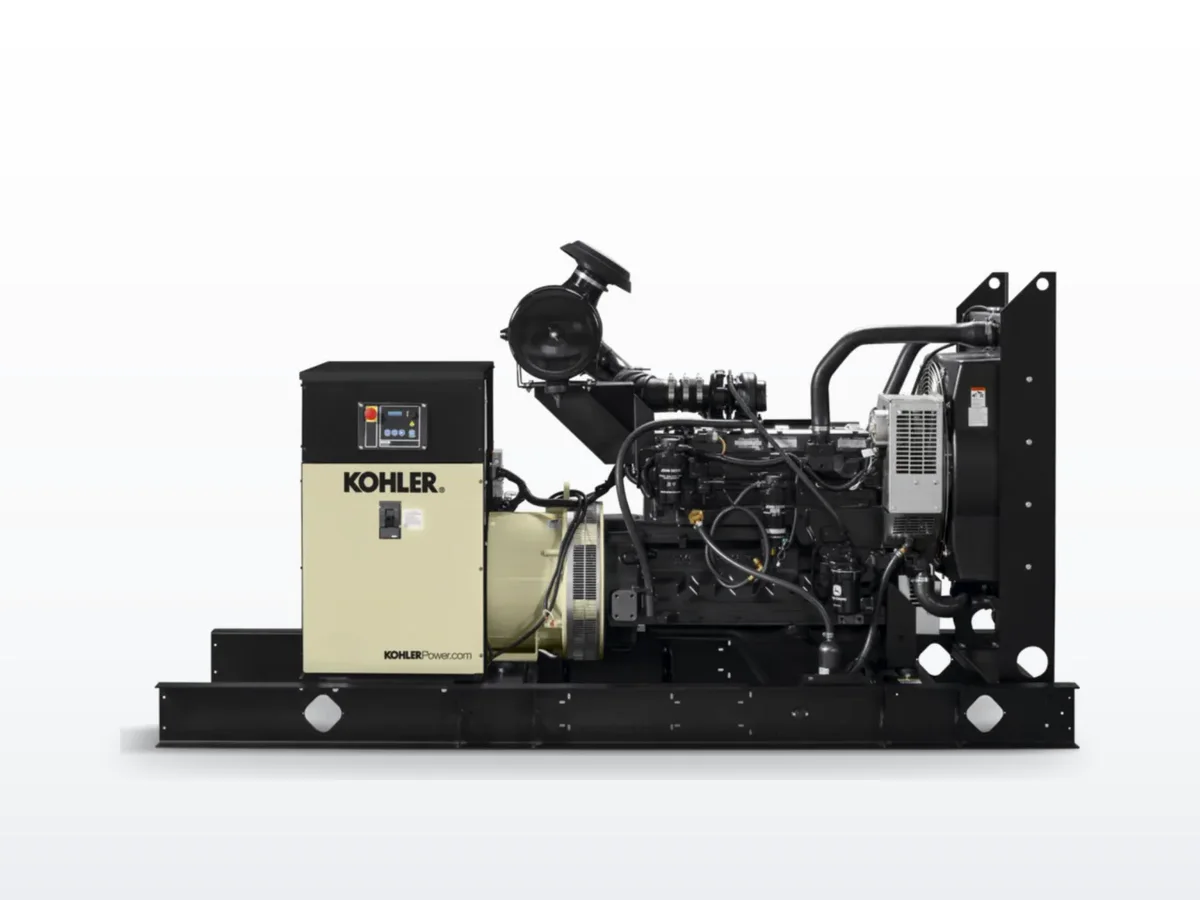
100 kW industrial gaseous -- Kohler KG6208THD turbo V8, sub-3% THD, rare-earth PM alternator. No fuel storage or SPCC required.
100 kW commercial standby on NG/LP for mid-size commercial, multi-family, and light industrial with reliable gas supply.
100 kW gaseous-fueled commercial standby generator. Upper-mid-range industrial gaseous unit for larger commercial facilities on natural gas or propane.
45 kW commercial standby on NG/LP for retail, offices, and light commercial where diesel storage is impractical or prohibited.
45 kW gaseous-fueled commercial standby generator with Brushless Rare-Earth Permanent-Magnet alternator. Industrial gaseous unit for commercial backup on natural gas or propane.
53 kW commercial standby on NG/LP for retail, offices, and light commercial where diesel storage is impractical or prohibited.
53 kW gaseous-fueled commercial standby generator with Brushless Rare-Earth Permanent-Magnet alternator. Industrial gaseous unit for commercial backup on natural gas or propane.
60 kW commercial standby on NG/LP for retail, offices, and light commercial where diesel storage is impractical or prohibited.
60 kW gaseous-fueled commercial standby generator with Kohler 6.2L engine, EPA Subpart JJJJ certified for stationary emergency. Specs, service intervals, common failure modes, and compatible transfer switches.