Overview#
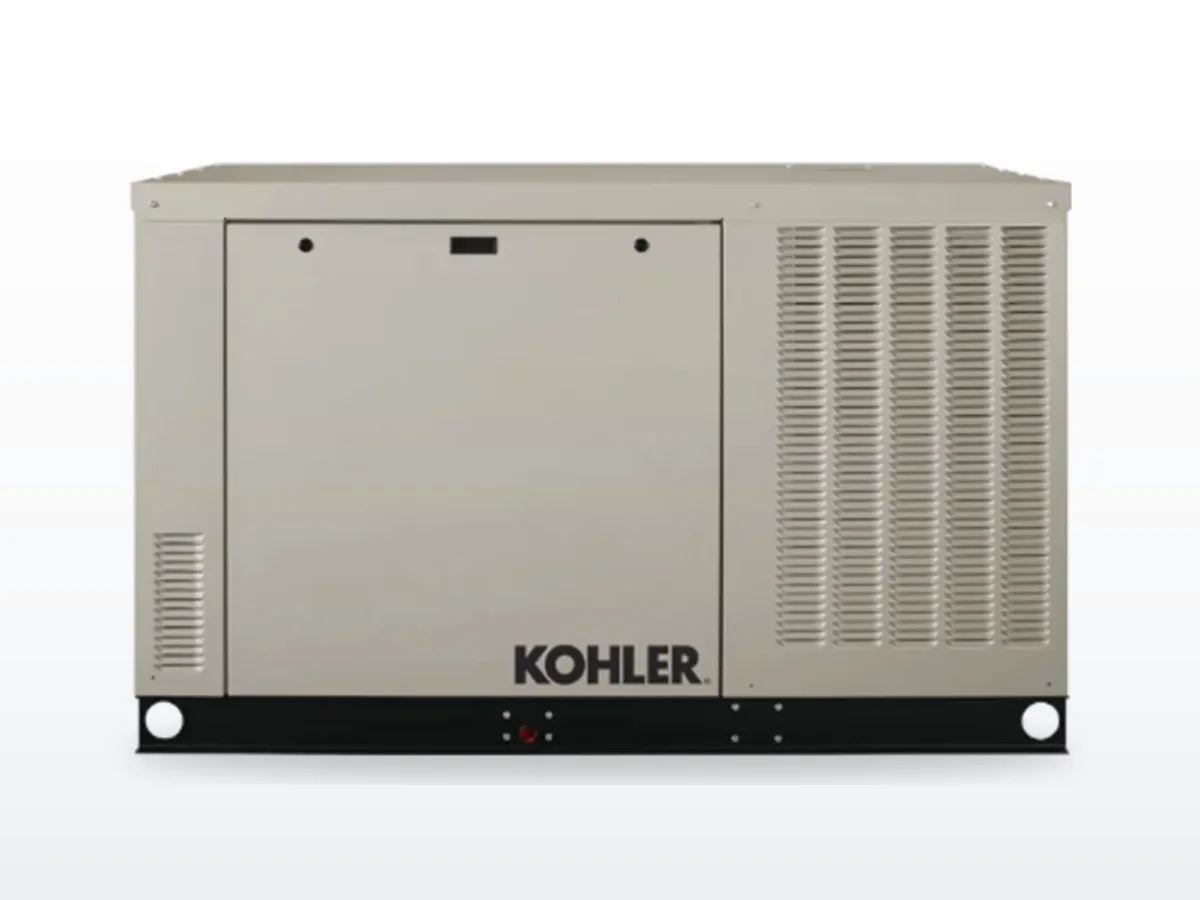
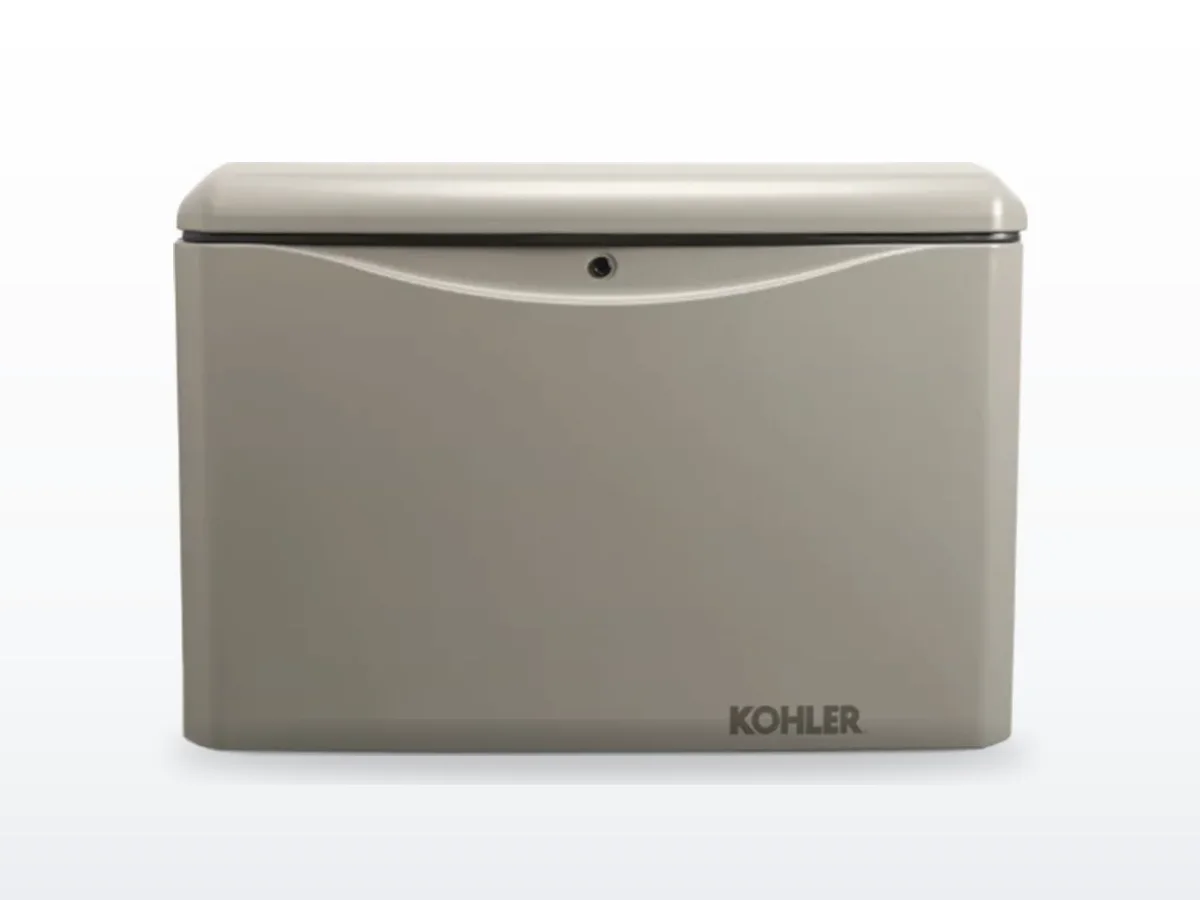
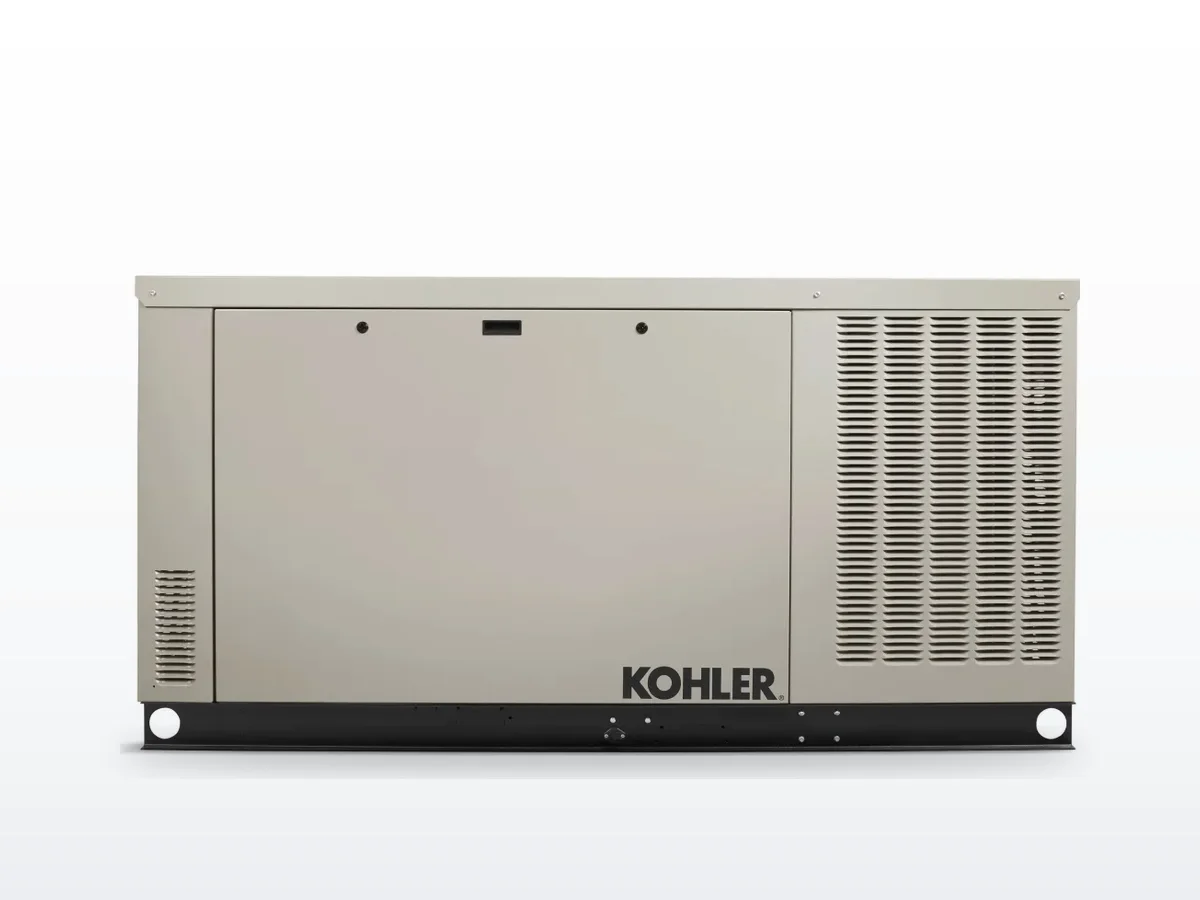
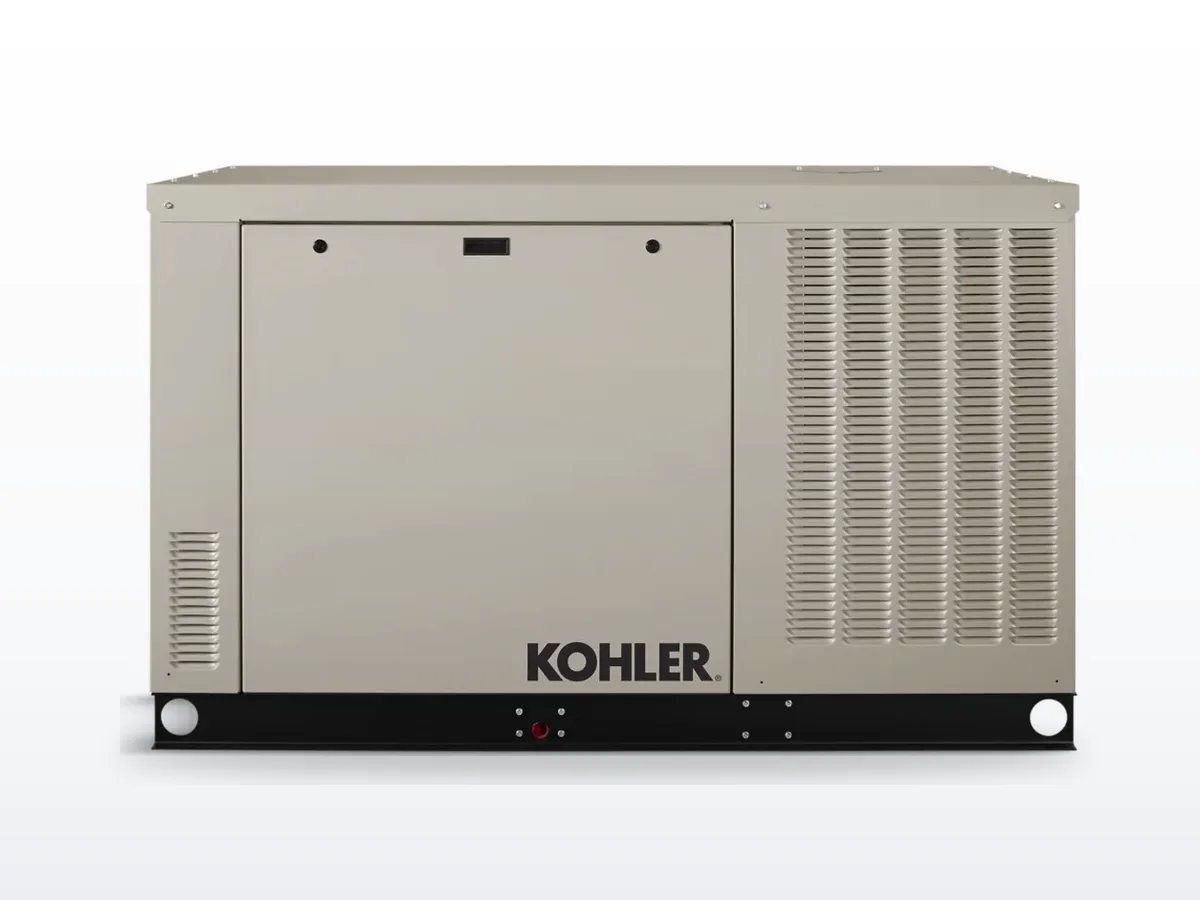
The Kohler 24RCL is a 24-kilowatt residential liquid-cooled standby generator — the entry point of Kohler's RCL series designed for whole-house backup. Unlike air-cooled generators that dominate the residential market, the RCL series uses automotive-style liquid cooling for quieter operation, longer service life, and better performance in California's hotter inland climates.
At 24 kW, this unit covers most medium-to-large homes: central HVAC, full kitchen, home office, and standard electrical loads running simultaneously during an outage.
Why liquid-cooled matters for residential#
Most home generators (including Generac's Guardian line) are air-cooled — cheaper, lighter, but louder and with shorter engine life. The RCL's automotive-derived liquid-cooled architecture and 1800 RPM operation provide:
- Quieter operation — Kohler's published 54 dBA exercise / 61 dBA full-speed numbers are well below the 65-72 dBA range typical of 3600 RPM air-cooled units
- Consistent output in heat — full-rated power without the heat derating common to air-cooled engines
- Longer-life industrial-grade engine — the KG2204 is built on an industrial 2.2L 4-cylinder block, not a small-engine V-twin
Sizing guidance#
The 24RCL is rated 24 kW on LP and 21 kW on natural gas (87 A on NG, 100 A on LP at 240 V single-phase per Kohler spec sheet G4-303). It's commonly applied to:
- Medium-to-large homes with a single A/C system and standard electrical
- Single Level 2 EV charger (if prioritized in the load profile)
- Well pump + pressure tank
A proper load study — not square footage — should drive the sizing decision. Step up to 30RCL or higher if dual-zone HVAC, pool equipment, multiple EV chargers, or large workshop loads push your peak demand above the 24 kW LP / 21 kW NG ratings.
Our service experience#
The 24RCL is Kohler's entry into the liquid-cooled residential standby segment. We install these primarily in Los Altos Hills, Saratoga, Woodside, and Portola Valley — communities with overhead power lines, fire-season outages, and HOA noise sensitivity.
Annual service follows the operator manual. The main failure mode we see in years 3-5 is battery degradation (hot garages accelerate battery aging) — we recommend proactive replacement at year 4 for critical applications.