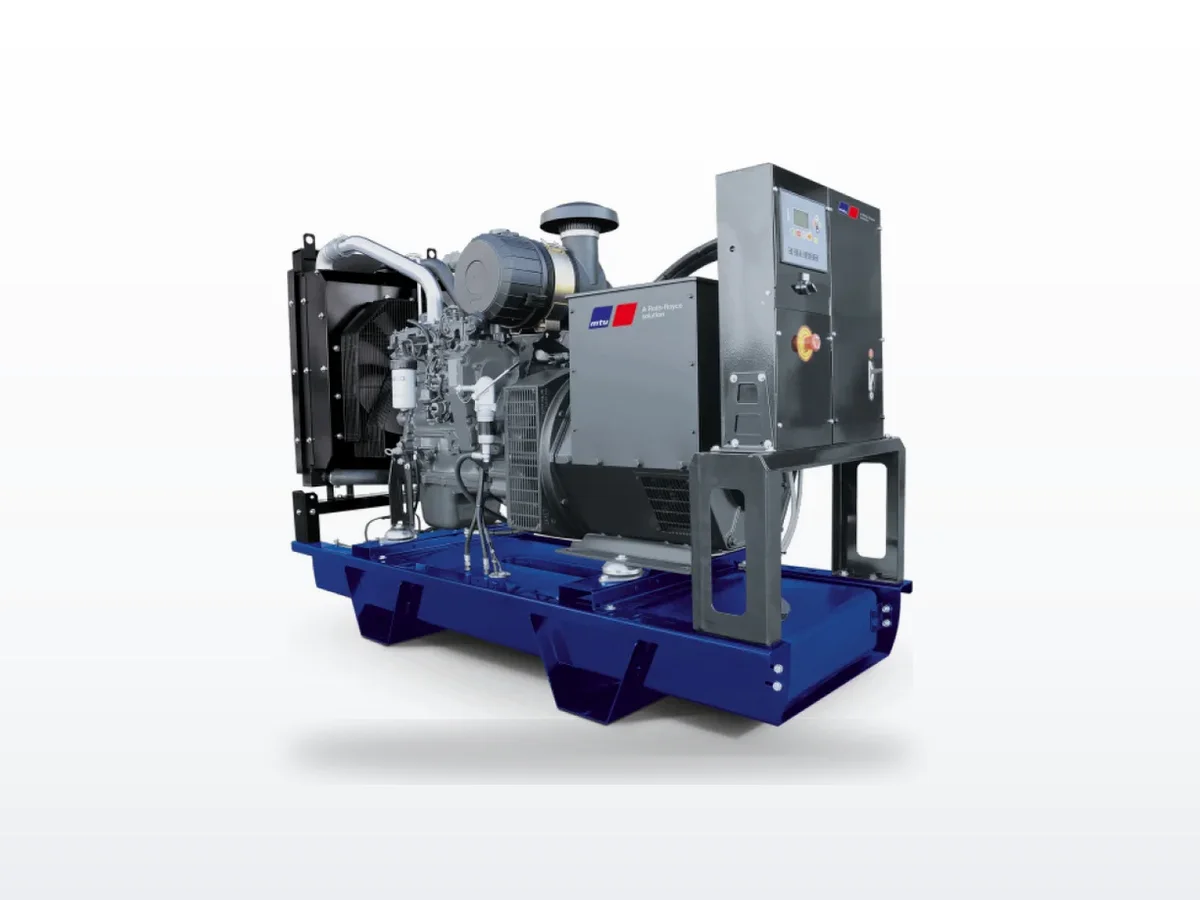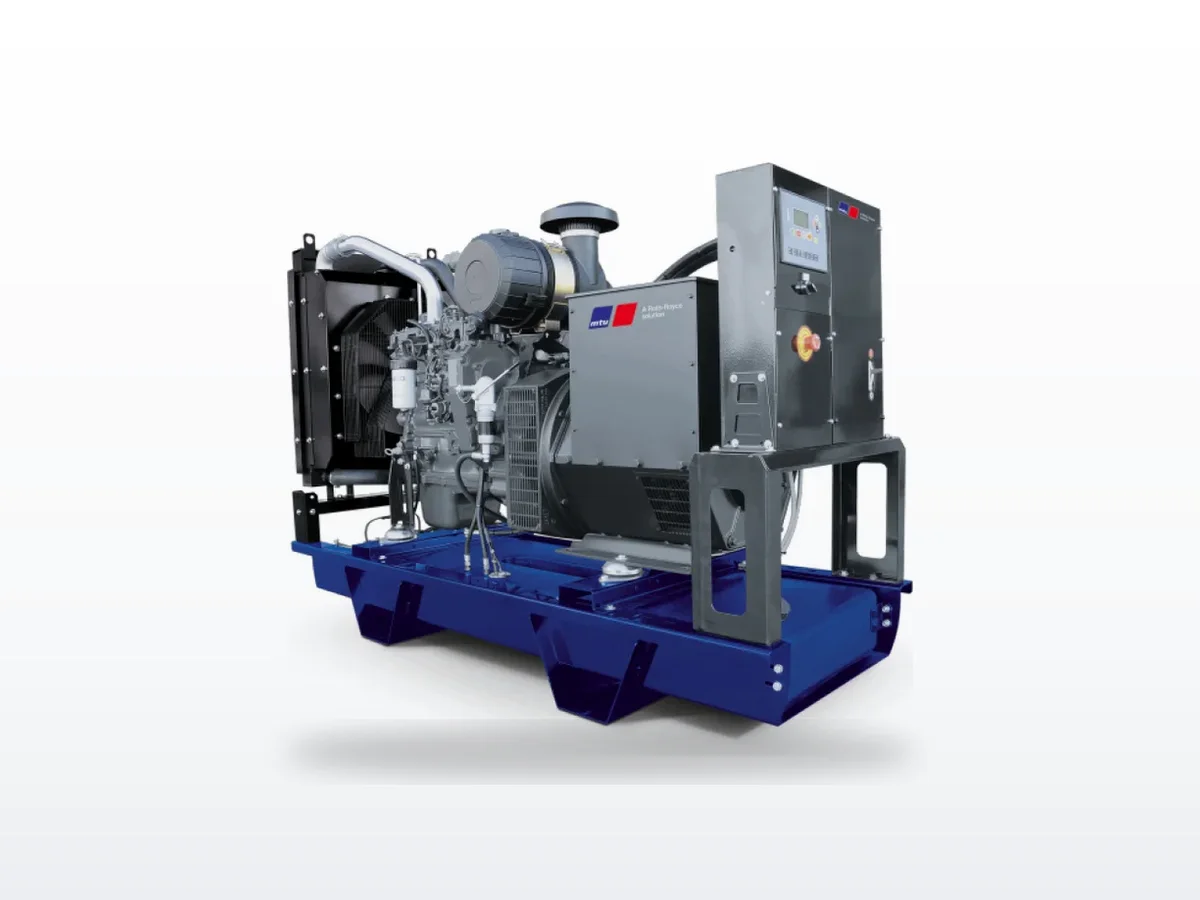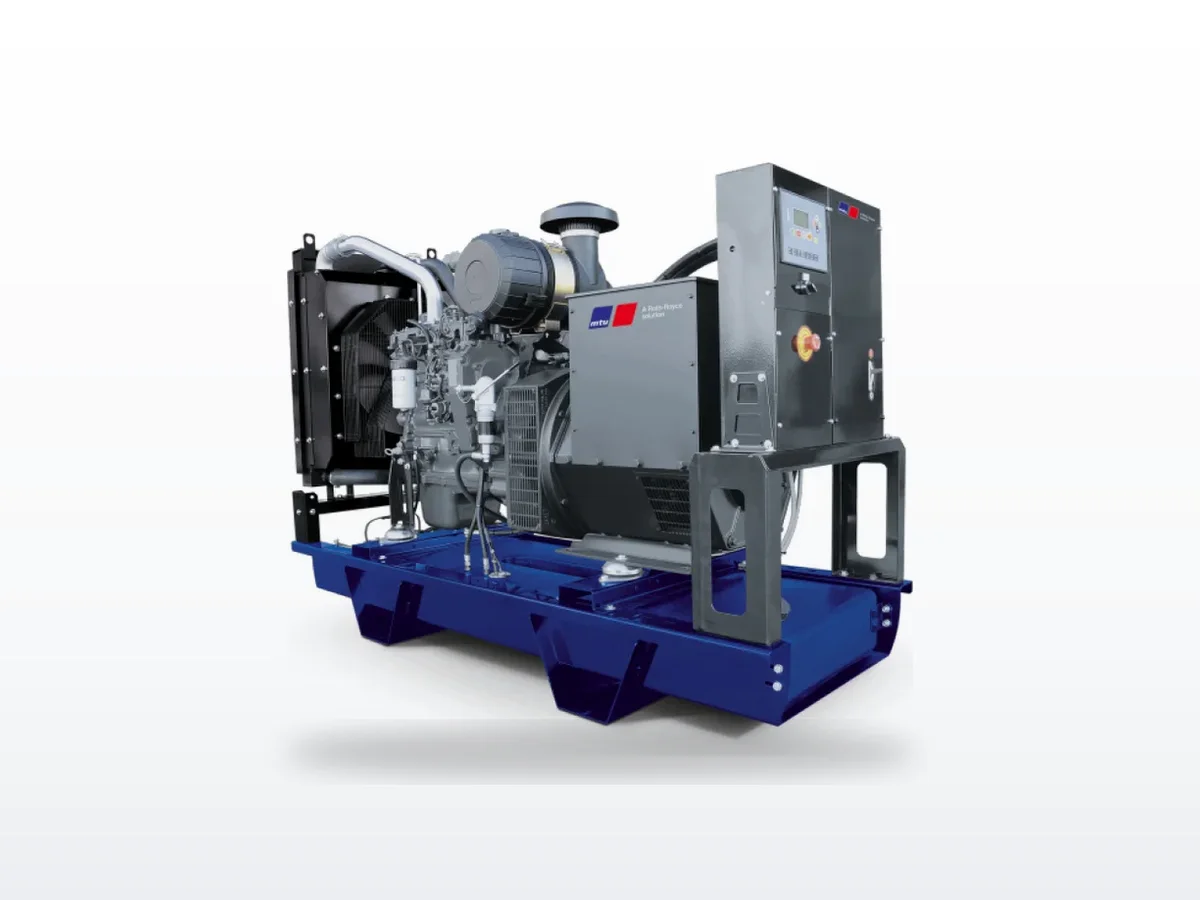
MTU Generators
Data center specialist — Rolls-Royce engineering, best fuel efficiency, highest power density in class
Why buyers choose MTU
- Best fuel efficiency — 5-10% better than CAT or Cummins, compounding to ~$98K savings over 4 years at 1,000 kW
- Highest power density — best kW/liter ratio means the most compact footprint for the power output
- 0-100% load step — meets NFPA 110 requirements in a single step
- 20,000-30,000 hour overhaul intervals — longest in the industry
- US manufacturing — engines built in Mankato, MN and Aiken, SC
Who MTU is for
Hyperscale data centers (1 MW+), high-duty-cycle applications running 2,000+ hours per year, space-constrained footprints, and long-term asset holders who optimize on total cost of ownership.
What to consider before specifying MTU
- Only ~40 US dealers — parts waits of 2-5 days in secondary markets
- Lowest resale value of the Big 3 premium brands
- 10-20% purchase premium over comparable Cummins units
- Fuel quality sensitivity — requires cleaner fuel than some competitors
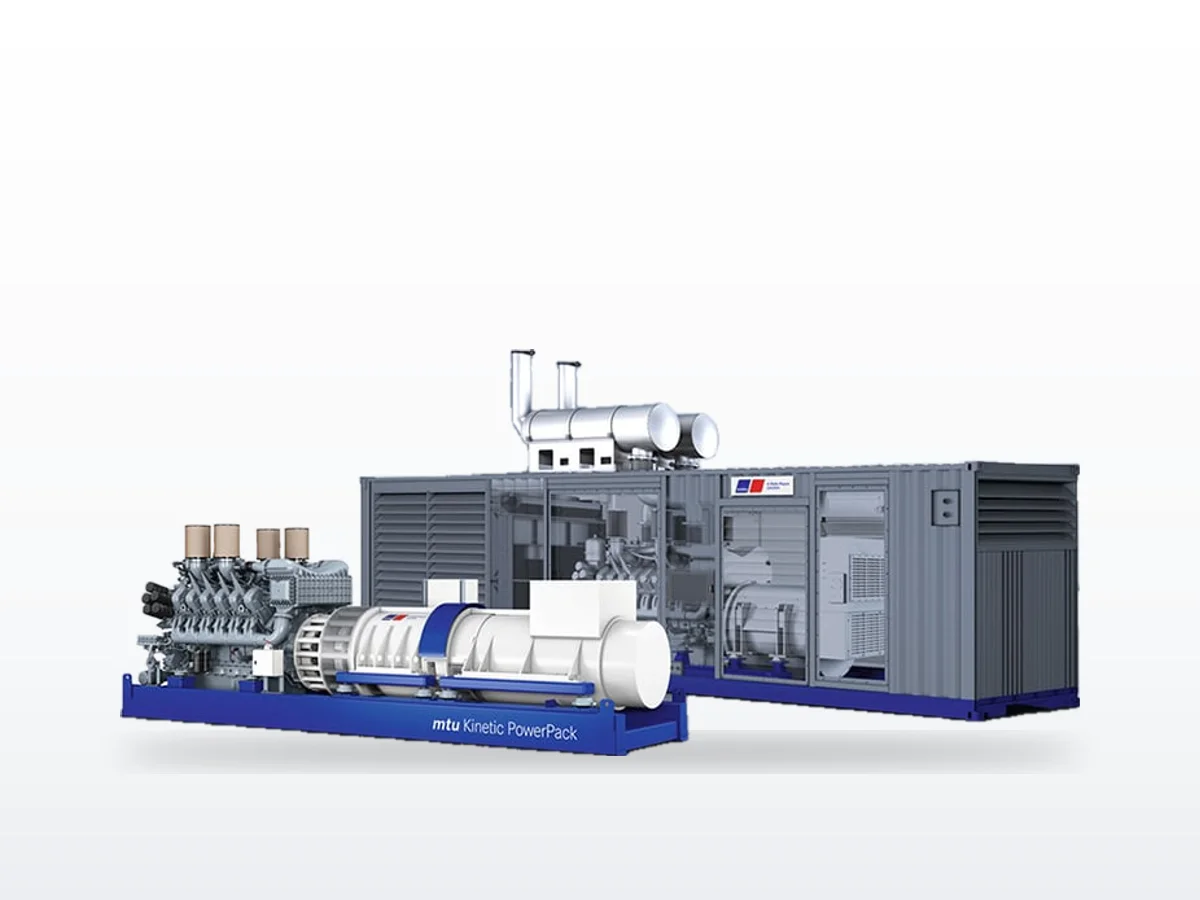
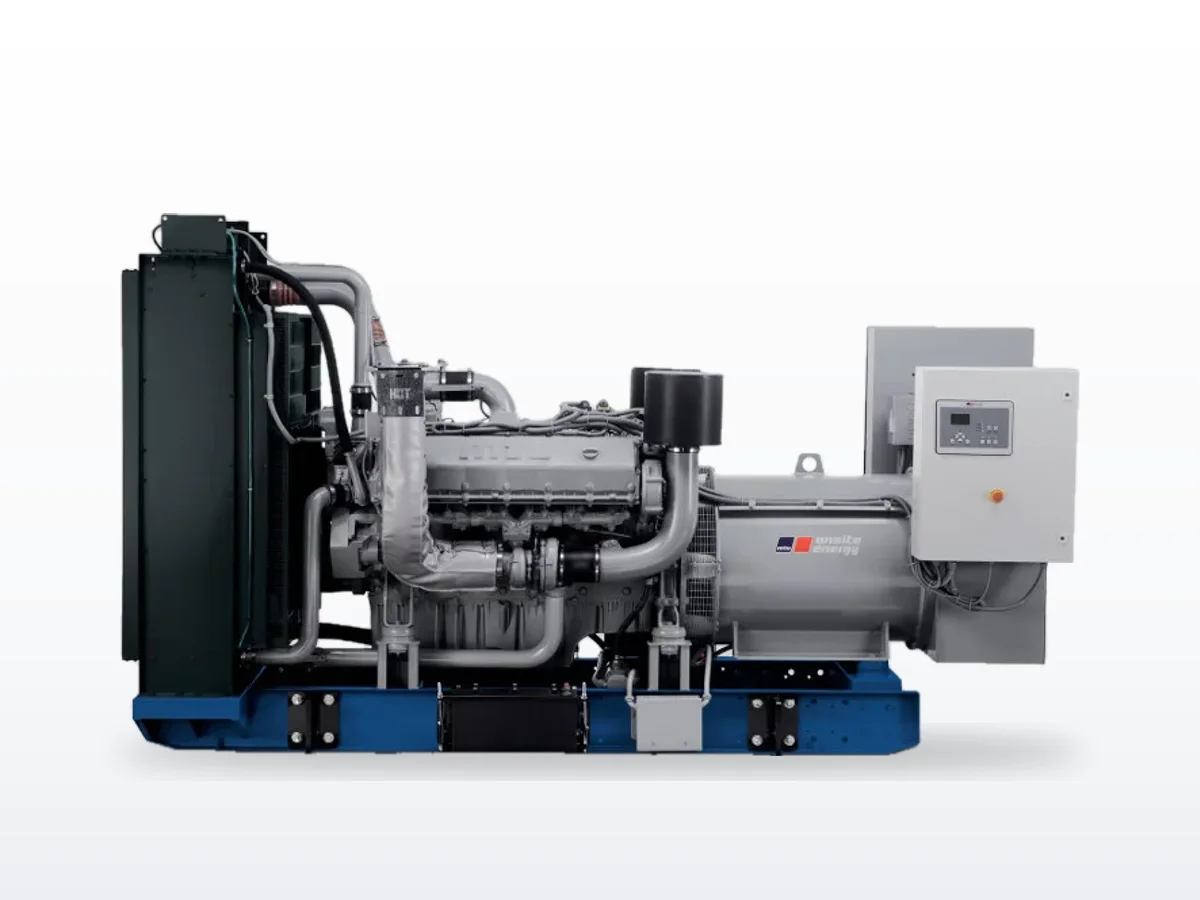
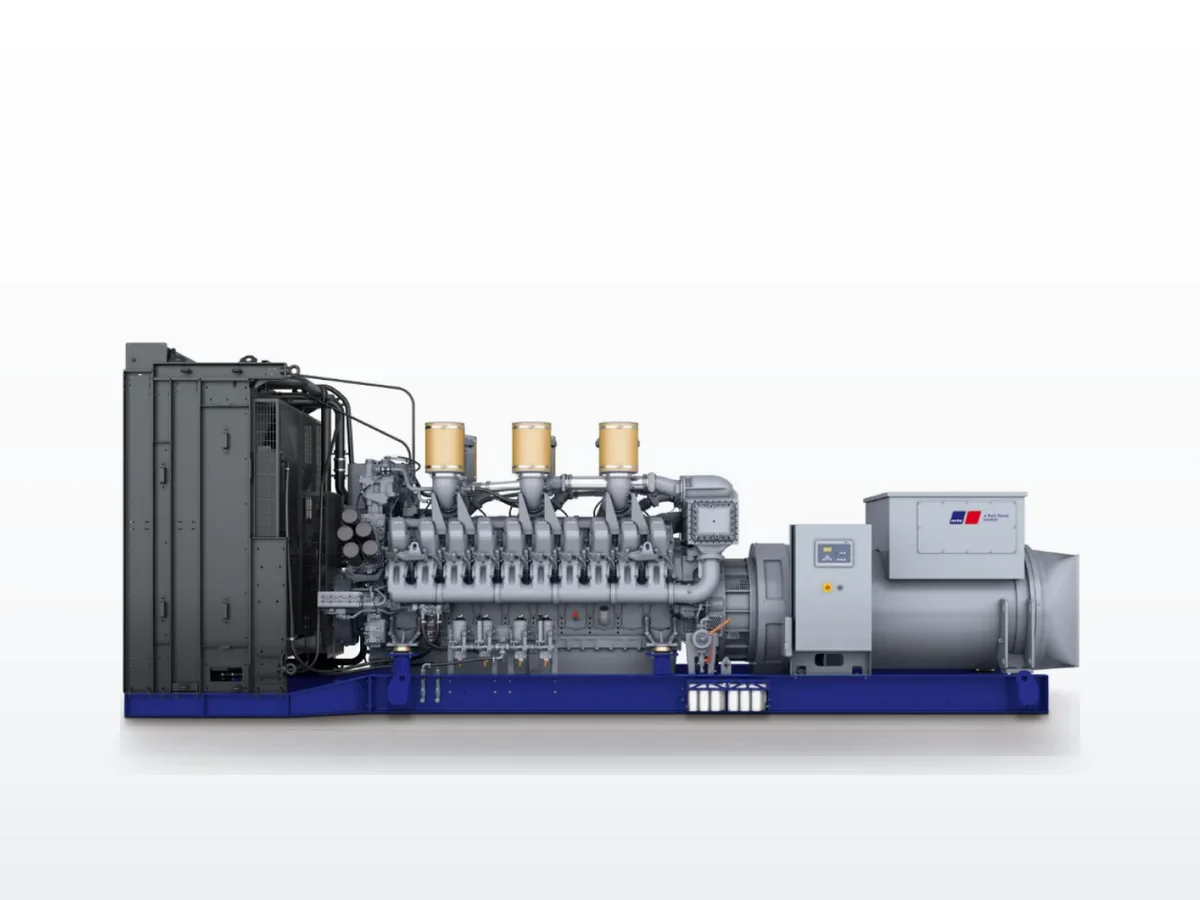
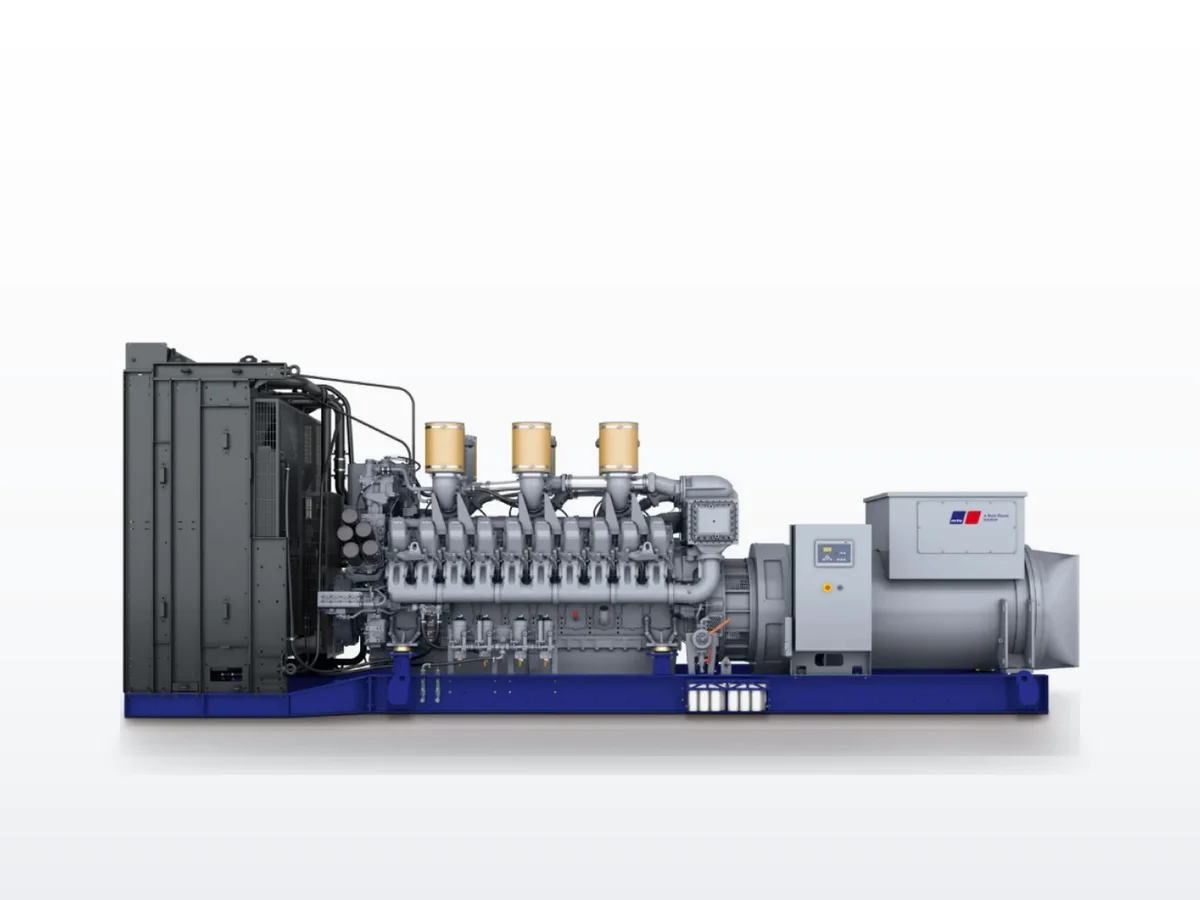
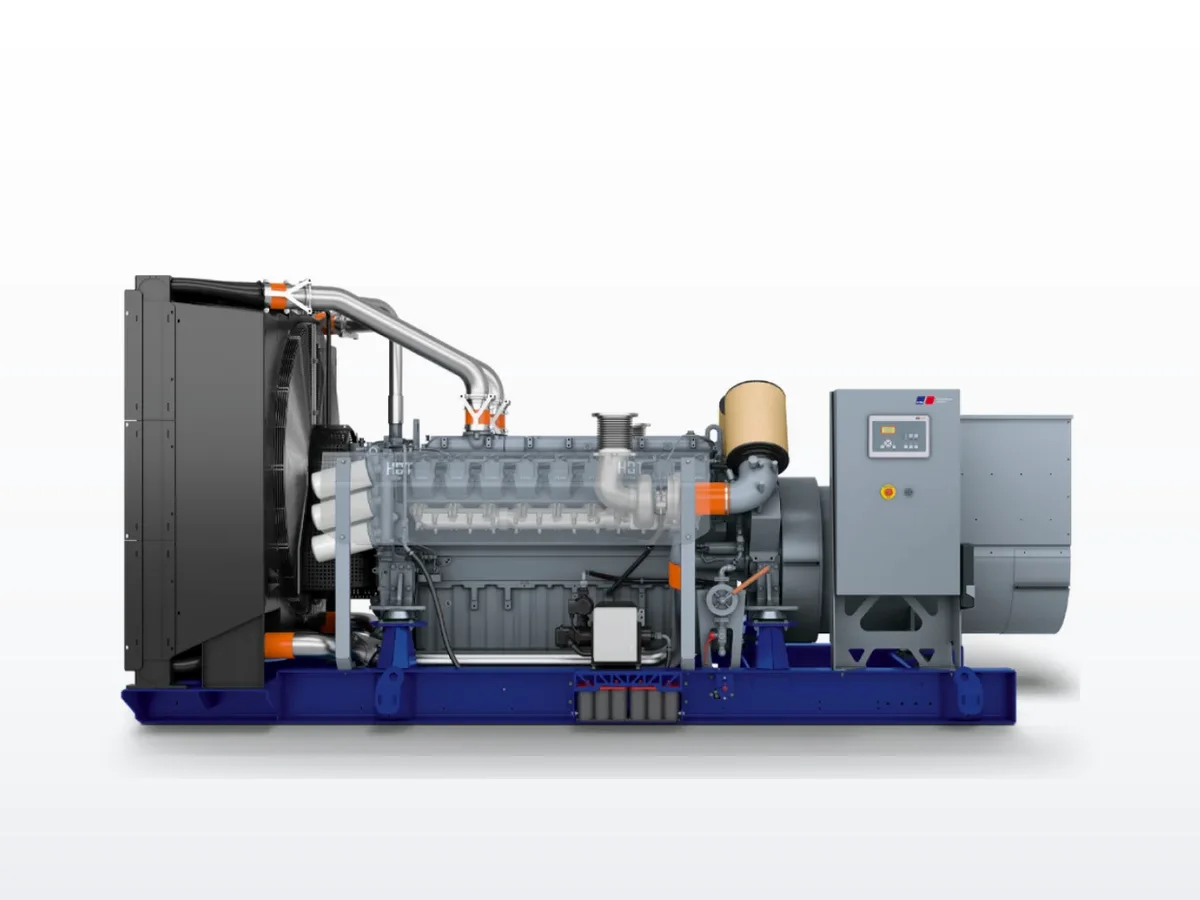
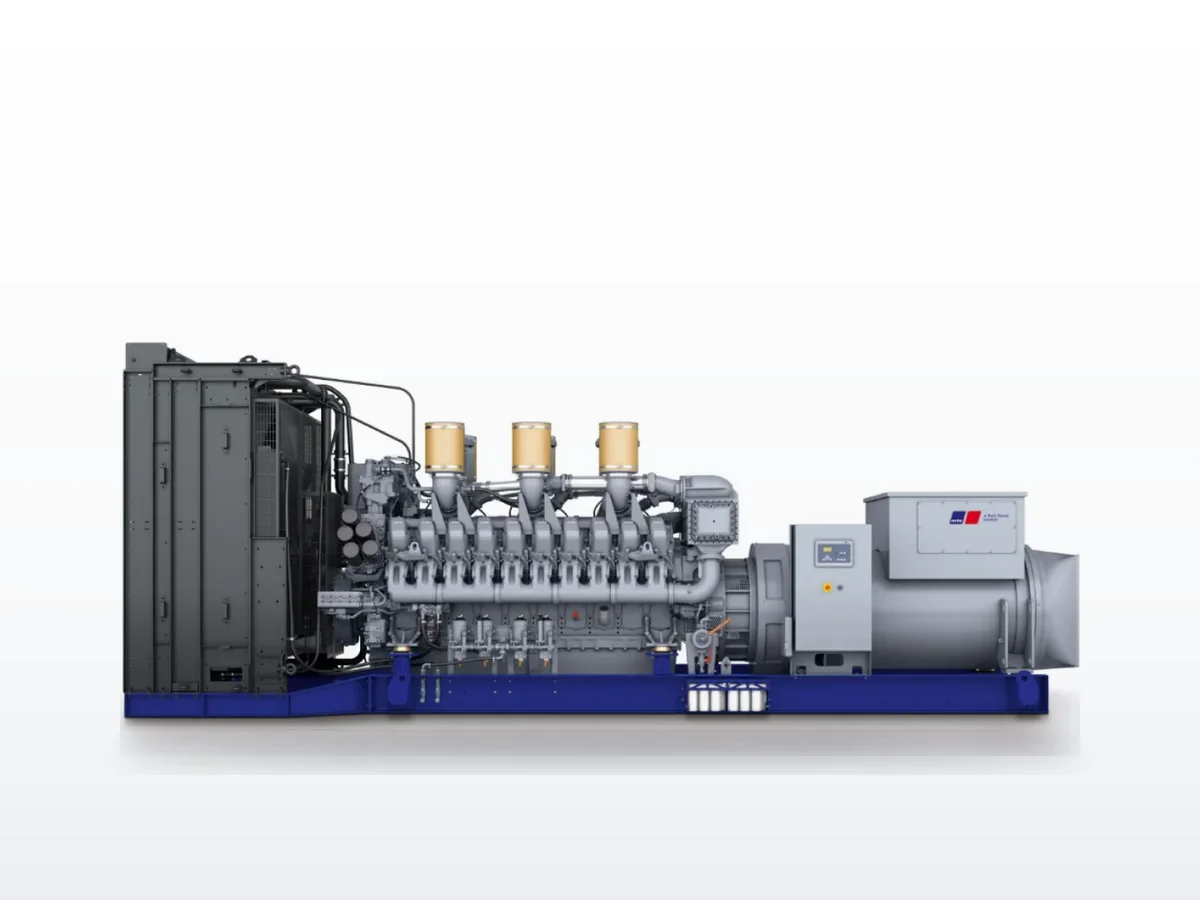
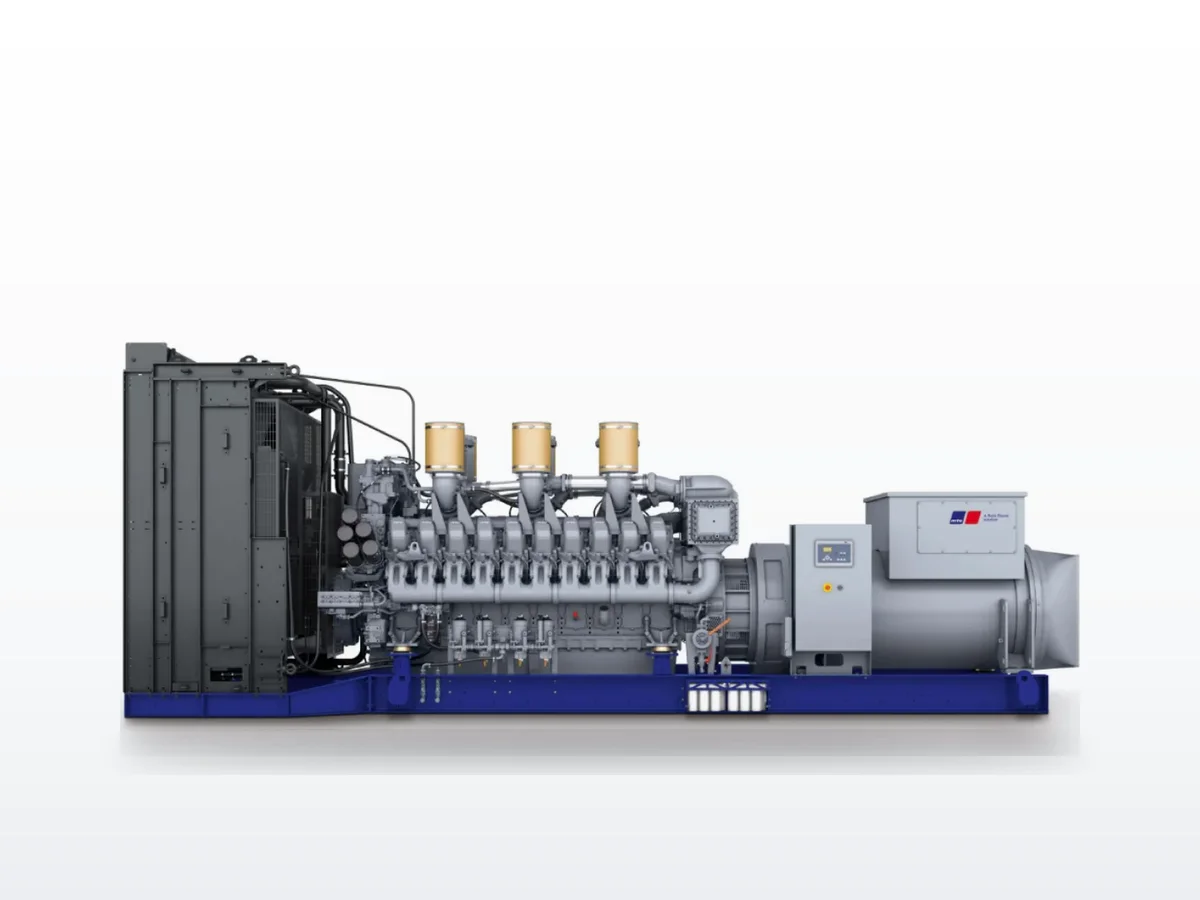
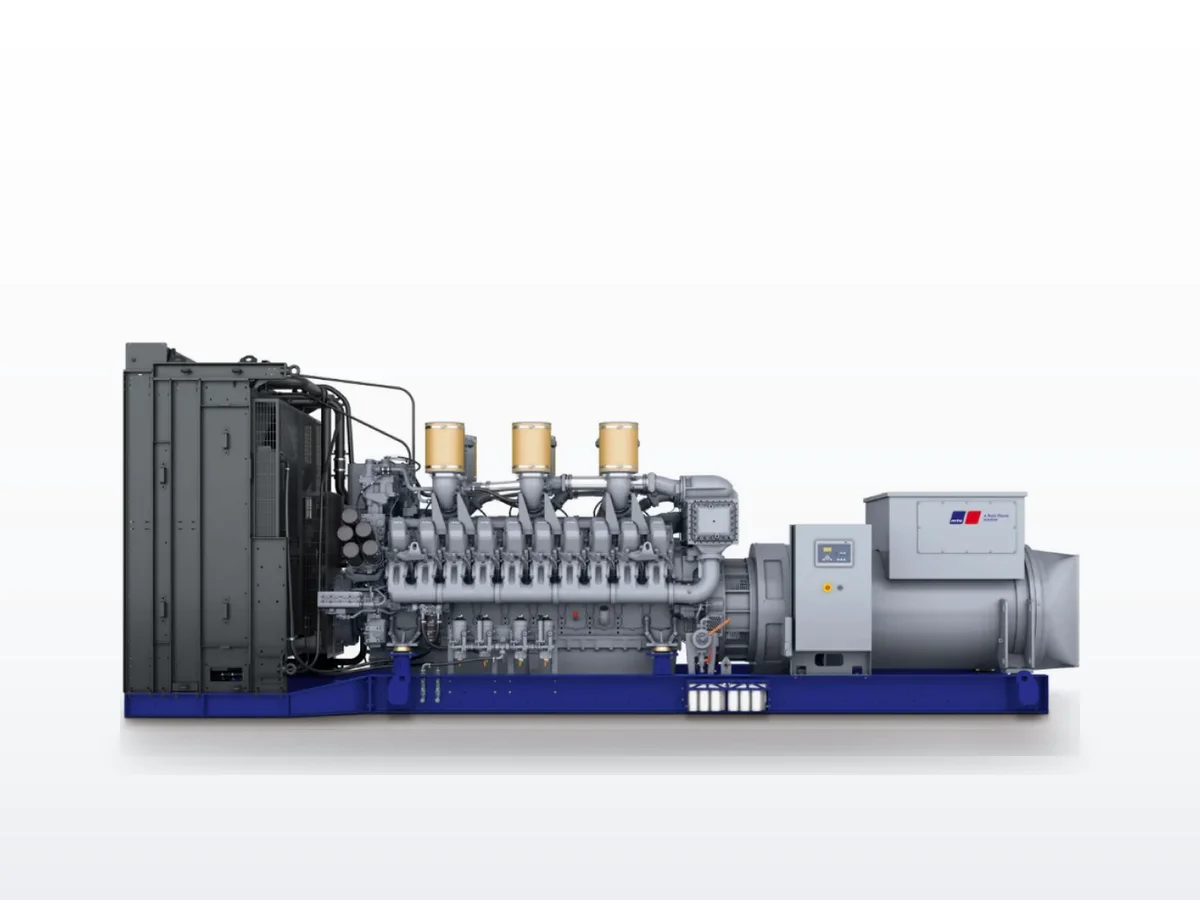
MTU Onsite Energy, part of Rolls-Royce Power Systems and ultimately Daimler Truck AG, traces its lineage to MTU Friedrichshafen GmbH, founded in 1909 in Friedrichshafen, Germany. The company builds diesel and gas generator sets from 30 kW to 3,250 kW, using engines from the Series 890, 1100, 1300, 1600, 2000, and 4000 platforms. MTU's engineering heritage is in large, high-output diesel engines — the same engine family powers mining trucks, naval vessels, and rail locomotives — and that pedigree shows in the generator product line. The fuel efficiency numbers are the clearest proof: MTU diesel engines run 5-10% more efficiently than CAT and Cummins at equivalent loads, which translates to approximately $98,000 in savings over four years for a single 1 MW unit. Combined with the highest power density in the industry — more kilowatts per square foot of generator footprint — MTU earns its specification in data centers, industrial plants, and mission-critical facilities where both operating cost and floor space carry a premium.
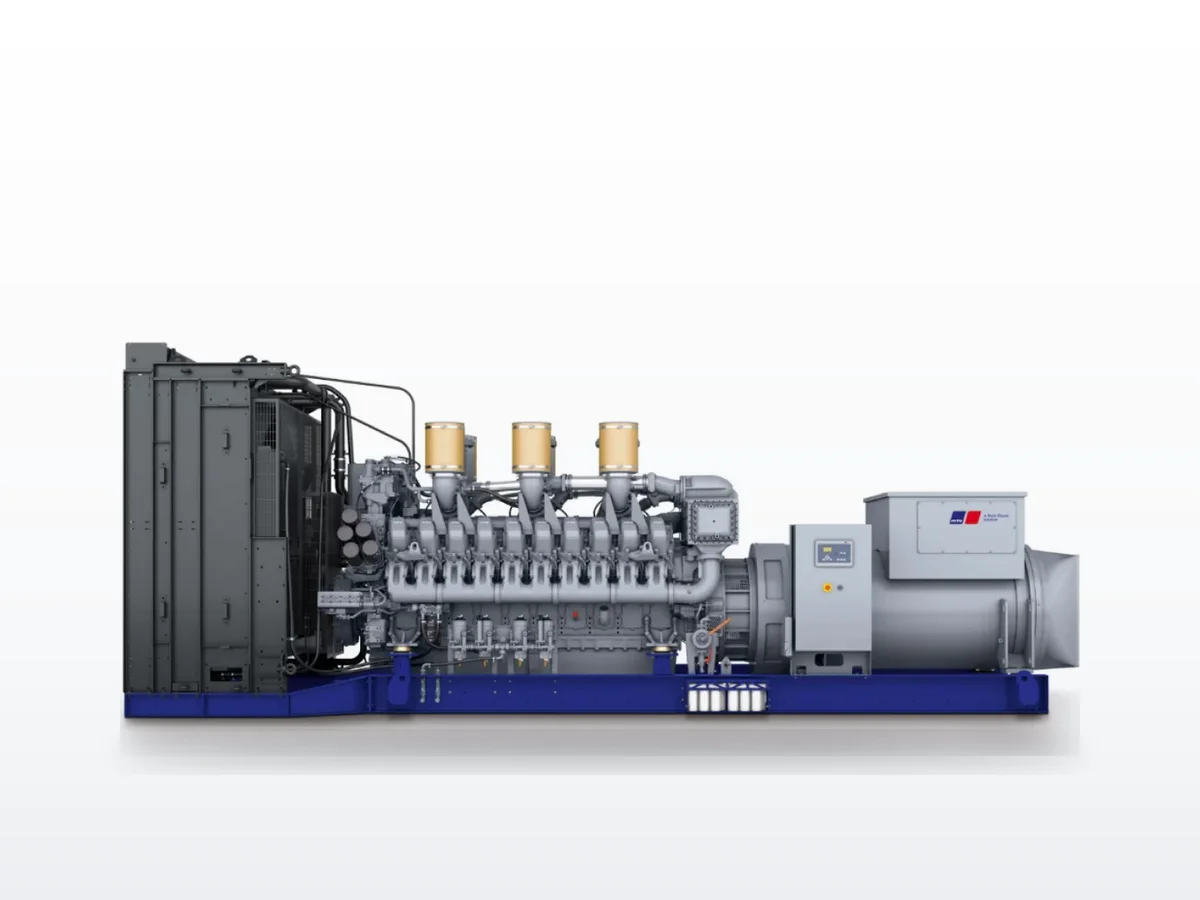
MTU's product range spans from compact Series 890 and 1100 units for commercial standby through the heavy-duty Series 4000 platform that powers the largest generator sets in the lineup. The Series 4000 engines, available in 12V, 16V, and 20V configurations, are EPA Tier 4 Final certified and represent MTU's strongest position in the market — these are the engines specified for hyperscale data centers and large industrial prime power applications. MTU engines also appear in generator sets from other manufacturers: Hipower uses MTU engines in its larger models, and Caterpillar has sourced MTU engines for certain high-output configurations. The 2006 acquisition of Katolight brought MTU a North American manufacturing facility in Mankato, Minnesota and an established dealer network, giving the German-engineered product line a domestic packaging and distribution base. The Katolight brand was gradually absorbed into MTU Onsite Energy, but the Mankato facility and its workforce continue to support North American production.
The limitation remains support infrastructure. MTU maintains roughly 40 authorized service locations in the US, a fraction of CAT's approximately 200 or Generac's 10,000-plus. Globally, Rolls-Royce Power Systems operates a broader dealer network across Europe, Asia, and the Middle East — but in the US market, MTU's coverage is thin. For Tier III and IV data centers with on-site mechanical staff and national service agreements, that thin network is a non-issue. For distributed commercial applications, hospitals, or any site that depends on a local dealer showing up within hours of a failure, MTU's coverage gaps represent genuine operational risk. Resale values trail Caterpillar, and parts lead times can run longer due to the German-engineered supply chain. MTU is the right choice when fuel efficiency, power density, and engineering pedigree drive the decision — but only when the buyer has the service infrastructure or the Rolls-Royce dealer relationship to support it.
Frequently asked questions
- What is the fuel savings ROI for MTU generators?
- At 1 MW continuous load, MTU's 5-10% fuel efficiency advantage over CAT and Cummins translates to approximately $98,000 in savings over four years. For data centers running multiple megawatts of backup capacity with regular testing and occasional extended outages, that savings scales linearly and can offset MTU's purchase premium within the first deployment cycle.
- How does MTU's thin dealer network affect buyers?
- MTU has roughly 40 authorized service locations in the US, compared to CAT's approximately 200 and Generac's 10,000-plus. For data centers and industrial facilities with on-site maintenance staff or national service contracts, the thin network is manageable. For distributed commercial sites that rely on local dealer emergency response, MTU's coverage gaps are a real operational risk. Globally, Rolls-Royce Power Systems maintains a broader dealer network across Europe, Asia, and the Middle East.
- Does MTU manufacture in the United States?
- MTU operates manufacturing and assembly facilities in the US, including its Aiken, South Carolina plant. However, core engine components are engineered and manufactured at the Friedrichshafen, Germany headquarters, and the global supply chain means lead times can be longer than domestic-focused manufacturers like Cummins or Generac, particularly for custom configurations.
- What is MTU's relationship to Rolls-Royce and Daimler?
- MTU Friedrichshafen GmbH was founded in 1909 in Friedrichshafen, Germany. Through a series of ownership changes, it became part of Rolls-Royce Power Systems, which is itself a subsidiary of Daimler Truck AG. The MTU brand is used for engines and generator sets, while Rolls-Royce Power Systems is the corporate entity managing the global dealer network, engineering, and manufacturing operations.
- What MTU engine series are available in generator sets?
- MTU generator sets use engines from the Series 890, 1100, 1300, 1600, 2000, and 4000 platforms, covering 30 kW to 3,250 kW. The Series 1600, 2000, and 4000 are the most commonly specified for industrial and data center applications. Series 4000 engines are available in 12-, 16-, and 20-cylinder configurations and are EPA Tier 4 Final certified.
- What happened to Katolight generators?
- MTU (then a DaimlerChrysler subsidiary) acquired Katolight in 2006, gaining its Mankato, Minnesota manufacturing facility and North American dealer network. The Katolight brand was phased into MTU Onsite Energy. No new Katolight-branded units are produced, but the large installed base is serviced through the MTU/Rolls-Royce dealer network.
Key specs at a glance
- Power range
- 30–3250 kW standby
- Fuel types
- natural-gas, lpg, diesel
- Engine OEMs
- MTU, Doosan, PSI, John Deere
- Alternator OEMs
- MTU, Leroy-Somer, Marelli
- Phase options
- 1-phase, 3-phase
- Models in library
- 28
When to Specify MTU
- Best fuel efficiency in the large-frame class — 5-10% better than CAT or Cummins, compounding to significant savings at 1MW+ over a multi-year asset life
- Highest power density (kW per liter) in the premium segment — reduces footprint for space-constrained data centers
- 20,000-30,000 hour overhaul intervals are the longest in the industry, minimizing maintenance downtime
- Meets NFPA 110 in a single 0-100% load step without stagger-loading
- Best choice for hyperscale data centers (1MW+), high-duty-cycle applications (2,000+ hours/year), and long-term asset holders optimizing on TCO
MTU Product Families
mtu
Series 4000 Diesel
Rolls-Royce Power Systems megawatt-class diesel — 1250 to 2500 kW on MTU 4000-series V-engines for data centers and mission-critical facilities.
1250–2500 kW
mtu
Series 2000 Diesel
MTU's compact 1 MW diesel — the 16V2000 DS1000 delivers megawatt-class standby in a smaller footprint than the Series 4000.
1000 kW
mtu
12V1600 Series
MTU's 750–900 kW V12 platform — compact, efficient standby for data centers, healthcare, and high-rise buildings.
750–900 kW
mtu
10V1600 Series
MTU's 500 kW V10 diesel platform — 17.5L common-rail with ADEC control and PMG alternator for data center and critical facility standby.
500 kW
mtu
Onsite Energy Gas
MTU's 100–500 kW natural gas and LP generator lineup — eliminate diesel storage with utility gas supply for commercial and industrial standby.
100–500 kW
mtu
6R0225 Series
MTU control and John Deere reliability — 400 kW standby on a 13.5L inline-6 with full MTU packaging and certification.
400 kW
mtu
8V1600 Series
MTU's 350 kW V8 diesel platform — the entry point to MTU proprietary 1600-series common-rail engines with ADEC electronic control.
350 kW
mtu
6R0150 Series
MTU control and John Deere reliability — 250–300 kW standby on a 9.0L inline-6 with single- and three-phase availability.
250–300 kW
mtu
6R0113 Series
MTU's 150–200 kW John Deere 6068-powered diesel platform — inline-6 smoothness, SCAQMD certified, for healthcare and mid-range commercial standby.
150–200 kW
mtu
4R0113 Series
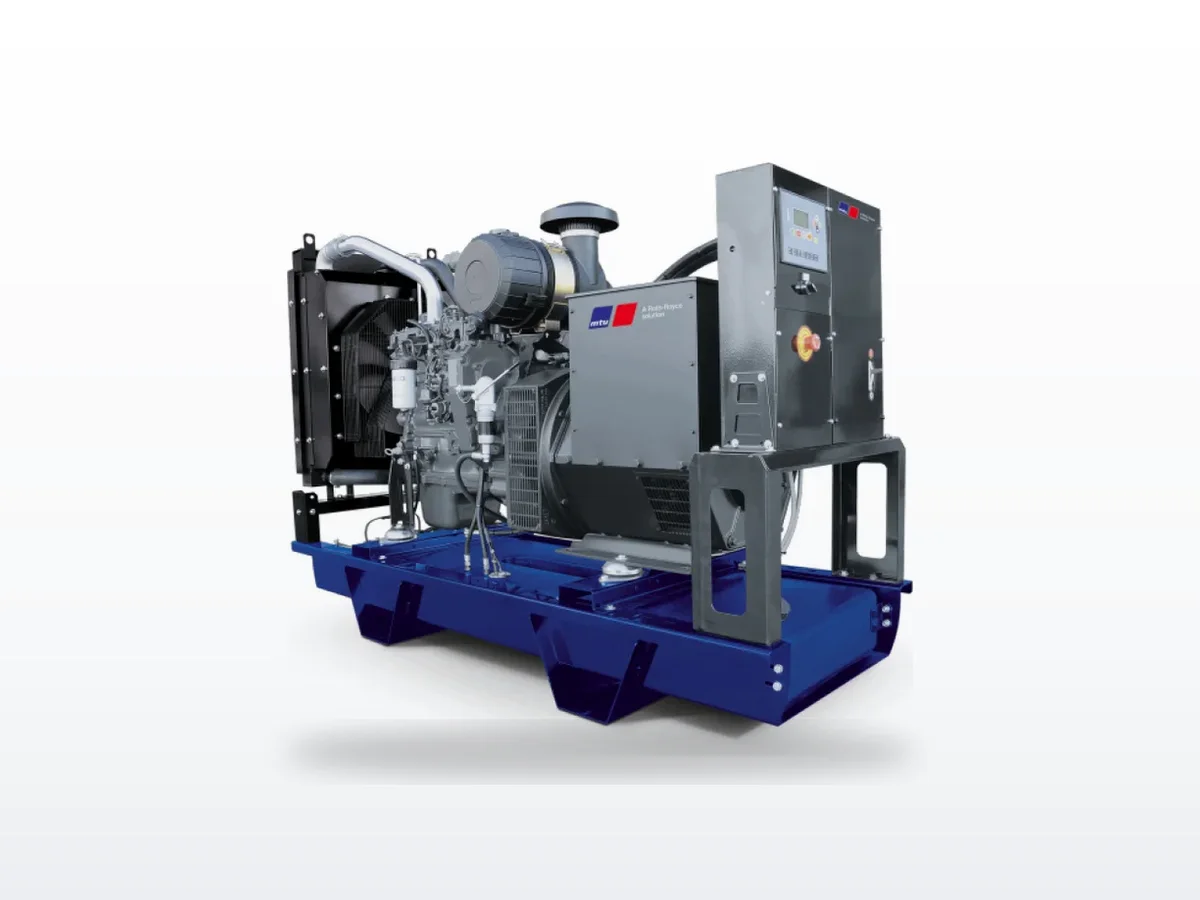
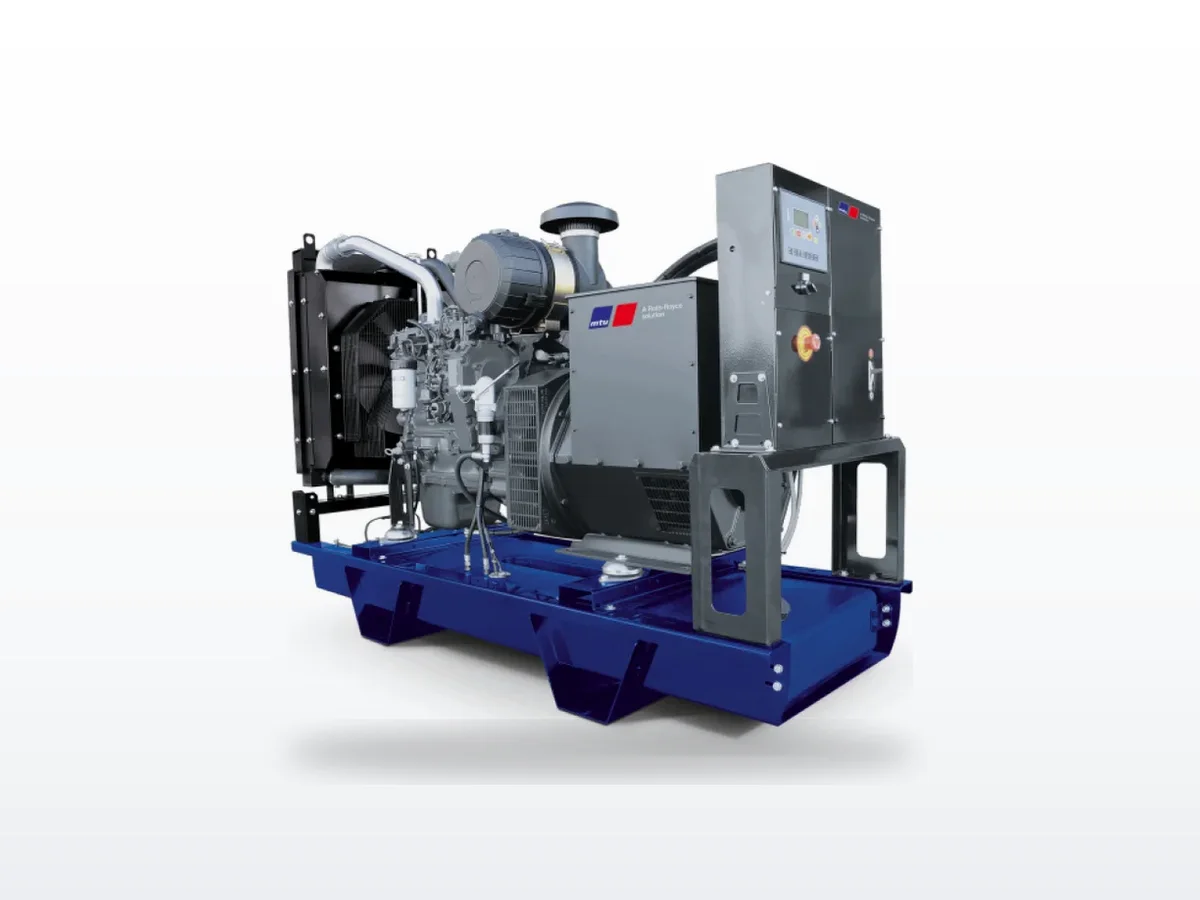
MTU's 50–100 kW John Deere 4045-powered diesel platform — mechanical simplicity at 50 kW, turbocharged precision at 100 kW.
50–100 kW
mtu
3R0096 Series
MTU's compact 30 kW diesel standby — John Deere 3029 powered, EPA Tier 3, for small commercial sites where space is tight and reliability is non-negotiable.
30 kW
Compare with Other Brands
MTU Units For Sale28
View all →Industries & Services
Industries We Serve
Our Services
Application Engineering
Not sure if MTU is right for your project?
Our engineers spec across 19 brands and 600+ models — diesel, gaseous, portable, and prime power — with no single-brand obligation.
Need help with MTU?
Our application engineers help size, spec, and source backup power for commercial, industrial, and mission-critical sites.