Overview#
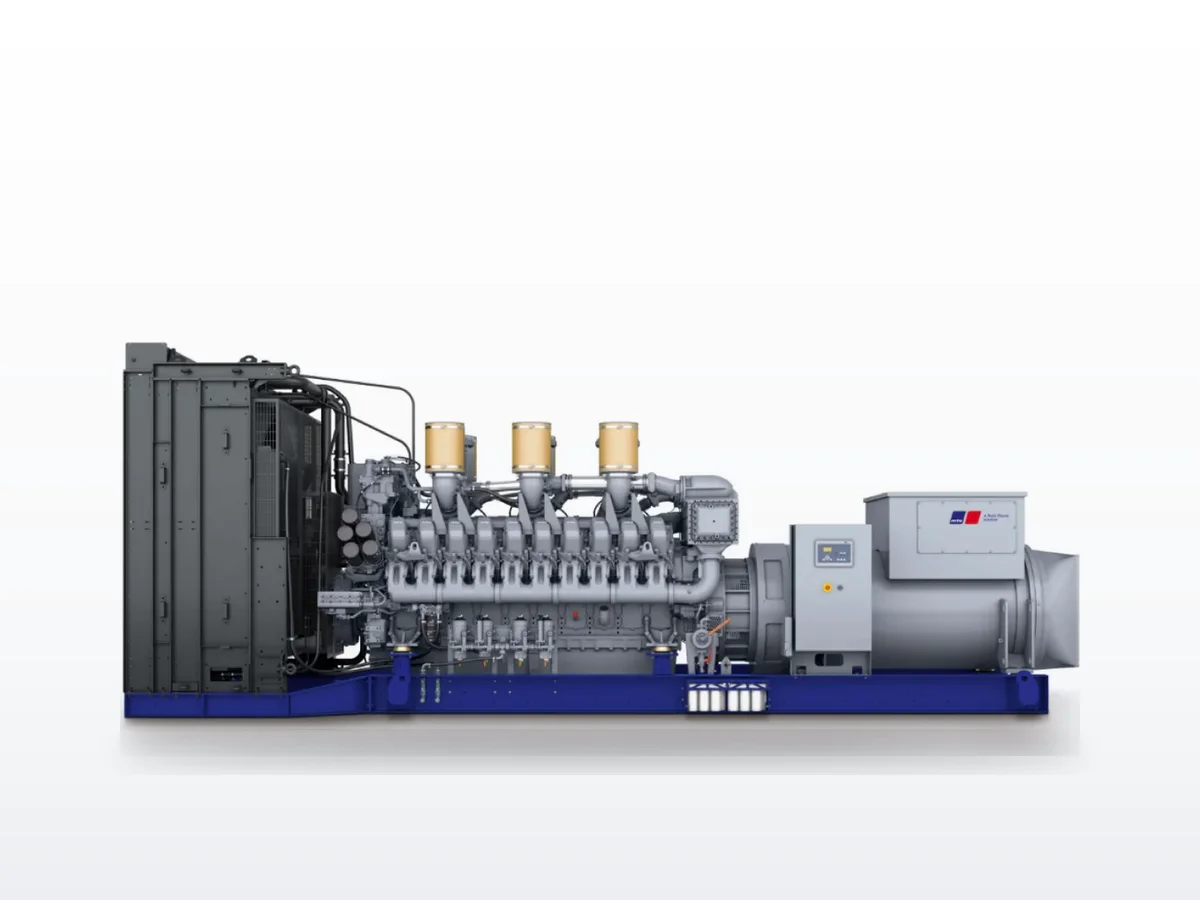
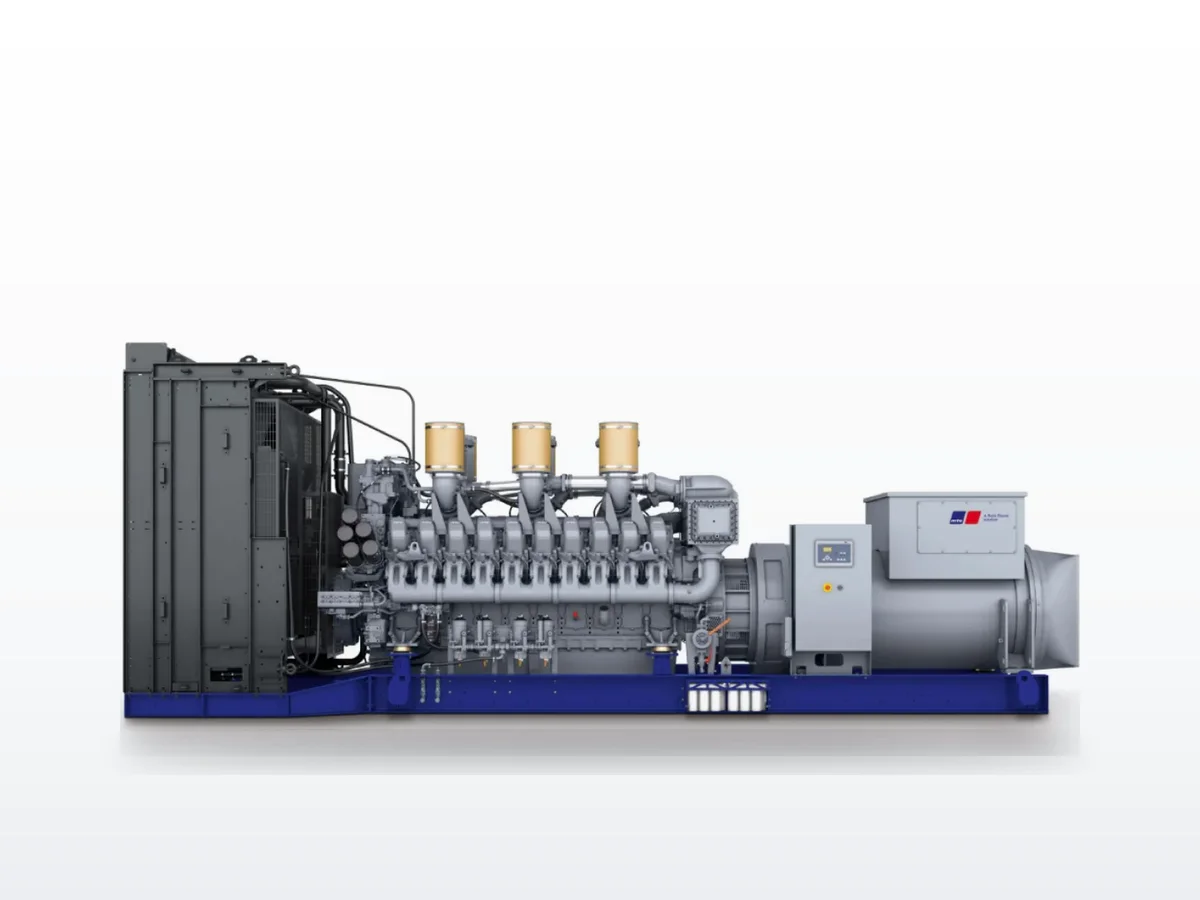
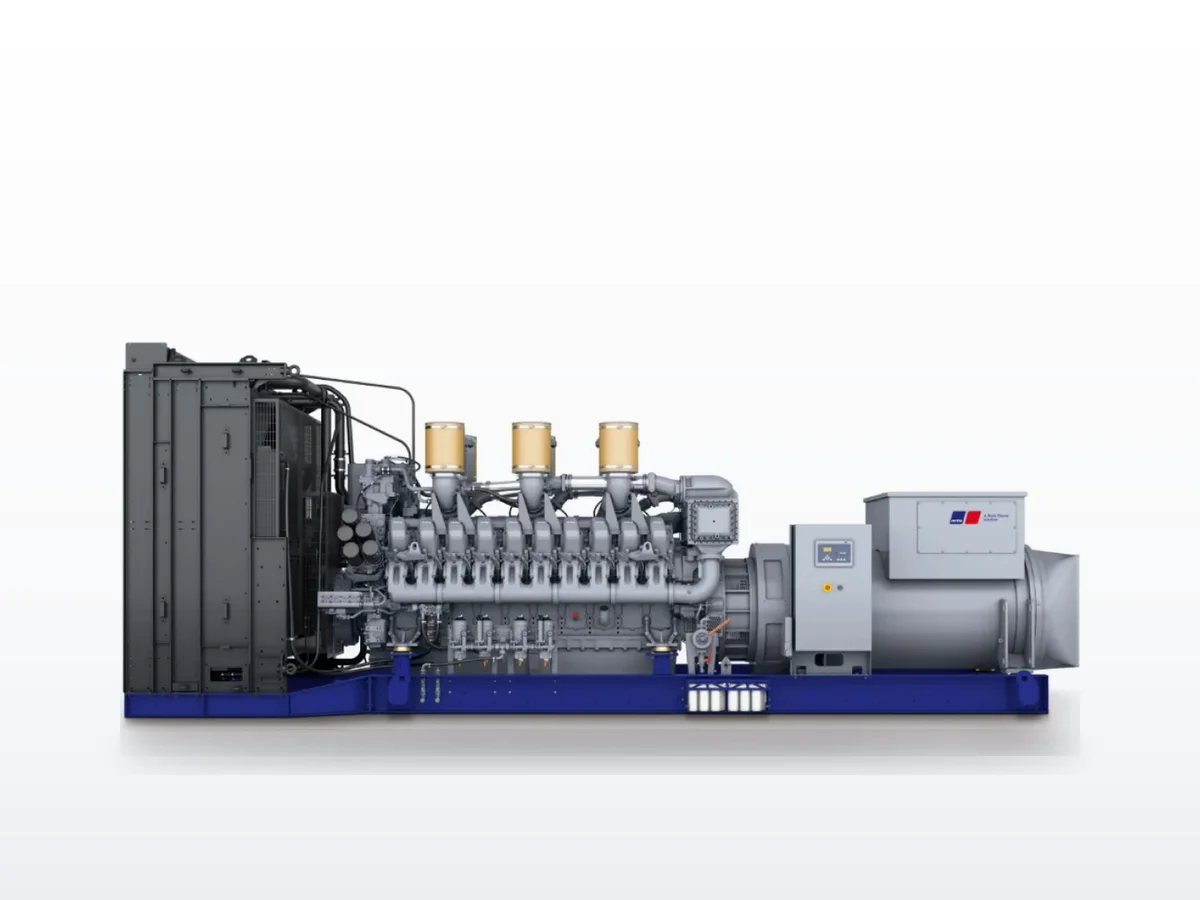
The MTU 16V4000 DS2000 is the entry point to the 16-cylinder Series 4000 diesel platform from Rolls-Royce Power Systems. At 2,000 kWe standby and 1,800 kWe prime, it delivers 2 MW class power from a proven architecture that scales to 2,500 kW at the top of the lineup. For facilities that have outgrown the 12-cylinder DS1750 (1,750 kW standby) but don't yet need the full capacity of the DS2250 or DS2500, the DS2000 provides a right-sized solution.
The 16V4000G74S engine adds four cylinders and 19 liters of displacement over the 12V4000 platform, bringing total displacement to 76.3 liters. Despite the larger engine, the same bore (170mm) and stroke (210mm) dimensions mean parts commonality across the Series 4000 family — fuel injectors, piston assemblies, and turbocharger components are shared between 12V and 16V configurations. This simplifies fleet standardization for operators running mixed Series 4000 installations.
DCCP certification allows the DS2000 to operate at 1,825 kWe continuously with 10% overload capacity, meeting Uptime Institute Tier III and IV data center requirements. Medium-voltage capability to 13,800V, EPA Tier 2 + SCAQMD compliance, and NFPA 110 Level 1 acceptance position it for the most demanding installations: hyperscale data centers, large hospital campuses, and critical infrastructure facilities.
Sizing considerations at the 2 MW class#
The 2 MW threshold is significant in generator sizing. Many data center pods and hospital campuses are designed around 2 MW electrical buses. A single DS2000 on each bus in a 2N configuration provides 1,800 kW continuous per bus — enough for a 1.6 MW IT load with comfortable margin for cooling and distribution overhead.
For paralleling applications, the DS2000's electronic isochronous governor (ADEC) provides steady-state frequency regulation within +/-0.25% and supports load sharing with droop or isochronous paralleling modes. Arrays of 4-6 DS2000 units can deliver 7-11 MW of aggregate capacity, common in Tier III colocation facilities.
When the 2,000 kW standby rating isn't quite enough but a full 2,500 kW is oversized, the DS2250 (2,250 kW standby / 2,045 kW prime) offers a middle option on the same 76.3L V16 platform — same footprint, same parts commonality, different engine tune.
Competitive landscape at 2,000 kW#
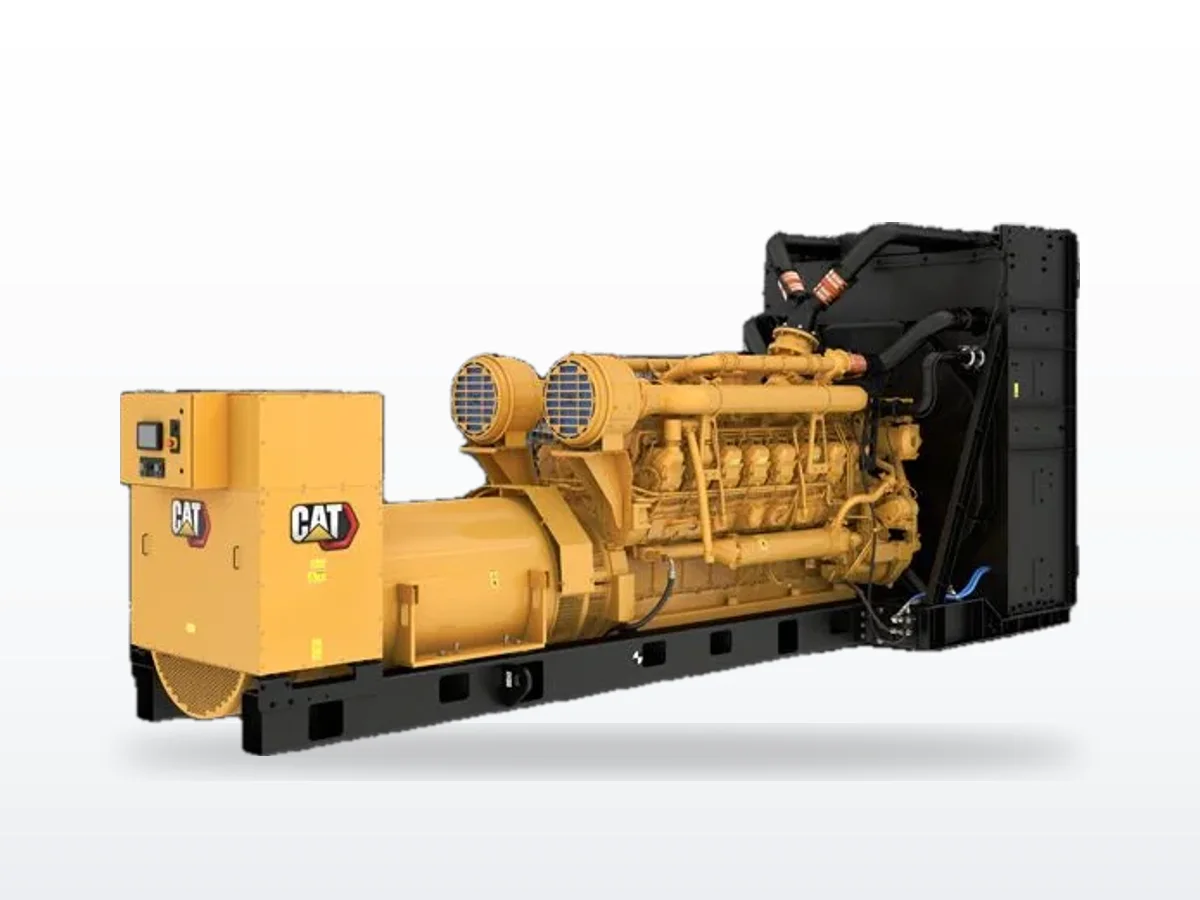
At 2 MW, the DS2000 competes primarily with the Caterpillar 3516C (2,000-2,500 kW standby), Cummins QSK60 (2,000 kW standby), and Kohler 2000REOZMB. The MTU's advantage is its DCCP certification and SCAQMD compliance in a package that shares parts with the broader Series 4000 family (DS1250 through DS2500). The common rail fuel injection and ADEC electronic governor are standard across all variants.
Caterpillar's 3516C offers comparable power from a larger displacement (78.6L) with a more extensive North American dealer network. Cummins' QSK60 is a significantly larger engine (60 liters from a V16 configuration) that delivers 2,000-2,500 kW but is optimized for continuous duty rather than standby. For pure data center applications requiring DCCP and Uptime Institute certification, the MTU lineup is purpose-built for the role.
Our service experience#
The step from 12 to 16 cylinders adds four fuel injectors, four piston assemblies, and associated valve train components to the maintenance scope. In practice, this means oil changes require approximately 40% more lubricant (280 vs 200 liters system capacity), and injector replacement projects are proportionally larger. We recommend staggering injector replacements in banks of 4 rather than replacing all 16 simultaneously.
The 76.3L engine runs at lower specific output per cylinder than the DS1750 at the same per-cylinder geometry, which generally favors longevity. However, the additional turbocharger loading and higher total heat rejection demand careful attention to cooling system maintenance. Radiator capacity must handle the full 2 MW thermal load in ambient temperatures up to 50C per the standard rating.
For installations in Northern California's SCAQMD-adjacent air quality districts, the S-suffix engine meets the strictest stationary diesel emission requirements without exhaust aftertreatment. This eliminates the DPF/SCR maintenance burden that Tier 4 engines require.