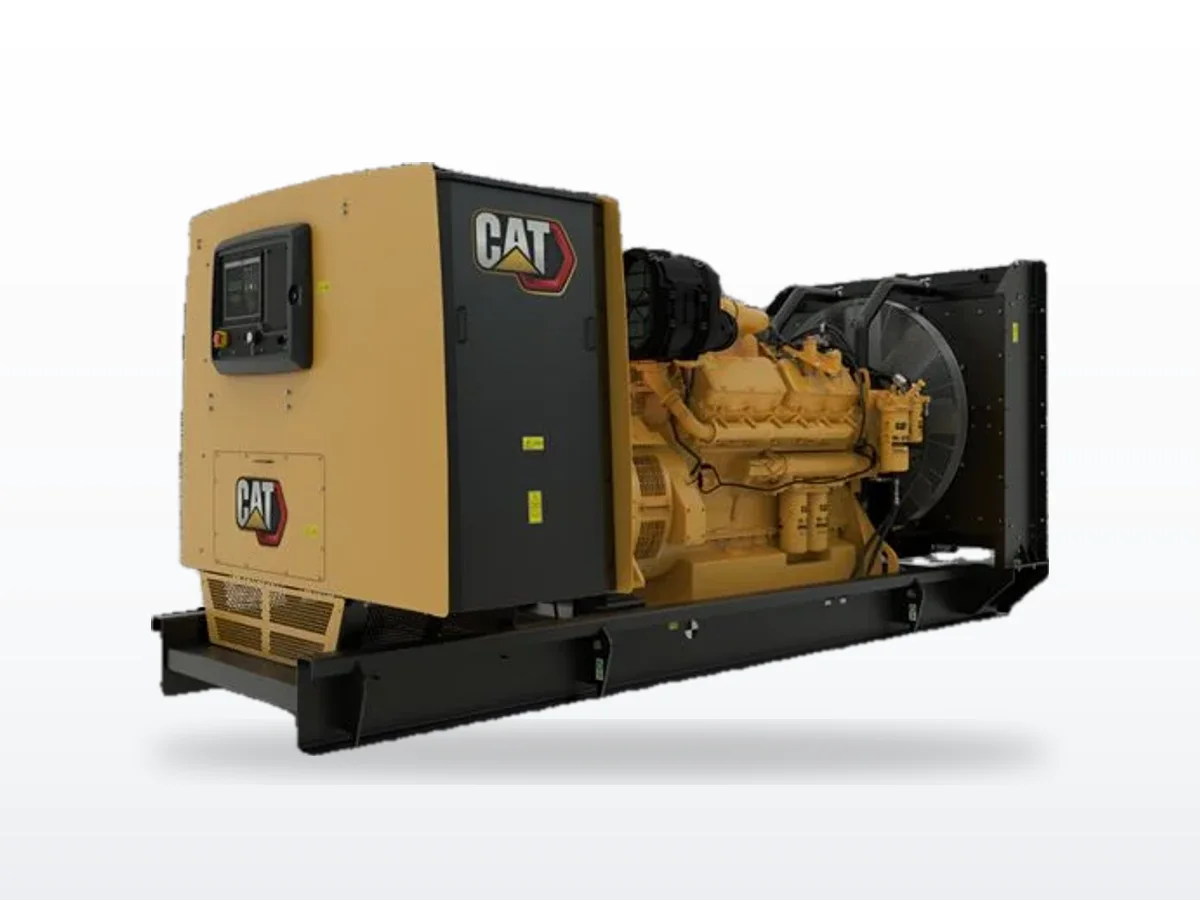
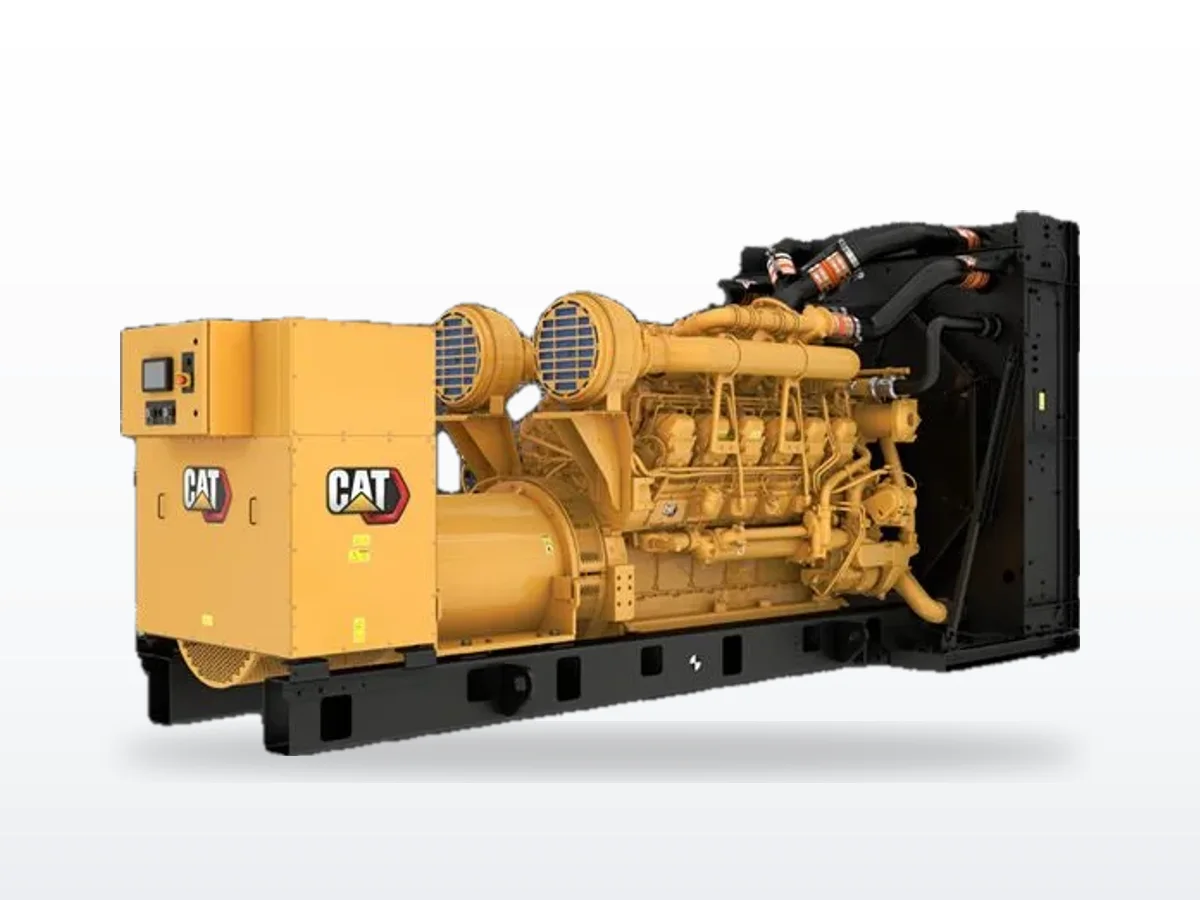
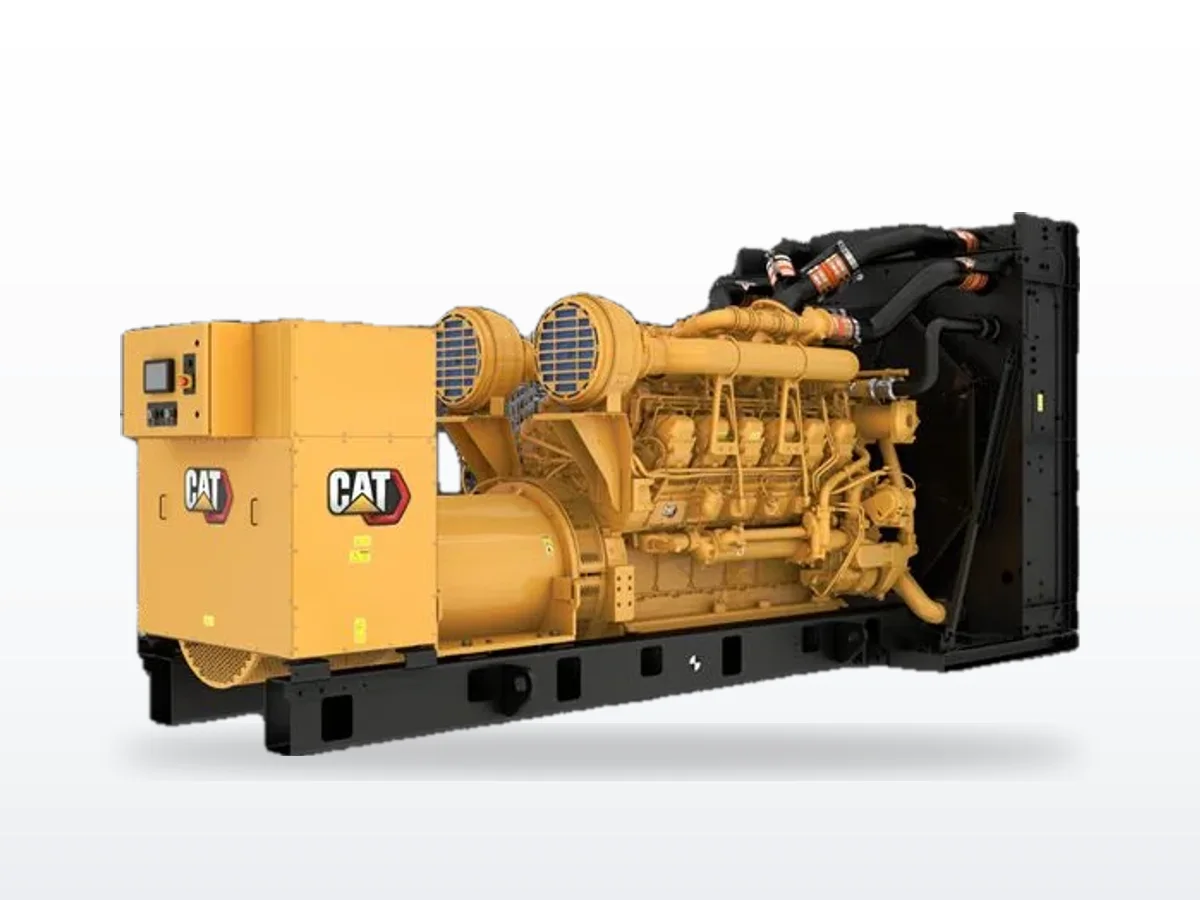
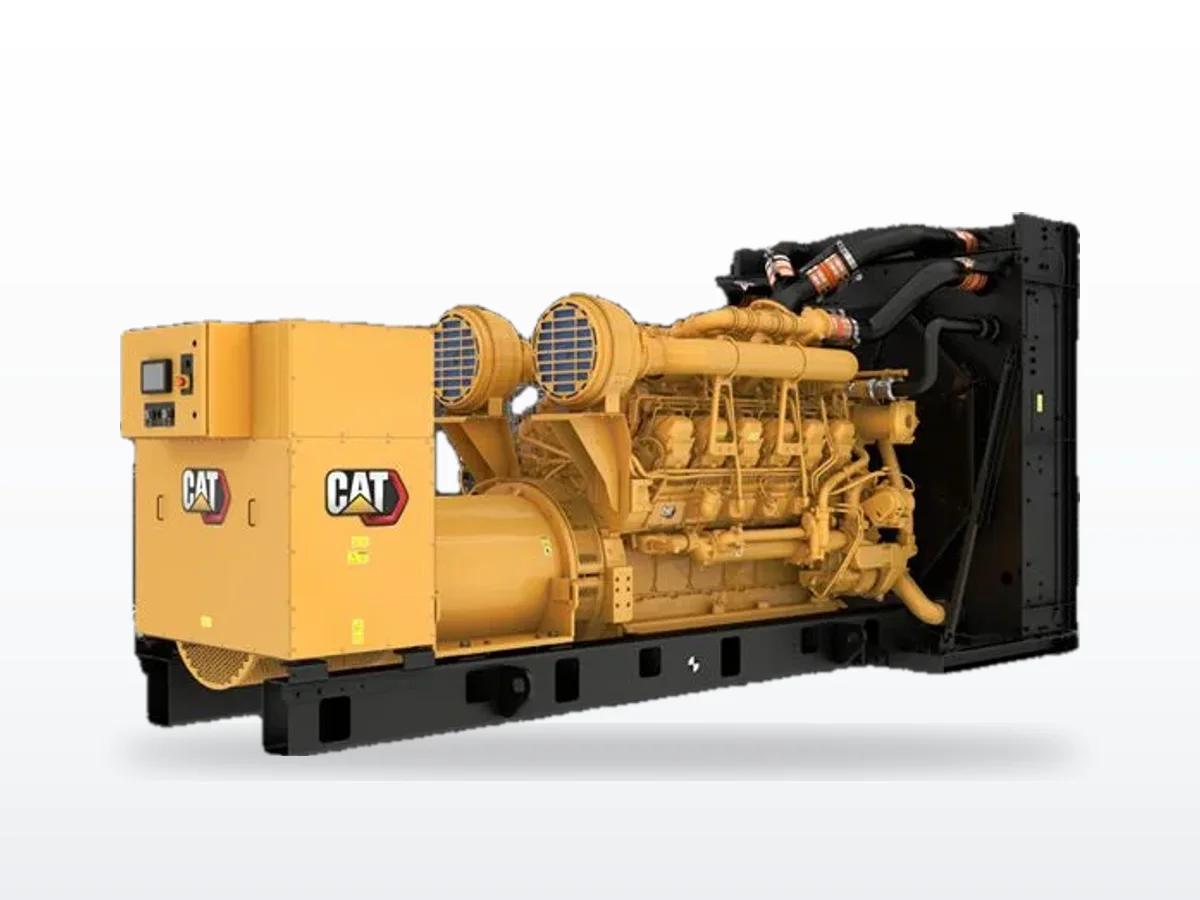
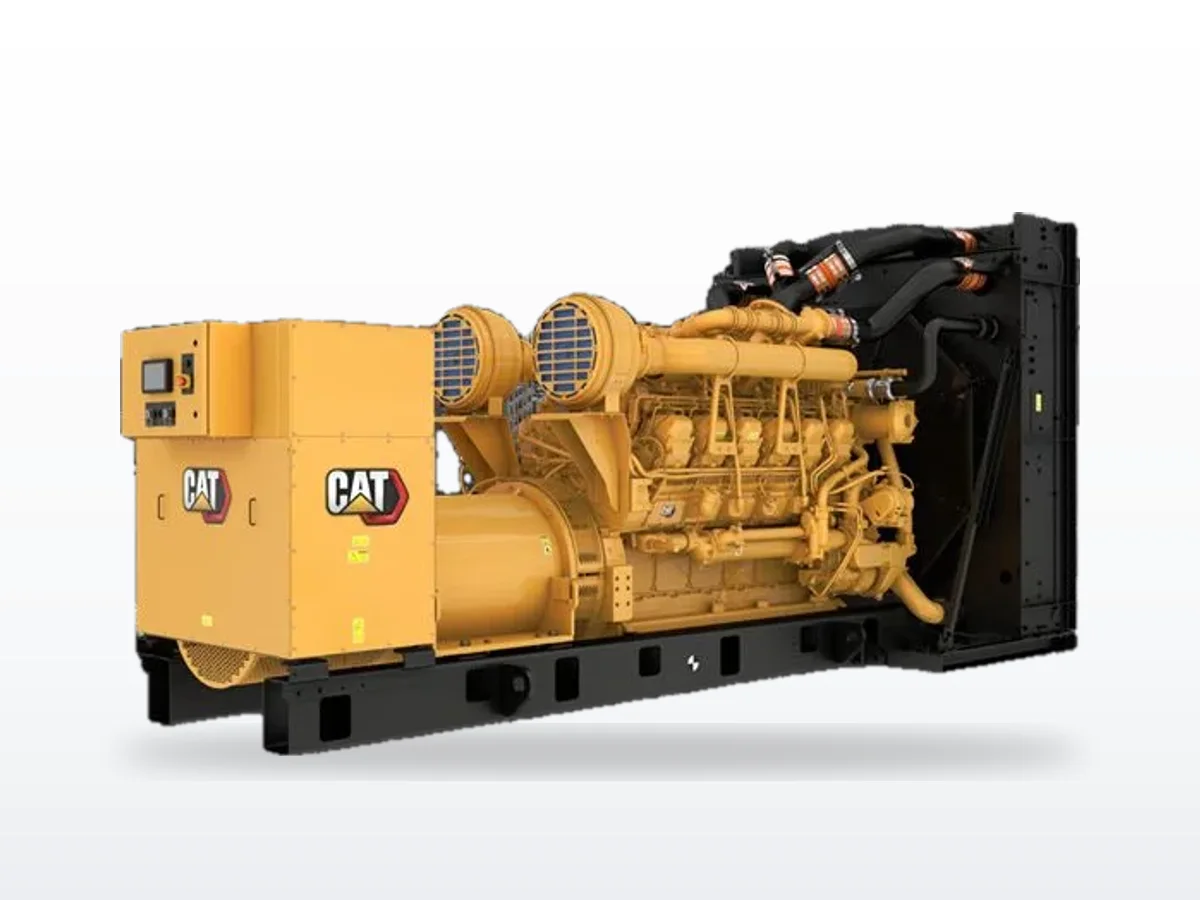
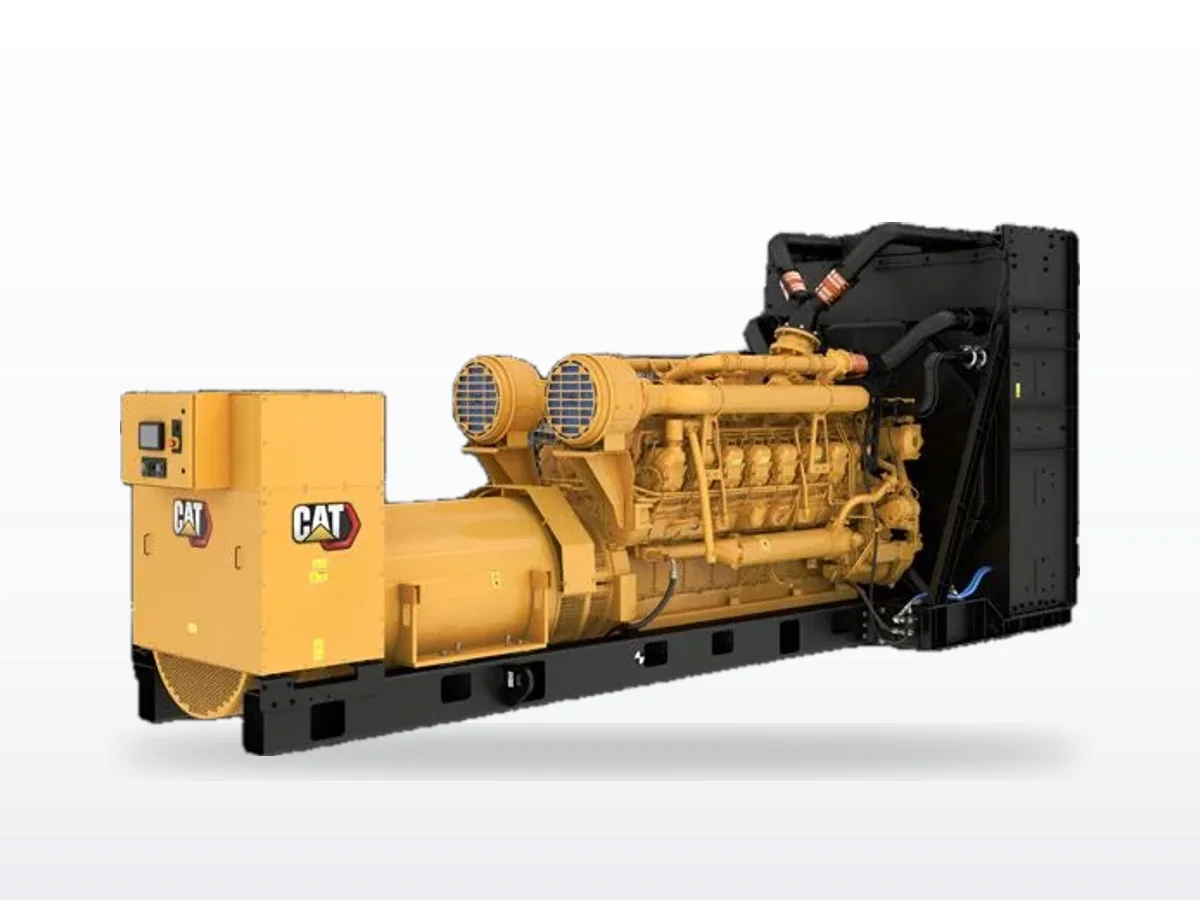
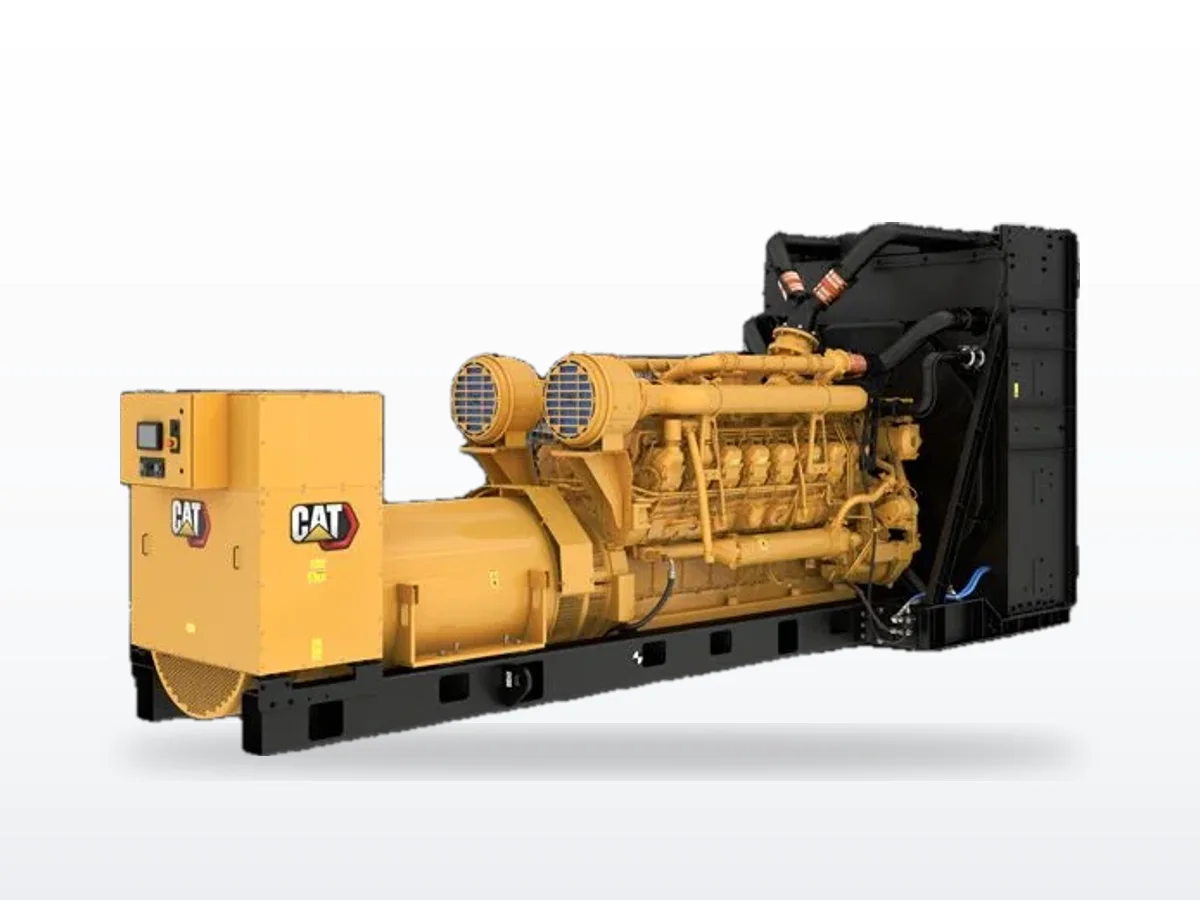
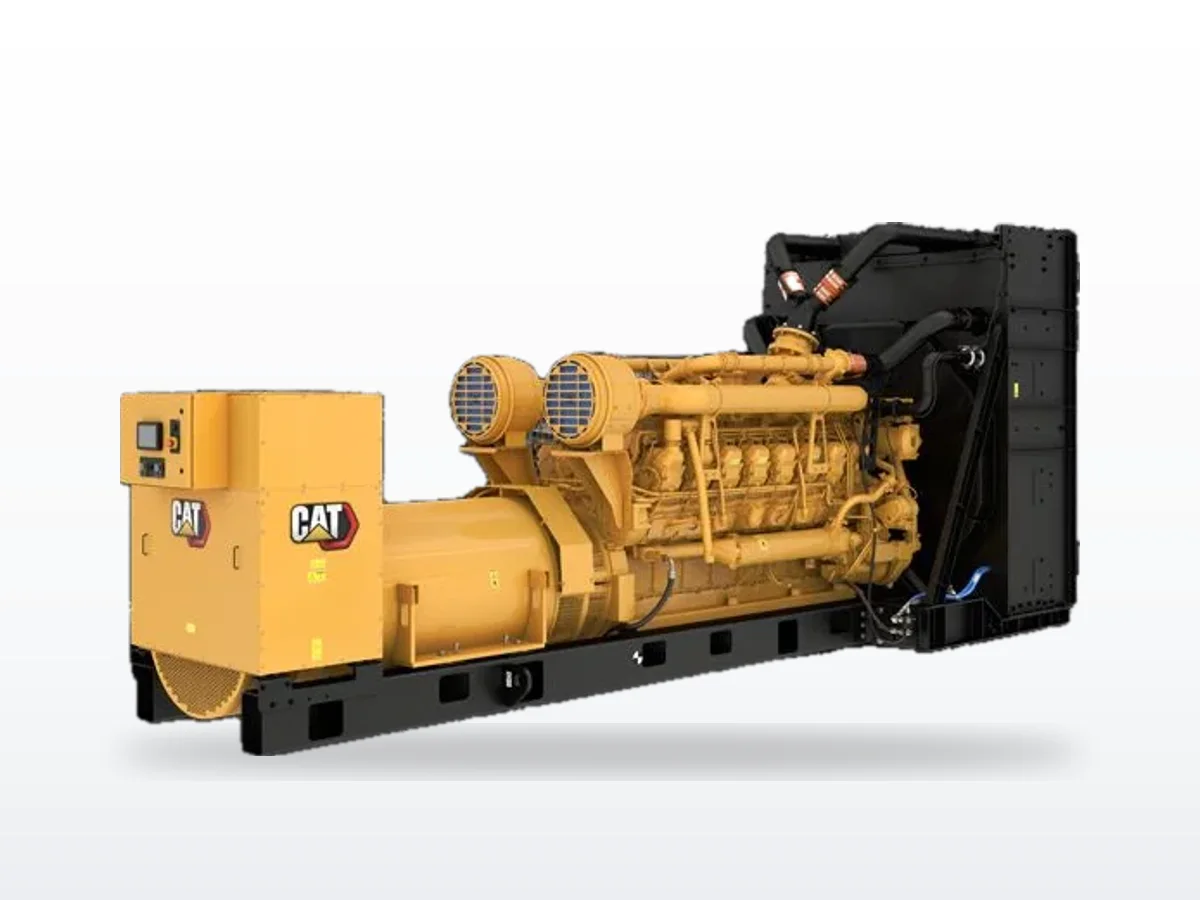
Caterpillar Generators
Premium industrial power — best resale value, deepest parts network in the industry
Commonly abbreviated CAT — both names refer to the same manufacturer.
Why buyers choose CAT
- Best resale value — CAT generators retain 15-25% more value than Cummins or MTU in the secondary market
- Deepest parts network — ~200 US dealers, parts for models back to 1995 still in stock
- Fleet standardization — one OEM across all heavy equipment reduces training and inventory complexity
- Rural market coverage — strongest dealer density in secondary and rural US markets
Who CAT is for
Heavy industrial sites, large-frame applications (500 kW+), buyers who treat generators as capital assets with resale value, and rural or secondary markets where dealer density matters.
What to consider before specifying CAT
- 20-40% price premium over comparable Cummins or Generac units
- Over-engineered for typical commercial standby — paying for industrial durability you may not need
- Exclusive dealer territory lock-in limits competitive service pricing
Caterpillar is the default specification for buyers who plan to own a generator for more than a decade. The combination of roughly 200 US dealers, parts availability back to 1995, and the strongest resale market in the power generation industry means that a CAT unit retains 15-25% more value than comparable Cummins or MTU generators at the same age and runtime hours. For mission-critical industrial applications — data centers, hospitals, water treatment — that long-term value proposition often outweighs the higher upfront cost.
The trade-off is real, though. CAT generators carry a price premium that ranges from 15% over Cummins to as much as 30% over volume players like Generac. For projects with a defined lifecycle under five years, or for rental fleet operators cycling equipment every 3-4 years, that premium rarely pays back. Kohler also outperforms CAT on raw power quality, with THD figures below 3% versus CAT's industry-standard 5-8% range — a meaningful difference for healthcare and semiconductor facilities.
The GC line, introduced to target the commercial standby segment, is CAT's acknowledgment that not every application needs a full industrial spec. GC units pair CAT engines with simplified controls and enclosures, narrowing the price gap with Cummins and Generac while keeping buyers inside the CAT dealer network. For commercial building owners who want the yellow iron without the industrial price tag, the GC line is worth evaluating — but buyers should understand that GC units do not carry the same resale premiums as CAT's industrial models.
Frequently asked questions
- Why are Caterpillar generators more expensive than competitors?
- CAT units typically carry a 15-25% price premium over comparable Cummins or MTU models. That premium buys you the strongest resale market in the industry — used CAT generators routinely sell for more than competing brands' units of the same age and hours — plus a parts ecosystem that stretches back to 1995.
- When should you NOT spec a Caterpillar generator?
- If total cost of ownership over a short deployment (under 5 years) is the primary driver, CAT's premium is hard to justify. For temporary or rental-fleet applications, Cummins or Generac deliver equivalent reliability at 10-15% less. CAT also lacks the ultra-low THD power quality that Kohler offers for sensitive healthcare loads.
- What is the Caterpillar GC line?
- The GC (Gas/Commercial) line is CAT's mid-tier product targeting commercial standby applications where the full industrial spec is unnecessary. GC units use CAT engines but simplified control panels and packaging, bringing the price closer to Generac and Cummins territory while retaining CAT dealer support.
Key specs at a glance
- Power range
- 20–4000 kW standby
- Fuel types
- diesel, natural-gas, lpg
- Engine OEMs
- Caterpillar
- Alternator OEMs
- Caterpillar
- Phase options
- 1-phase, 3-phase
- Models in library
- 64
When to Specify Caterpillar
- Preferred for mission-critical industrial applications where parts availability and global service network matter
- Strongest product line above 1MW — CAT is the default for large industrial and utility applications
- Deepest service network of any generator manufacturer — parts for models back to 1995 still in stock at ~200 US dealers
- EMCP 4 controller platform is the industry standard for complex paralleling and power management
- Best choice when uptime, global service reach, long-term parts availability, and resale value are priorities
Caterpillar Product Families
caterpillar
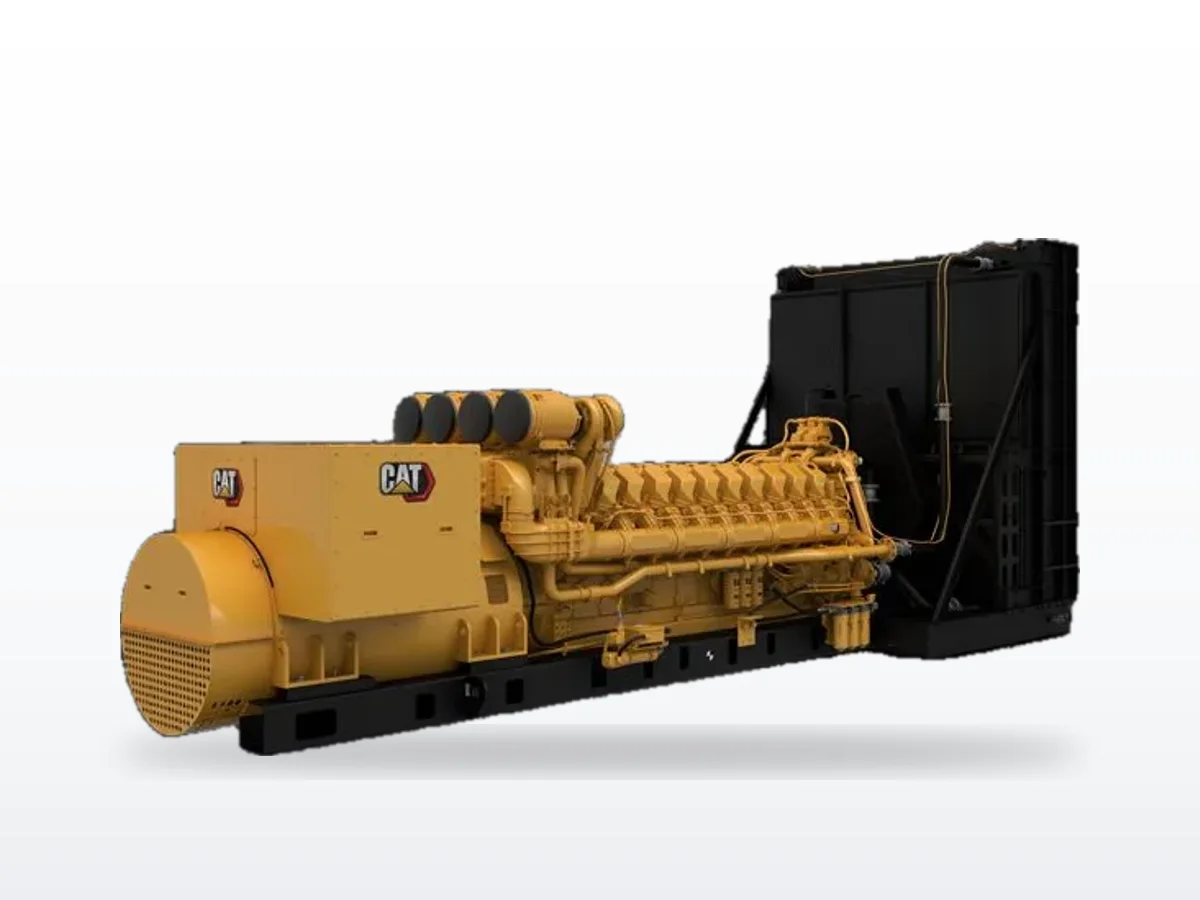
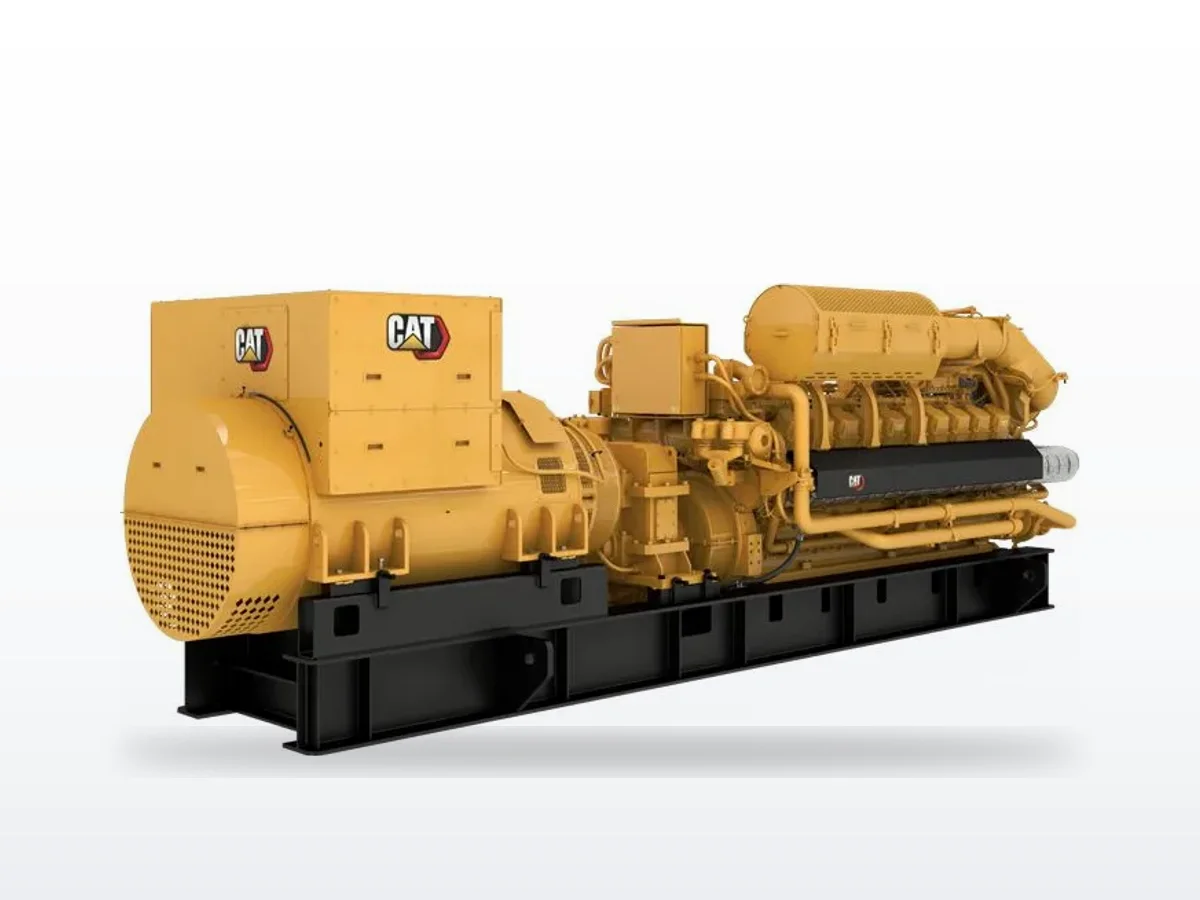
Cat C175 Series (Large Diesel)
Caterpillar's flagship diesel platform: 3,100–4,000 kW for the most demanding mission-critical applications.
3100–4000 kW
caterpillar
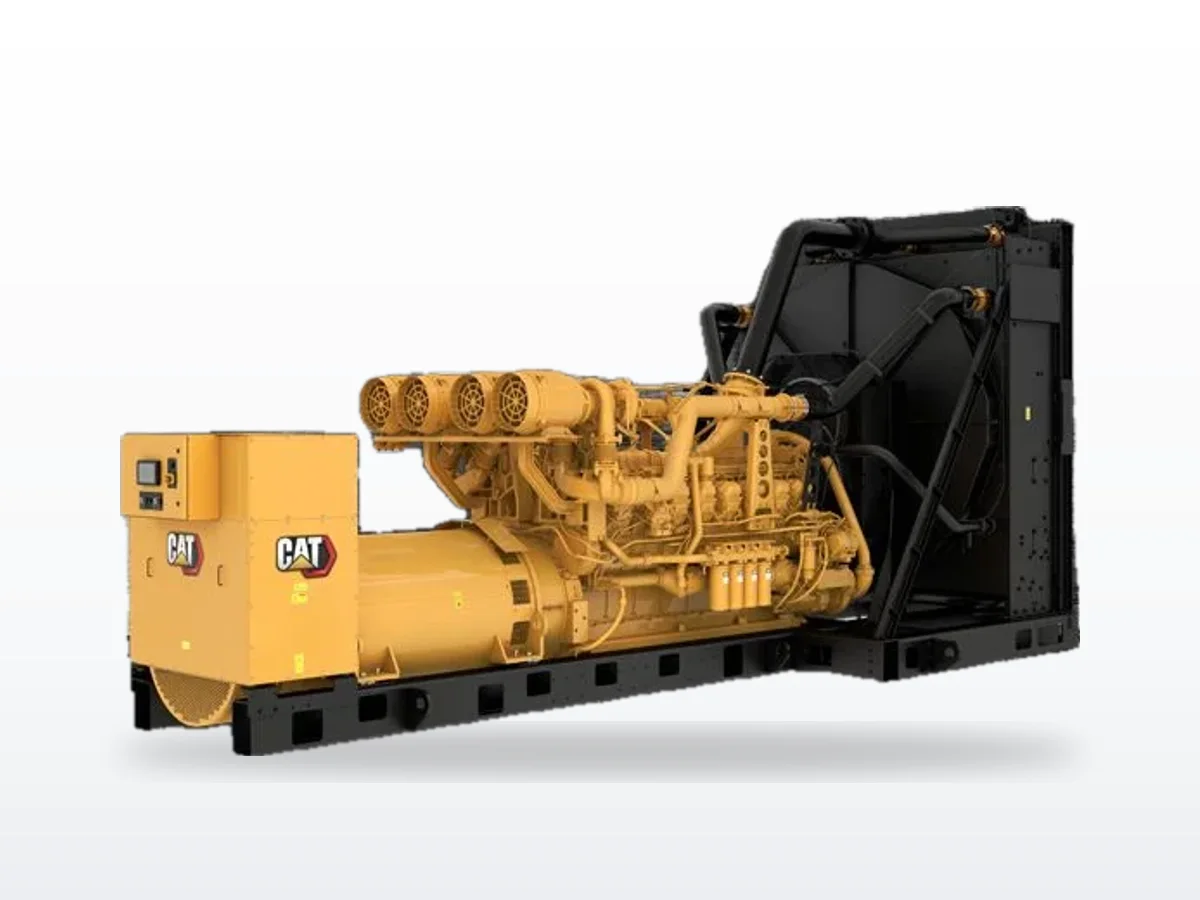
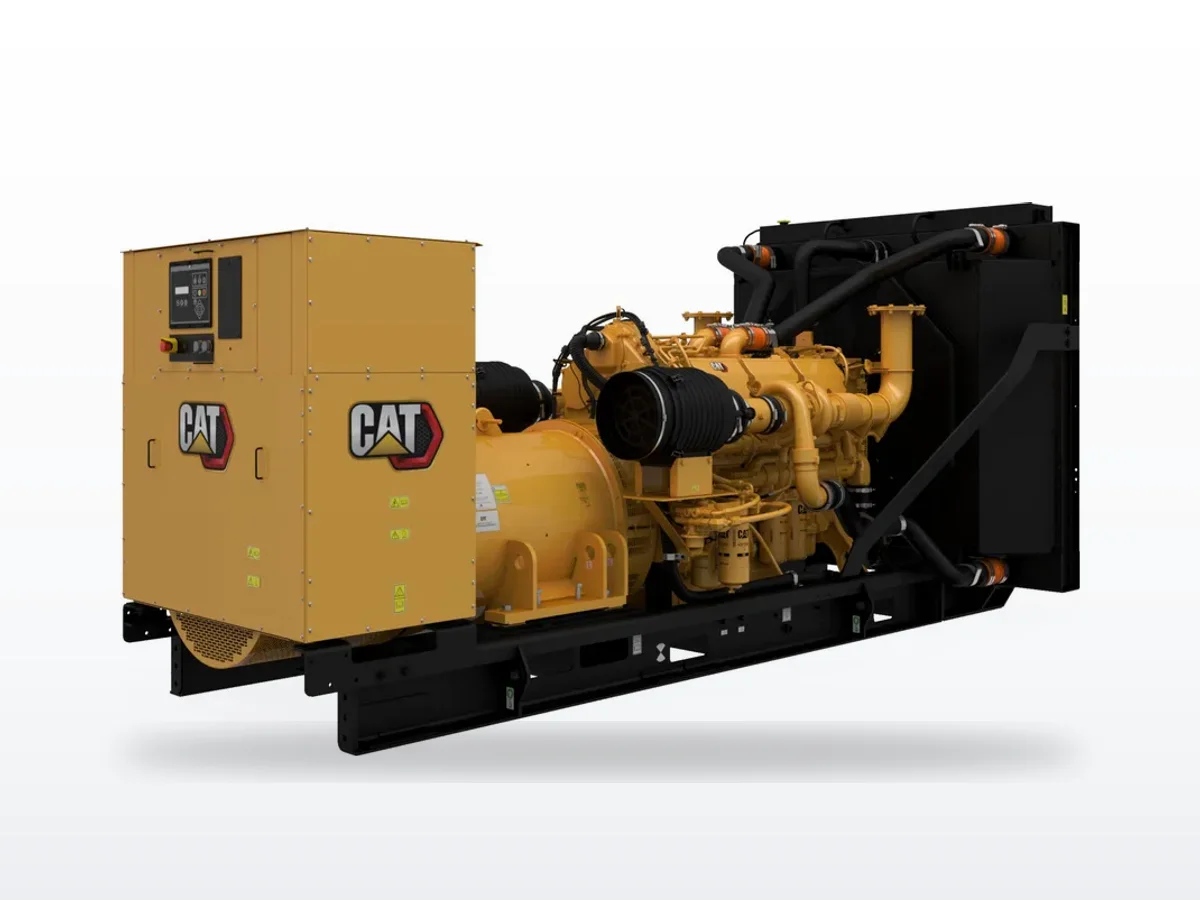
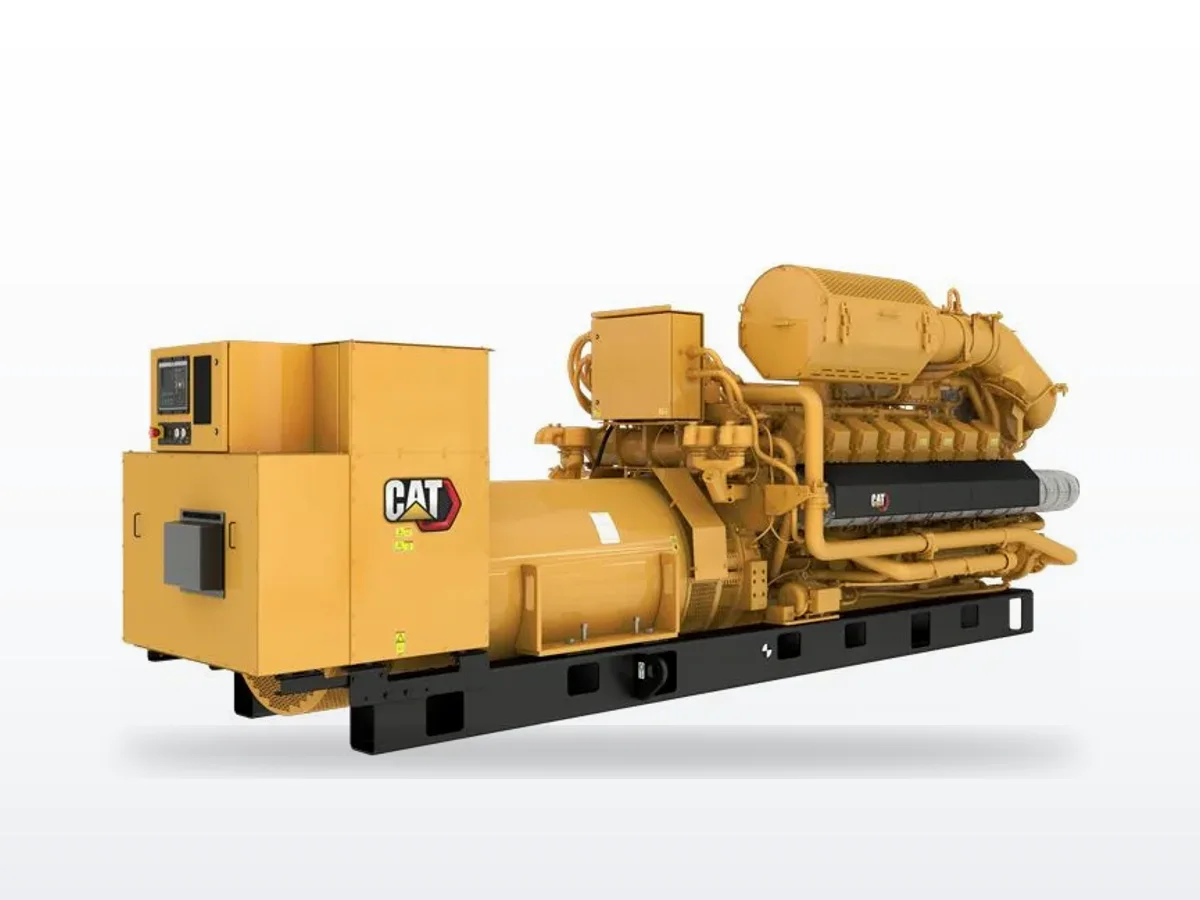
Cat 3500 Series (Large Diesel)
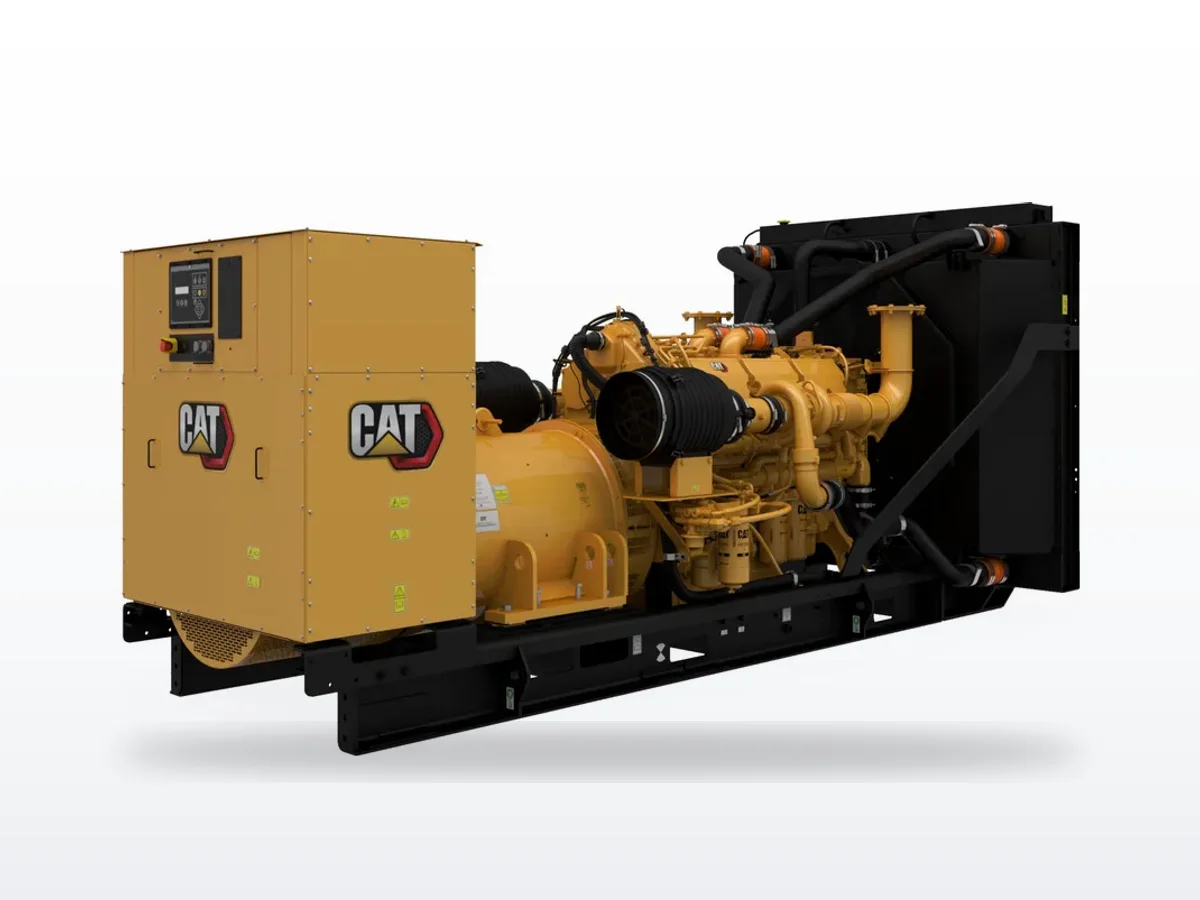
Caterpillar's proven megawatt-class diesel line: 1,000–3,000 kW with decades of mission-critical field history.
1000–3000 kW
caterpillar
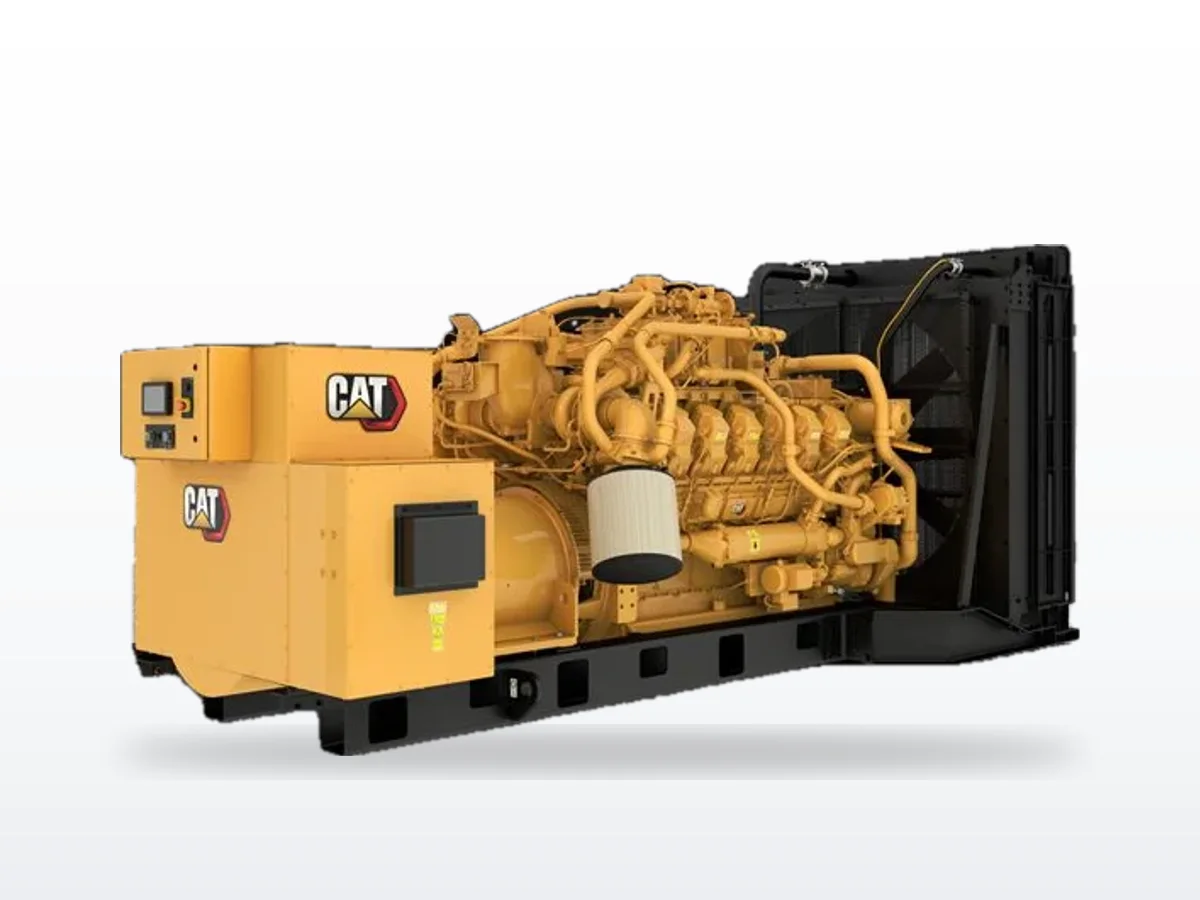
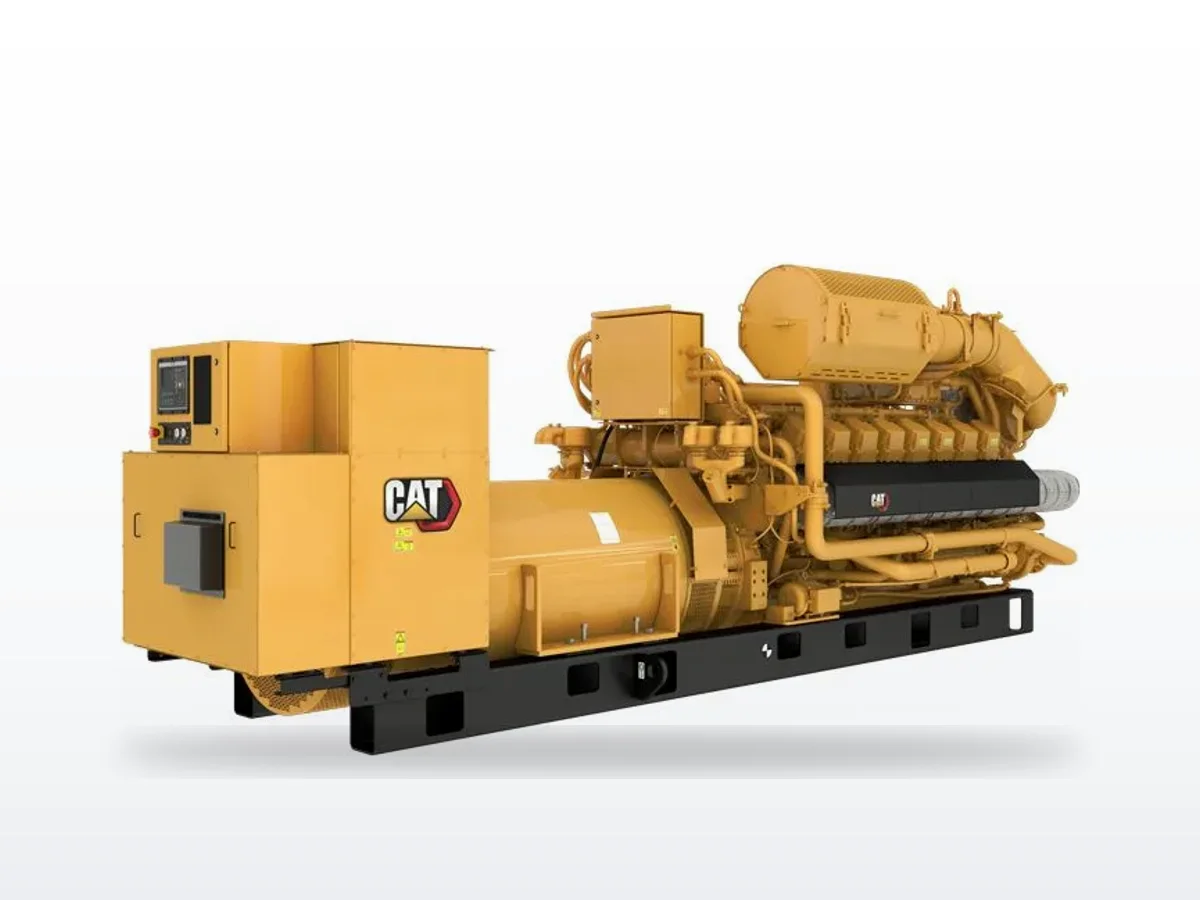
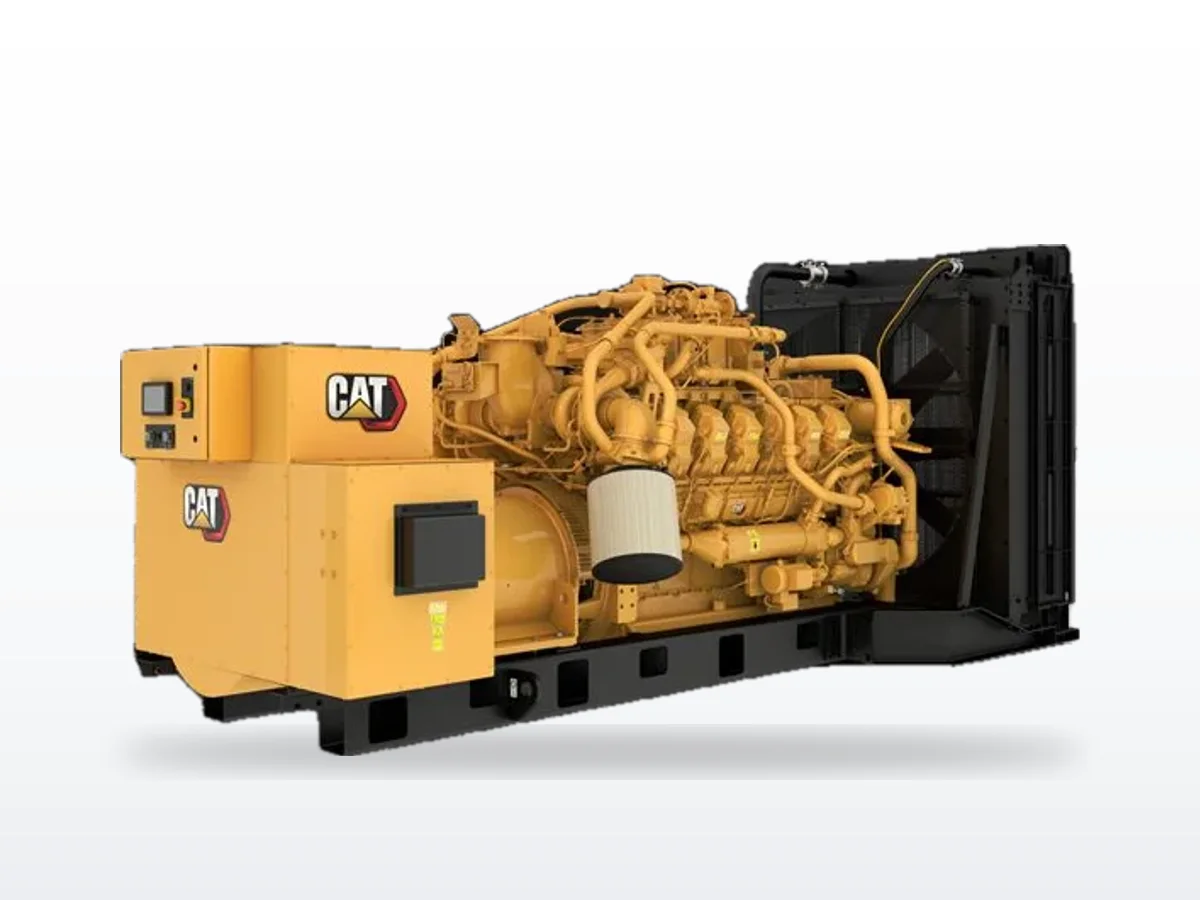
Cat 3500 Series (Gas)
750–2,519 kW of natural gas power for cogeneration, distributed generation, and industrial baseload.
750–2519 kW
caterpillar
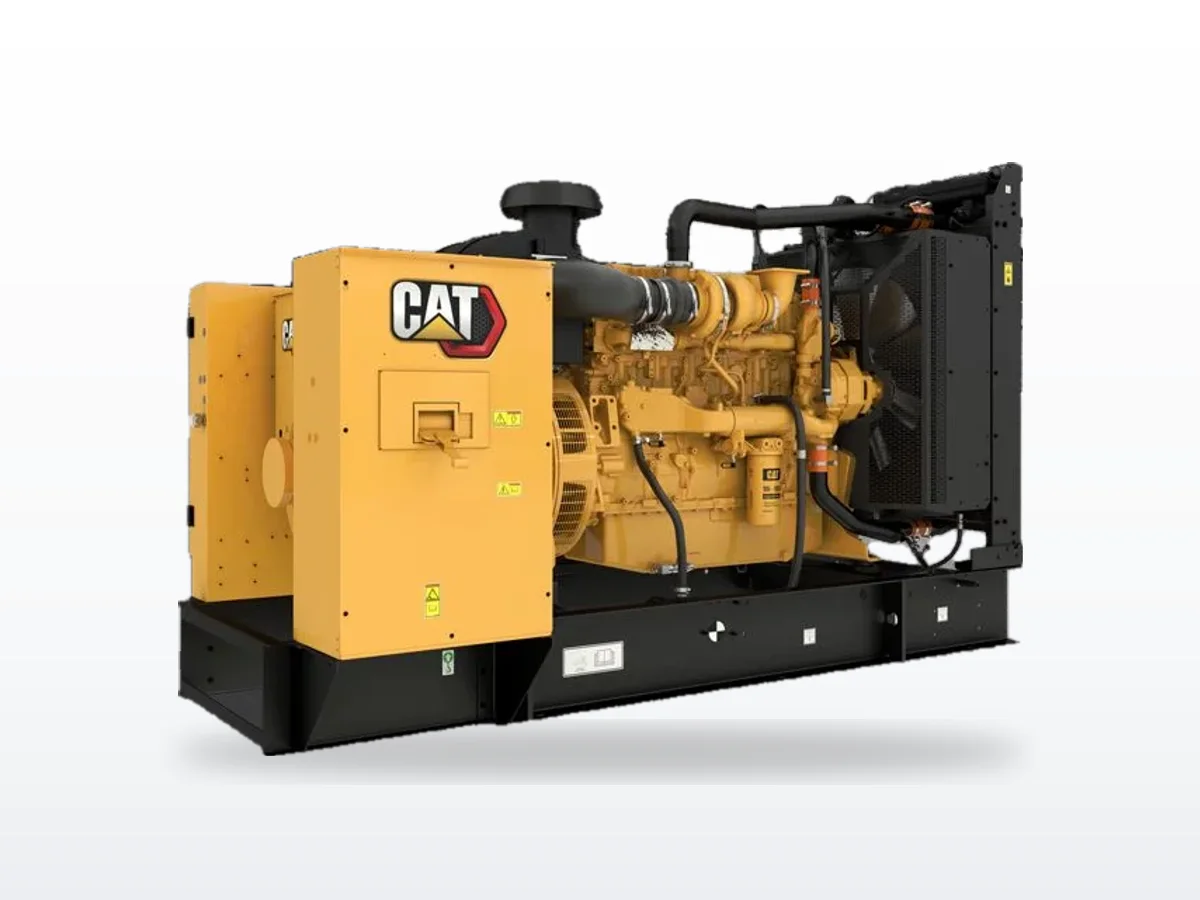
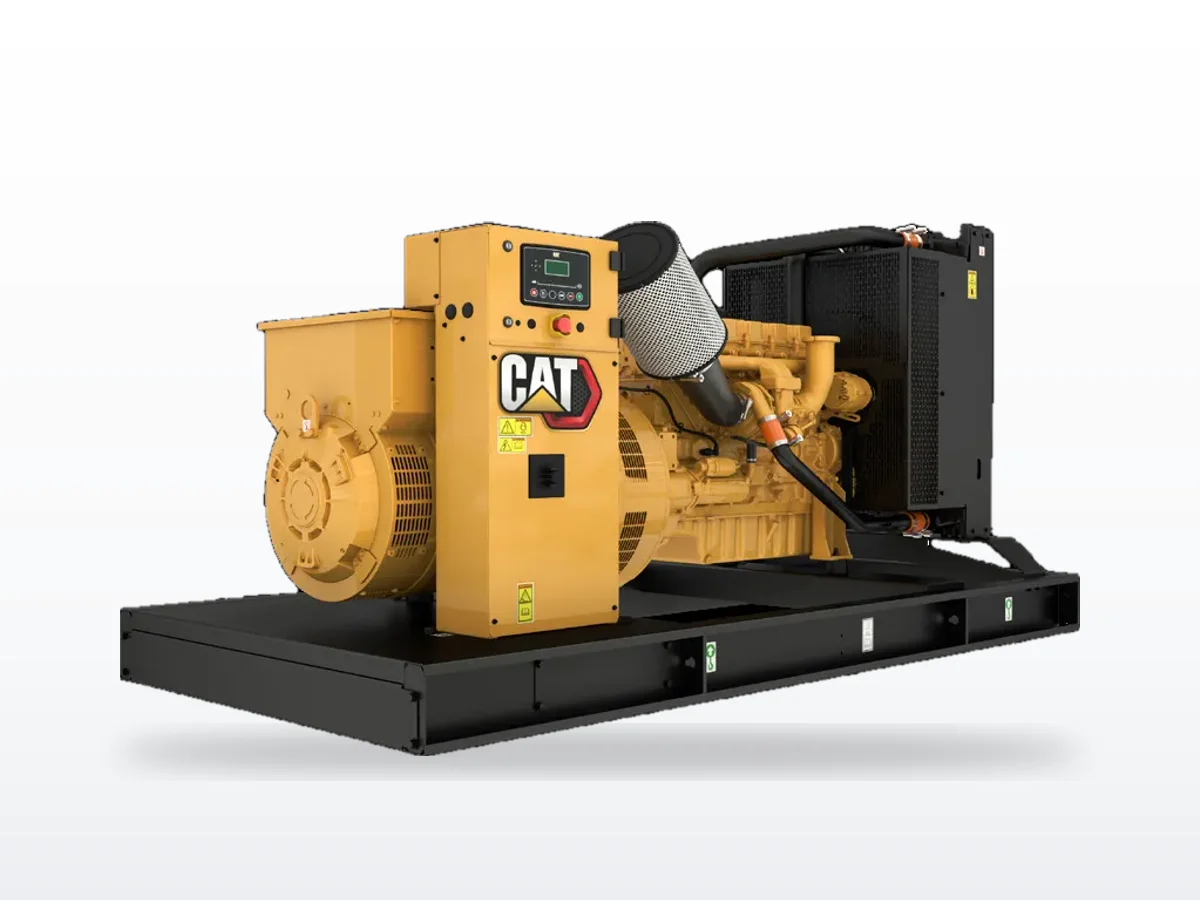
Cat C-Series (Diesel)
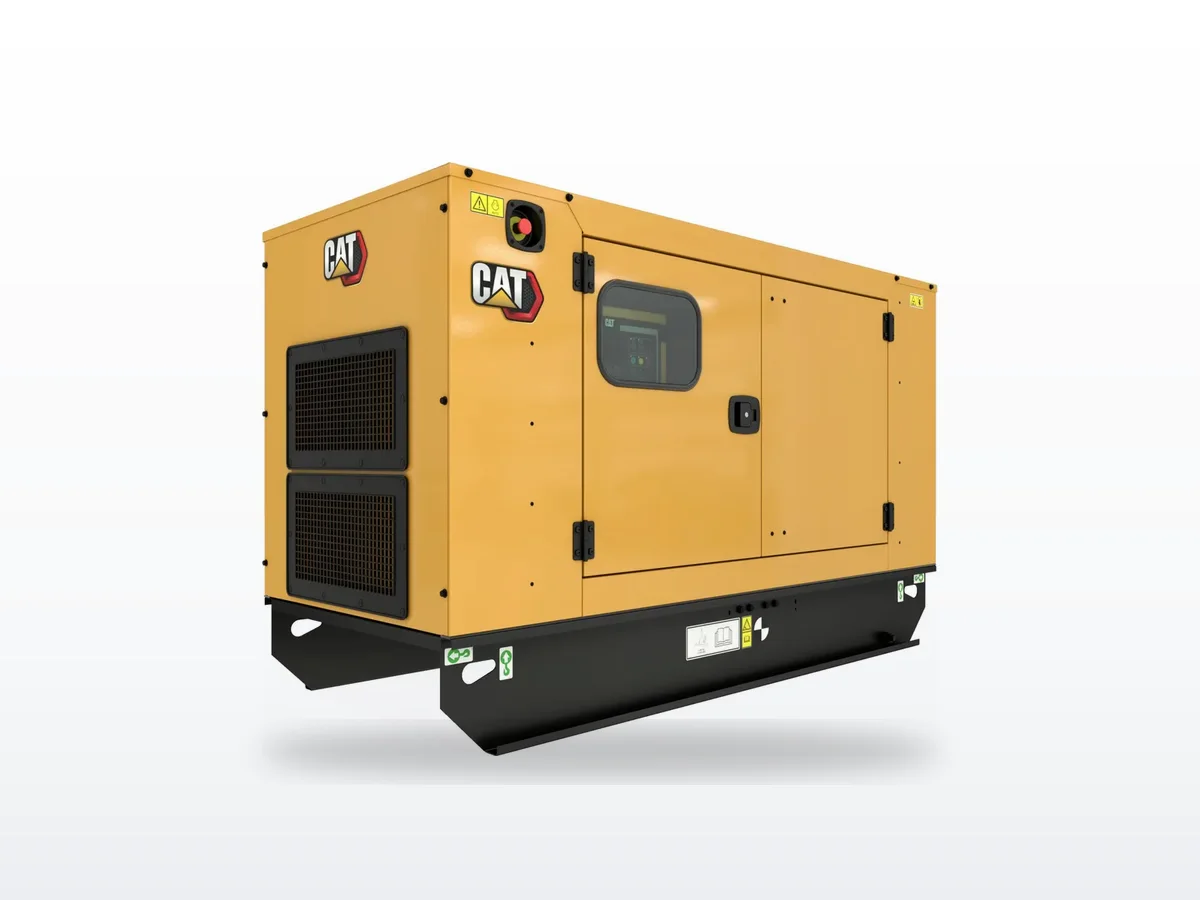
CAT's broadest diesel lineup: 45–1,500 kW across ten ACERT models for commercial, hospital, and industrial standby.
45–1500 kW
caterpillar
Cat 3400 Series (Diesel)
Legacy CAT diesel workhorses — 350–720 kW on proven inline-6 and V-12 platforms with a vast parts ecosystem.
350–720 kW
caterpillar
Cat G-Series (Gas)
300–512 kW of natural gas standby power from Cat's proven G3406 and G3412 spark-ignited platforms.
300–512 kW
caterpillar
Cat DG Series (Gas)
200–400 kW natural gas and propane standby from CAT's DG200 and DG400 — EPA-certified for both emergency and non-emergency use.
200–400 kW
caterpillar
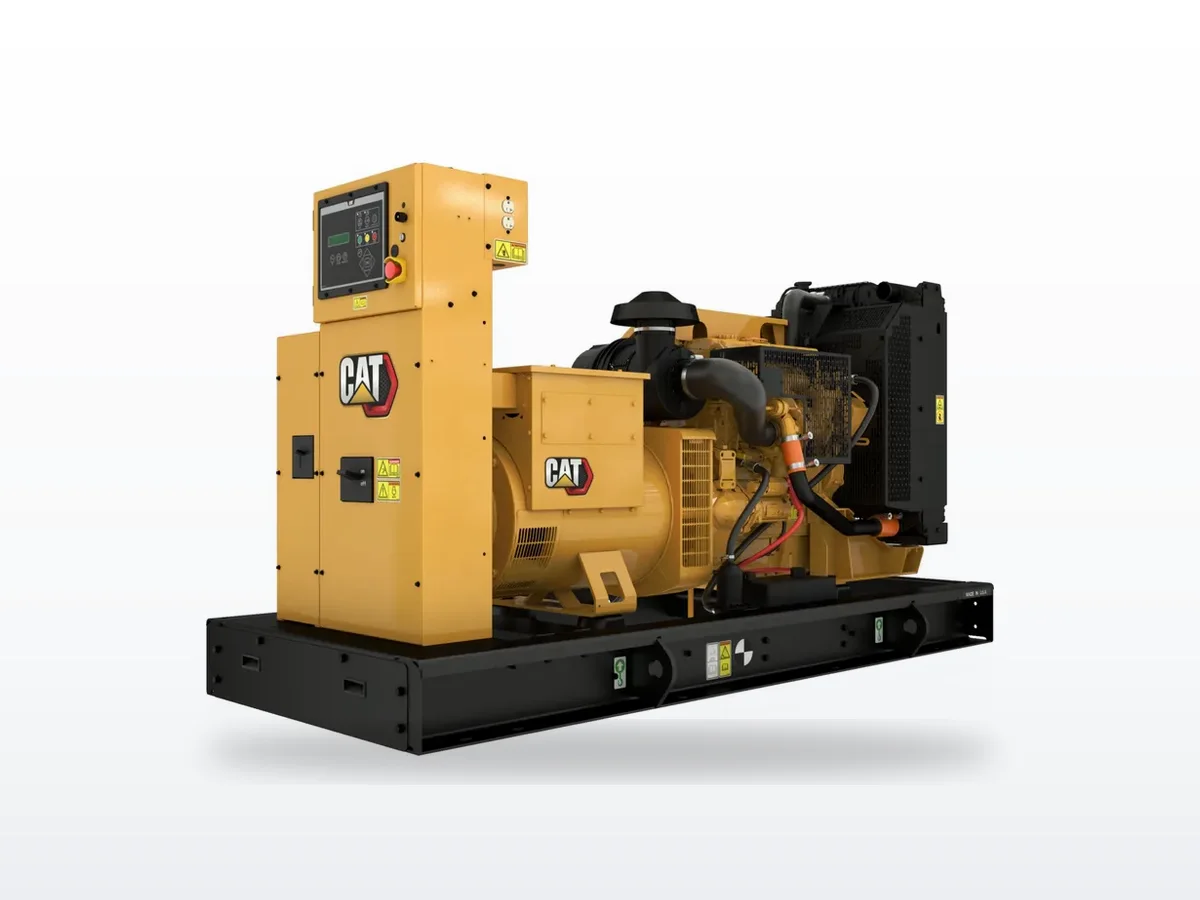
Cat D-Series (Diesel)
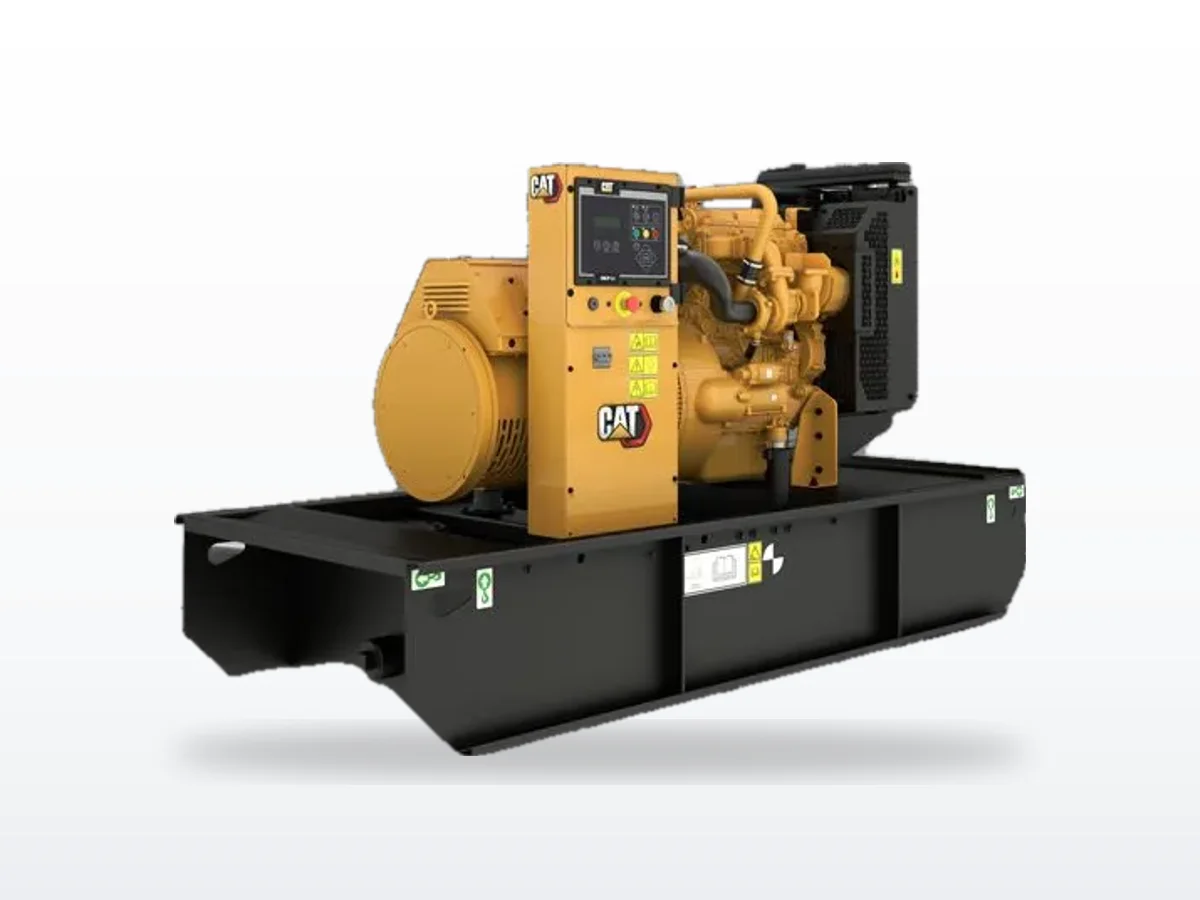
CAT's most compact diesel standby platform: 20 kW with Interim Tier 4 compliance in a small-footprint package.
20 kW
Compare with Other Brands
Caterpillar Units For Sale1126
View all →Industries & Services
Industries We Serve
Our Services
Application Engineering
Not sure if Caterpillar is right for your project?
Our engineers spec across 19 brands and 600+ models — diesel, gaseous, portable, and prime power — with no single-brand obligation.
Need help with CAT?
Our application engineers help size, spec, and source backup power for commercial, industrial, and mission-critical sites.