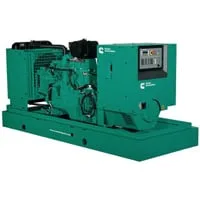
Cummins Generators
Single-source accountability across the whole power system. One throat to choke.
Why buyers choose Cummins
- Single-source accountability — one manufacturer behind the whole power system
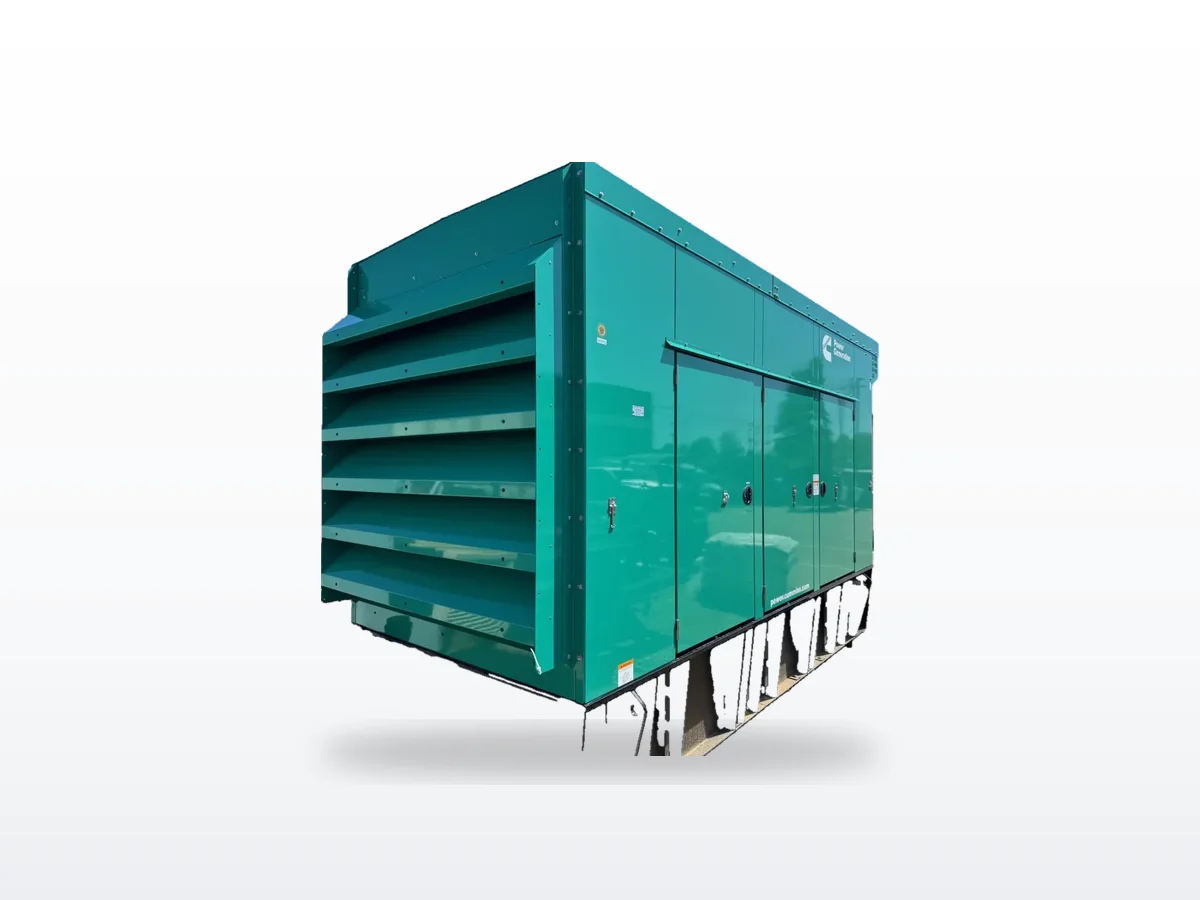
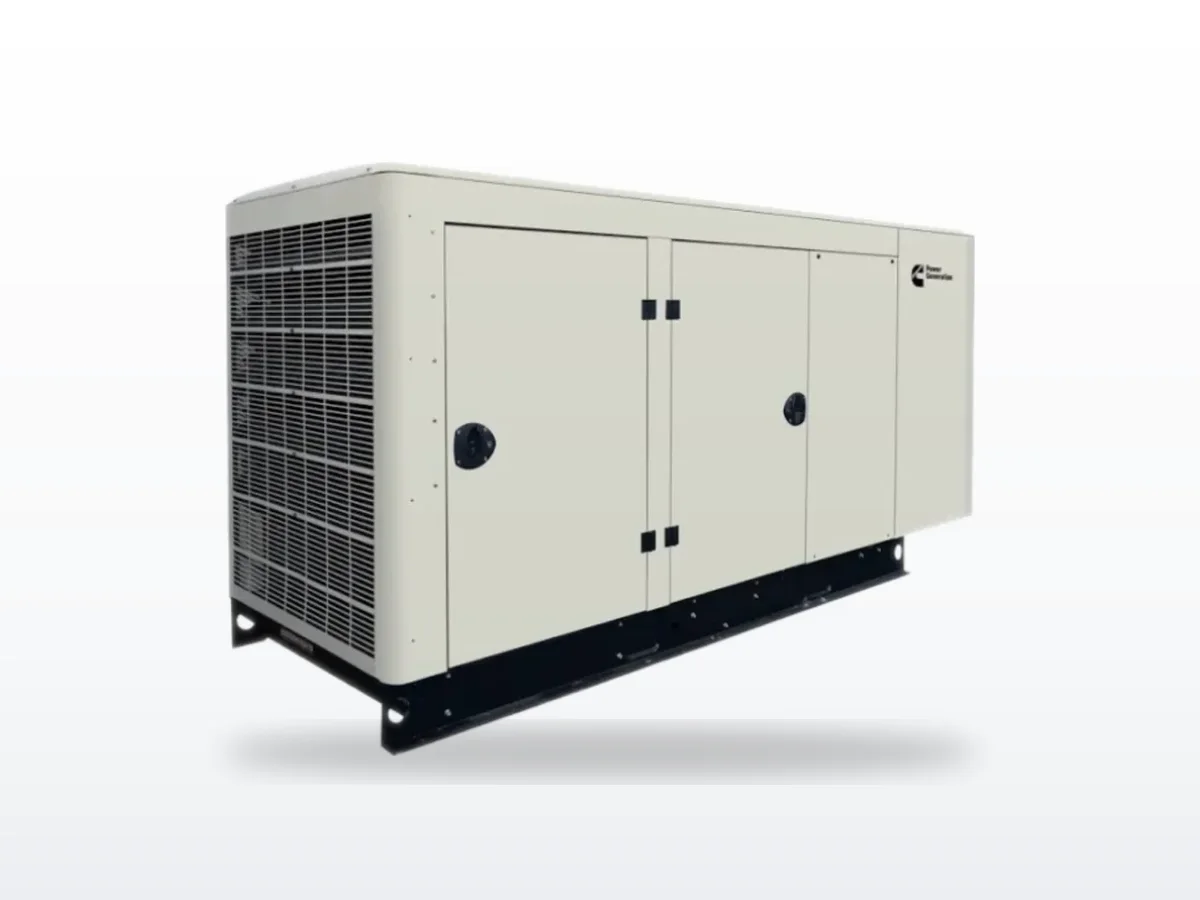
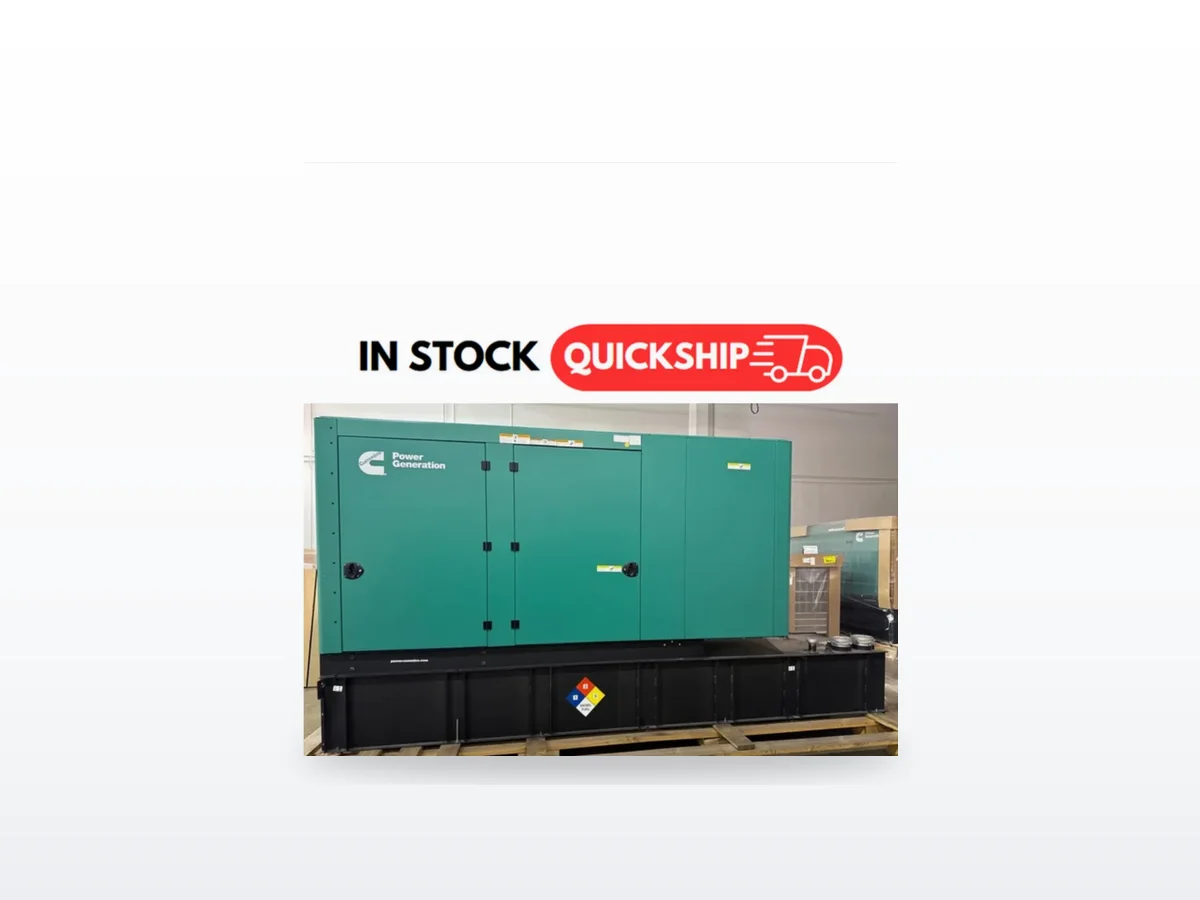
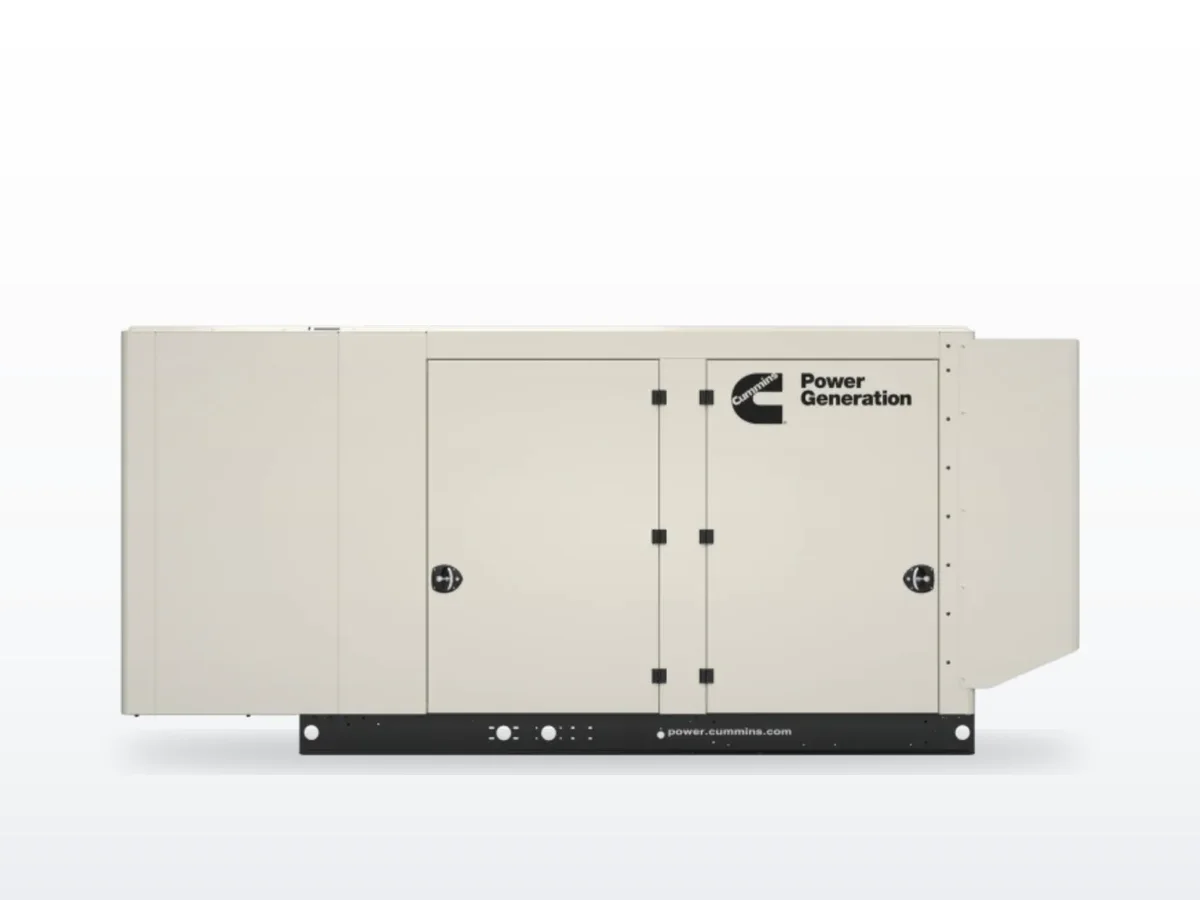
- QuietConnect series — a quiet-operation standby line
- Fast load acceptance for emergency-power applications
- Best cold-weather performance — the default choice for harsh climates
- Cheaper than CAT at comparable power ratings
Who Cummins is for
200-1,500 kW commercial and mission-critical applications, cold-climate installations, and buyers who want single-source accountability with no finger-pointing between engine, alternator, and controls vendors.
What to consider before specifying Cummins
- Dealer network thinner than Generac's
- Premium parts pricing despite competitive unit pricing
- Over-engineered enclosures can complicate field repairs
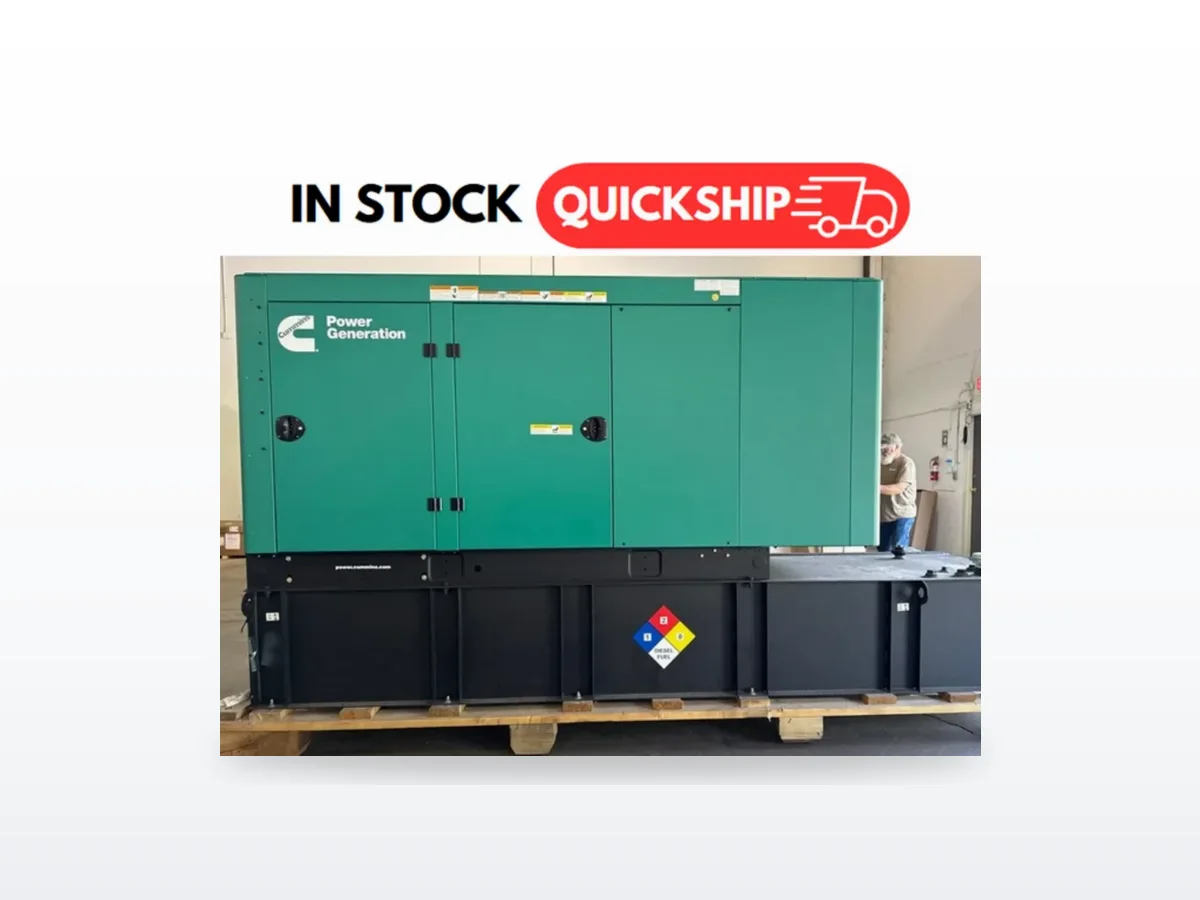
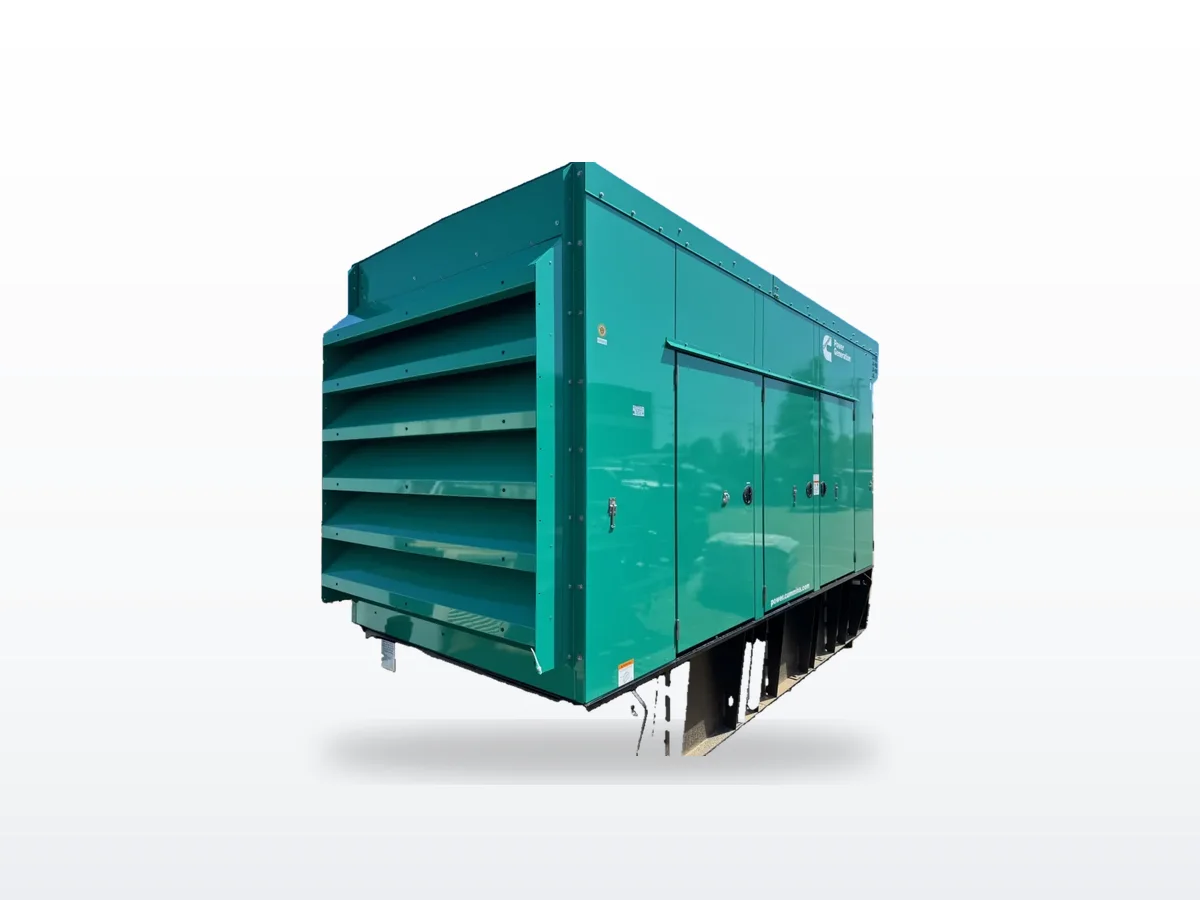
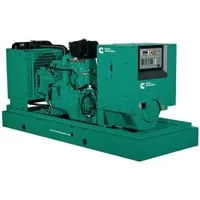
Cummins is, in our view, the generator manufacturer that controls the most of its power chain — engine, alternator, controls, and transfer switch. The company has grown from a diesel engine startup into a global power technology leader with a worldwide dealer and distributor network. Cummins Inc. was founded in 1919 in Columbus, Indiana, as one of the first diesel engine manufacturers,[1] its shares trade on the New York Stock Exchange (CMI),[2] and it reports operations in about 190 countries and territories.[3] That vertical integration eliminates the component-mismatch issues that can arise when a packager pairs one company's engine with another's alternator and a third party's controls. When something goes wrong with a Cummins unit, one manufacturer owns the warranty. For facility managers who have experienced the frustration of an engine maker and a packager blaming each other during a warranty claim, that single point of accountability is worth the specification.
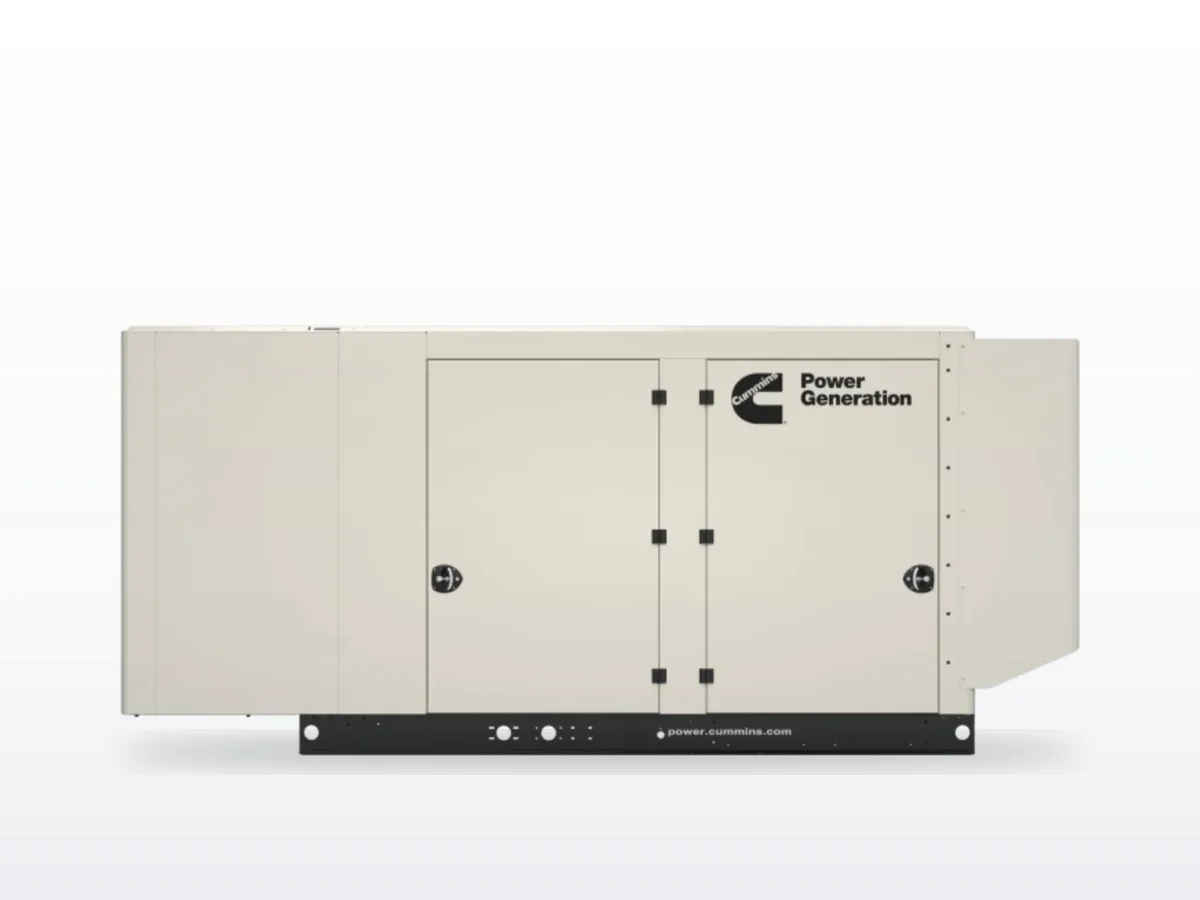
Performance backs up the engineering. Fast load acceptance matters for healthcare and data center applications where transfer time directly impacts uptime SLAs. The QuietConnect enclosure line keeps noise down for occupied sites. And for cold-climate installations, Cummins is our first choice thanks to its factory block heater packages. These strengths, combined with pricing that typically runs below Caterpillar for comparable output, make Cummins the value leader in the industrial segment.
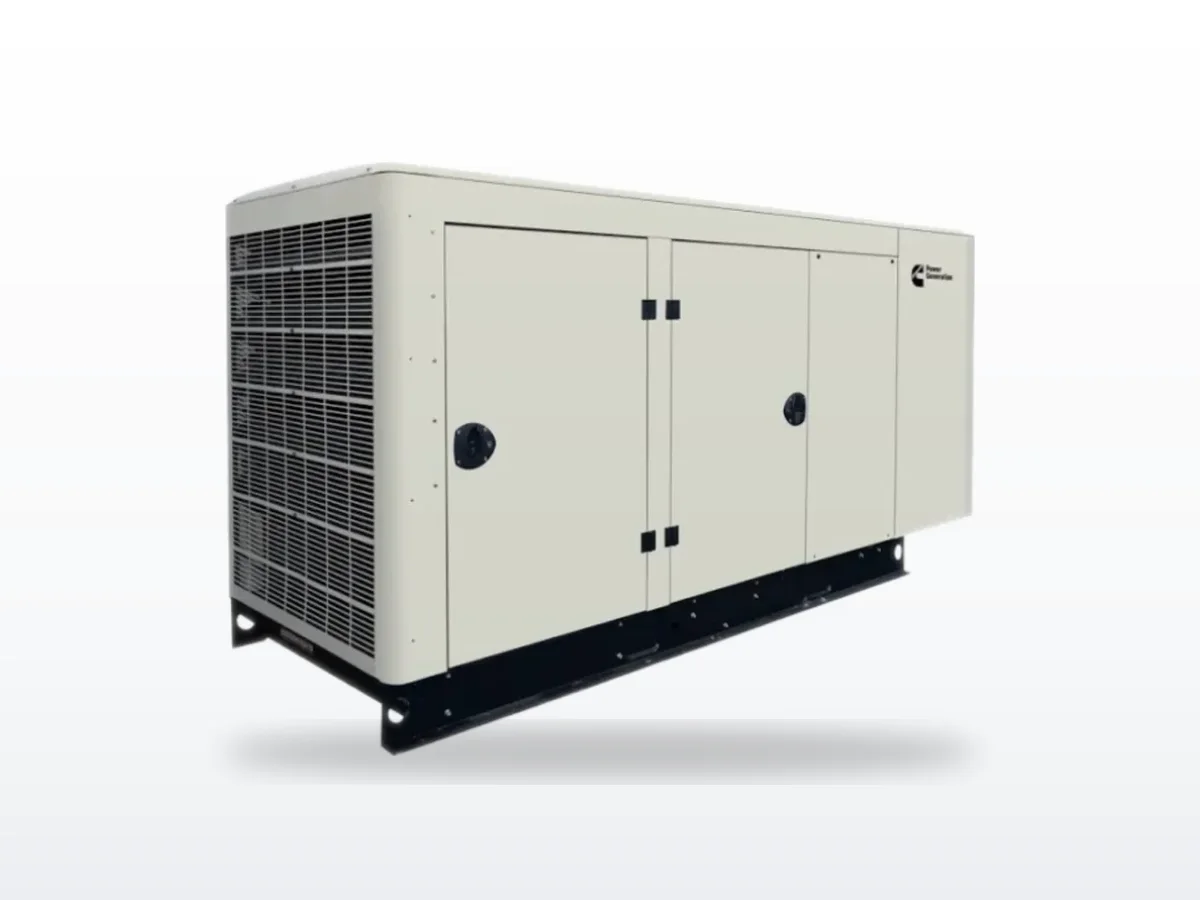
The product lineup spans the full power spectrum. On the residential side, the Onan brand anchors the home standby market. Cummins' RS13A, RS17A, RS20A and RS20AC home standby generators come standard with a 5-year / 2,000-hour limited warranty.[4] Commercial and industrial diesel generator sets scale up to data center prime power. Cummins also offers a natural gas generator line, and the company has invested in hybrid power solutions combining diesel, natural gas, battery storage, and solar for facilities seeking reduced emissions and fuel flexibility. Power Command digital controls and paralleling switchgear tie multi-unit installations together, enabling seamless load management across generator arrays.
The global service infrastructure is a major differentiator for buyers operating across multiple regions. With a global authorized dealer and distributor network, Cummins parts and field service are available in markets where competitors have limited or no coverage. For multinational companies standardizing on a single generator platform, that global footprint reduces procurement complexity and ensures consistent maintenance quality regardless of site location.
Where Cummins falls short is power quality and resale. Power quality is adequate for most commercial applications but, in our view, not competitive with Kohler for hospitals and sensitive electronics. Resale values also trail Caterpillar by a meaningful margin; a five-year-old Cummins unit will not command the same secondary market price as an equivalent CAT. For buyers who plan to own and operate for the full useful life of the generator, that resale gap is irrelevant. For those who cycle equipment, it is a real cost. The dealer network, while global, is thinner in the US residential market compared to Generac's — a factor for homeowners choosing between Onan and Generac for home standby power.
Frequently asked questions
- How quiet are Cummins QuietConnect generators?
- QuietConnect enclosures are a sound-attenuated option that is quieter than most open-frame industrial units, though in our view not as quiet as Kohler's premium enclosures at equivalent power ratings.
- What is the advantage of Cummins vertical integration?
- Cummins designs its own engines, alternators, control systems, and transfer switches. When a warranty issue arises, there is one company responsible — no finger-pointing between an engine manufacturer and a packager. This also means tighter integration between components, which contributes to strong load acceptance and cold-start reliability.
- What are the cold-weather specifications?
- Cummins offers factory block heater packages for cold-climate starts. Combined with fast load acceptance, this makes Cummins our standard recommendation for data centers, telecom sites, and utilities in northern climates.
- What is the difference between Cummins and Onan generators?
- Onan is a Cummins brand focused on residential and light commercial standby power, while larger commercial and industrial generators are sold under the Cummins Power Generation brand name. Confirm current model availability with your dealer.
- What is a Power Command controller?
- Power Command is Cummins' proprietary digital control platform for generator sets. It handles engine management, voltage regulation, load transfer, and remote monitoring from a single integrated panel. Power Command controllers also support paralleling — synchronizing multiple generator sets to share a common electrical bus — which is standard practice in data centers and mission-critical facilities.
- What generator sizes does Cummins offer?
- Cummins offers a broad size range, from residential and light commercial units up to large industrial and data center applications. Confirm exact model ratings against the current Cummins spec sheet.
- Does Cummins offer natural gas generators?
- Yes. Cummins offers natural gas generators for commercial applications. Natural gas units are increasingly specified for commercial standby where on-site fuel storage is impractical and for facilities seeking lower emissions compared to diesel.
Sources & notes (4)
[1] Cummins Inc. was founded in 1919 in Columbus, Indiana, as one of the first diesel engine manufacturers.
Manufacturer source: Cummins Investor Relations FAQ — Cummins Inc. (accessed Nov 19, 2026)
Cummins Inc. was founded in 1919 as a corporation in Columbus, Indiana, as one of the first diesel engine manufacturers.
Back to text[2] Cummins shares trade on the New York Stock Exchange under the symbol CMI.
Manufacturer source: Cummins Investor Relations FAQ — Cummins Inc. (accessed Nov 19, 2026)
Shares of Common Stock of Cummins Inc. (CMI) are traded on the New York Stock Exchange
Back to text[3] Cummins reports operations in about 190 countries and territories.
Manufacturer source: Cummins Inc. company information (investor relations) — Cummins Inc. (accessed Nov 19, 2026)
~190 Countries and territories
Back to text[4] Cummins' RS13A, RS17A, RS20A and RS20AC home standby generators come standard with a 5-year / 2,000-hour limited warranty.
Manufacturer source: RS20A QuietConnect residential generator specification sheet — Cummins Inc. (accessed Nov 19, 2026)
The Cummins Power Generation RS13A, RS17A, ... RS20A, and RS20AC generators come standard with ... a 5 year / 2,000 hour limited warranty
Back to text
Key specs at a glance
- Power range
- 13–3500 kW standby
- Fuel types
- diesel, natural-gas, lpg
- Engine OEMs
- Cummins
- Alternator OEMs
- Phase options
- 1-phase, 3-phase
- Models in library
- 94
When to Specify Cummins
- Industry-leading paralleling capability with PowerCommand controllers — ideal for data centers and facilities requiring N+1 redundancy
- Single-source accountability — one manufacturer behind the whole power system
- Broad product range covers residential through megawatt-class industrial
- Best cold-weather performance — the default choice for harsh climates
- Best choice when paralleling, scalability, single-source accountability, or a single-brand fleet strategy is the priority
Cummins Product Families
cummins
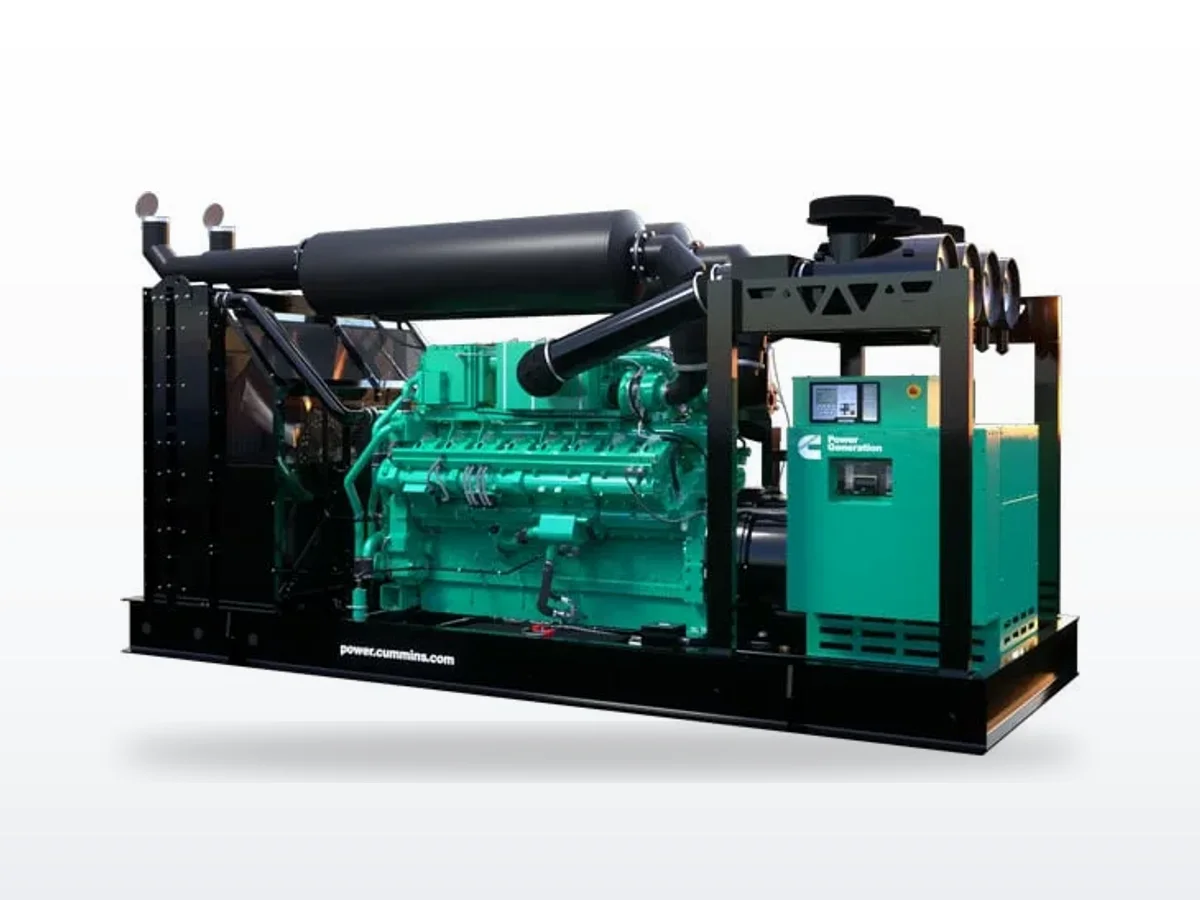
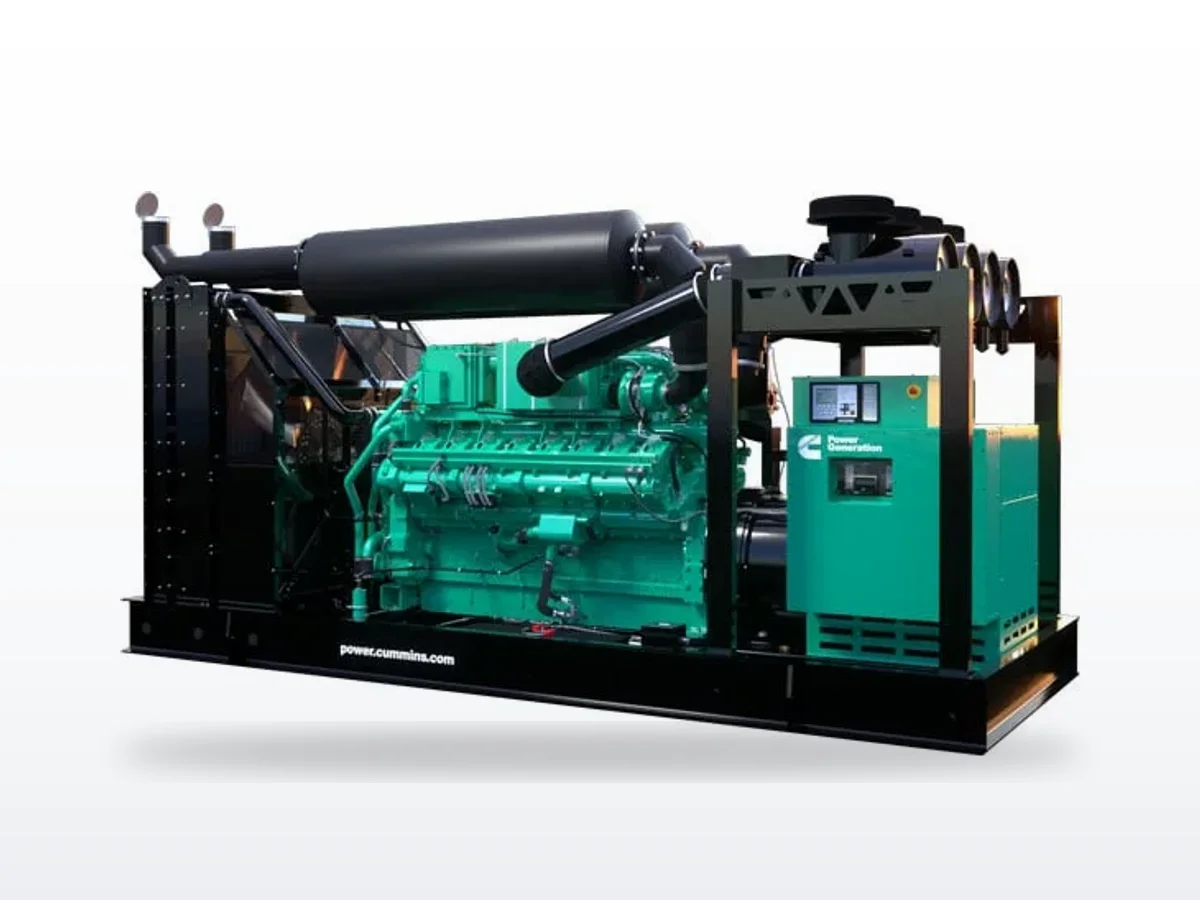
QSK Series (Large Diesel)
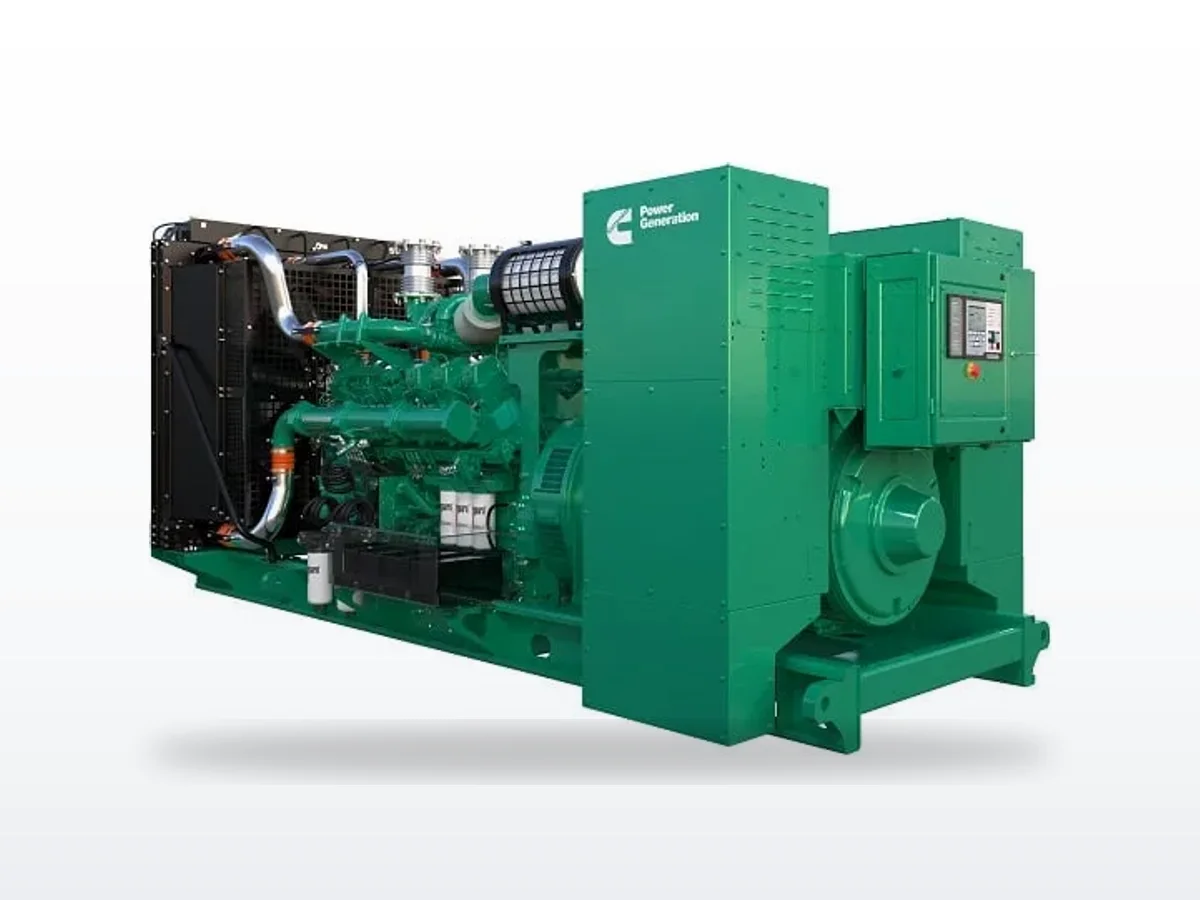
500–3,010 kW of Cummins large diesel power for mission-critical standby.
500–3010 kW
cummins
KTA Series (Legacy Large Diesel)
887–1,340 kW legacy Cummins diesel — proven PT injection, industrial-grade displacement, and broad global parts availability.
887–1340 kW
cummins
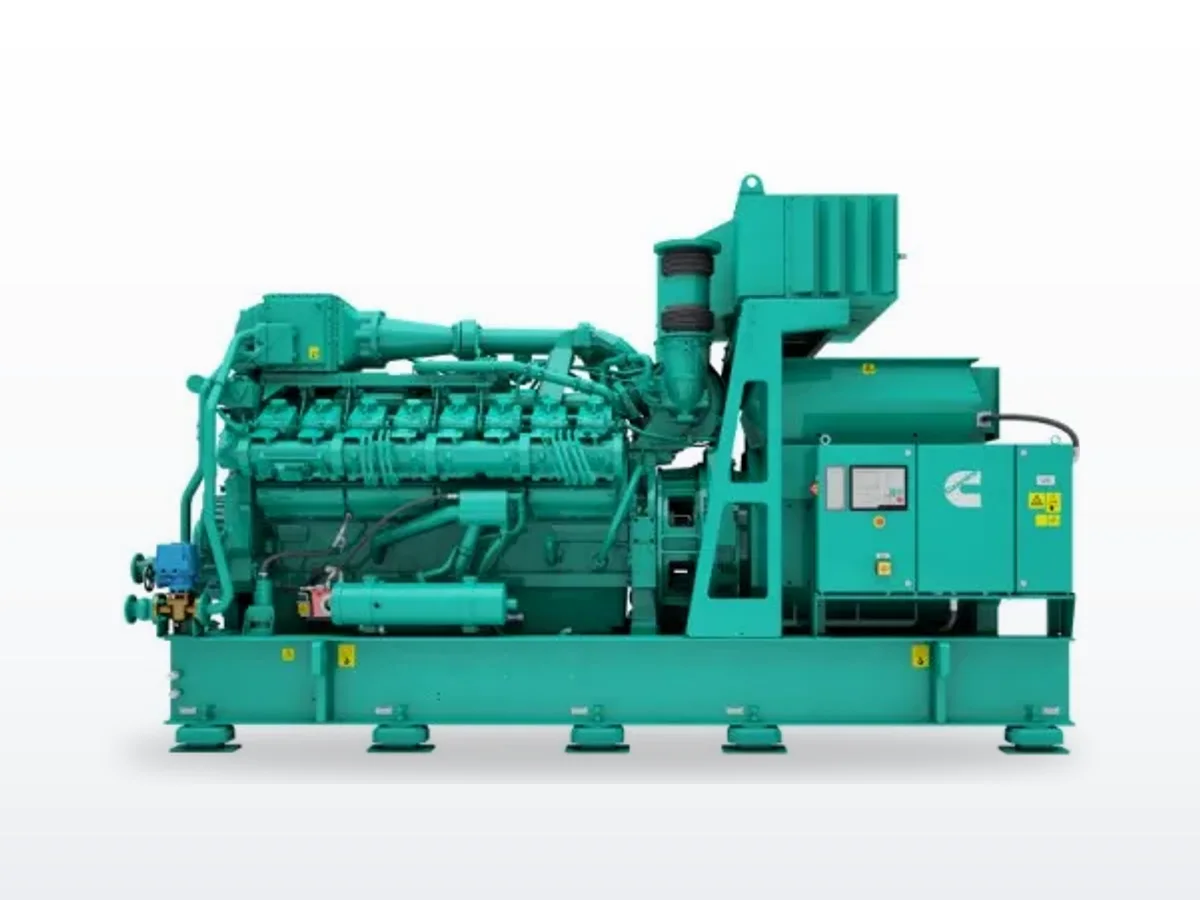
Cummins Large Gas (750-1000 kW)
750–1,000 kW natural gas standby from Cummins — vertically integrated controls, single-step load acceptance, broad voltage support.
750–1000 kW
cummins
Cummins N6 Commercial Gas
80–500 kW natural gas standby from Cummins — six models from light commercial through large industrial, with single-source OEM integration.
80–500 kW
cummins
C-Series (Commercial Gaseous)
Cummins commercial gaseous standby generators on natural gas — five models, C60 N6 through C400 N6.
60–400 kW
cummins
Cummins D6 Commercial Diesel
80–350 kW Tier 3 commercial diesel from Cummins — QSB5, QSB7, and QSG12 platforms with PowerCommand integration.
80–350 kW
cummins
Cummins Mid-Range Diesel
200–300 kW Tier 3 diesel from the QSB7 and QSL9 — Cummins' most field-proven mid-range platforms for commercial standby.
200–300 kW
cummins
Cummins D5 International Diesel
30–50 kW compact diesel for international 50 Hz markets — Cummins B-Series engines with global parts availability.
30–50 kW
Compare with Other Brands
Cummins Units For Sale425
View all →Industries & Services
Industries We Serve
Application Engineering
Not sure if Cummins is right for your project?
Our engineers spec across 19 brands and 600+ models — diesel, gaseous, portable, and prime power — with no single-brand obligation.
Need help with Cummins?
Our application engineers help size, spec, and source backup power for commercial, industrial, and mission-critical sites.