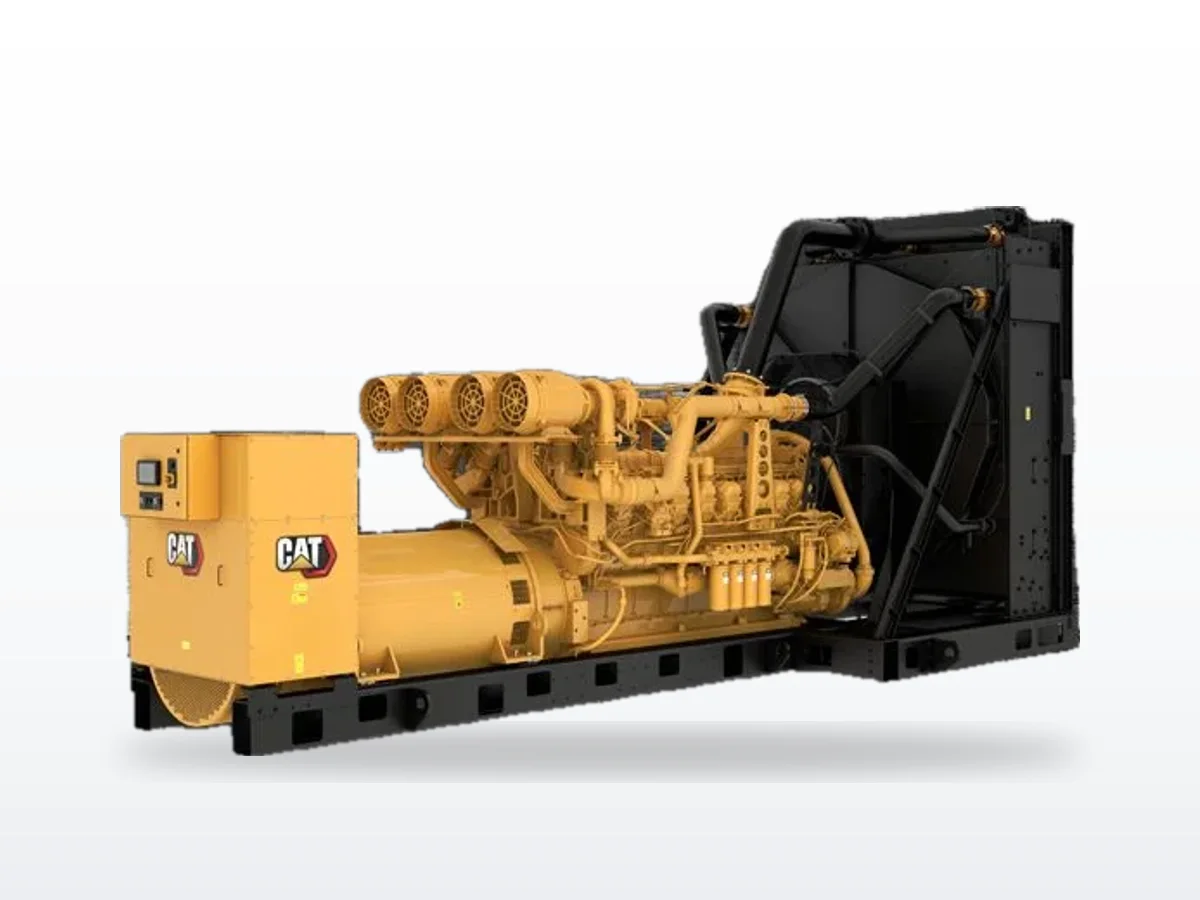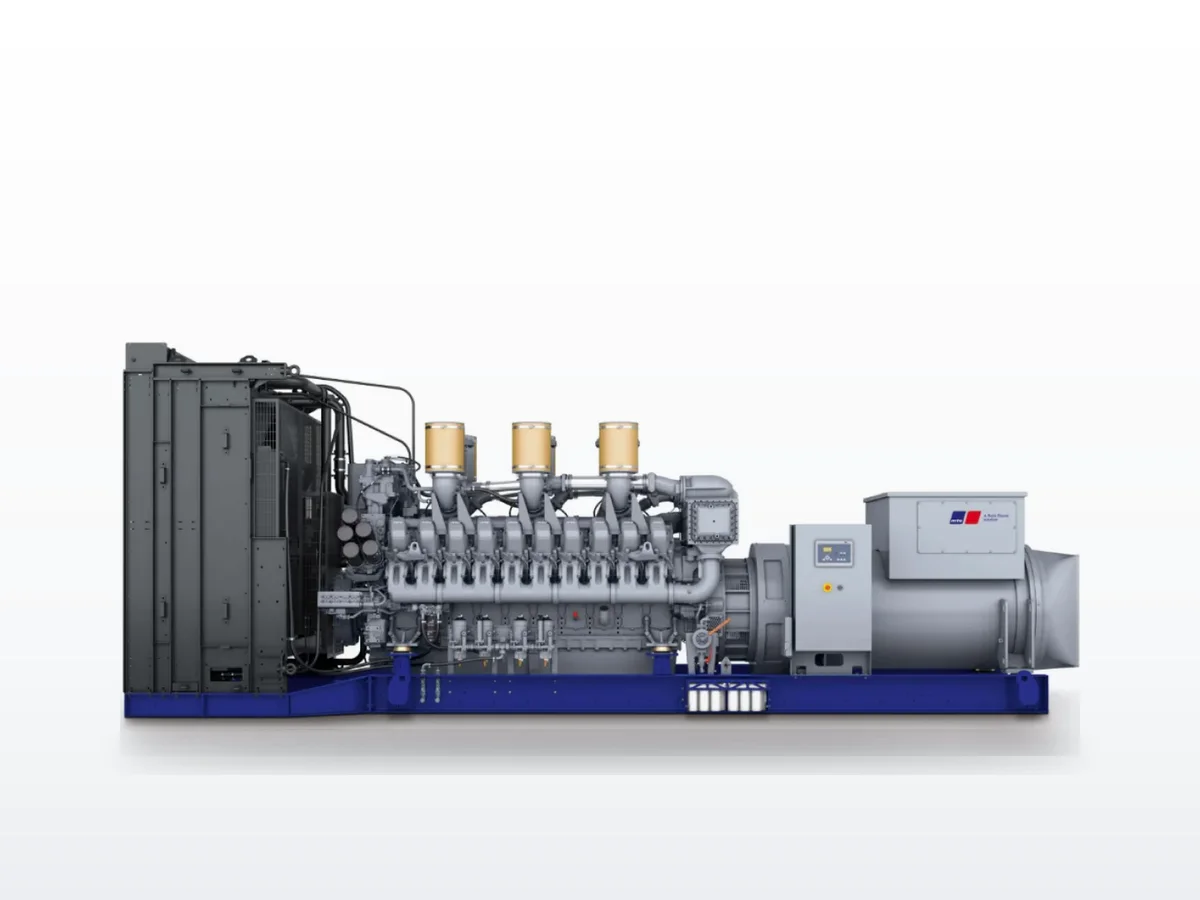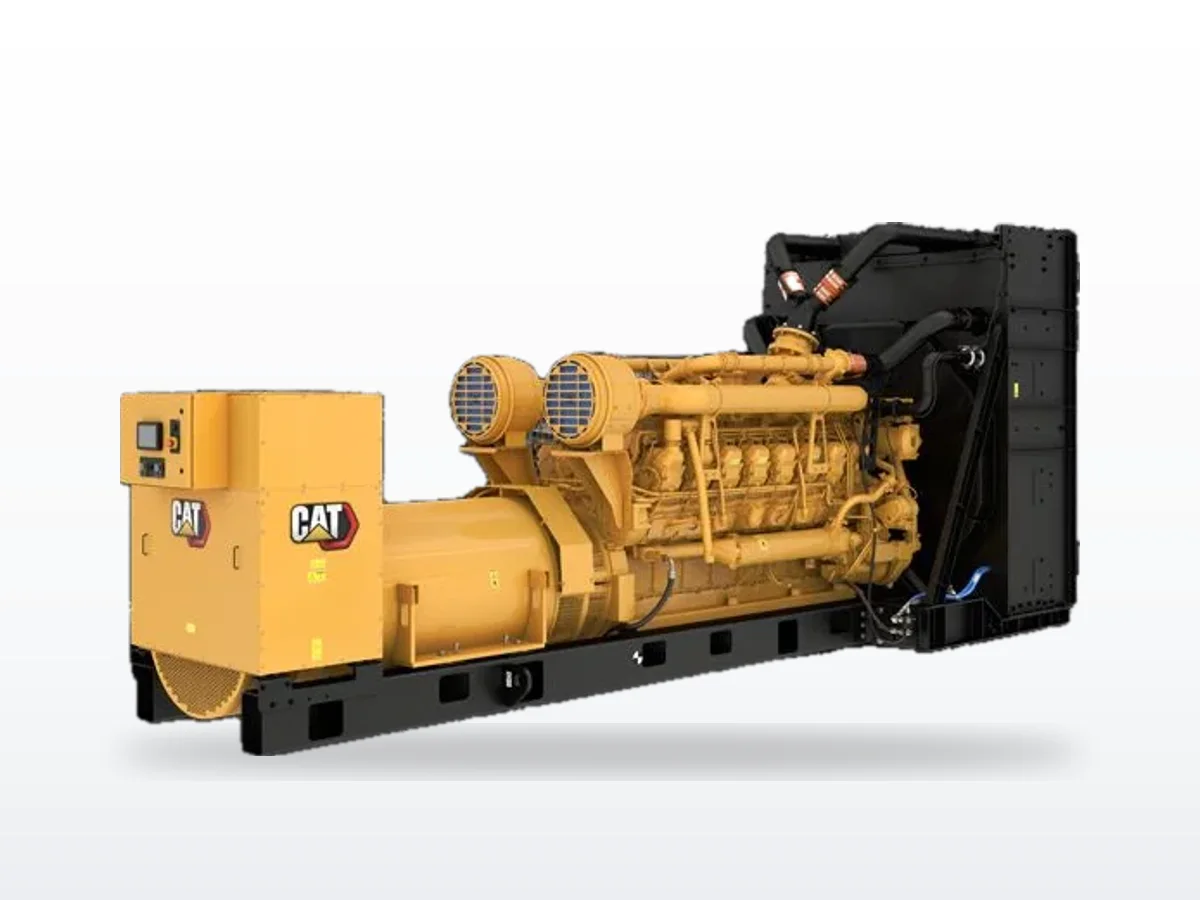
The Cat 3516C is a 2,500-kilowatt diesel standby generator — Caterpillar's largest single-engine genset platform and a direct competitor to the Cummins QSK60 for mission-critical data center and hospital power. At 69 liters across 16 cylinders, it represents the pinnacle of reciprocating engine standby power: 2.5 MW from a single frame.
At this capacity, the generator market is essentially a two-horse race:
Cat 3516C
Cummins QSK60
Displacement
69L V-16
60.2L V-16
Standby kW
2500
2000
BMEP
Lower (less stressed)
Higher (more power per liter)
Load acceptance
Superior (lower BMEP)
Good
Dealer network
Strong (Peterson, Holt)
Strongest (6,000+ locations)
Controller
EMCP 4 (proprietary)
PowerCommand 3.3 (proprietary)
Warranty
Cat-integrated
Cummins-integrated
Both are excellent. The decision typically comes down to: local dealer relationship, historical fleet standardization, and specific facility requirements (Cat's load acceptance edge matters for data centers with high-inrush UPS transfers).
The 3516C is the largest single engine in our service portfolio. Annual maintenance is a multi-day event: 16 cylinders of injection verification, dual turbo inspection, 100+ gallons of oil per change, comprehensive fluid sampling, and full-load testing with paralleling verification. These units demand experienced Cat-certified technicians and Cat Electronic Technician (Cat ET) diagnostic capability. We maintain Cat ET licenses and current firmware for all field service vehicles.
Request a quote
Get pricing & lead time on the Cat 3516C
Tell us about the application — kW, voltage, application, install timeline — and we'll respond within one business day with budgetary pricing, lead time, and any sizing notes.
Adjust load percent and tank size to estimate runtime. Pre-filled with this model's spec where available.
Estimate runtime on this tank
Estimated runtime
1.5 hours(0.1 days)
Fuel consumption ≈ 135.00 GPH at 75% load. Estimate based on industry-typical 1800 RPM standby curves (≈0.07 GPH/kW at full load). Actual consumption varies by engine, ambient temperature, fuel quality, and tuning.
Service intervals
Manufacturer-recommended intervals for the Cat 3516C under standby duty. Field intervals may differ based on load profile, ambient conditions, and fuel quality.
Oil & filter
Every 500 hours or 12 months
Coolant change
Every 6000 hours
Air filter
Every 1000 hours
Fuel filter
Every 500 hours
Major overhaul
≈ 24,000 hours
Load bank test
Every 12 months
Common failure modes
What we've seen fail on this platform. Use as a service-planning reference, not a diagnostic — actual failure modes depend heavily on duty cycle and maintenance history.
Component
Symptom
Typical hours
Severity
Fuel quality (standby degradation)
Injector fouling, filter clogging
4,380+
moderate
Turbocharger(s)
Reduced power, excessive smoke
20,000+
moderate
Battery banks (48V or 24V parallel)
Slow crank, failed start requirement
8,760+
minor
EUI injectors
Rough running, power imbalance between banks
18,000+
moderate
Frequently Asked Questions
How does the Cat 3516C compare to the Cummins QSK60?
Both are 2+ MW V-16 diesel platforms that dominate data center power. The 3516C (69L) has more displacement than the QSK60 (60.2L), delivering 2500 kW vs 2000 kW at similar speeds. Cat's advantage: 19% lower BMEP means better block load acceptance. Cummins' advantage: vertical integration (single-source warranty) and denser dealer network.
What is BMEP and why does it matter?
Brake Mean Effective Pressure — a measure of how hard the engine works per unit displacement. The 3516C operates at 19% lower BMEP than competitors at the same output, meaning it's less stressed per cylinder. This translates to better transient response when large blocks of load are applied instantly (like a data center UPS transfer).
Is the 3516C available in medium voltage?
Yes — 4160V and 13,800V configurations are standard options. Large facilities often use medium-voltage generation to reduce conductor sizes and eliminate step-up transformers at the generator level.
How much does a 3516C weigh?
Approximately 30,000-31,000 lbs on open skid. With sound-attenuated enclosure, significantly more. Structural engineering for the generator pad and building access for installation are critical planning items.