Overview#
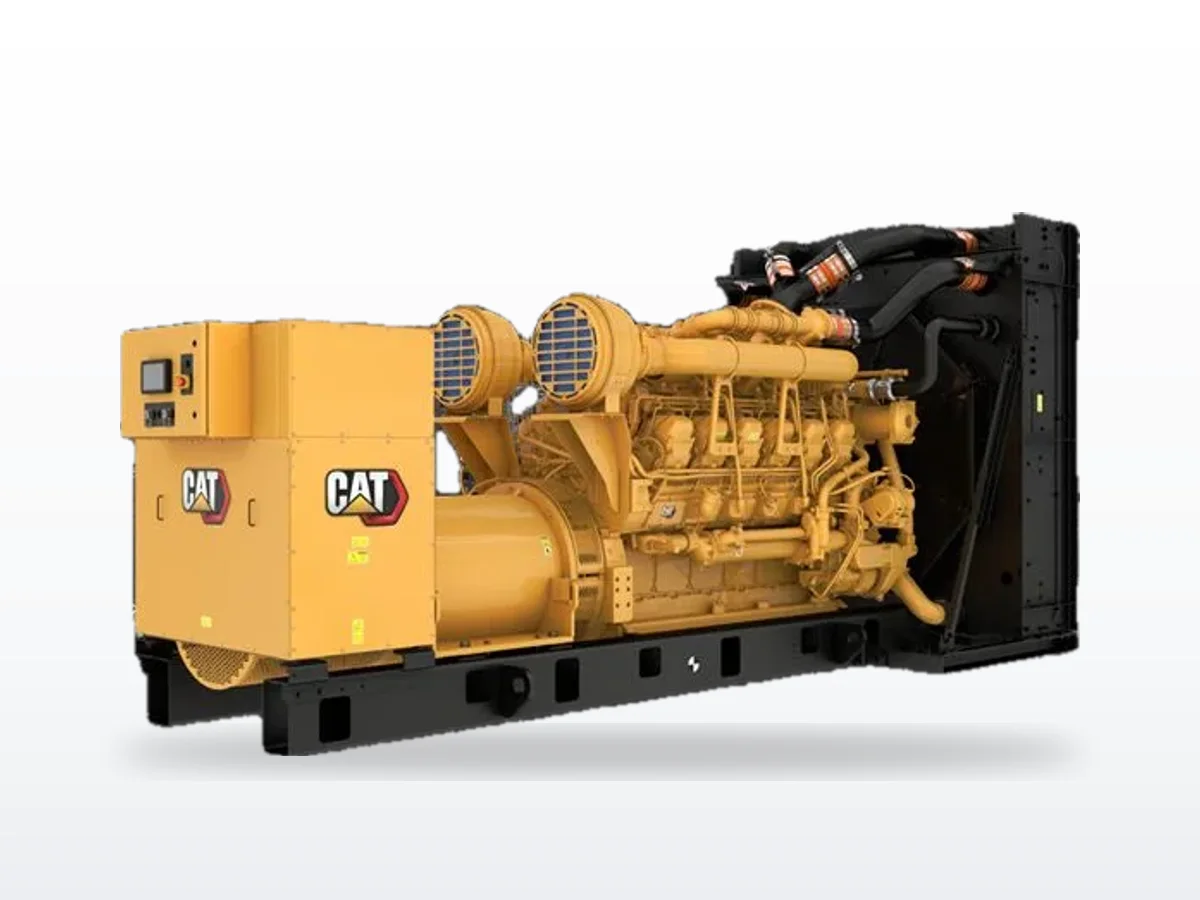
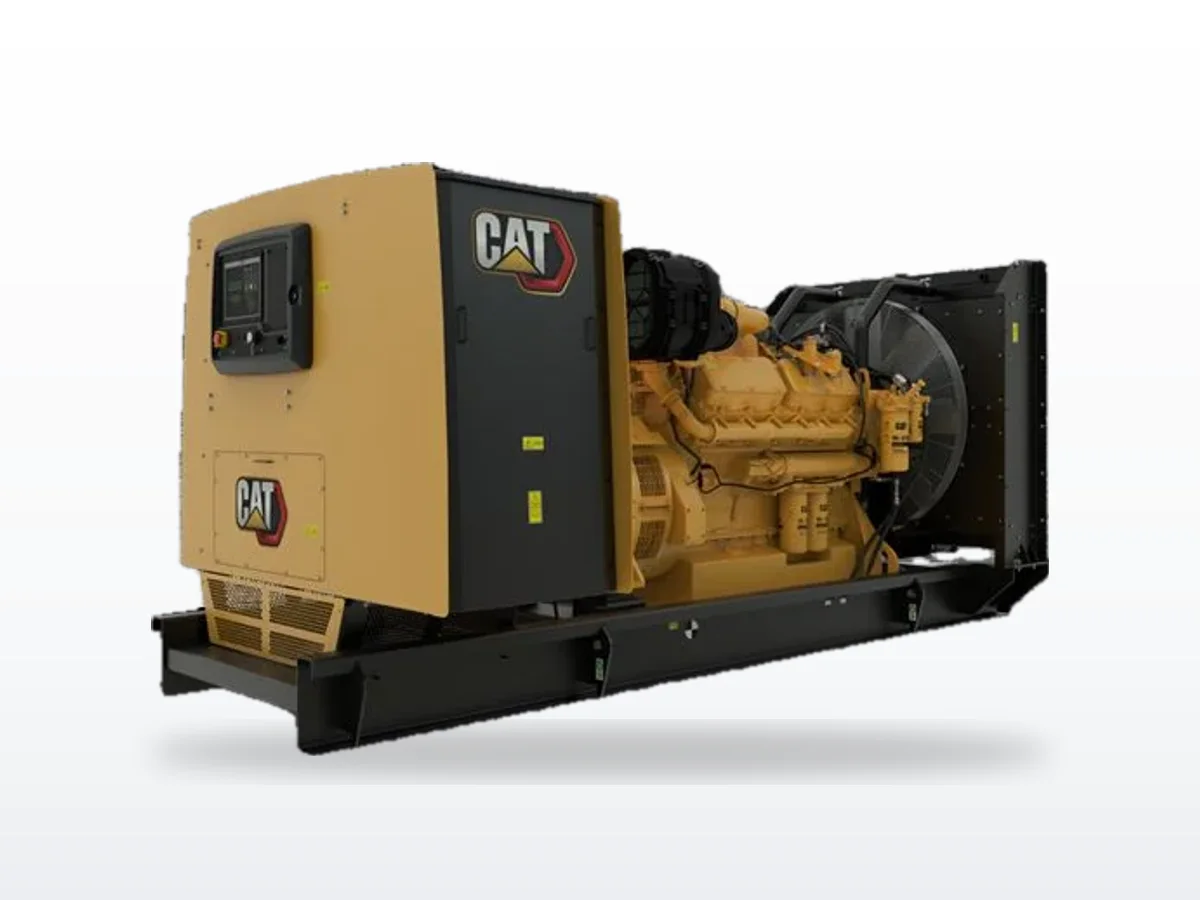
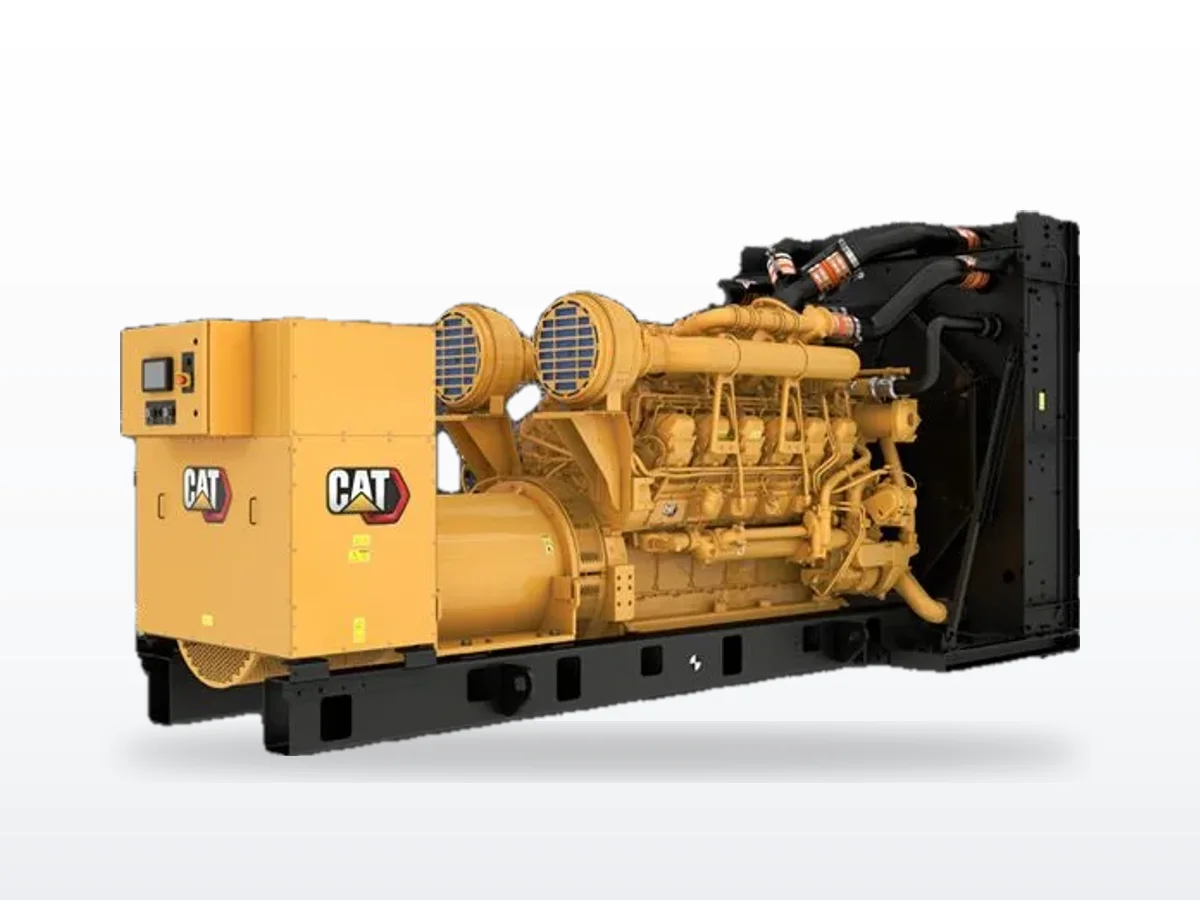
The Cat 3508 is an 850-kilowatt standby diesel generator built on Caterpillar's 34.5-liter V8 engine — the V8 member of the 3500 Series family. It fills the gap between the 3412-class machines and the larger 3512 V12, delivering substantial industrial power in a footprint smaller than a comparable 12-cylinder design.
The 3500 Series is Cat's heavy industrial line, engineered for the harshest environments: mining operations, offshore platforms, oil-and-gas processing facilities, and large campus power installations where the generator runs hard and must be rebuilt rather than replaced. The 3508's V8 configuration means fewer cylinders to maintain than a V12 at similar power output — a practical advantage when the equipment is in a remote location.
The V8 advantage in the 3500 lineup#
The 3500 Series spans several engine configurations, and the 3508 occupies a specific niche:
- Below it: The 3412C V12 at 800 kW standby — larger cylinder count, different displacement
- At this level: The 3508 V8 at 850 kW standby with a narrower, lighter package
- Above it: The 3512 V12 at 1125 kW standby with 51.8L displacement
The V8 geometry gives the 3508 a narrower engine bay width than the 3512, which matters in equipment rooms where the generator bays were sized to a particular envelope. Mining facilities and industrial plants built around 800-900 kW requirements frequently spec the 3508 for exactly this reason.
Medium voltage (4160V) availability makes the 3508 viable for direct medium-voltage bus integration without a step-up transformer — a significant cost and space reduction in facilities that already distribute at 4160V.
Our service perspective#
The 3508 is a machine built for long service life in demanding environments. The V8 configuration means two turbochargers to monitor — both banks should be checked for oil consumption and response time during every major service. Cat's S·O·S oil analysis is particularly valuable on these engines because they often accumulate significant hours before a scheduled shop visit is practical.
Fuel quality management is the single biggest reliability factor in the field. The 3500 Series fuel system tolerates typical diesel fuels well, but installations that rely on long-stored fuel (oil-and-gas, remote mining) need aggressive fuel polishing and water-separator maintenance on a schedule that matches the storage conditions, not just the calendar.
The EMCP 4 controller provides solid data logging for trending analysis. Load bank testing at 12-month intervals keeps wet stacking in check on lightly loaded standby units — the 3508's robust design handles load bank testing well but the test protocol must reach full-rated load to be meaningful.