Overview#
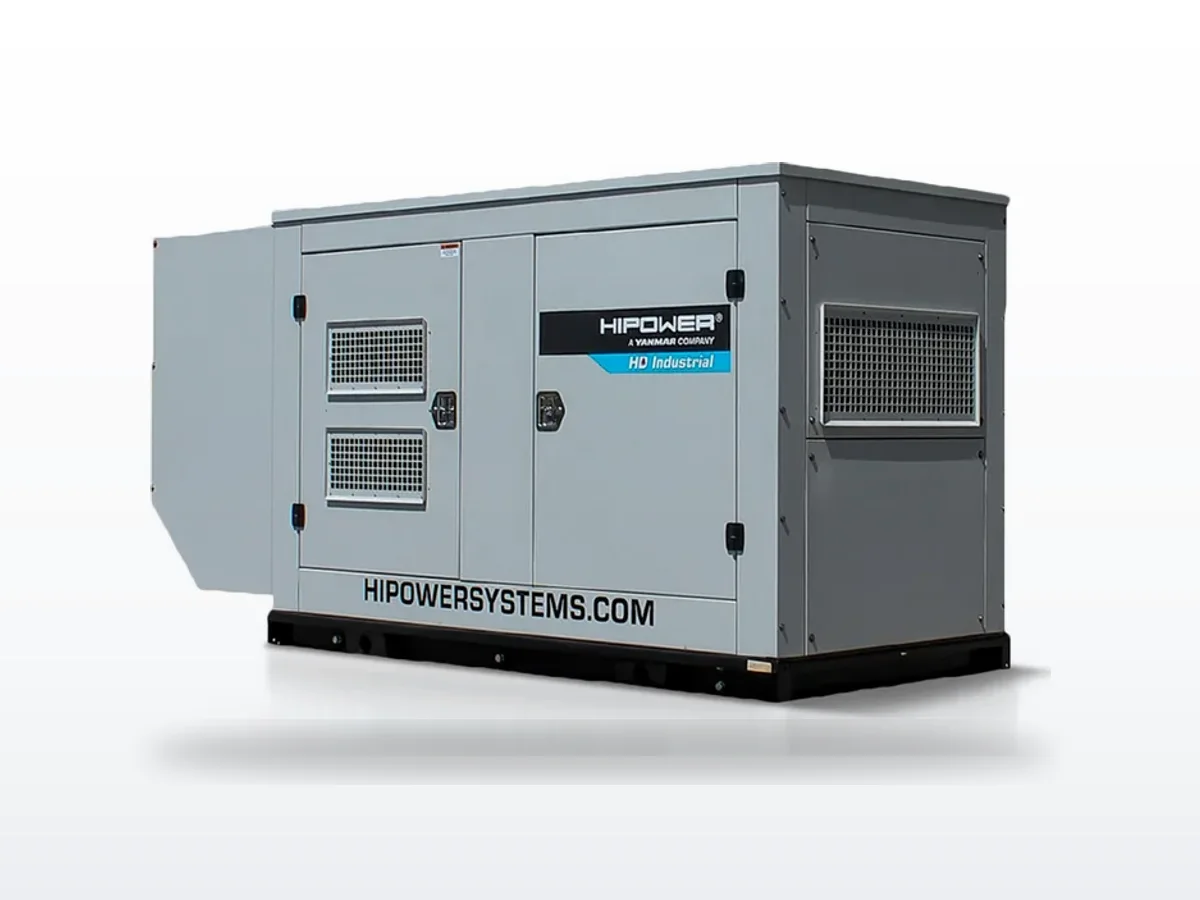
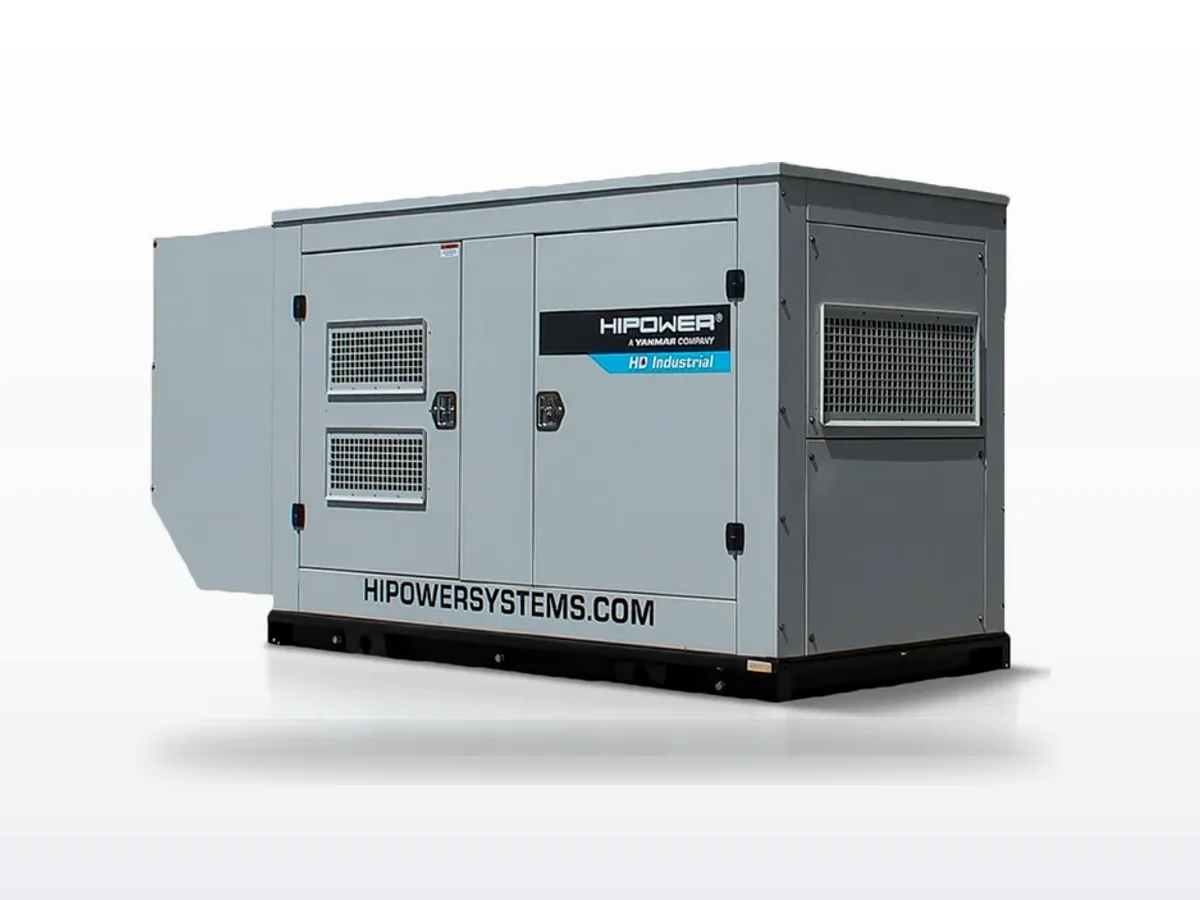
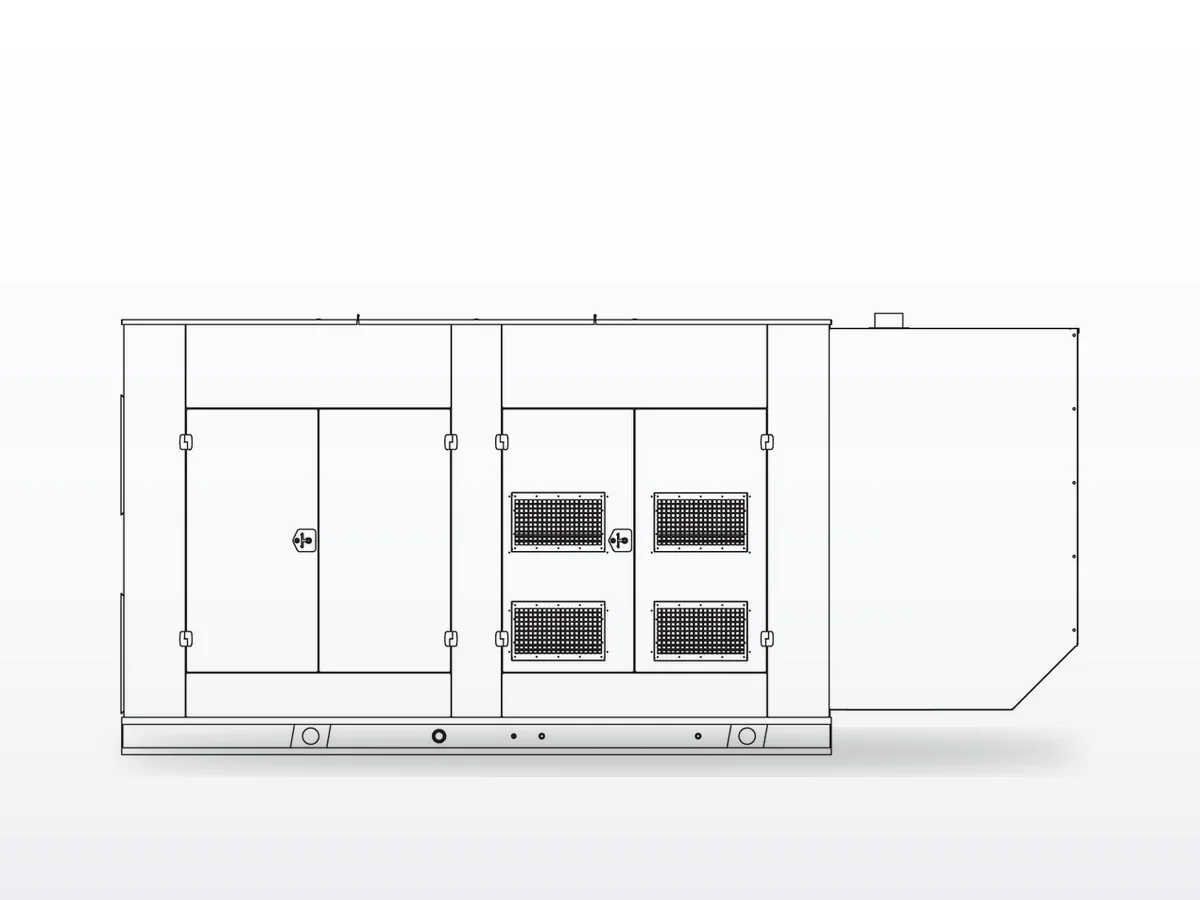
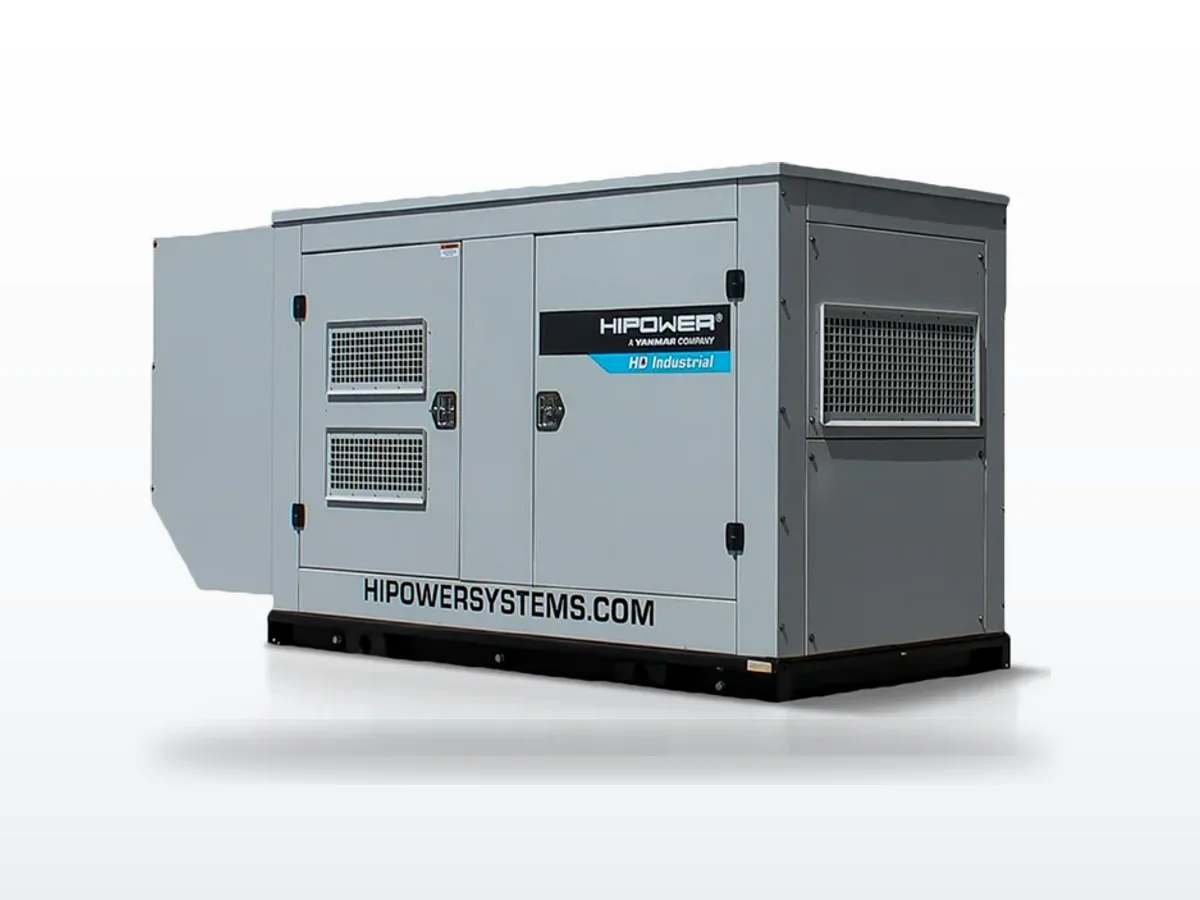
The Hipower HNG-355 is a 354 kW stationary natural gas standby generator in Hipower's HNG series. At 354 kW, this unit serves large commercial buildings, industrial facilities, and healthcare campuses where diesel storage at this scale would require a large tank installation with SPCC compliance. Natural gas supply from the utility eliminates that infrastructure — at the cost of requiring a high-capacity gas service and careful gas system engineering.
CARB certification enables California permit-by-rule for the HNG-355. In the 300–400 kW range, CARB-certified natural gas stationary options from non-Big-4 manufacturers are limited, making the HNG-355 a notable specification for California project teams.
Gas supply engineering is critical at this output level. A licensed mechanical engineer must size the complete gas system — utility meter capacity, regulator, and distribution piping — for the full-load BTU demand. Early utility coordination is recommended.
PSI Engine Platform#
The HNG-355 is powered by a PSI natural gas engine running at 1800 RPM. PSI supplies spark-ignited engines to multiple standby generator manufacturers and maintains a broad parts and service network across North America. The specific PSI model designation for this output range is pending verification from OEM documentation — service follows standard PSI spark-ignited practice: spark plugs and oil at 1000-hour intervals, no DPF or DEF.
CARB-Certified for California#
Hipower's HNG series holds CARB certification for California natural gas stationary standby. The HNG-355 qualifies for California permit-by-rule — standard air district approval without source test.
Service and Maintenance#
- Oil and filter: 1000 hours or 12 months
- Spark plugs: 1000 hours
- Air filter: 500 hours
- Gas line and regulator: Annual inspection
- Major overhaul: 30,000 hours
Our Service Experience#
OnPoint Generators services large natural gas standby generators throughout Northern California. The HNG-355 is appropriate for industrial and large commercial facilities where the decision to build on natural gas standby is driven by compliance simplification and fuel infrastructure efficiency.