Overview#
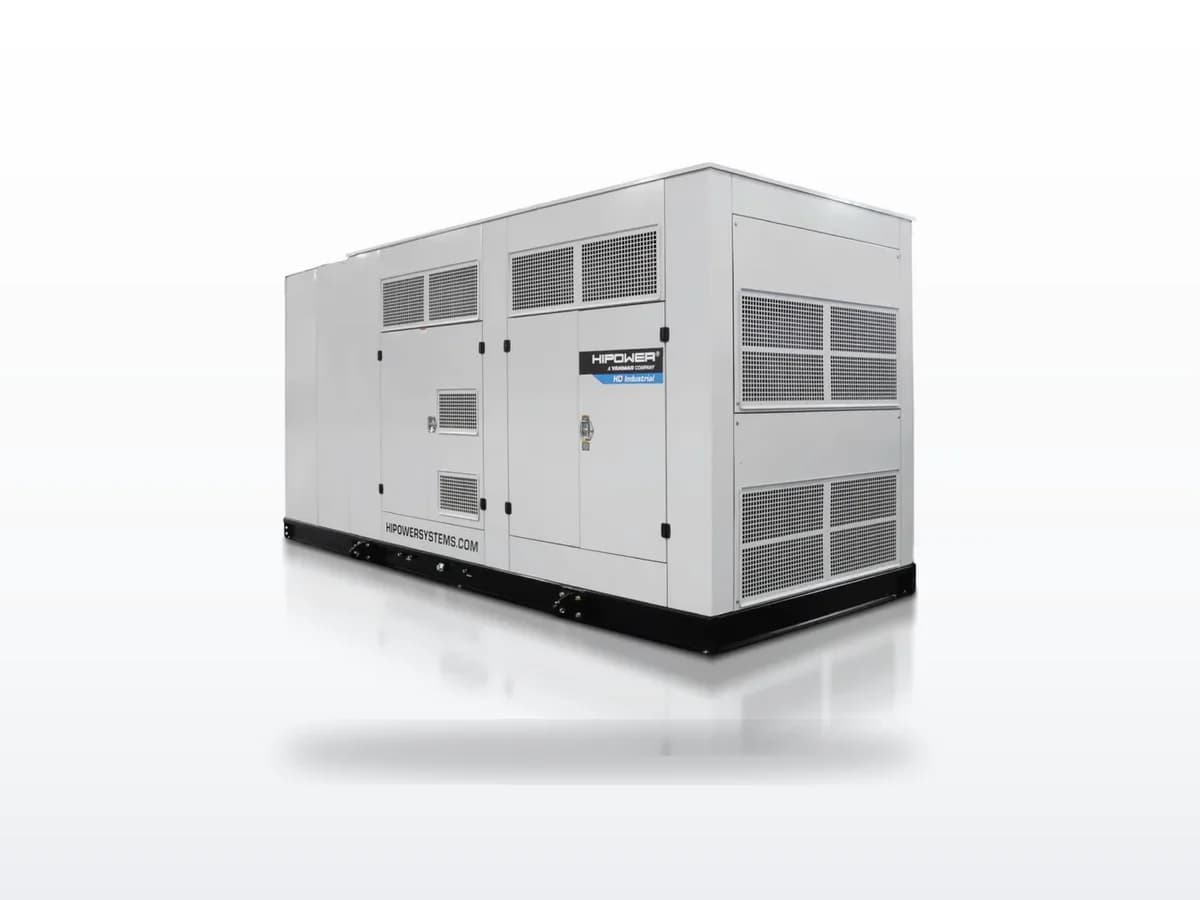
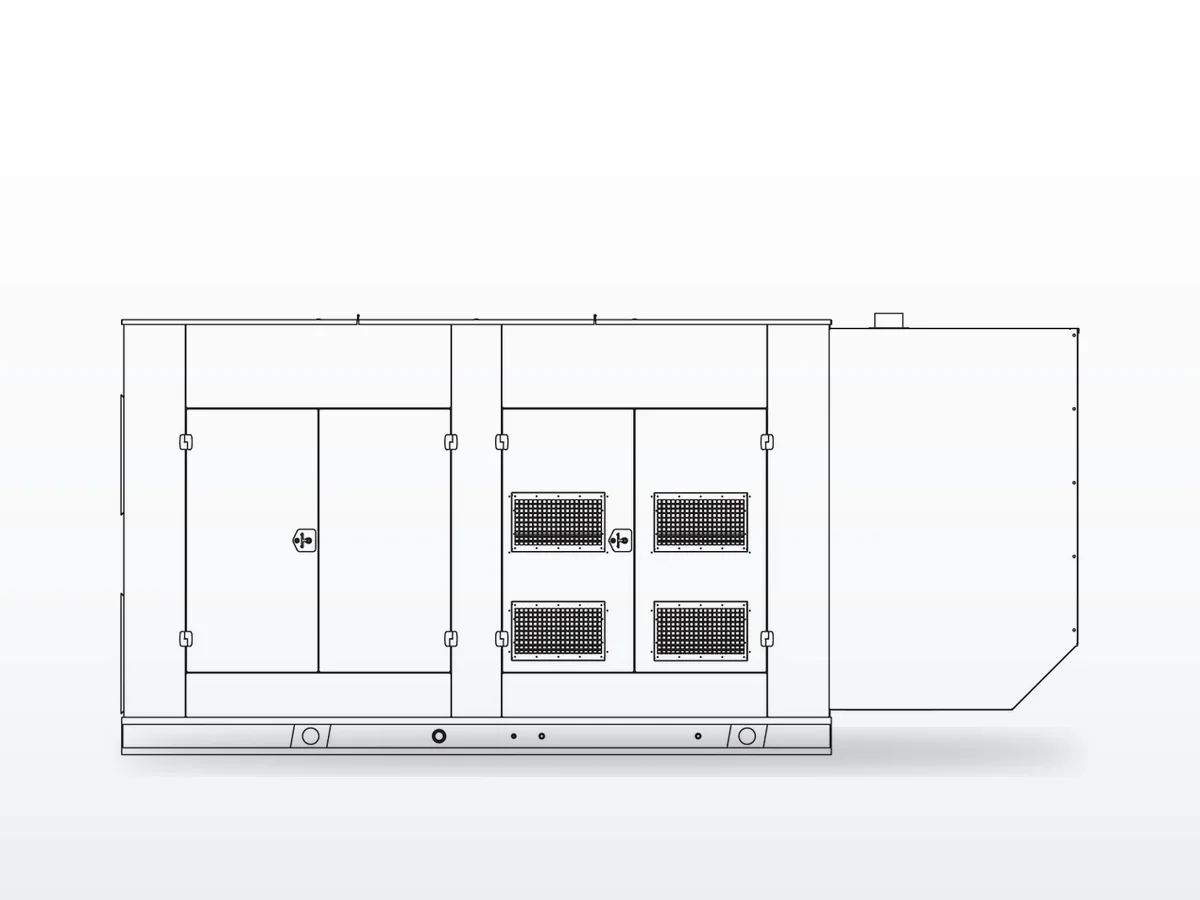
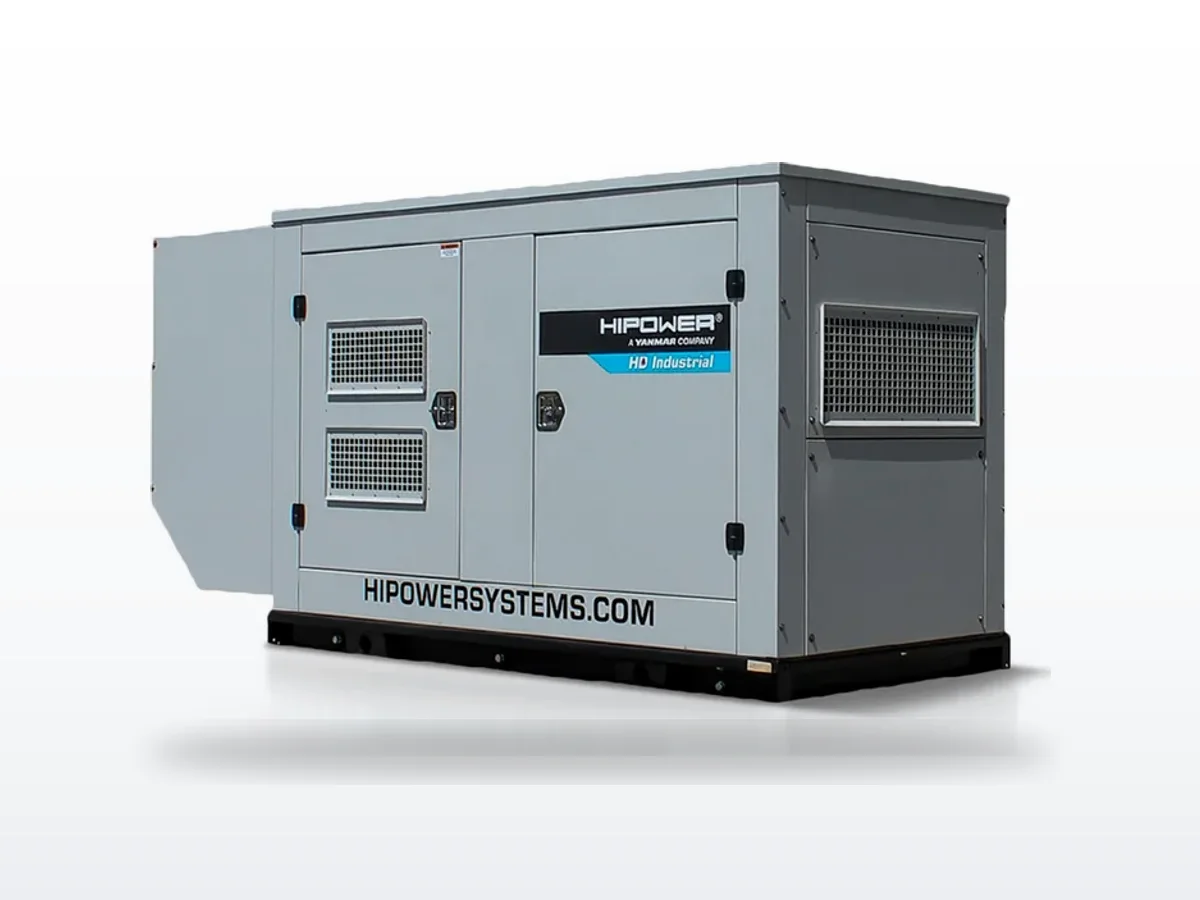
The Hipower HNI-350 is a 350 kW standby natural gas generator powered by a PSI spark-ignited engine. Part of Hipower's CARB-certified HNI series, the HNI-350 fills the gap between the 300 kW and 450 kW models — covering large commercial buildings, data centers, and industrial facilities where natural gas is the preferred or only practical fuel for standby.
At 350 kW, gas supply infrastructure becomes a critical project consideration. A properly sized gas service — meter capacity, service pressure, pipe diameter — must be confirmed before the installation is finalized. Projects that clear the gas supply hurdle gain the operational advantages of utility-supplied fuel: no diesel storage, no SPCC plan, no fuel delivery logistics.
Engine Platform#
The HNI-350 uses a PSI turbocharged spark-ignited engine at 1800 RPM. PSI is a leading OEM in the North American stationary gas engine market, supplying multiple generator manufacturers with field-proven platforms. The specific engine model designation for the 350 kW class requires verification against OEM documentation.
Maintenance follows the HNI series pattern: spark plugs and oil changes at 1000-hour intervals, annual gas system inspection, no DPF or DEF servicing.
CARB-Certified for California#
The HNI-350 is CARB certified as part of the full HNI series (30–1000 kW). California permit-by-rule applies, removing the source test and air district variance process that non-certified engines require. In the 300–450 kW power class, CARB-certified natural gas options outside the Big 4 are limited — the HNI-350 is one of the few.
Service and Maintenance#
- Oil and filter: 1000 hours or 12 months
- Spark plugs: 1000 hours
- Air filter: 500 hours
- Gas line and regulator: Annual inspection
- Ignition system: Annual inspection
- Major overhaul: 30,000 hours
Our Service Experience#
OnPoint Generators services large natural gas standby generators throughout Northern California. Hospitals, data centers, and large commercial buildings in our service area that operate on natural gas find that gas standby integrates naturally with their existing fuel infrastructure — eliminating the separate diesel storage, inspection, and delivery program that diesel standby requires.