Overview#
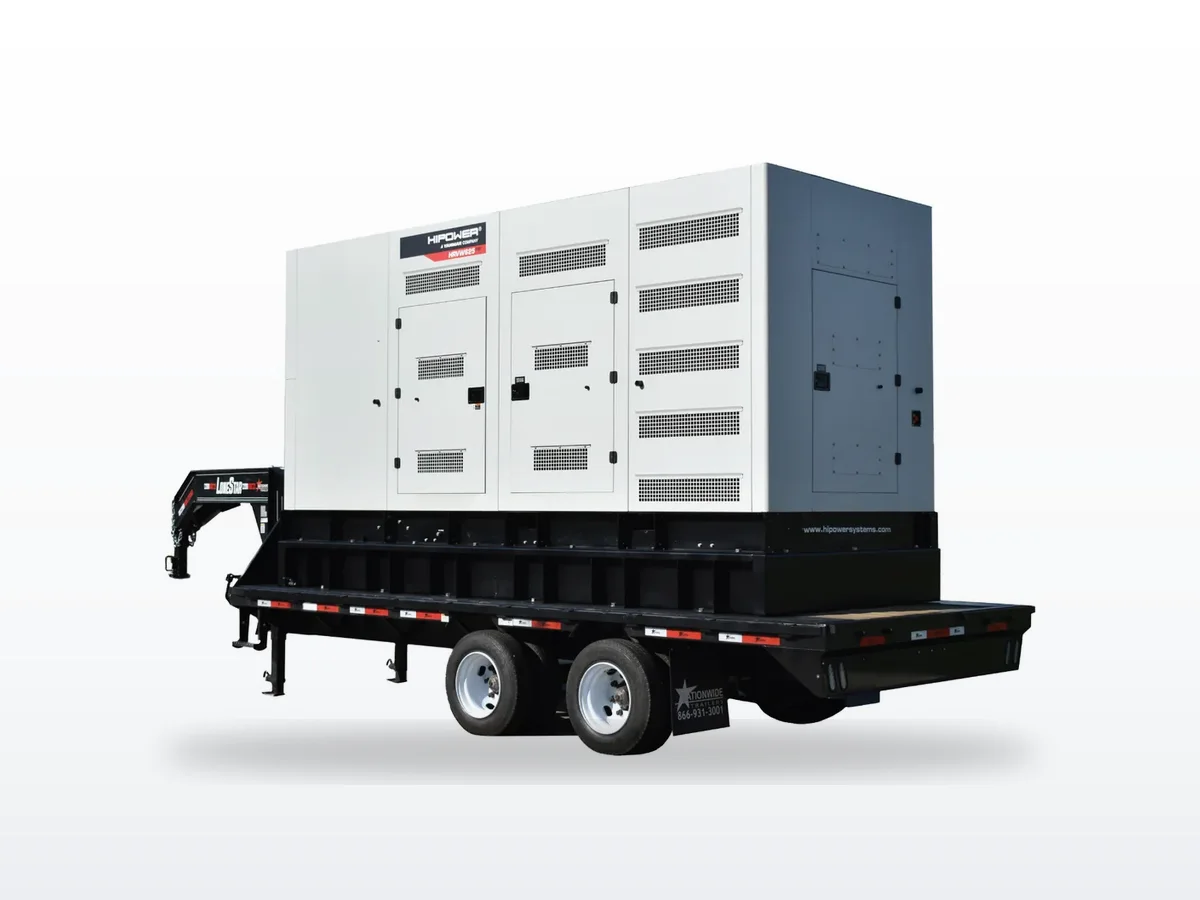
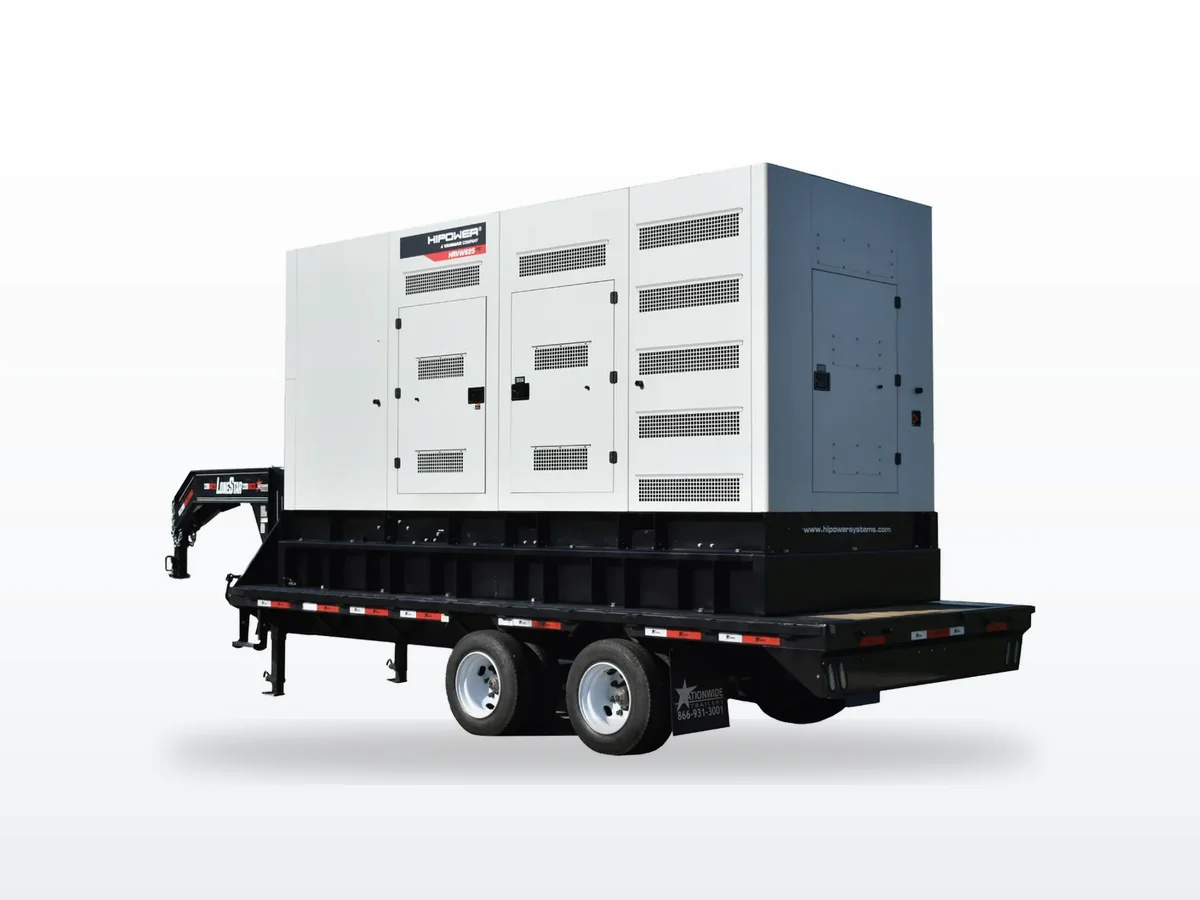
The Hipower HMW-2230 is a 2,230 kW diesel standby generator — the largest and highest-output model in the Hipower HMW series. Built in Olathe, Kansas, it delivers 2.23 MW of critical standby capacity from a single MTU 16V4000 engine, the same large-bore naval-heritage diesel platform as the HMW-1975 but configured for maximum output. NFPA 110 Level 1, IBC seismic Zone 4, and 200 mph wind certifications are standard. EPA Tier 2 make this the definitive single-unit 2 MW+ generator for California's mission-critical market.
The HMW-2230 represents the top of what a single diesel generator set can deliver within the Hipower lineup. Above 2.23 MW, multi-unit paralleling of HMW-2230 generators is the approach. Single-unit 2+ MW standby eliminates the cost and complexity of paralleling switchgear, synchronization controls, and bus protection schemes for facilities that can house one large unit rather than multiple smaller ones.
MTU Engine Platform#
The MTU 16V4000 series at maximum standby output powers the HMW-2230. Sixteen cylinders in a V arrangement with approximately 68 liters of displacement produce 2.23 MW with the torque reserve necessary for reliable full-load step transitions in hyperscale data center environments — where entire data hall bus transfers can impose sudden 2 MW loads on the standby system.
MTU (Rolls-Royce Power Systems) designed the 4000 series for the demanding requirements of naval propulsion and military prime power — environments where continuous full-load operation over multi-year service intervals without major overhaul is a fundamental specification requirement. The 30,000-hour TBO that carries across the entire HMW series from 270 kW through 2,230 kW is most impactful at this size: a 2 MW engine overhaul is a major capital and operational event. MTU's TBO effectively eliminates this from the facility's 20-30 year operational planning horizon.
Mission-Critical Design#
The HMW-2230 carries the complete HMW certification portfolio at 2+ MW scale:
- NFPA 110 Level 1, Type 10: 10-second full-load startup — mandatory for life-safety critical loads at hyperscale scale
- IBC Seismic Zone 4 / SDS 2.0: Pre-certified for California's highest seismic exposure zones — essential for data center and hospital installations in the Bay Area and surrounding regions
- 200 mph wind rating: Qualifies for all US geographic wind zones
- Dual-wall sub-base tank option: Integral secondary containment for NFPA 30, EPA SPCC, and fire code compliance
- MTU DiASter SCADA integration: Enterprise-class predictive maintenance, real-time engine diagnostics, fuel efficiency trending, SCR compliance monitoring, and regulatory reporting support
Paralleling Capability#
Multiple HMW-2230 units can be paralleled for campus-scale multi-MW critical loads. Two units in N+1 provide 2.23 MW with full standby reserve — the architecture for a 2 MW hyperscale data hall with single-unit redundancy. Three units in N+1 cover 4.46 MW. Four units in 2N (fully redundant) supply 2.23 MW of critical capacity with 100% backup from dedicated standby units. At 2+ MW per unit, bus architecture, switchgear frame rating, and system protection coordination require dedicated engineering. Contact OnPoint for a complete system design consultation.
Service and Maintenance#
Our Service Experience#
OnPoint Generators provides MTU-certified service for large-frame Hipower HMW installations throughout Northern California. For HMW-2230 operators, our team delivers: certified preventive maintenance within facility redundancy windows, SCR system service, annual NFPA 110 Level 1 load bank testing and compliance documentation, fuel polishing contracts, and 24/7 emergency response. At 2+ MW, a single generator failure can affect an entire data center pod or campus essential system — local certified expertise with rapid response is a non-negotiable operational requirement.