Overview#
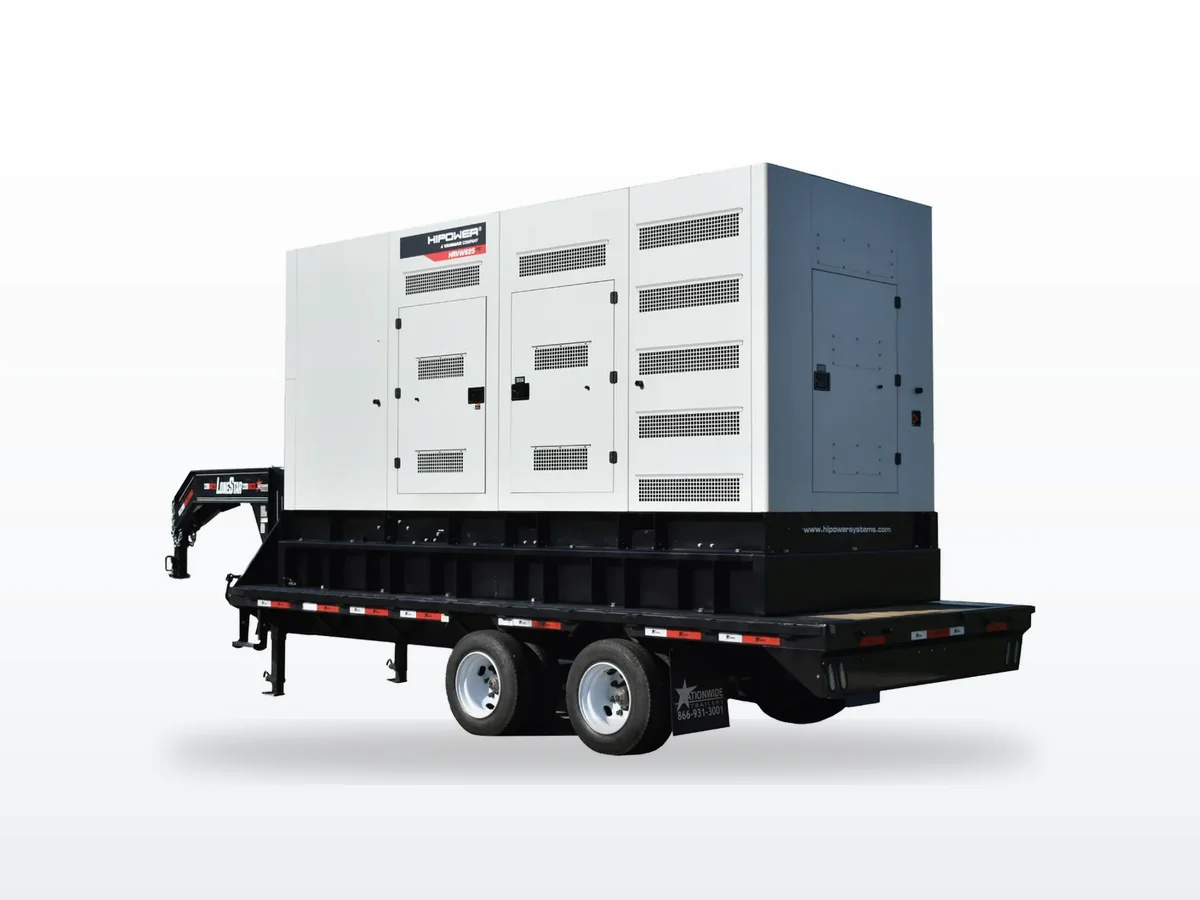
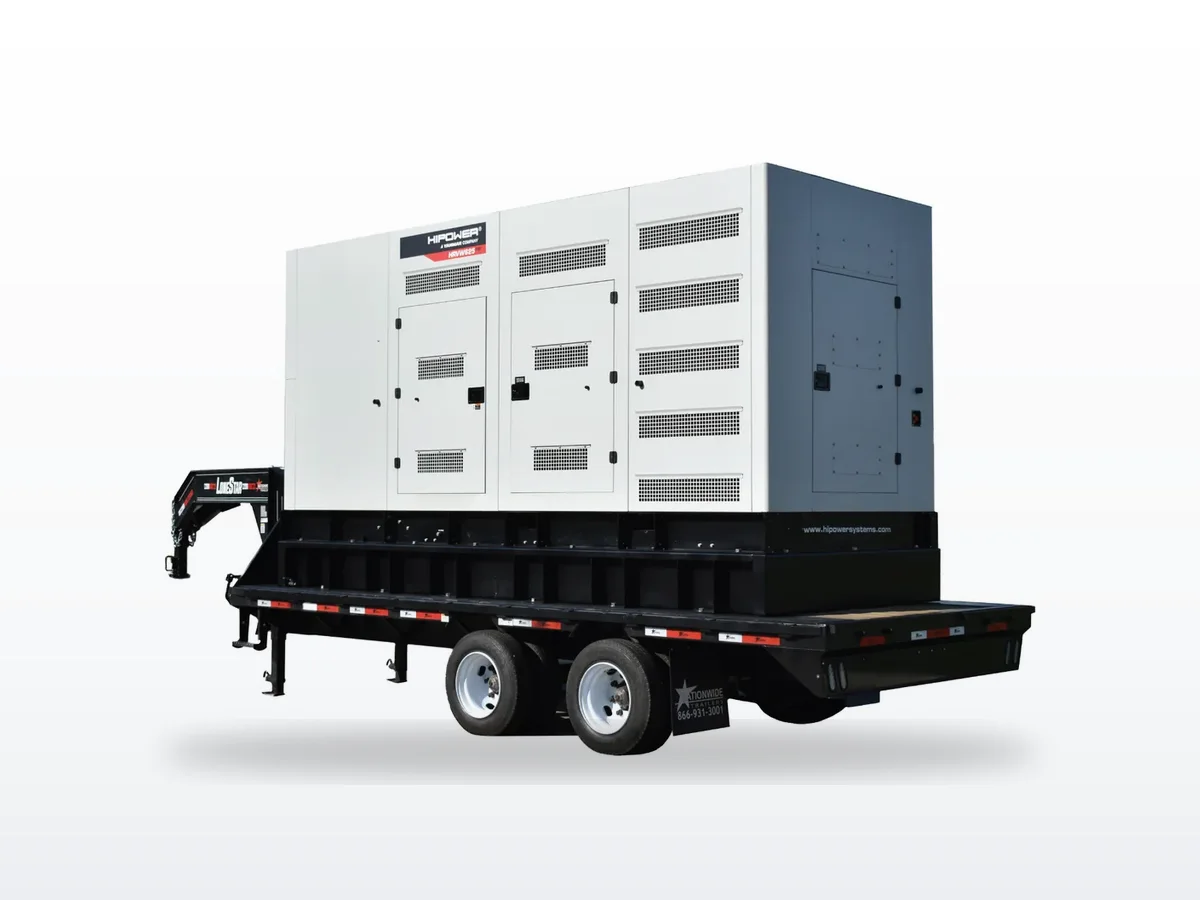
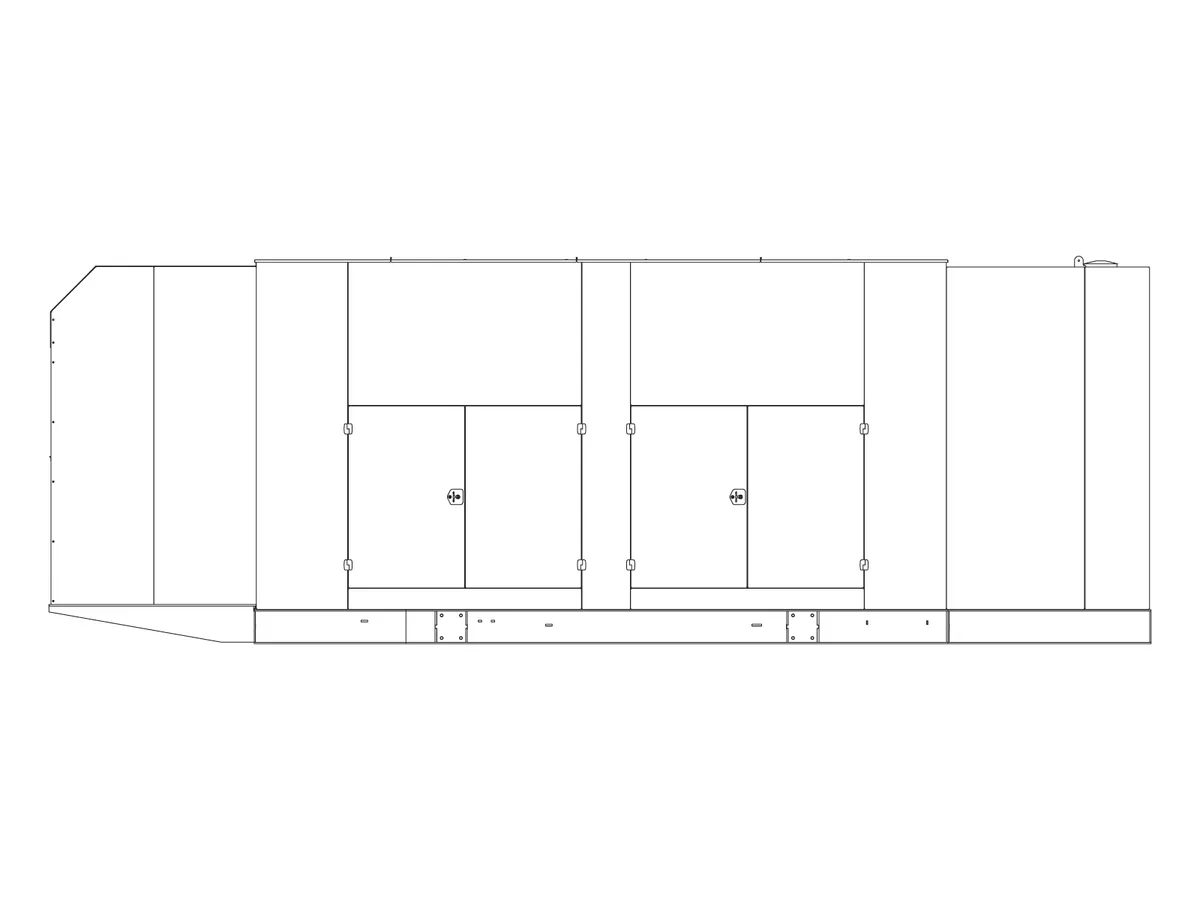
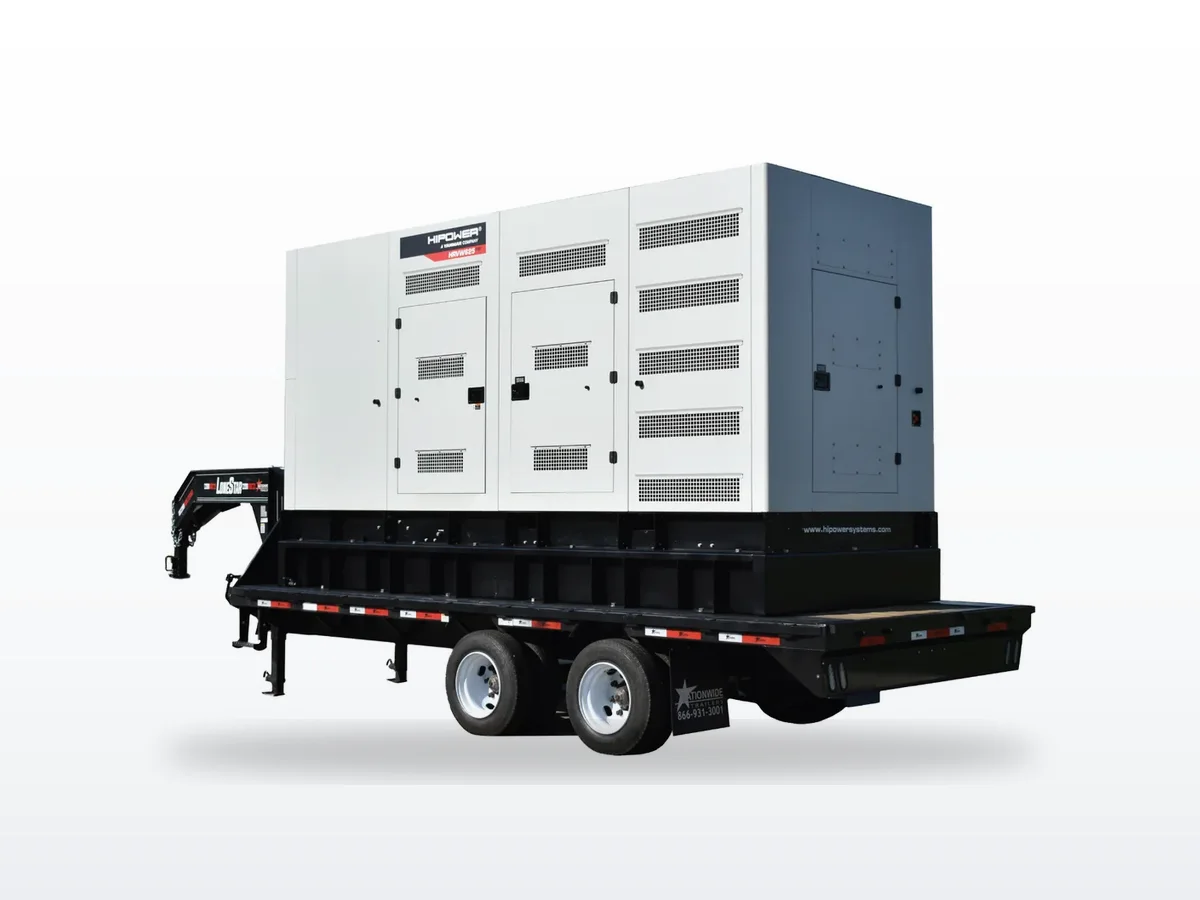
The Hipower HMW-1975 is a 1,975 kW diesel standby generator powered by the MTU 16V4000 — a 16-cylinder, approximately 68-liter engine that represents the upper range of stationary diesel generator technology. Built in Olathe, Kansas, the HMW-1975 delivers near-2 MW critical standby capacity with NFPA 110 Level 1, IBC seismic Zone 4, and 200 mph wind certification in a single package certified for California's strict regulatory environment. EPA Tier 4 Final and CARB compliance are standard.
At 1.975 MW, the HMW-1975 serves the largest single-unit applications in the hyperscale data center and utility sectors. Major cloud providers, defense contractors, and large university medical centers specify MTU 16V4000-class generators when they need near-2 MW standby from a single unit rather than paralleling smaller generators.
MTU Engine Platform#
The MTU 16V4000 is the largest and most powerful engine in the HMW series. Sixteen cylinders in a V arrangement with approximately 68 liters of combined displacement produce sustained 1.975 MW standby output with the torque characteristics required for large step-load transfers in hyperscale data center environments. MTU (Rolls-Royce Power Systems) originally developed the 4000 series for naval propulsion systems — applications where sustained full-load operation over extended periods with minimal maintenance access is the design requirement. That same durability profile is precisely what large critical facility operators demand.
The 16V4000's 30,000-hour TBO at near-2 MW output is without peer in the commercial generator market. No competing engine from Cummins, Caterpillar, or Volvo at this output class approaches MTU's TBO specification. For facilities planning 20-30 year operational lifetimes, the MTU 16V4000 eliminates major engine overhaul from the capital planning cycle.
Mission-Critical Design#
Standard certifications for all HMW configurations apply at this scale:
- NFPA 110 Level 1, Type 10: 10-second full-load pickup for life-safety and hyperscale critical loads at near-2 MW
- IBC Seismic Zone 4 / SDS 2.0: Pre-certified for California data center and hospital installations in high-seismic regions
- 200 mph wind rating: All US geographic wind zones
- Dual-wall sub-base tank option: Secondary containment for NFPA 30 and EPA SPCC
- MTU DiASter SCADA integration: Enterprise-class predictive maintenance, real-time diagnostics, fuel consumption optimization, and CARB regulatory compliance support
Paralleling Capability#
The HMW-1975 is designed for multi-unit paralleling on campus-scale critical bus architectures. Two units in N+1 provide approximately 2 MW critical capacity with full standby reserve. Three to four units in N+1 deliver 4-6 MW — the capacity range of a mid-tier hyperscale data hall. Automatic synchronization and isochronous load sharing are standard. At this output level, bus architecture, switchgear frame sizing, and protection coordination must be engineered for the per-unit contribution. Contact OnPoint for a system design consultation.
Service and Maintenance#
MTU 16V4000 service: 500-hour oil and fuel filter changes (confirm oil system volume — 68L displacement is substantial), 1,000-hour air filter, 4,000-hour DEF injector inspection, 8,000-hour SCR catalyst inspection, 30,000-hour major overhaul. Fuel polishing is mandatory at 6-month intervals for all fuel storage configurations. MTU 4000-series trained technicians are required. At near-2 MW, maintenance events require full coordination with facility operations, redundancy system management, and often advance notification to utility interconnect partners for testing events.
Our Service Experience#
OnPoint Generators provides certified service for large-frame MTU Hipower installations throughout Northern California. HMW-1975 operators benefit from our MTU certification, factory diagnostic tools, and experience coordinating multi-MW maintenance events with data center and hospital operations teams. We provide NFPA 110 Level 1 annual compliance testing, fuel polishing contracts, SCR system maintenance, and 24/7 emergency response for California's most critical facilities.