Overview#
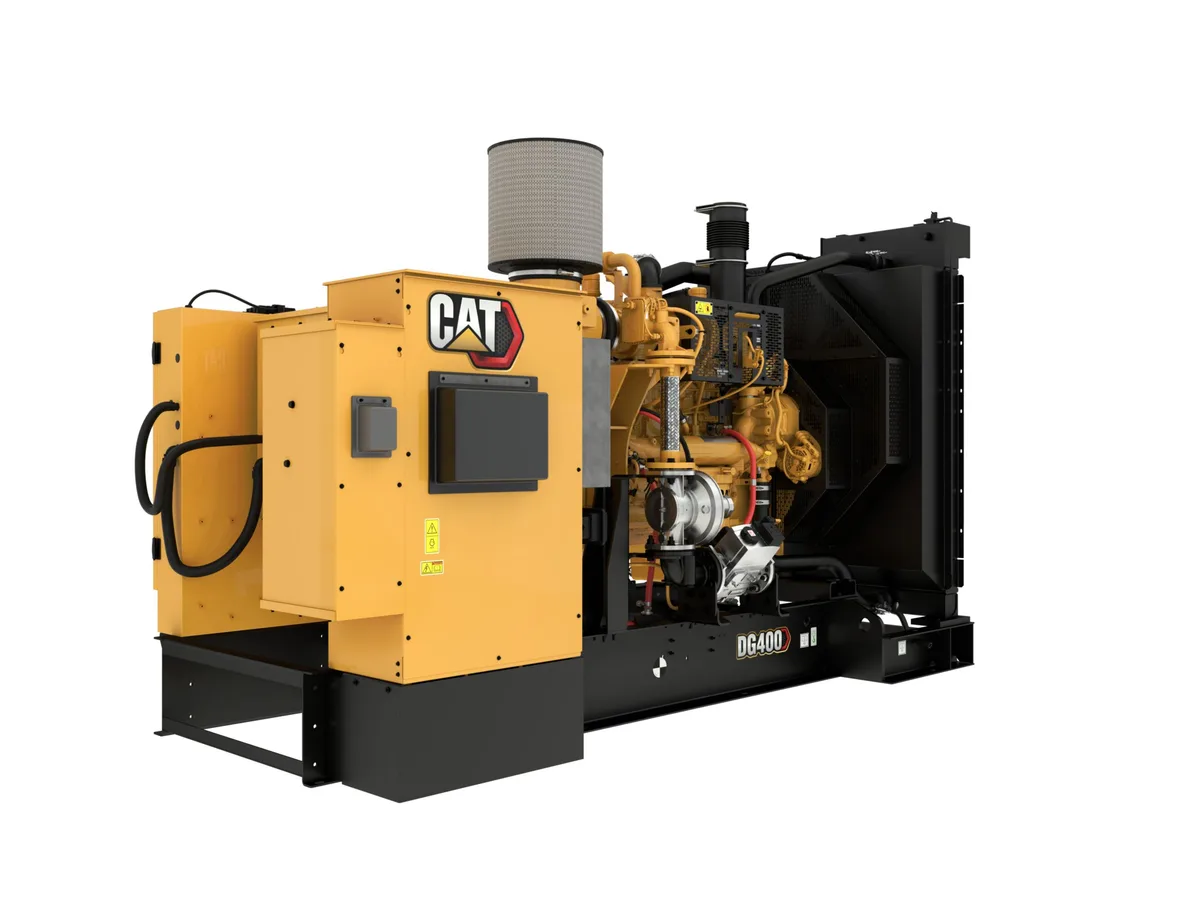
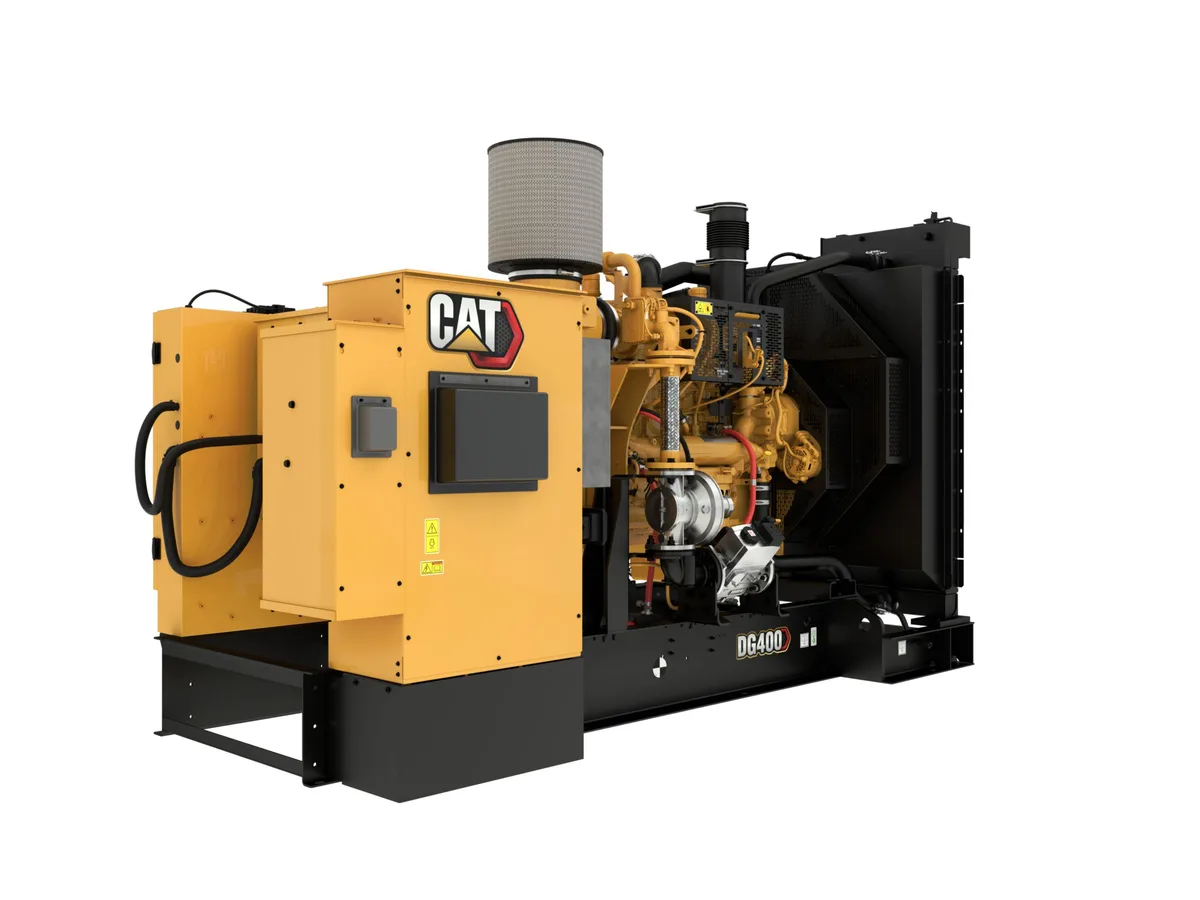
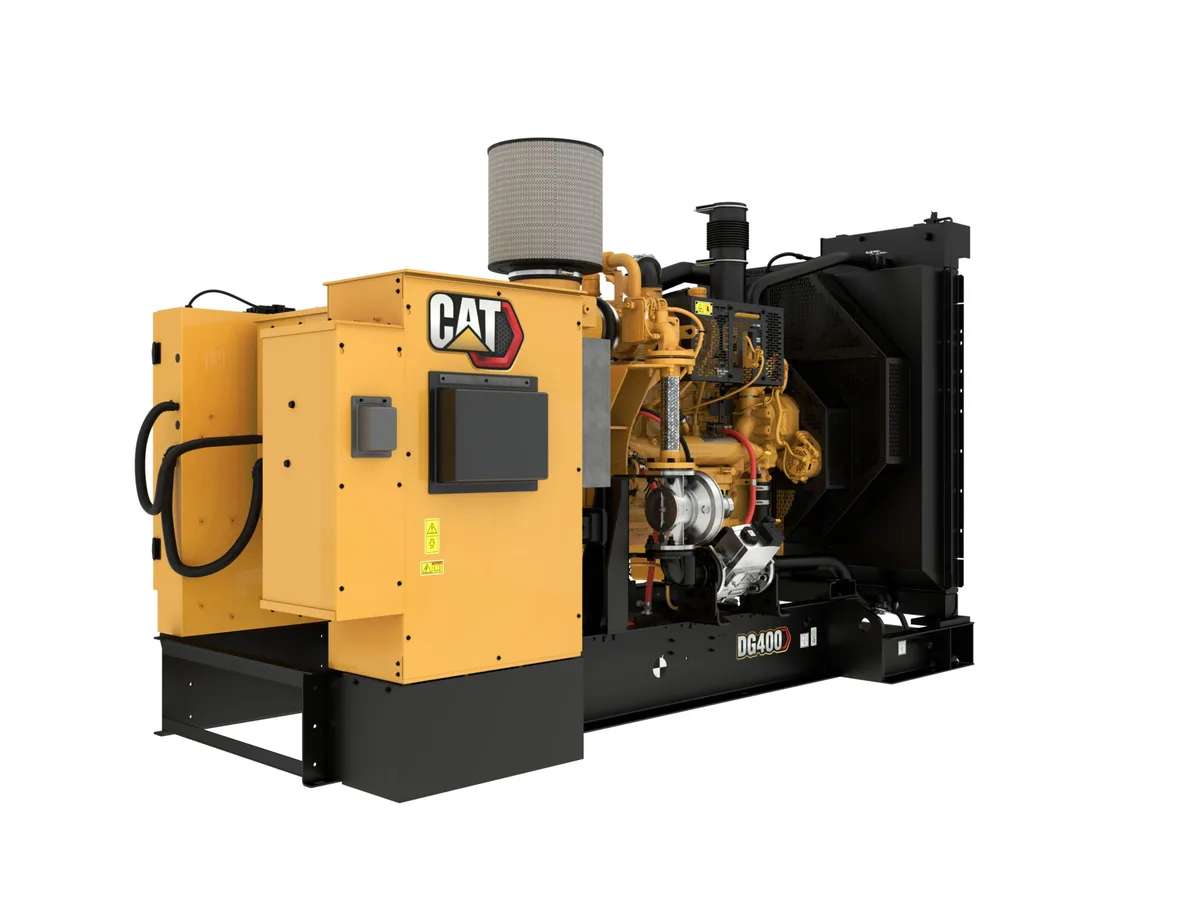
The Cat DG175 is a 175 kW standby natural gas generator in the DG Series product family. Positioned between the DG150 and the DG200, the DG175 gives facility managers a precise match for critical loads in the 150-175 kW range without oversizing to the next class.
Natural gas generator sets at this power level make particular sense for commercial office buildings and professional facilities. There is no on-site diesel storage, no mandatory fuel testing, and no secondary containment to engineer around. The generator connects to the same gas main that serves the HVAC and kitchen equipment.
Demand response and EPA certification#
Like the rest of the DG Series, the DG175 carries U.S. EPA certification for non-emergency stationary applications. This qualification enables participation in utility demand response contracts and peak shaving agreements. For office building owners in markets with active DR programs, a gas generator at this scale can offset a meaningful portion of the installation cost through curtailment payments over a multi-year utility contract.
Applications#
The 175 kW output is sized for:
- Office buildings -- data closets, elevators, emergency lighting, and HVAC for critical floors
- Commercial facilities -- retail, hospitality, and mixed-use where critical load falls at 150-175 kW
- Schools and universities -- emergency systems, server rooms, and security infrastructure
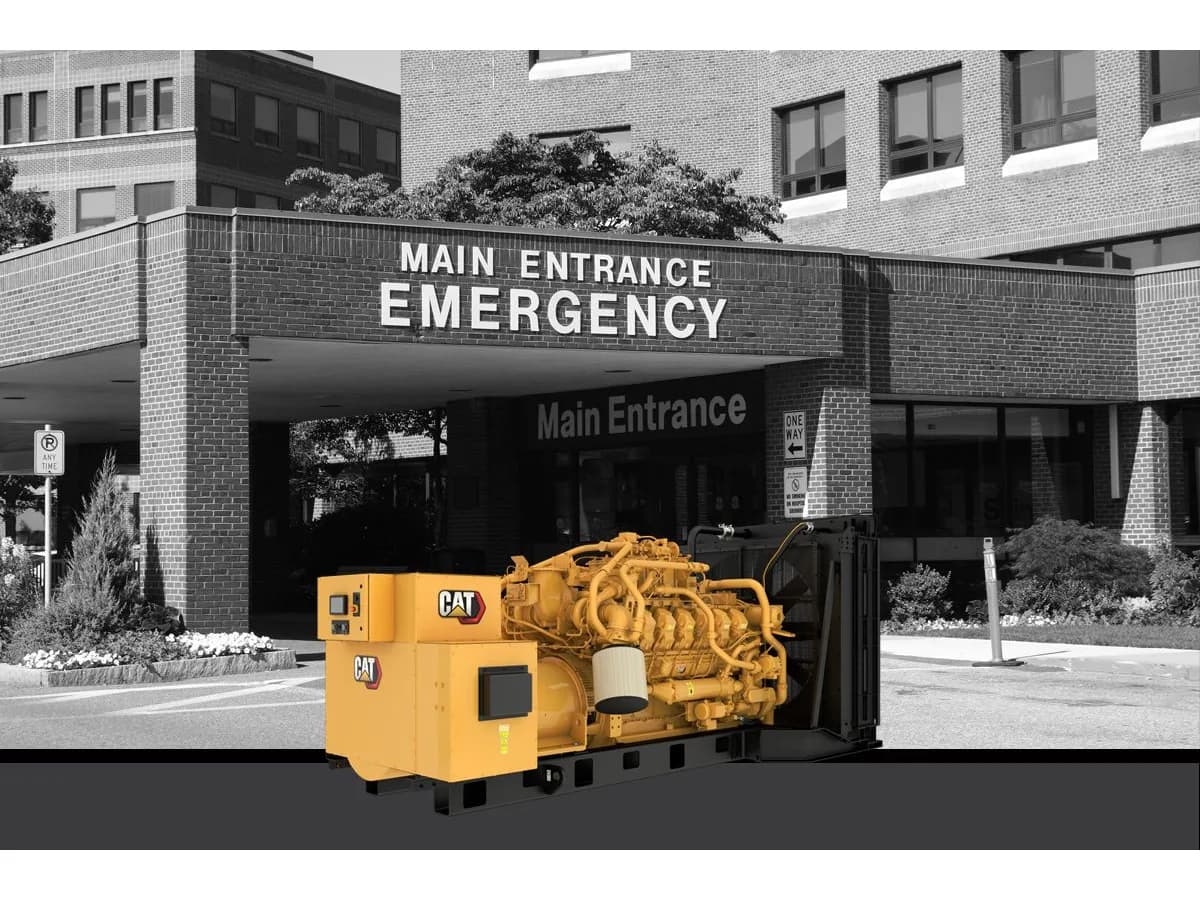
- Hospitals and clinics -- essential electrical system loads per NFPA 99 requirements
Installation considerations#
The DG175 operates on natural gas with liquid cooling. Confirm gas supply pressure at the generator connection point during site assessment -- undersized gas piping is the most common installation issue at this power level. Both 120/208V and 277/480V voltage configurations are available; specify at order time as the alternator configuration is set at the factory.
Our service experience#
The DG Series gas platform is a low-complexity maintenance proposition compared to diesel. Spark plug service intervals, fuel regulator calibration checks, and annual load bank testing are the primary scheduled items. We recommend verifying governor response under step load conditions at commissioning -- gas pressure transients can cause governor hunting on newly commissioned systems until the regulator is tuned to the site gas supply.