Overview#
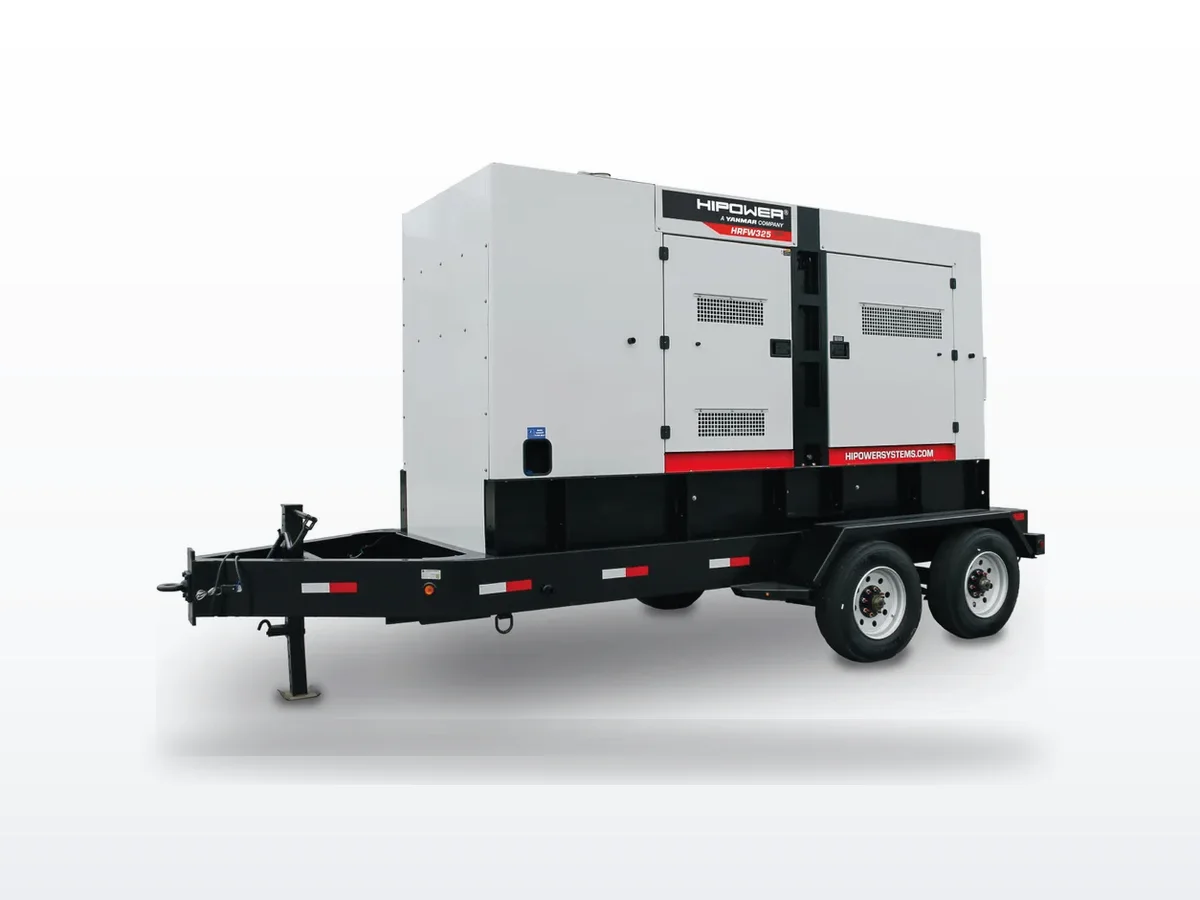
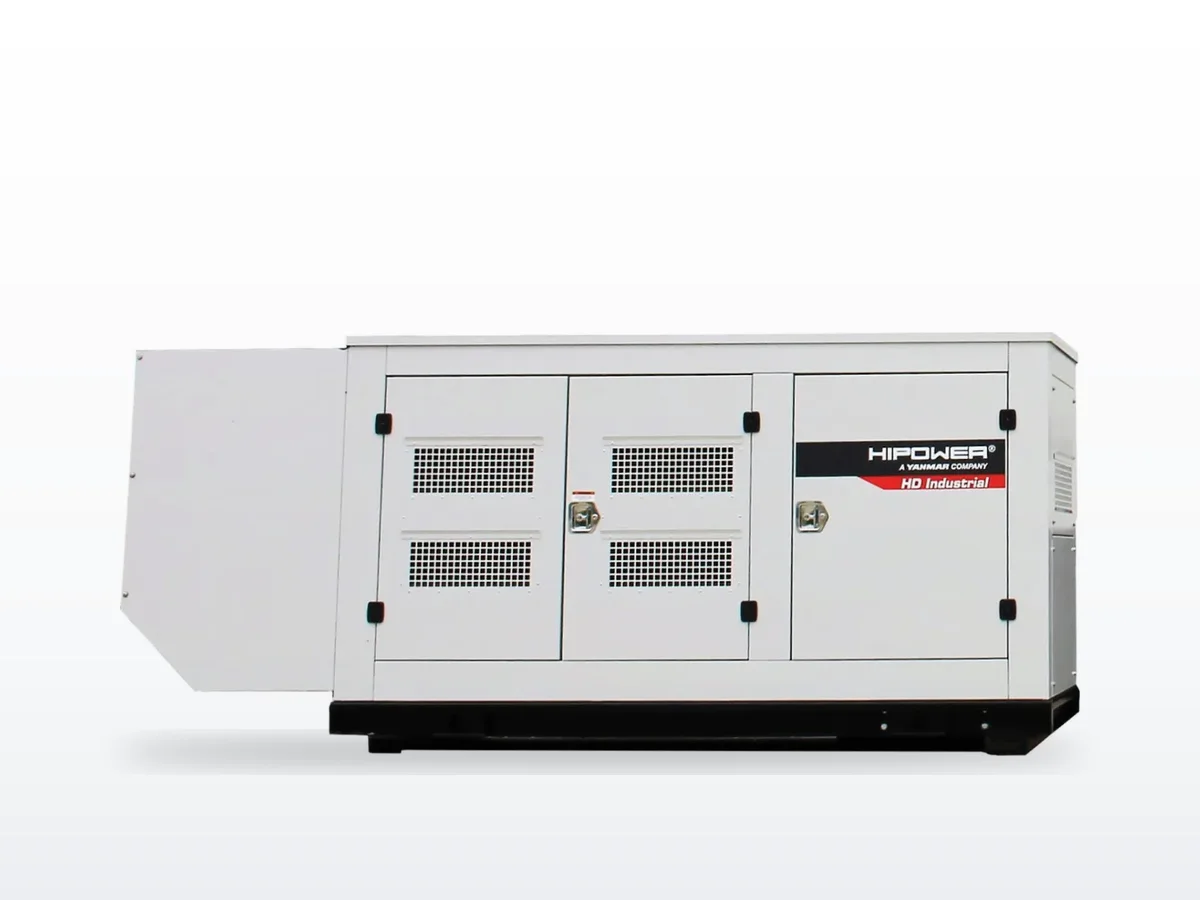
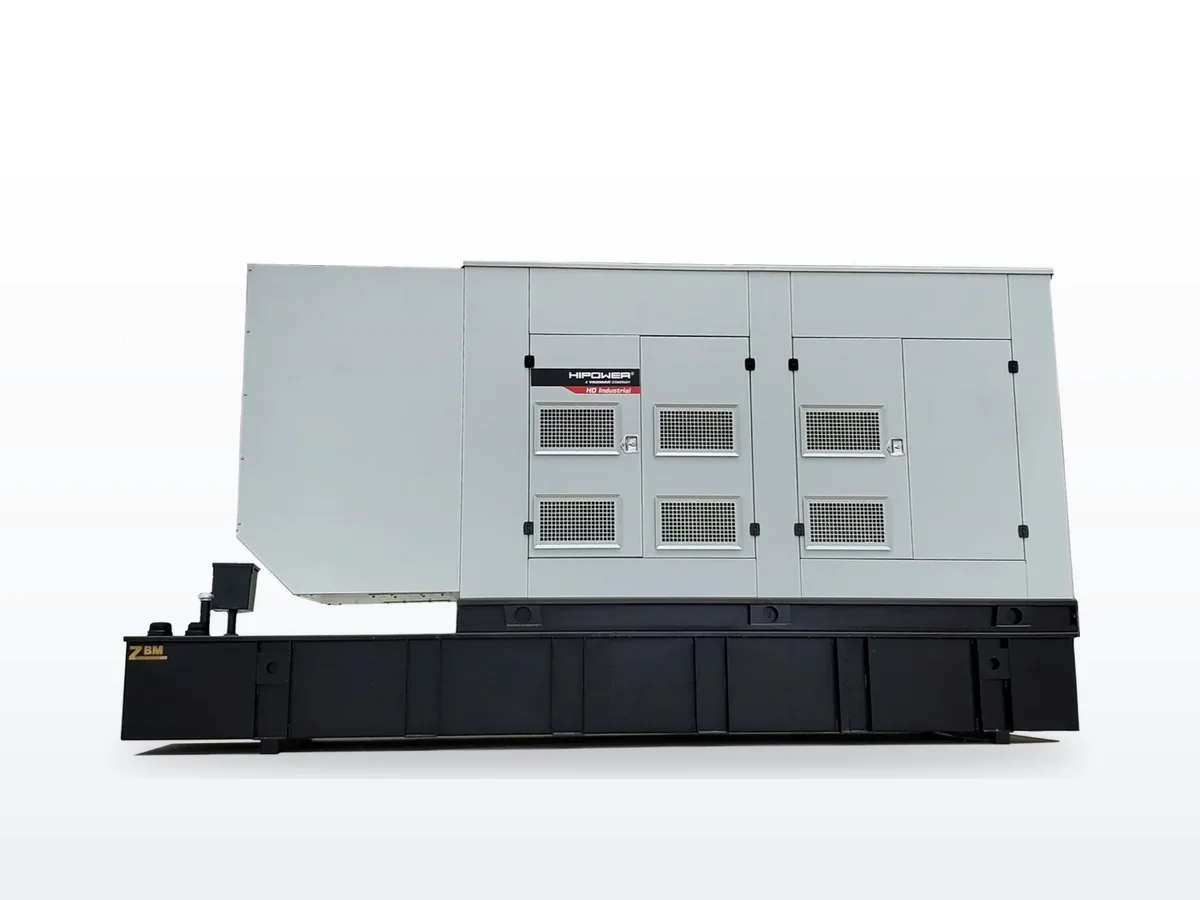
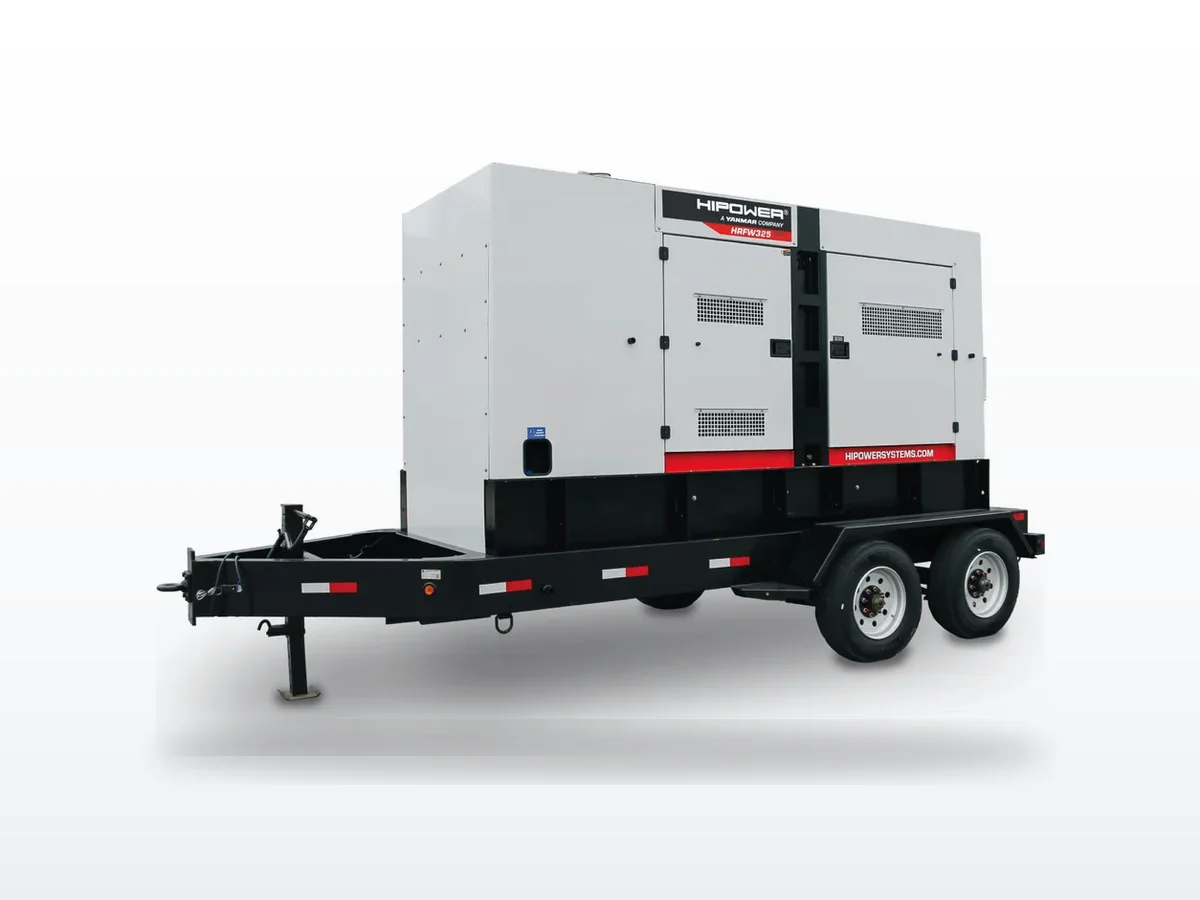
The Hipower HMW-270 is a 270 kW diesel standby generator powered by an MTU 1600-series 10-cylinder engine. Built in Olathe, Kansas, it is engineered for mission-critical facilities that cannot tolerate power interruptions — Tier I data centers, Level 1 trauma centers, utility substations, and military installations. The unit meets NFPA 110 Level 1 (life-safety standby) requirements, carries IBC seismic Zone 4 certification, and is wind-rated to 200 mph. EPA Tier 4 Final emissions compliance makes it deployable across California and all CARB-regulated regions.
At 270 kW, the HMW-270 occupies the medium commercial sweet spot: large enough to serve a 250-500 ton data center cooling system or a mid-size hospital critical branch, while compact enough to fit in urban equipment rooms with constrained footprints.
MTU Engine Platform#
MTU (Motor-Turbinen-Union), a Rolls-Royce Power Systems brand, manufactures the highest-specification diesel engines used in the generator industry. The 1600 series powering the HMW-270 is a 10-cylinder V-configuration unit producing approximately 16 liters of displacement with turbocharged-and-aftercooled induction. MTU rates the 1600 series for 30,000+ hours between major overhaul — roughly three to four times the TBO of competitive Perkins or John Deere Tier 4 engines.
Data center operators specify MTU for three reasons: brake mean effective pressure (BMEP) that allows sustained full-load operation without thermal derating, transient load acceptance that meets NFPA 110 Type 10 (10-second pickup) requirements without mechanical stress, and fuel efficiency at 75-100% load that reduces operating cost over 20-year facility lifecycles.
MTU engines are Tier 4 Final certified using selective catalytic reduction (SCR) with diesel exhaust fluid. Unlike exhaust gas recirculation (EGR) approaches, SCR preserves combustion efficiency and does not require increased oil change frequency due to soot loading.
Mission-Critical Design#
Every HMW unit leaves Olathe certified to multiple facility-critical standards:
- NFPA 110 Level 1, Type 10: Life-safety standby category — the highest classification for hospital, data center, and high-rise occupancies. Type 10 means the generator reaches full voltage and frequency within 10 seconds of utility failure.
- IBC Seismic Zone 4 / SDS 2.0: Qualifies for installation in California, Nevada, Oregon, and other high-seismic regions without a seismic isolation pad or additional certification work. Critical for NorCal data center campuses.
- 200 mph wind rating: Exceeds Florida Building Code and most state wind zone requirements for emergency power equipment.
- Dual-wall sub-base tank option: Eliminates secondary containment structures in occupied buildings and simplifies permit submittals under NFPA 30 and EPA SPCC rules.
- Remote monitoring via MTU DiASter: Optional integration with MTU's DiASter SCADA-level monitoring platform for real-time engine diagnostics, fuel consumption trending, and predictive maintenance alerts.
Paralleling Capability#
The HMW-270 is paralleling-ready from the factory. Isochronous load sharing allows multiple units to operate at equal load fractions across a common bus — the foundation of N+1 and N+N redundancy architectures used in hyperscale and colocation data centers.
A typical NorCal colocation deployment uses four HMW-270 units in N+1 configuration (3+1): three units carry the 800 kW critical load at 90% capacity, the fourth provides immediate standby reserve. Hipower's synchronizing controls are compatible with standard paralleling switchgear from Asco, Russelectric, and Kohler Power Systems.
Service and Maintenance#
MTU's extended 30,000-hour TBO is the defining competitive advantage of the HMW series over Tier 4 Perkins, John Deere, and Volvo-powered alternatives. Competitive units typically specify 10,000-15,000-hour major overhaul intervals. For a facility running monthly 4-hour load bank tests plus emergency events, the MTU TBO translates to 40-60 years of effective service life.
Tier 4 Final SCR maintenance adds a DEF system to the service schedule. Best practices:
- Run the DEF purge cycle at every shutdown to prevent urea crystallization in the dosing injector
- Check DEF quality (urea concentration 32.5%) at each oil change visit
- Inspect SCR catalyst substrate at 8,000-hour intervals
- Fuel polishing at 6-month intervals for critical facilities with integral sub-base tanks
MTU technician certification requires specialized training beyond standard generator mechanics. The MTU dealer network is thinner than John Deere or Perkins in Northern California, making local authorized service partners a meaningful differentiator for facilities procurement teams.
Our Service Experience#
OnPoint Generators is an authorized service partner for MTU-powered generator sets in Northern California. Our technicians hold MTU training certifications and maintain factory-level diagnostic software for the 1600 and 2000 series engines. We service HMW-270 units at data center campuses, hospital systems, and utility substations throughout the Bay Area, Central Valley, and Sacramento region.
Because the MTU dealer network is sparse in NorCal compared to Cummins or Caterpillar, local expertise matters — especially for after-hours emergency calls and complex SCR troubleshooting. Our service team carries MTU-spec filters, DEF test strips, and common injector and sensor parts on the truck.