Overview#
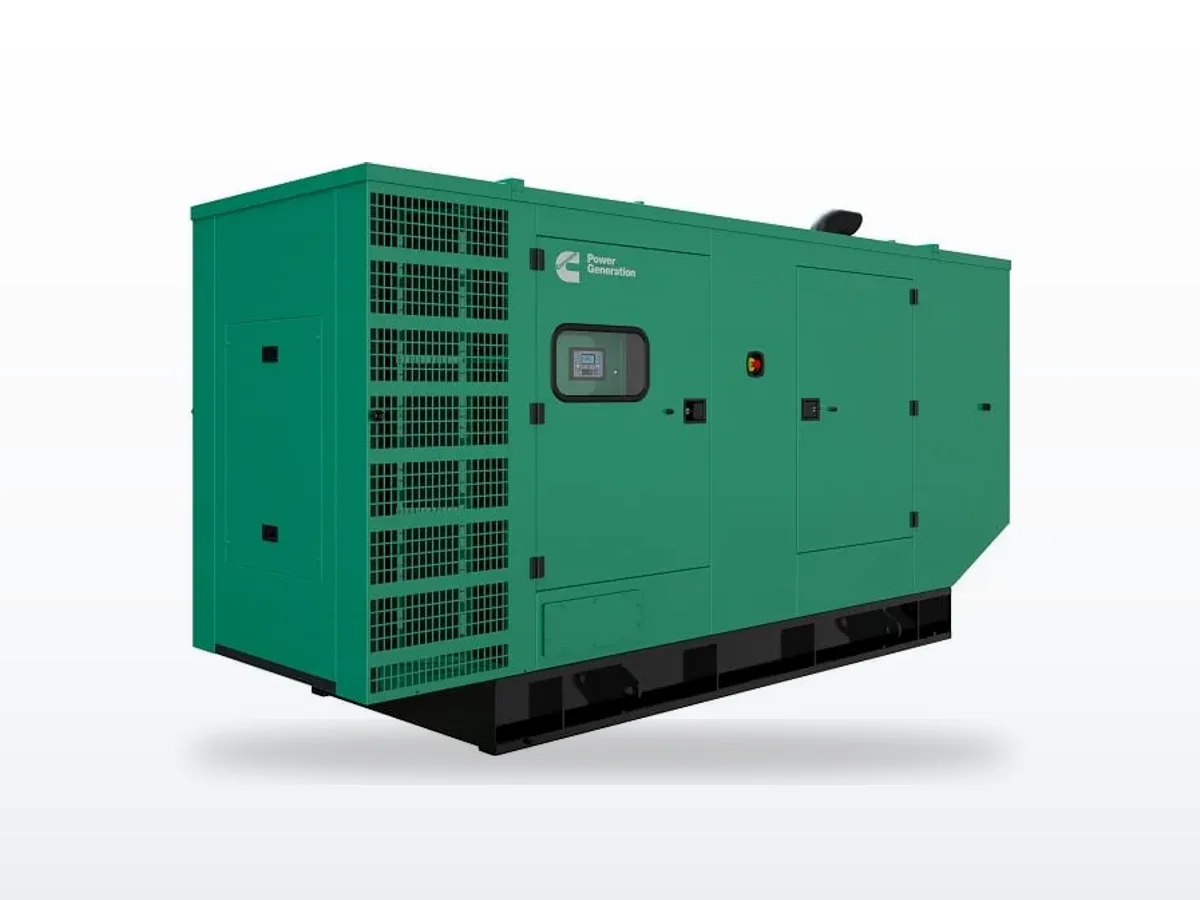
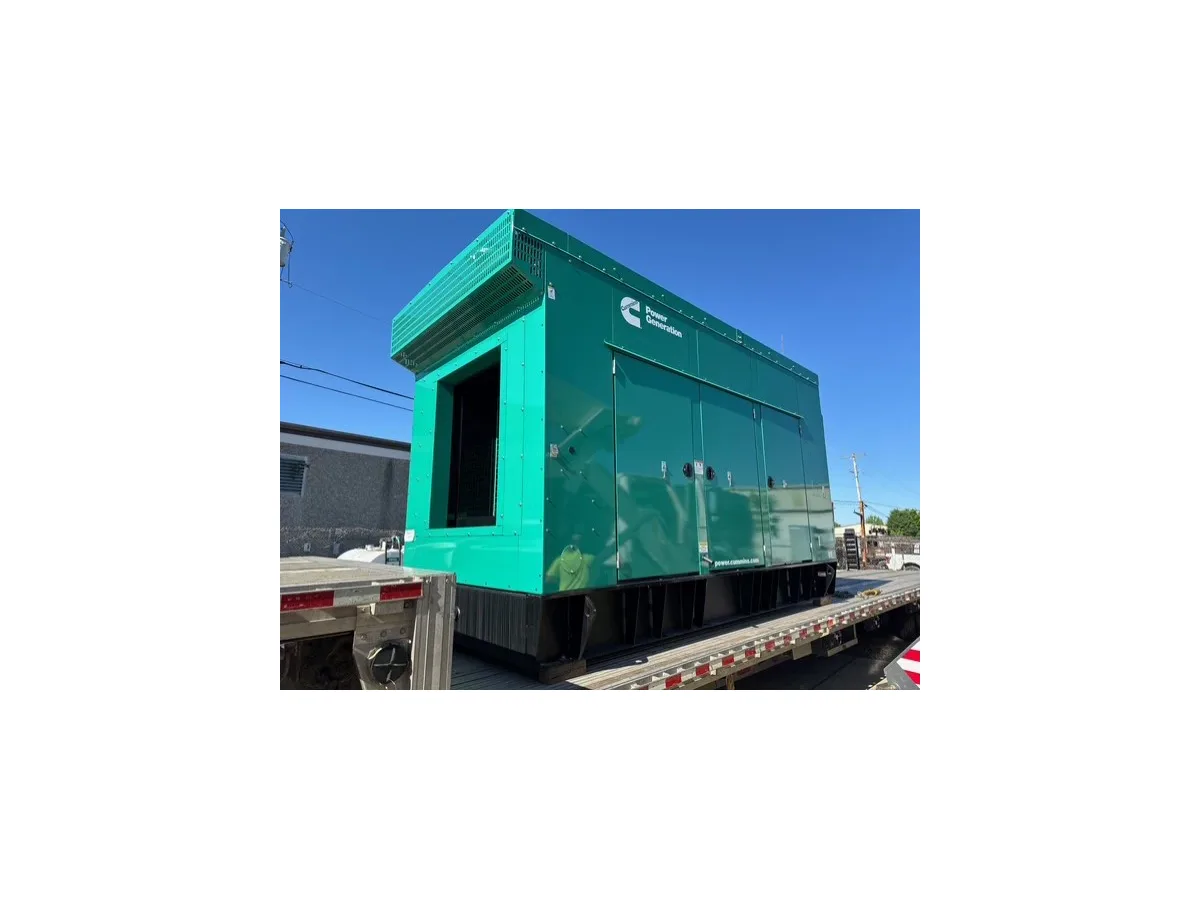
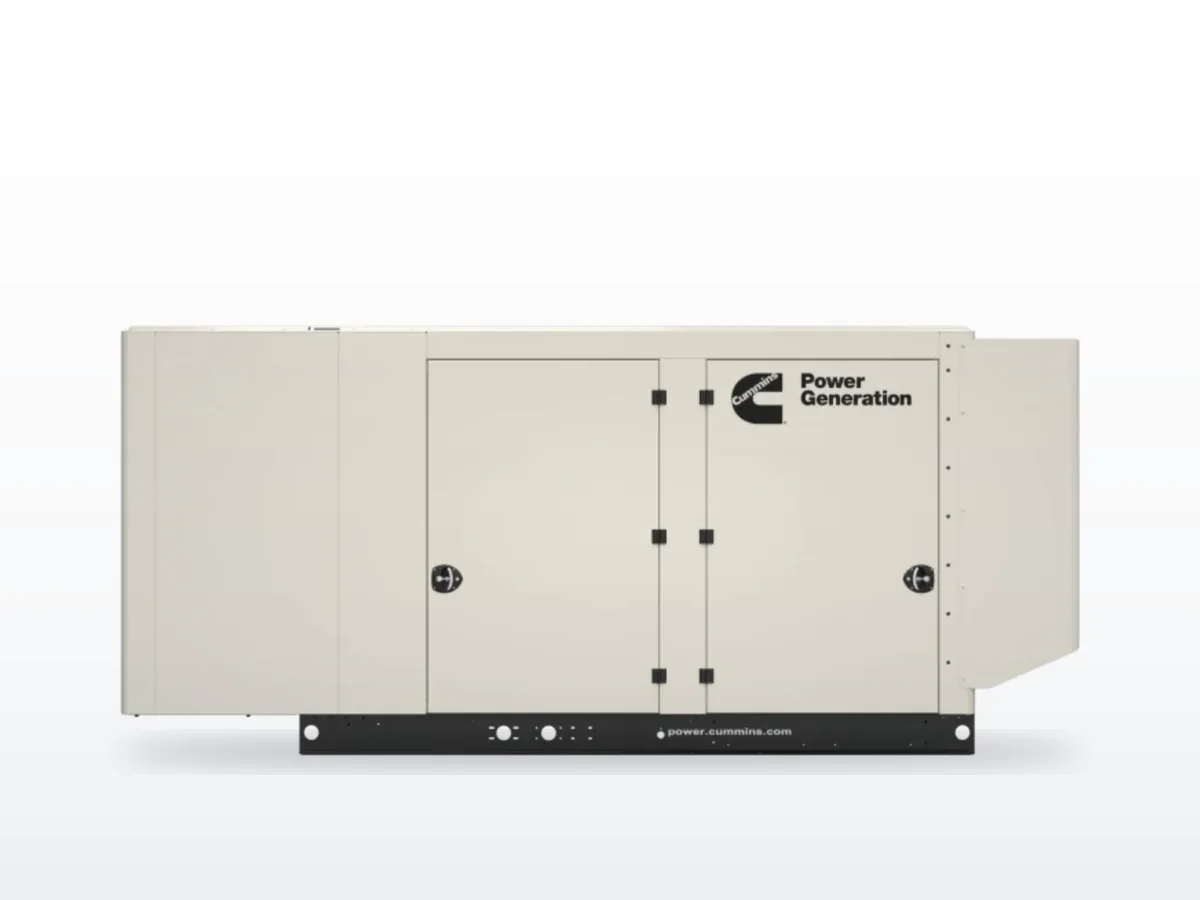
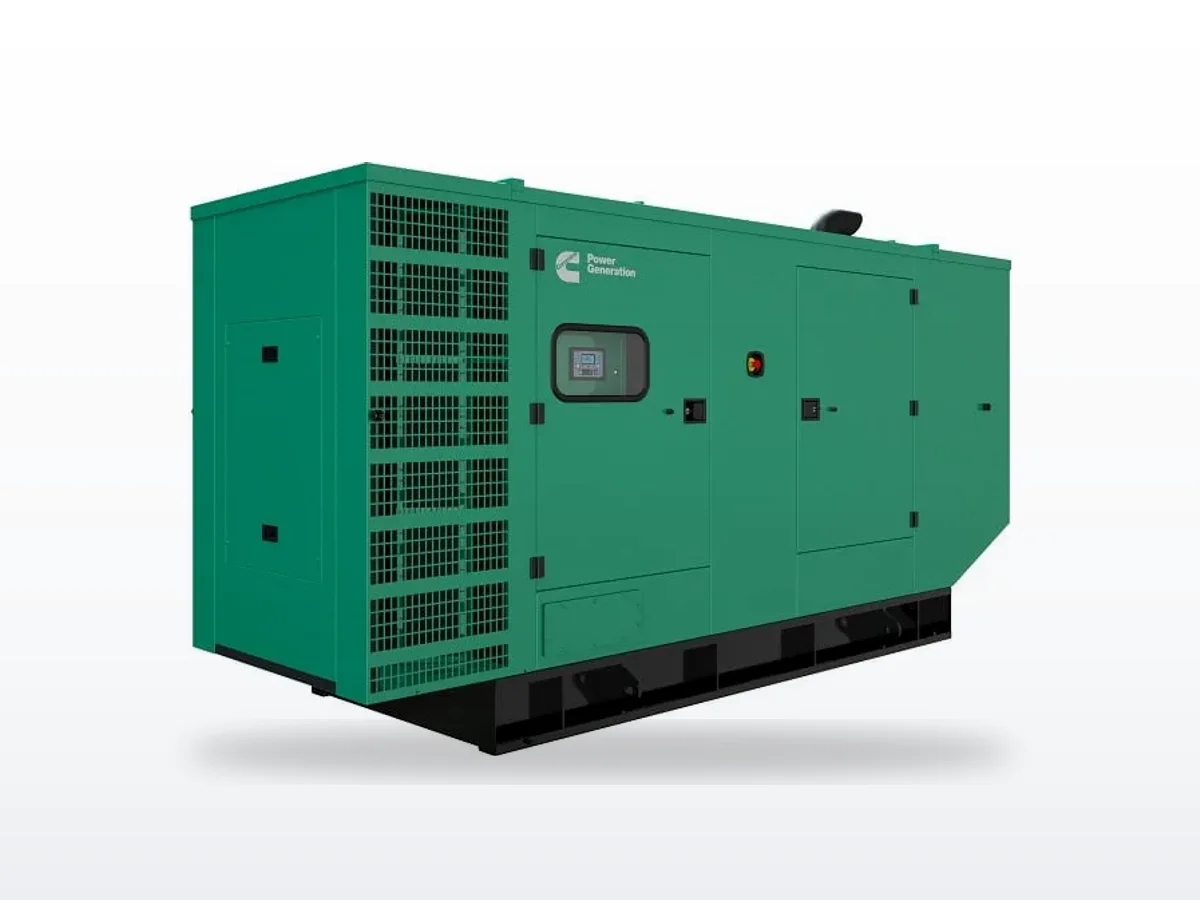
The Cummins C300 D6 (model designation DQDAC) is a 300 kW standby diesel generator set built on the QSL9-G7 engine -- an 8.8-liter, inline-6-cylinder turbocharged and charge-air-cooled industrial diesel running at 1800 rpm. Rated at 375 kVA standby and 338 kVA prime at 60 Hz, the DQDAC represents the maximum standby output of the QSL9-G7 engine platform. It also carries a DCC (data center continuous) rating of 680 kW / 850 kVA.
Standard equipment includes the PowerCommand 2.3 control with AmpSentry protective relay, an HCI434F alternator, and a sound-attenuated enclosure. The engine features Bosch high-pressure common rail (HPCR) fuel injection, a Holset HX40 wastegated turbocharger, and a 24-valve cylinder head design. EPA Tier 3 certified.
The DQDAC is the top of the QSL9 standby range. For applications requiring more than 300 kW, the next step up is the C350D6 which moves to the larger QSG12-G1 engine platform (11.8L). The DQDAC is designed for large commercial, healthcare, and data center standby applications.
Our Service Experience#
At 300 kW, the QSL9-G7 is operating at its maximum standby rating. This means the engine has less thermal headroom compared to the 250 kW DQDAA on the same block. We recommend more frequent charge air cooler inspections and turbocharger monitoring on DQDAC units. The HPCR fuel injection system is paramount -- any fuel contamination at these power levels will manifest as injector faults and rough running more quickly than on lower-rated QSL9 applications. We keep a close eye on fuel pressure trends during annual load bank testing.
Frequently Asked Questions#
What fuel consumption should I expect from the DQDAC? Based on the QSL9-G7 engine spec sheet, standby fuel consumption at full 300 kW load is approximately 23.5 gallons per hour (89 L/hr). At 50% load, consumption drops to approximately 12.7 gallons per hour (48 L/hr). These are verified from the Cummins engine specification sheet.
Can the C300 D6 be paralleled? Yes. The PowerCommand 2.3 control supports paralleling with synchronizer and isochronous load sharing. Multi-unit paralleling of DQDAC generators is common in hospital and data center applications.
What alternator does the DQDAC use? The DQDAC uses the HCI434F alternator as standard equipment. This is a brushless, 4-pole, drip-proof, revolving field alternator with Class H insulation.