Overview#
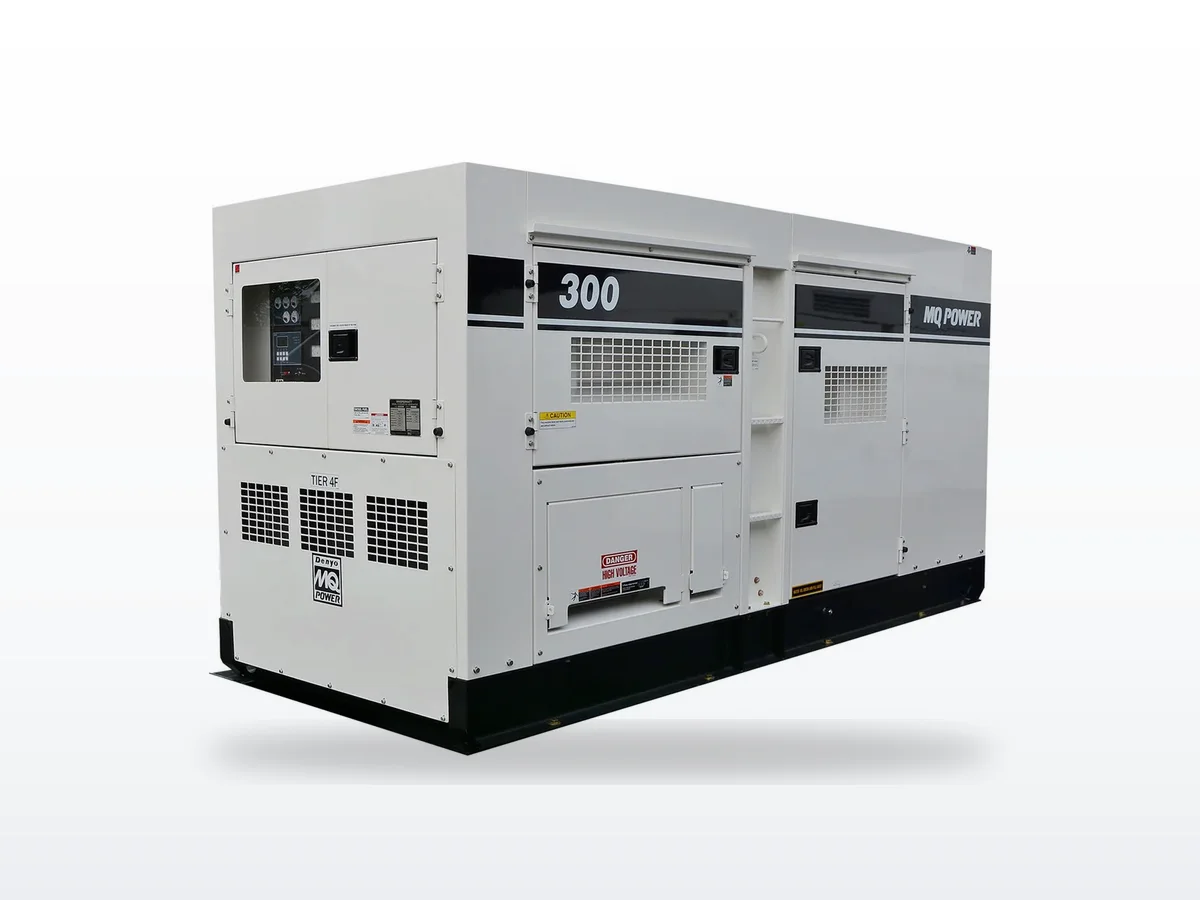
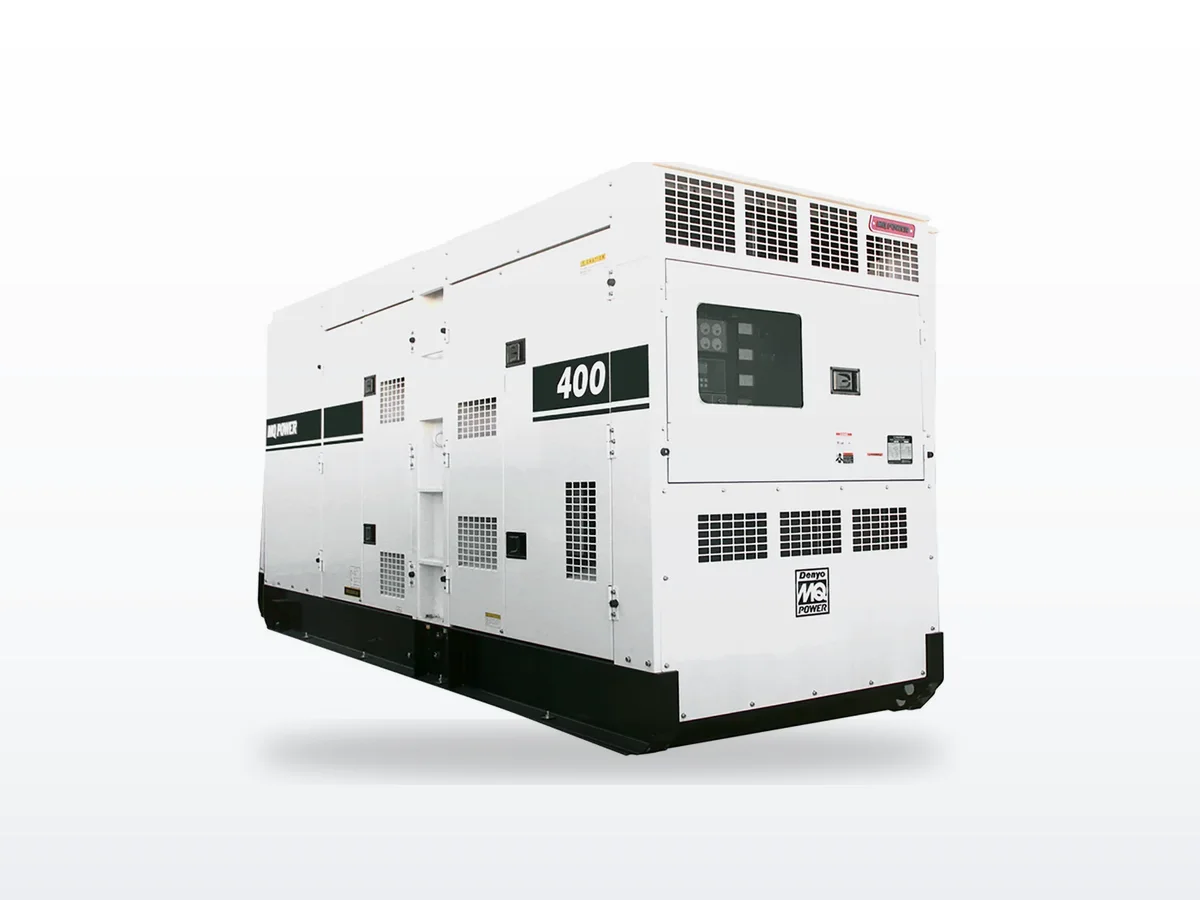
The MQ Power DCA-400 WhisperWatt is a 400 kVA (320 kW prime / 336 kW standby) portable diesel generator powered by an Isuzu BG-6WG1X 6-cylinder. It is the top of the WhisperWatt Super-Silent towable lineup — above the DCA-300 and suited for applications requiring sustained 250-320 kW at a portable location with meaningful sound attenuation.
Two things set the DCA-400 apart from the DCA-300: CARB compliance (California job sites) and the Isuzu platform (broader rental fleet familiarity in North America versus the JD-powered DCA-300).
CARB compliance#
The DCA-400 is one of the few portable generators in this power range that is certified by the California Air Resources Board:
- Deployable on California construction sites where EPA-only generators cannot operate
- Meets stringent NOx and PM standards beyond EPA Tier 4 Final
- Rental advantage — a single CARB-compliant unit serves all US markets
Tier 4 Final aftertreatment at 320 kW#
At this capacity, the aftertreatment system is substantial and adds meaningful operational requirements:
- DPF — requires periodic regeneration; automatic but operator awareness essential
- SCR (DEF) — large DEF consumption at 320 kW sustained; plan DEF logistics alongside fuel
- DPF ash cleaning — eventual service requirement per OEM schedule
- Regen management — never interrupt an active regen cycle; extended regen interruption causes forced shutdown
Skid vs trailer configurations#
The DCA-400 is available in both configurations:
- Skid: 181"×59"×100", 13,184 lbs — for semi-permanent placement or crane-set deployments
- Trailer (TRLR400XF3DAE): 265"×94"×110", 17,194 lbs — for over-the-road towing
Our service experience#
We deploy DCA-400 units for the largest temporary power requirements in our market — major construction projects, extended utility outages affecting commercial facilities, and large public events requiring a single large portable rather than paralleled smaller units. At this size, the technical sophistication of the Tier 4 Final aftertreatment system means pre-delivery briefings and planned service intervals are more important than with smaller units. We recommend establishing a DEF delivery cadence as part of the deployment plan, not as an afterthought.