Overview#
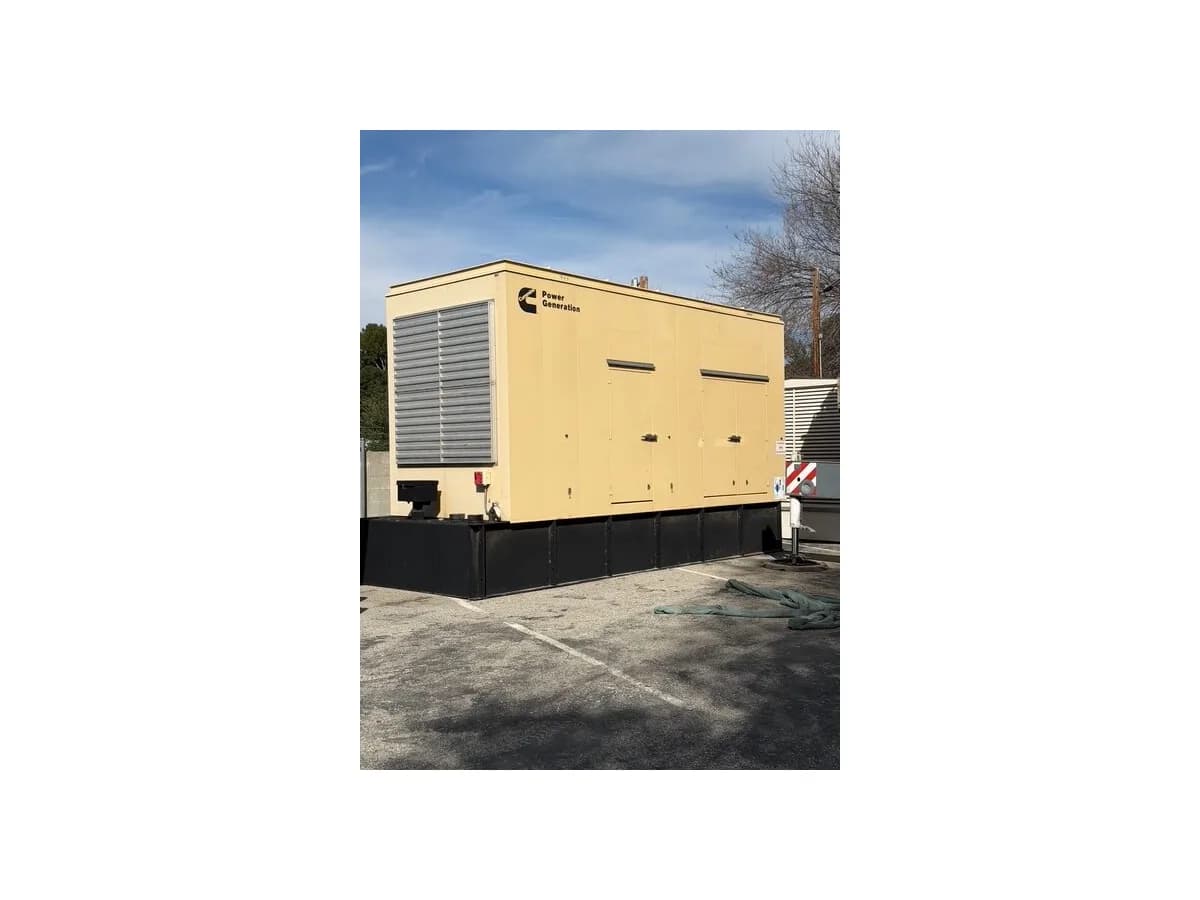
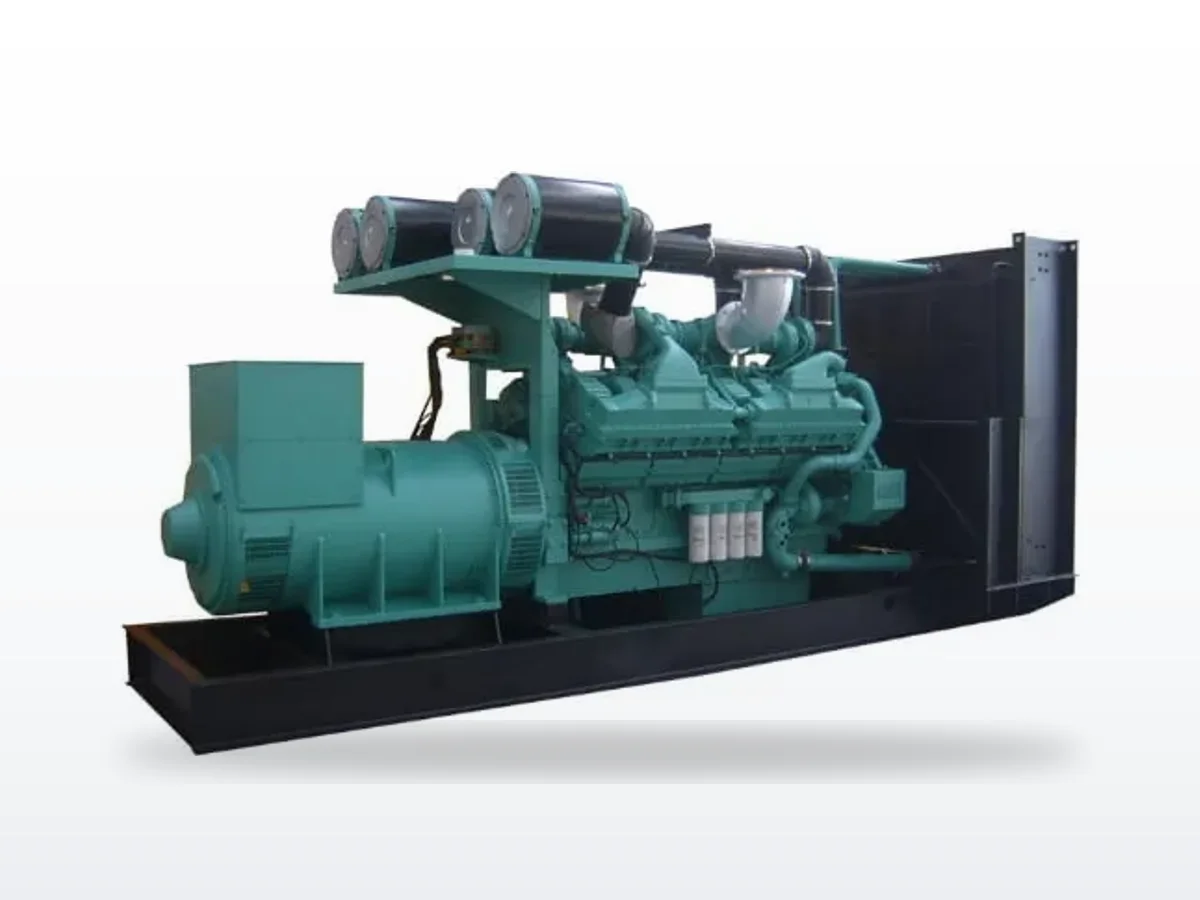
The Cummins QSK60 is a 2,000-kilowatt diesel standby generator — the platform that powers a significant portion of the world's data centers, hospitals, and mission-critical facilities. At 60.2 liters across 16 cylinders, it delivers 2 MW from a single engine with the reliability that justifies its position as an industry reference standard.
Cummins' vertical integration (engine + alternator + controller all manufactured in-house) provides a single-source warranty and unified engineering that competitors match only with multi-vendor arrangements.
The 2 MW class#
At 2,000 kW, you're in the territory of:
- Tier III/IV data centers: 4-12 QSK60 units per facility in N+1 arrays
- Large hospitals: 2-4 units covering life-safety, critical, and equipment branches
- Campus distribution: multiple buildings served from a central plant
- Industrial process: continuous power backup for manufacturing
PowerCommand 3.3 paralleling#
The QSK60 pairs with Cummins' PowerCommand 3.3 controller for data-center-grade paralleling:
- Load demand: starts only the generators needed, adds/sheds as load changes
- Isochronous load sharing: perfect kW/kVAR balance across paralleled units
- AmpSentry: protective relaying that prevents generator damage from abnormal conditions
- Modbus + SNMP: full integration with BMS and IT monitoring platforms
- Black start: sequenced startup from completely dead bus
Our service experience#
The QSK60 is our largest platform. We service these at data centers and hospital campuses across our territory. Annual maintenance is comprehensive: oil/coolant sampling and analysis, injector performance testing, turbo inspection, load bank test, battery load test, and full exercise cycle with transfer verification. The Modular Common Rail System (MCRS) fuel injection is sophisticated — fuel quality is paramount, and we include fuel sampling in every service visit. At 140 GPH consumption, fuel management is its own discipline on these installations.
FAQ#
What is the standby rating of the Cummins QSK60?#
The Cummins QSK60 is rated at 2,000 kW standby at 60 Hz, 1800 rpm. Prime rating is 1,825 kW. The standard low-voltage configuration is 277/480V three-phase.
What engine does the Cummins QSK60 use?#
The QSK60 uses the Cummins QSK60-G6 — a 60.2-liter, V-16 cylinder, turbocharged and aftercooled diesel with the Cummins Modular Common Rail System (MCRS) fuel injection. The engine is EPA Tier 2 certified for stationary emergency standby applications — no aftertreatment (DPF/SCR) is required.
What are the service intervals for the Cummins QSK60?#
Oil and filter changes are due at 500 hours or 12 months. Fuel filter replacement is scheduled at 500-hour intervals. Air filter replacement is due at 1,000-hour intervals. Coolant change is recommended at 6,000 hours or 5 years. Annual load bank testing is required. Major overhaul interval is 40,000 hours under standard standby duty, reflecting the QSK60's industrial-grade construction.
Is the Cummins QSK60 EPA compliant?#
Yes. The QSK60-G6 is EPA Tier 2 certified for stationary emergency standby applications and is CARB compliant for emergency standby use. It is also NFPA 110 Level 1 listed and UL 2200 listed. No aftertreatment is required for emergency standby service.
Can the Cummins QSK60 be paralleled?#
Yes. The QSK60 with PowerCommand 3.3 controller is the dominant platform for large-scale paralleling at data centers and hospitals. It supports N+1, 2N, and demand-sequenced paralleling arrays from 2 MW to 20+ MW. Isochronous load sharing, AmpSentry protection, Modbus/SNMP integration, and black-start capability are all standard in PowerCommand 3.3.
What fuel type does the Cummins QSK60 use?#
The QSK60 runs on diesel fuel. The MCRS system requires clean, high-quality diesel — ultra-low sulphur diesel (ULSD) is recommended. At full load consumption of approximately 140 gallons per hour, fuel quality management and tank turnover are critical operational considerations.
What is the warranty on the Cummins QSK60?#
Standard Cummins warranty for new generator sets is 2 years or 2,000 hours for standby applications. Cummins Power Generation service agreements with guaranteed response times are available and strongly recommended for mission-critical installations.