The DSE 7420 MkII is a networked auto mains failure (AMF) generator controller — the "connected" evolution of the DSE 7320. While the 7320 is the industry workhorse for standalone standby, the 7420 adds native Ethernet with embedded web server, Modbus TCP, and SNMP v2c — making it the standard for generators that need to integrate directly with building management systems over IP networks.
In data centers, hospitals, and modern commercial buildings where everything connects to the BMS, the 7420 eliminates the need for external protocol gateways or add-on communication modules.
The 7420 MkII is our standard recommendation for new commercial standby installations where the facility has a BMS. The embedded web server is invaluable for remote diagnostics — we can check controller status, read fault codes, and verify exercise history from our office before dispatching a technician. This reduces unnecessary site visits and speeds up troubleshooting. Configuration is done via DSE Configuration Suite (same software as the 7320 — no separate training needed).
Frequently Asked Questions
What's the difference between the DSE 7420 and 7320?
The 7420 MkII adds native Ethernet connectivity: embedded web server, Modbus TCP, and SNMP v2c — none of which exist on the 7320. The 7320 has only RS232/RS485/USB for communication. Choose the 7420 when the generator needs to integrate with a building management system (BMS) over the facility's IP network.
Does the 7420 support paralleling?
No — the 7420 is a single-genset auto mains failure controller. For paralleling, you need the DSE 8610 MkII (genset side) + DSE 8660 MkII (mains side). The 7420 is designed for standalone standby generators that start on mains failure and transfer load via an ATS.
What is SNMP and why does it matter for generators?
SNMP (Simple Network Management Protocol) allows the generator controller to be monitored by the same IT tools used for network equipment (Nagios, PRTG, SolarWinds). In data centers, this means the generator appears alongside servers, switches, and UPS in a unified monitoring dashboard — rather than requiring a separate generator-specific monitoring system.
Can the 7420 be monitored remotely without DSEWebNet?
Yes — the embedded web server provides a browser-based interface accessible from any device on the same network. SNMP sends alerts to any SNMP manager. Modbus TCP integrates with any SCADA system. DSEWebNet (cloud) is an additional option but not required for remote visibility.
Found in these gensets
Generator models that ship with or are commonly paired with the DSE 7420 MkII.
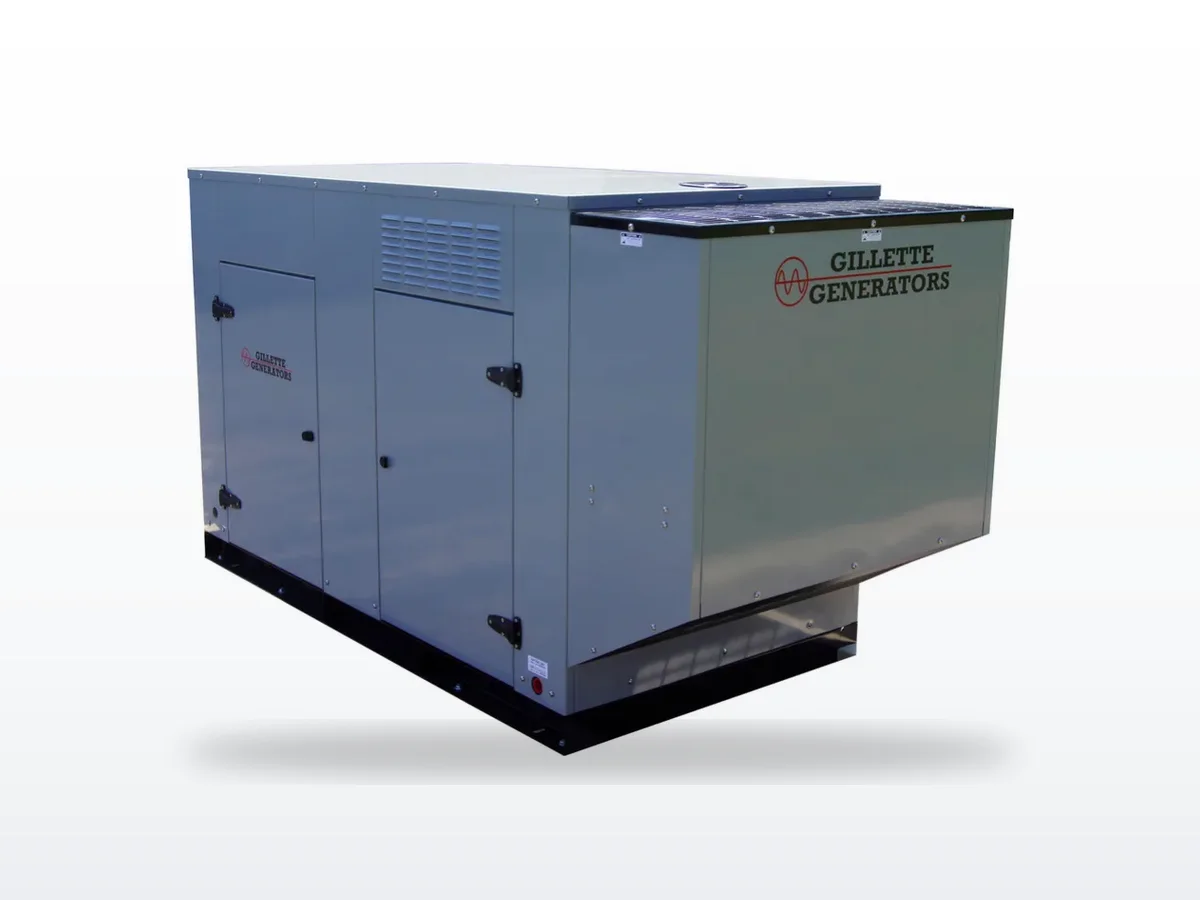
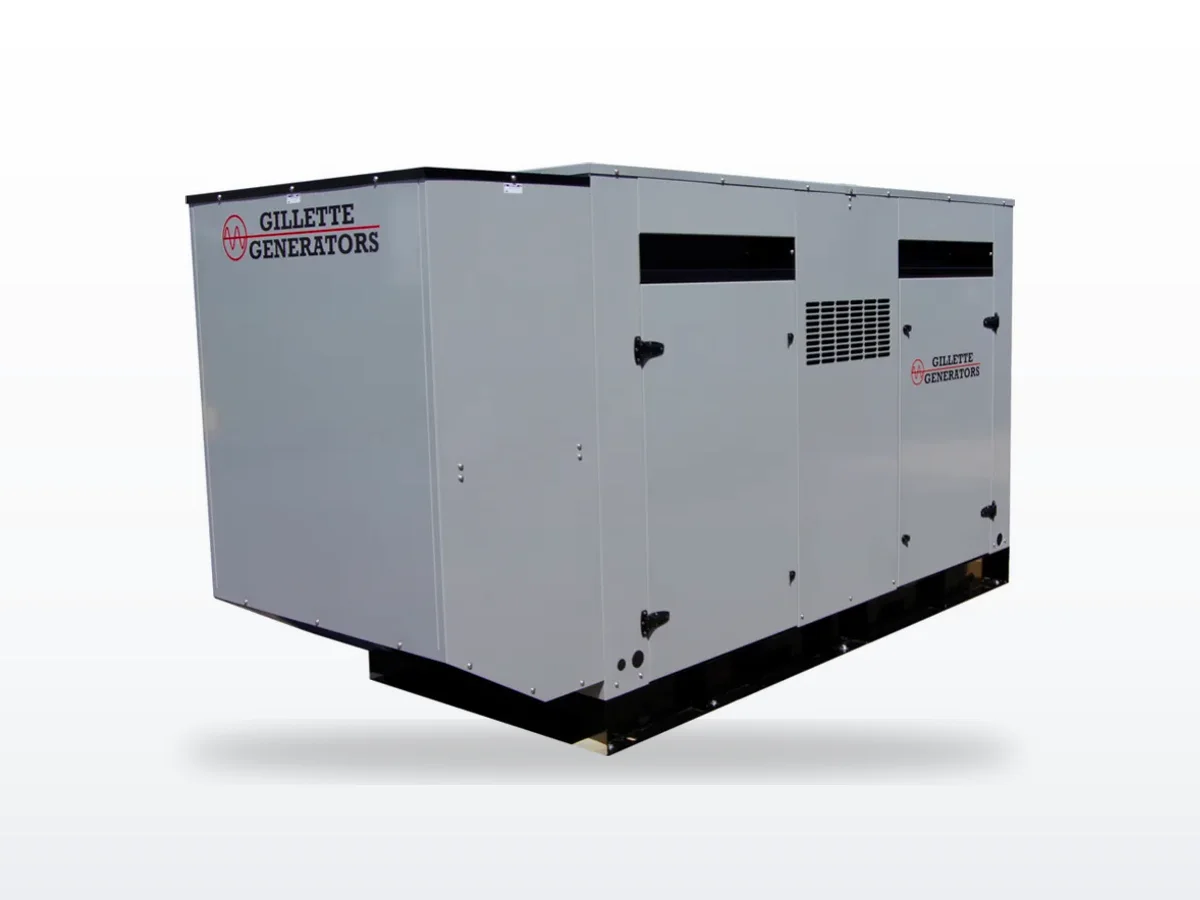
Gillette
Gillette PR-1000
Factory-direct prime-rated gas at 15-30% below major brands. PSI 8.1L I6 engine + DSE controller — continuous duty, no lock-in.
100 kW standby · Natural Gas · Liquid-cooled
100 kW prime natural gas for continuous-duty applications — remote sites, mining, agriculture, and off-grid operations.
100 kW prime-rated natural gas generator. PSI 8.1L I6 turbocharged, Stamford UCI274E alternator, DSE 7420 MKII. Continuous duty. Made in USA.
Factory-direct prime-rated gas at 15-30% below major brands. PSI 31.8L V12 — Gillette's largest prime gas unit. Continuous duty, no lock-in.
540 kW standby · Natural Gas · Liquid-cooled
540 kW prime natural gas for continuous-duty industrial, mining, and large off-grid operations. Gillette's largest prime unit.
540 kW prime-rated natural gas generator. PSI 31.8L V12 turbocharged, Stamford HCI534 alternator, DSE 7420. Continuous duty, 3-phase only. Gillette's largest prime gas unit.
Factory-direct megawatt-class gas at 15-30% below major brands. PSI 52.3L V16 engine + DSE controller — no proprietary lock-in.
1.1 MW standby · Natural Gas · Liquid-cooled
1,050 kW (1 MW) natural gas standby for data centers, hospitals, industrial campuses, and utility-scale backup.
1,050 kW natural gas stationary standby generator. PSI 52.3L V16 turbocharged engine, Stamford AVK alternator, DSE 7420 MKII. Natural gas only. Made in USA.
Factory-direct at 15-30% below major brands. PSI 8.8L high-output turbo V8 + DSE controller — no proprietary lock-in. 3-7 day lead times.
200 kW standby · Natural Gas · Liquid-cooled
200 kW natural gas standby for commercial buildings, hotels, multi-family housing, and data centers.
200 kW natural gas stationary standby generator. Made-in-USA commercial unit with PSI 8.8L high-output turbocharged V8, Stamford alternator, and DSE 7420 MKII controller. NG only.
Factory-direct at 15-30% below major brands. PSI 31.8L V12 engine + DSE controller — no proprietary lock-in. 3-7 day lead times.
650 kW standby · Natural Gas · Liquid-cooled
650 kW natural gas standby for data centers, hospitals, industrial facilities, and campus-scale emergency backup.
650 kW natural gas stationary standby generator. PSI 31.8L V12 turbocharged engine, Stamford HCI634 alternator, DSE 7420 MKII. Natural gas only. Made in USA.
Factory-direct at 15-30% below major brands. PSI 39.2L V12 engine + DSE controller — no proprietary lock-in. 3-7 day lead times.
800 kW standby · Natural Gas · Liquid-cooled
800 kW natural gas standby for data centers, hospitals, industrial campuses, and large municipal facilities.
800 kW natural gas stationary standby generator. PSI 39.2L V12 turbocharged engine, Stamford HCI634 alternator, DSE 7420 MKII. Natural gas only. Made in USA.
Factory-direct at 15-30% below major brands. Perkins engine + DSE controller — no proprietary lock-in. 3-7 day lead times.
100 kW standby · Diesel · Liquid-cooled
100 kW diesel standby for commercial buildings, telecom sites, pump stations, and light industrial facilities.
100 kW stationary diesel standby generator with Perkins 1104D-E44TAG2 engine. Made-in-USA with Stamford UCI274D alternator and DSE 7420 MKII controller.
Tier 33-phasecommercialtelecom
Gillette
Gillette SPD-1500
Factory-direct at 15-30% below major brands. Perkins 7.0L I6 engine + DSE controller — no proprietary lock-in. 3-7 day lead times.
150 kW standby · Diesel · Liquid-cooled
150 kW diesel standby for hospitals, hotels, commercial buildings, and municipal infrastructure.
150 kW stationary diesel standby generator with Perkins 1106D-E70TAG4 engine. Made-in-USA with Stamford UCI274G alternator and DSE 7420 MKII controller.
Tier 33-phasecommercialhospital
Gillette
Gillette SPD-2000
Factory-direct at 15-30% below major brands. Perkins 7.0L I6 engine + DSE controller — no proprietary lock-in. 3-7 day lead times.
200 kW standby · Diesel · Liquid-cooled
200 kW diesel standby for hospitals, hotels, water treatment, and mid-size commercial or municipal facilities.
200 kW stationary diesel standby generator with Perkins 1106D-E70TAG5 engine. Made-in-USA with Stamford UCID274J alternator and DSE 7420 MKII controller.
Tier 33-phasecommercialhospital
Gillette
Gillette SPD-300
Factory-direct at 15-30% below major brands. Perkins engine + DSE controller — no proprietary lock-in. 3-7 day lead times.
30 kW standby · Diesel · Liquid-cooled
30 kW diesel standby for cost-conscious commercial, telecom shelters, and small municipal pump stations.
30 kW stationary diesel standby generator with Perkins 404D-22TAG engine. Made-in-USA commercial diesel unit with Stamford alternator and DSE 7420 MKII controller.
Tier 4 Interim3-phasecommercialtelecom
Gillette
Gillette SPD-600
Factory-direct at 15-30% below major brands. Perkins engine + DSE controller — no proprietary lock-in. 3-7 day lead times.
60 kW standby · Diesel · Liquid-cooled
60 kW diesel standby for commercial buildings, telecom sites, retail stores, and pump stations.
60 kW stationary diesel standby generator with Perkins 1104D-E44TG1 engine. Made-in-USA with Stamford UCI224F alternator and DSE 7420 MKII controller.
Tier 33-phasecommercialtelecom
Gillette
Gillette SPHD-9000
Factory-direct at 15-30% below major brands. Hyundai 21.9L V12 engine + DSE controller — no proprietary lock-in. 3-7 day lead times.
900 kW standby · Diesel · Liquid-cooled
900 kW diesel standby for data centers, hospitals, industrial campuses, and large-scale critical infrastructure.
900 kW stationary diesel standby generator with Hyundai DP222CCS V12 engine. Made-in-USA with Stamford S6DD311 alternator, shunt excitation, and DSE 7420 MKII controller.
Tier 23-phasedata-centerhospital
Gillette
Gillette SPJD-1000
Factory-direct at 15-30% below major brands. John Deere 4045 engine + DSE controller — no proprietary lock-in. 3-7 day lead times.
100 kW standby · Diesel · Liquid-cooled
100 kW diesel standby for commercial, telecom, pump stations, and municipal buyers. Buy American compliant.
100 kW stationary diesel standby generator with John Deere 4045HF285 engine. Made-in-USA with Stamford UCI274D alternator and DSE 7420 MKII controller.
Tier 33-phasecommercialtelecom
Gillette
Gillette SPJD-1550
Factory-direct at 15-30% below major brands. John Deere 6068 engine + DSE controller — no proprietary lock-in. 3-7 day lead times.
155 kW standby · Diesel · Liquid-cooled
155 kW diesel standby for hospitals, hotels, commercial buildings, and municipal infrastructure. Buy American compliant.
155 kW stationary diesel standby generator with John Deere 6068HF285 engine. Made-in-USA with Stamford UCI274G alternator and DSE 7420 MKII controller.
Tier 33-phasecommercialhospital
Gillette
Gillette SPJD-2100
Factory-direct at 15-30% below major brands. John Deere 6068 engine + DSE controller — no proprietary lock-in. 3-7 day lead times.
210 kW standby · Diesel · Liquid-cooled
210 kW diesel standby for hospitals, hotels, water treatment, and commercial facilities. Buy American compliant.
210 kW stationary diesel standby generator with John Deere 6068HF485 engine. Made-in-USA with Stamford UCID274J alternator and DSE 7420 MKII controller.
Tier 33-phasecommercialhospital
Gillette
Gillette SPJD-600
Factory-direct at 15-30% below major brands. John Deere engine + DSE controller — no proprietary lock-in. 3-7 day lead times.
60 kW standby · Diesel · Liquid-cooled
60 kW diesel standby for cost-conscious commercial, telecom, and municipal buyers. Buy American compliant.
60 kW stationary diesel standby generator with John Deere engine. Made-in-USA commercial diesel unit with DSE controller and Stamford or Marathon alternator.
Tier 33-phasecommercialtelecom
Gillette
Gillette SPMI-1.5M
Factory-direct megawatt-class diesel at 15-30% below major brands. Mitsubishi S16R V16 engine + DSE controller — no proprietary lock-in.
1.5 MW standby · Diesel · Liquid-cooled
1,500 kW (1.5 MW) diesel standby for data centers, hospitals, industrial campuses, and municipal emergency power.
1,500 kW stationary diesel standby generator with Mitsubishi S16R V16 engine. 65.37L displacement, Stamford AVK S7L1D alternator, PMG excitation. Made in USA.
Tier 23-phasedata-centerhospital
Gillette
Gillette SPMI-1M
Factory-direct megawatt-class diesel at 15-30% below major brands. Mitsubishi S12H engine + DSE controller — no proprietary lock-in.
1 MW standby · Diesel · Liquid-cooled
1,000 kW (1 MW) diesel standby for data centers, hospitals, industrial campuses, and utility-scale backup.
1,000 kW stationary diesel standby generator with Mitsubishi S12H engine. Made-in-USA with Stamford AVK S6D alternator, PMG excitation, and DSE 7420 MKII controller.
Tier 23-phasedata-centerhospital
Gillette
Gillette SPMI-2M
Factory-direct 2 MW diesel at 15-30% below major brands. Mitsubishi S16R V16 — Gillette's largest unit. No proprietary lock-in.
2 MW standby · Diesel · Liquid-cooled
2,000 kW (2 MW) diesel standby for hyperscale data centers, hospitals, industrial campuses, and utility-grade backup.
2,000 kW stationary diesel standby generator with Mitsubishi S16R V16 engine. 65.37L displacement, Stamford AVK S7L1DG alternator, PMG excitation. Gillette's largest unit.
Tier 23-phasedata-centerhospital
Gillette
Gillette SPMI-8000
Factory-direct at 15-30% below major brands. Mitsubishi S12A2 engine + DSE controller — no proprietary lock-in. 3-7 day lead times.
800 kW standby · Diesel · Liquid-cooled
800 kW diesel standby for data centers, hospitals, industrial campuses, and large-scale critical infrastructure.
800 kW stationary diesel standby generator with Mitsubishi S12A2 engine. Made-in-USA with Stamford AVK HCI634 alternator, PMG excitation, and DSE 7420 MKII controller.
Tier 23-phasedata-centerhospital
Need service for the DSE 7420 MkII?
Our technicians work on every major component OEM. We stock common parts and source rare ones.